admin
admin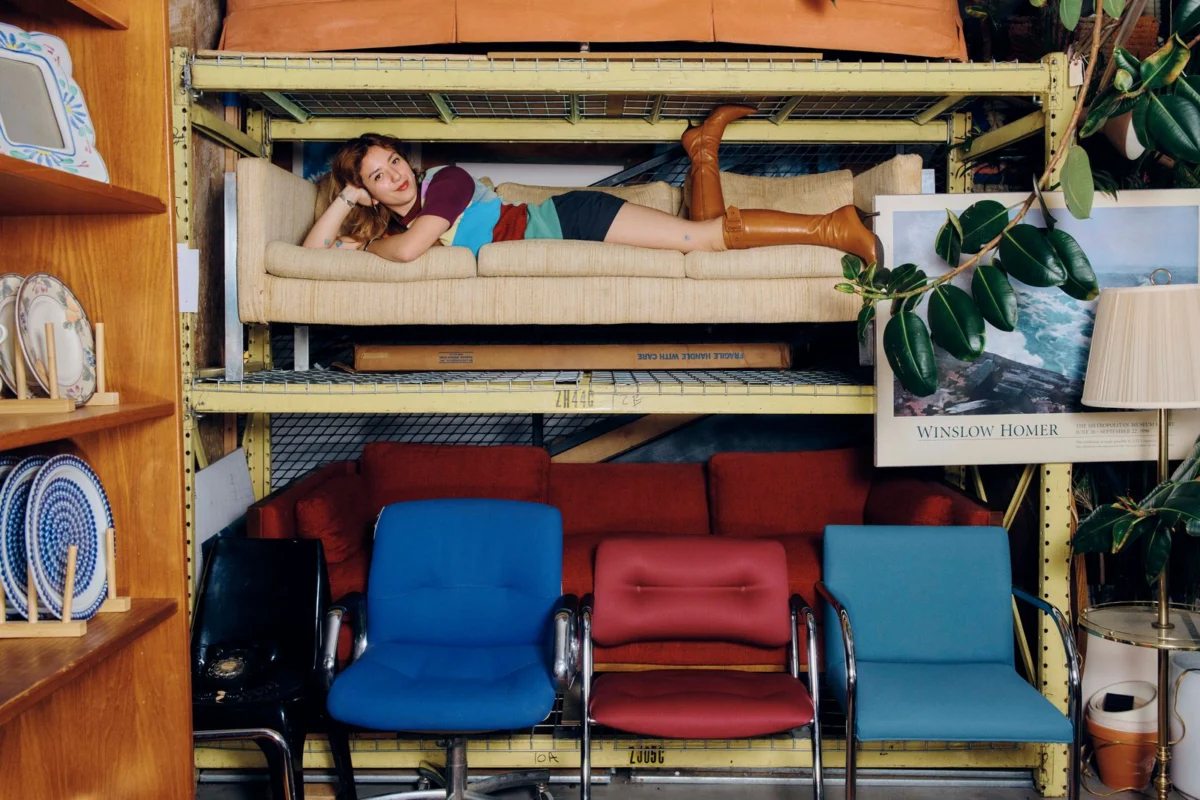
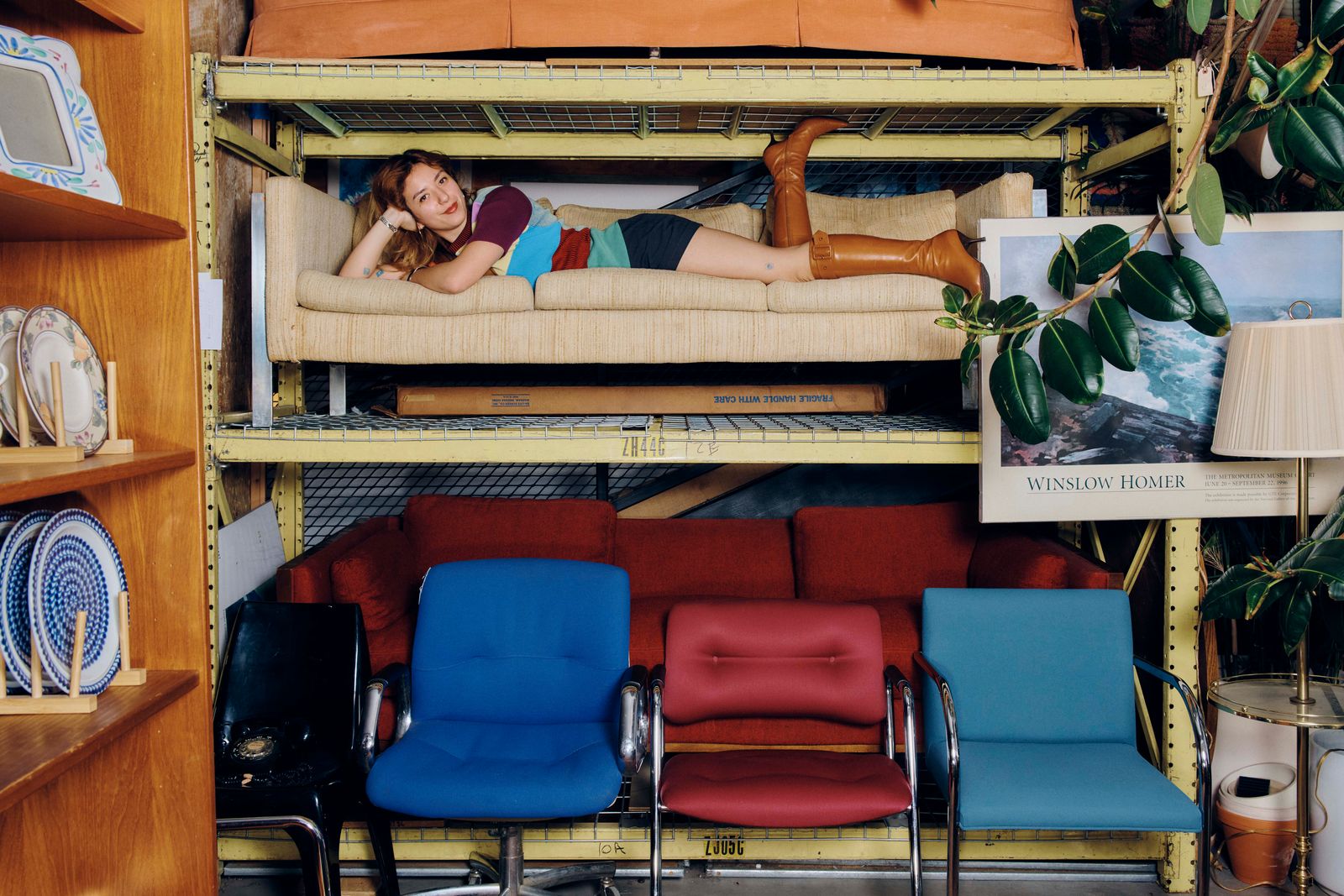
In a significant move for New York City’s burgeoning vintage retail scene, Chyelle Milgrom, the 27-year-old force behind the influential Instagram account @fbmarketslut, transitioned her digital curation expertise into a physical presence with the opening of Chyelle, a 1,700-square-foot storefront in Bushwick, Brooklyn, last November. This strategic expansion marks a notable evolution from online reselling, primarily through Facebook Marketplace, to a meticulously designed retail and community hub dedicated to high-quality, pre-owned housewares. Milgrom’s venture is not merely a furniture shop but a testament to the growing economic viability of sustainable consumption, youth entrepreneurship, and the enduring appeal of vintage goods as both design elements and appreciating assets.
The Genesis of a Retail Vision: From Layoff to Launchpad
Milgrom’s journey to becoming a brick-and-mortar proprietor was far from conventional, underscored by a pivotal career shift. Just over a year prior to the store’s opening, she faced unemployment after a layoff from her UI/UX design role. This unexpected juncture, however, became the catalyst for re-evaluating her professional path and betting on a passion that had already cultivated a substantial online following. Her Instagram account, @fbmarketslut, had gained considerable traction by showcasing exceptional vintage finds from digital platforms, demonstrating Milgrom’s keen eye for design and market intuition. Following a brief but formative period working at another vintage furniture shop in the neighborhood, Milgrom recognized the tangible potential of her unique skill set. "If you had talked to me a year ago, I would’ve never thought that I’d be opening my own store, because I was unemployed [at the time]," Milgrom recounted. "I know that I have a good intuition for design. Why don’t I start my own business?" This internal monologue led to a decisive entrepreneurial leap.
By early 2023, Milgrom had meticulously crafted a 40-page pitch deck, a comprehensive business plan designed to attract investment. Approaching "friends’ parents who are really wealthy," as she candidly put it, her initial proposal for a vintage furniture shop was met with a degree of skepticism. This reaction is not uncommon in a retail landscape often dominated by fast fashion and disposable home goods, where the intrinsic value and appreciation potential of vintage items are sometimes overlooked by traditional investors. However, Milgrom remained steadfast in her conviction, articulating a vision that resonated beyond mere aesthetics. For her, purchasing vintage furniture transcends acquiring a beautiful piece; it represents a tangible form of investment. "One way to start building wealth is by investing in really high-quality vintage furniture that will either stay the same or increase in value," she emphasized, drawing a parallel to art investment. This economic argument, coupled with her passion and detailed planning, ultimately secured the necessary backing.
Chyelle Studio: A New Paradigm for Retail and Community

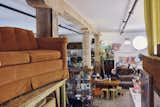
The concept for Chyelle Studio extends far beyond a typical retail space. Milgrom envisioned it as a vibrant community hub, a "third space" in the heart of Bushwick. The 1,700-square-foot former tattoo parlor was transformed into a multi-functional environment designed to foster engagement and interaction. Unlike conventional vintage stores, where items are often stacked or haphazardly displayed, Chyelle Studio functions as a dynamic showroom. Each piece is thoughtfully staged, inviting shoppers to experience the furniture as they would in their own homes. This immersive approach encourages customers to "grab coffee, walk around, take a seat, and get comfortable," fostering a slower, more deliberate consumption model.
The studio’s community-centric ethos is further manifested through a planned calendar of events, including figure drawing classes, book clubs, intimate dinner parties, and house music listening sessions. This multifaceted approach aims to cultivate a sense of belonging and cultural exchange, leveraging the inviting atmosphere of curated vintage pieces. Milgrom noted that the investors who ultimately supported her shared these "sensibilities of community," recognizing the value in creating a space that transcends pure commerce. The physical manifestation of Chyelle Studio therefore serves as a testament to the evolving nature of retail, where authentic experiences and community engagement are increasingly vital differentiators in a competitive market.
Navigating the Nuances of Vintage Sourcing and Market Dynamics

Milgrom’s operational model is a blend of strategic planning and agile adaptation. After securing the Bushwick space, she delved into detailed financial projections, including a five-year budget and a blueprint outlining furniture capacity and necessary turnover rates for self-sustainability. While her initial calculations proved "totally inaccurate" in some areas, the overall trajectory has been positive. A surprising revelation for Milgrom was the rapid turnover of sofas, especially during the winter months. "My calculations were so wrong. For instance, I didn’t realize, especially in the winter, that couches would be flying off the shelves and I cannot keep up with it. I thought sofas would be the slowest to move," she admitted. This insight highlights the dynamic and often unpredictable nature of consumer demand within the vintage market.
Sourcing inventory is a continuous, labor-intensive process. Throughout the week, Milgrom engages with sellers across various platforms, while weekends are dedicated to extensive road trips in her cargo van, mapping complex routes for pickups and drop-offs across the tristate area. Her friend and roommate, Maddie, often accompanies her, assisting with navigation and providing companionship on these long hauls. Milgrom’s curatorial philosophy is eclectic, extending beyond strict adherence to specific eras. She collects anything that "intrigues her," from iconic midcentury-modern designs to distinctive ’90s decor, ensuring a diverse and engaging selection for her clientele. This broad approach allows Chyelle Studio to cater to a wider array of aesthetic preferences, reflecting the increasingly hybridized tastes of contemporary interior design.
Key Learnings and Strategic Advice for the Modern Vintage Hunter

As Chyelle Studio approaches its half-year mark, Milgrom has distilled several invaluable lessons, offering practical advice for both aspiring entrepreneurs and casual shoppers embarking on their own vintage furniture hunts:
-
Invest in Quality Secondhand Products: Milgrom’s commitment to quality extends to her business infrastructure. When establishing the in-store cafe, her friend and barista, Minji Um, recommended a high-end La Marzocco espresso machine, known for its industry standard and durability. Faced with the prohibitive cost of new commercial equipment (often $200,000 to $300,000 for a small cafe setup), Milgrom applied her core philosophy: "Let’s see if I can get all of my appliances used, which is what I did." This resourceful approach underscores the principle that investing in durable, pre-owned items can be both economically savvy and perfectly aligned with the sustainable ethos of vintage retail.
-
Couches are Always in Demand: The unexpected rapid sale of sofas, particularly modular and sectional designs, has been a significant learning curve. Milgrom now strategically delays posting new sofas immediately to maintain inventory flow, noting that some pieces sell within hours of being listed online. The versatility and chic appeal of modular sofas make them particularly sought after, even in space-constrained urban environments like New York City. This trend suggests a strong consumer desire for adaptable, comfortable, and stylish seating solutions that often represent a better value in the vintage market compared to new alternatives.
-
Understand Commercial Vehicle Regulations: A crucial, albeit costly, lesson for Milgrom involved navigating commercial vehicle restrictions. She incurred $400 fines for inadvertently driving rental commercial vans on parkways like FDR Drive and Belt Parkway, which prohibit such vehicles. This experience highlights the need for thorough research on local transportation laws when transporting large items, especially for those venturing into cross-state sourcing. Her subsequent purchase of a passenger cargo van was a direct response to this challenge, offering both legal compliance and improved visibility.
-
Thrift Stores are Goldmines for "Smalls": While estate sales are often ideal for larger furniture pieces, Milgrom advises that thrift stores like Goodwill and Savers are unparalleled for acquiring "smalls" – decorative objects such as kitchenware, vases, frames, and table lamps. These items, often priced under $50 at Chyelle, offer excellent value. Milgrom emphasizes affordability, sometimes pricing items below their potential market value to ensure accessibility. Her approach of researching value only after an item catches her eye allows for organic discovery and maintains a focus on curated appeal rather than pure profit maximization for every piece.
-
Interact with Furniture for "Slow Consumption": Milgrom champions a philosophy of "slow consumption," encouraging customers to engage physically with the furniture before purchasing. "I really want to promote slow consumption. I want you to sit down with your coffee or your work, really experience a sofa or an armchair or a coffee table. And if the design resonates with you, that’s when you make the purchase," she explained. This contrasts sharply with the impulse buying often associated with online platforms, allowing customers to assess comfort, condition, and scale firsthand. Chyelle Studio’s showroom layout and community events are designed to facilitate this immersive, considered approach to buying.

-
Embrace Flaws and Natural Wear: Contrary to the pursuit of perfection in new furniture, Milgrom observes that natural wear and tear often enhance the appeal of vintage pieces. "Furniture stores can’t add patina or wear," she notes. "Carvings and chips—it’s all character." This acceptance of imperfection underscores the longevity and inherent value of well-crafted vintage items. Pieces that have withstood decades of use are often built with superior craftsmanship and materials, representing a more sustainable and durable investment compared to many mass-produced modern alternatives. The ability to resell quality vintage pieces at or above their purchase price further solidifies their investment potential.
-
Think Beyond Mid-Century Modern: While Mid-Century Modern (MCM) designs have long dominated the vintage market, Milgrom identifies emerging trends. She notes a growing interest in "space-age items" with "funky plastic Formica design" and a resurgence of "Spanish and French revival, the more antique and more crafty work." This shift away from strict MCM minimalism towards more ornate or playful styles suggests an evolving aesthetic palette among consumers. Milgrom finds these emerging categories "way less competitive than midcentury," presenting new opportunities for both sellers and buyers to discover unique pieces and diversify their collections.
Broader Implications and the Future of Sustainable Design
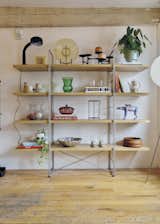
Chyelle Milgrom’s success with Chyelle Studio is emblematic of several broader trends shaping the retail and design industries. Firstly, it highlights the increasing sophistication and viability of the secondhand economy. Market research indicates that the global secondhand market is projected to reach $350 billion by 2027, with furniture and home goods playing a significant role. This growth is driven by a combination of factors, including economic consciousness, a desire for unique aesthetics, and a growing commitment to sustainability among consumers, particularly younger demographics.
Secondly, Milgrom’s model underscores the enduring appeal and potential for innovation within brick-and-mortar retail, even in an increasingly digital world. By integrating a cafe, community events, and a showroom experience, Chyelle Studio transforms a transactional space into a destination, fostering loyalty and engagement that online-only platforms cannot replicate. This multi-faceted approach represents a viable strategy for small businesses to thrive by creating distinctive, experience-rich environments.
Finally, the emphasis on vintage furniture as an investment aligns with a broader shift towards conscious consumerism. In an era of environmental concerns and planned obsolescence, investing in durable, quality vintage pieces offers an alternative to disposable consumption. It encourages a more thoughtful relationship with household objects, appreciating their history, craftsmanship, and potential for appreciation. Chyelle Studio, therefore, serves not only as a retail outlet but also as an educational platform, guiding consumers towards more sustainable and financially astute choices in furnishing their homes.

Chyelle Milgrom’s journey from a UI/UX designer navigating unemployment to a visionary vintage furniture dealer and community builder in Bushwick stands as an inspiring narrative. Her ability to identify market gaps, leverage digital influence, and translate a passion into a thriving physical enterprise offers valuable insights into the evolving landscape of modern retail and the enduring power of well-curated vintage design.