admin
admin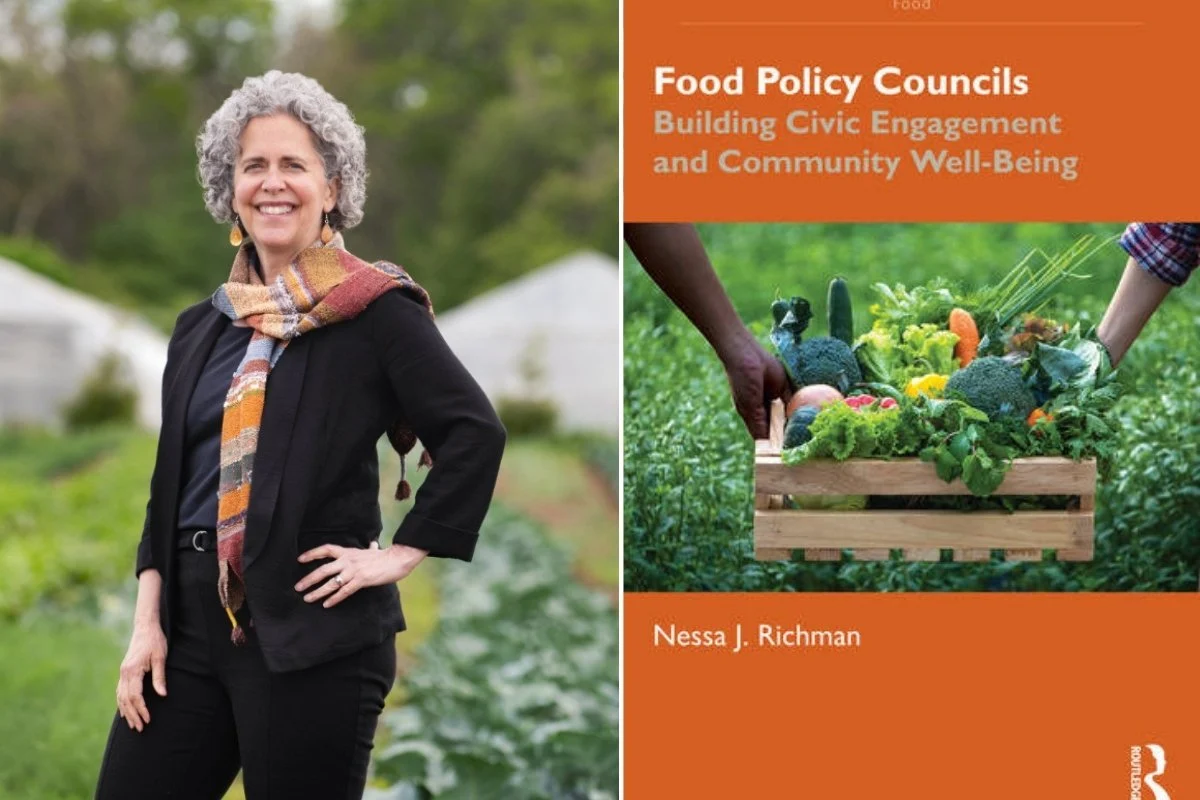
In a pivotal moment that would redefine her career and profoundly impact local food systems nationwide, Richman found herself working at a farmers’ market she had helped establish with the nonprofit Sustainable Food Center. As she observed families eagerly queuing for fresh peaches and tomatoes, a profound realization dawned on the AmeriCorps volunteer and recent college graduate. "I thought, ‘This is the environmental piece, the public health piece, and the social piece, all wrapped up into one,’" she recalls, reflecting on the clarity of that insight. "I never looked back after that." This awakening marked the genesis of a nearly nine-year journey leading the Rhode Island Food Policy Council, an organization dedicated to strengthening local food systems by fostering collaboration among community members, farmers, government entities, businesses, and workers.
The Rhode Island Food Policy Council (RIFPC), under Richman’s steadfast leadership, has emerged as a beacon of integrated action, demonstrating how a holistic approach can address the multifaceted challenges of food security, economic development, and environmental sustainability. Its work spans a broad spectrum, from coaching small farmers and food entrepreneurs to successfully lobby for supportive legislation, to orchestrating innovative programs that connect producers with consumers in need. However, despite its demonstrable successes and critical role, the RIFPC, like many of its counterparts across the United States, is grappling with significant financial instability, facing devastating cuts that threaten its future viability. In response to these growing pressures and to empower other communities, Richman has authored Food Policy Councils: Building Civic Engagement and Community Well-Being, a comprehensive handbook designed to guide advocates and leaders in establishing and sustaining effective food policy councils.
The Genesis of a Movement: Richman’s Awakening
Richman’s journey into the intricate world of food policy began not in a legislative chamber or academic seminar, but amidst the vibrant hustle and bustle of a local farmers’ market. This seemingly simple setting provided the backdrop for an epiphany that would shape her professional trajectory. Her role with the Sustainable Food Center, an organization committed to cultivating a healthy and equitable food system, placed her directly at the intersection of food production and community access. The act of bringing fresh, locally sourced produce directly to consumers, bypassing complex supply chains, illuminated the profound connections between environmental stewardship, public health outcomes, and social equity. This foundational experience highlighted the systemic nature of food issues, an understanding that would become the bedrock of her advocacy.
The concept of food policy councils (FPCs) themselves grew out of a recognition that the conventional, siloed approach to food issues was inadequate. Historically, agriculture, public health, economic development, and environmental protection often operated independently, leading to fragmented policies and unintended consequences. The late 20th and early 21st centuries saw a burgeoning movement advocating for a more integrated approach, where diverse stakeholders could convene to develop comprehensive, community-driven solutions. FPCs emerged as a mechanism to facilitate this collaboration, fostering dialogue and action across otherwise disparate sectors of the food system. Richman’s personal revelation at the market perfectly encapsulated this integrated philosophy, seeing the "environmental piece, the public health piece, and the social piece, all wrapped up into one."
The Rhode Island Food Policy Council: A Model of Integrated Action
For nearly a decade, the Rhode Island Food Policy Council has embodied this integrated vision. Its core mission is to strengthen local food systems by fostering collaboration and driving policy change. The council serves as a crucial nexus, bringing together a diverse array of stakeholders: the farmers who cultivate the land, the fishers who harvest from the sea, the entrepreneurs who innovate, the workers who power the industry, government officials who shape policy, and the community members who rely on the system for sustenance. This multi-stakeholder approach ensures that solutions are comprehensive, equitable, and reflective of the community’s actual needs.
The RIFPC’s strategic focus areas align with the national objectives of many food policy councils, encompassing critical issues such as improving food access for underserved populations, promoting sustainable land use practices, influencing local procurement policies to support local producers, and advocating for zoning reforms that encourage urban agriculture. By addressing these interconnected challenges, the council aims to build a food system that is not only robust and resilient but also fair and healthy for all Rhode Islanders. Its success stories offer tangible proof of the power of collaborative governance in addressing complex societal problems.
Chronology of Impact: Key Initiatives and Achievements
The RIFPC’s history is marked by a series of impactful initiatives that illustrate its capacity to adapt to crises, innovate solutions, and empower local communities.
-
Bridging Divides: The Seafood Initiative
One of the RIFPC’s most celebrated achievements unfolded during the tumultuous period of the COVID-19 pandemic. Rhode Island boasts a significant commercial fishing industry, which faced a dual crisis: crippling tariffs had already impacted overseas exports, and the pandemic further disrupted supply chains and drastically reduced demand from restaurants and hospitality sectors. This left many fishers with abundant catches but no markets, threatening their livelihoods. Simultaneously, many of Rhode Island’s immigrant and refugee communities, particularly those from coastal nations like Liberia, faced heightened food insecurity and a strong cultural preference for fresh seafood, which was often inaccessible or unaffordable.Recognizing this stark dichotomy – fishers with surplus, communities with unmet needs – the RIFPC saw an opportunity to connect two disparate groups within its network. "We had fishers with no markets, and we had food-insecure people who liked fresh local fish. They didn’t know each other or have a common language, but they were both part of the food policy council’s network," Richman explains. With a modest grant, the council initiated a pilot program, purchasing 600 pounds of whole fresh fish from local fishermen for $600. This seafood was then transported to Providence, where, with the assistance of an intern, it was portioned into Ziploc bags and delivered to families associated with the African Alliance of Rhode Island and other refugee and immigrant-serving groups.
This small-scale intervention quickly blossomed into a sustainable, community-driven program. Collaborating with the Commercial Fisheries Center of Rhode Island and leaders from several refugee and immigrant organizations, the initiative gained momentum. Since its inception, the program has distributed over 900,000 pounds of fresh, local fish to between 400 and 500 families per week. This success story not only provided critical nutritional support and economic relief but also fostered cross-cultural understanding and built lasting community bonds. It stands as a powerful testament to the RIFPC’s ability to identify systemic gaps and create innovative, culturally relevant solutions. The program continues to thrive, demonstrating the lasting impact of initial catalytic support.
-
Empowering Local Entrepreneurs: The Cottage Food Law
Beyond direct food distribution, the RIFPC has been instrumental in advocating for policy changes that foster a more inclusive and supportive environment for local food entrepreneurs. The story of a single mother who launched Black Beans PVD, a catering business rooted in her cultural heritage, exemplifies this advocacy. Facing significant hurdles in establishing her home-based enterprise, she became an active member of the council, determined to pave an easier path for others. Through the RIFPC, she gained a network of support, learned the intricacies of legislative advocacy, and ultimately met her state senator and representative. Her powerful testimony at the state house was a turning point. "Before, I didn’t know who my senator and representative were. Now they know who I am," she recounted, highlighting the transformative power of civic engagement.This grassroots effort culminated in the passage of Rhode Island’s cottage food law in 2022. This landmark legislation allows individuals to legally sell certain goods prepared in home kitchens, significantly lowering barriers to entry for small-scale food businesses. The law not only supports economic development by enabling new ventures but also expands consumer access to diverse, locally made food products. Richman underscores the impact of individual voices in this process: "Her voice at the state house was more powerful than 10 policy council executive directors." This success underscores the FPC’s role not just as a policy advocate but as a platform for citizen empowerment.
-
Advocacy for Agricultural Equity: Farm Tax Breaks
The council’s advocacy extends to ensuring equitable treatment for all agricultural producers. Decades-old farm policy in Rhode Island had created a system of tax breaks primarily benefiting farms over five acres. This historical oversight left smaller farms at a disadvantage, despite their vital contributions to local food systems. The RIFPC actively engaged with small farmers, amplifying their voices and challenging the inequity. By questioning "Why should small farms not get the tax breaks?" the council initiated a crucial conversation about fairness and economic viability within the agricultural sector, demonstrating its ongoing commitment to supporting all scales of local food production.
A National Tapestry: Food Policy Councils Across the U.S.
The Rhode Island Food Policy Council is not an isolated phenomenon but rather one thread in a vibrant and growing national tapestry. There are approximately 300 food policy councils operating across the United States, each tailored to the unique needs and contexts of their respective communities. These councils tackle a wide array of interconnected issues, reflecting the complexity of the modern food system. Their work encompasses promoting urban agriculture initiatives to increase local food production in cities, enhancing food access in underserved neighborhoods often designated as "food deserts," influencing land use and zoning regulations to protect agricultural land and facilitate food infrastructure, and advocating for local procurement policies that direct institutional spending towards local producers.
The common thread uniting these diverse efforts is their commitment to bridging the fragmented facets of the food system. By bringing together participants from government, business, non-profits, academia, and community groups, FPCs create a forum for comprehensive problem-solving that transcends traditional silos. This collaborative model is essential for developing resilient, equitable, and sustainable food systems at the local and regional levels.
Facing Headwinds: The Challenge of Funding and Sustainability
Despite their critical contributions, food policy councils across the nation often operate on precarious financial footing. Underfunding is a persistent challenge, and many councils are increasingly at risk. Recent years have seen a troubling erosion of support for these vital organizations. Councils in major metropolitan areas such as Denver, New Haven, Connecticut, and Washington, D.C., have experienced significant cuts to their operational budgets and staffing.
The Rhode Island Food Policy Council, despite its impressive track record, has not been immune to these financial pressures. The council recently faced devastating setbacks, including the loss of an $18.7 million grant and a substantial cut of half its 2025 budget, largely due to federal funding reductions. Such cuts have immediate and severe implications, potentially jeopardizing ongoing programs, forcing staff reductions, and limiting the council’s capacity to initiate new projects or respond to emerging community needs. These financial challenges highlight a critical paradox: as the complexities of food systems continue to grow, the very mechanisms designed to address them are facing diminishing resources. The implication is clear: without sustained and robust funding, the invaluable work of these councils—from ensuring food security to supporting local economies and fostering environmental stewardship—is imperiled.
Championing the Future: Richman’s New Handbook
In the face of these challenges, Richman remains a passionate advocate for the transformative power of food policy councils. Recognizing the urgent need to bolster their visibility and support, she has channeled her extensive experience and insights into a practical guide: Food Policy Councils: Building Civic Engagement and Community Well-Being. Published by Routledge, this handbook serves as an invaluable resource for both nascent and established food systems advocates and leaders.
The book is meticulously designed to provide actionable strategies and best practices. It offers practical tips for navigating the intricate process of launching new food policy councils, emphasizing the importance of building community trust from the ground up. Richman details methodologies for fostering robust civic engagement, including how to initiate "food leader labs" that empower local residents to become active participants in policy discussions. Crucially, the handbook also addresses common pitfalls and challenges that FPCs often encounter, offering guidance on how to avoid or mitigate them. Its availability in both print and as a free download underscores Richman’s commitment to making this vital knowledge accessible to the broadest possible audience, aiming to spark a new wave of food system activism and resilience.
The Holistic Imperative: Addressing Complex Food System Issues
Richman’s work and her new book underscore a fundamental principle: the food system is inherently vast and complex, characterized by deep interdependencies. She argues that addressing any single component in isolation is not only ineffective but can also lead to negative unintended consequences. "If you work on the agriculture piece without thinking about the access piece, or work on the access piece without thinking about the environmental piece, you’re going to create negative unintended consequences," she states. This holistic perspective is central to the FPC model.
Food policy councils are uniquely positioned to improve food access and public health outcomes simultaneously. Richman has witnessed firsthand how they "create new markets that make a difference for local farmers and fishers, and grow businesses, create jobs, and keep money in the local economy." Beyond economic benefits, these councils ensure that communities have access to nutritious food that promotes health, rather than contributing to diet-related illnesses. Furthermore, FPCs are proving highly effective in environmental and climate work. Initiatives like diverting food waste from landfills not only reduce greenhouse gas emissions but also generate valuable compost, enriching soil for farms and gardens, thus closing the loop in a sustainable food cycle. This comprehensive approach is what distinguishes FPCs and makes them indispensable tools for building truly sustainable and equitable communities.
Broader Implications and The Road Ahead
The narrative of Richman and the Rhode Island Food Policy Council is a microcosm of a larger national struggle and aspiration. Food policy councils represent a vital democratic mechanism, empowering local communities to shape the policies that govern their food systems. They are crucibles of innovation, where solutions are forged at the grassroots level, often more effectively and responsively than through top-down mandates. The successes in Rhode Island—from the thriving seafood program connecting fishers to refugee families, to the passage of a cottage food law empowering local entrepreneurs—demonstrate the tangible benefits of this approach.
However, the persistent underfunding and recent cuts faced by these councils pose a significant threat. These organizations are not merely bureaucratic bodies; they are engines of community resilience, economic growth, and public health improvement. The erosion of their support risks undermining years of progress and leaving communities vulnerable to future food system shocks. The implication of these cuts extends beyond specific programs; it signals a potential weakening of local democratic participation and a retreat from integrated problem-solving.
Richman’s new handbook arrives at a critical juncture. It serves as both a rallying cry and a practical blueprint, offering hope and guidance to communities eager to take control of their food futures. By providing the tools and knowledge necessary to establish and sustain effective FPCs, she aims to build a stronger, more resilient network of advocates across the country. The future of local food systems, with their promise of healthier communities, vibrant local economies, and a more sustainable planet, may well depend on the collective strength and sustained support for the very councils that Richman champions. Their continued work is not just about food; it is about fostering civic engagement, empowering marginalized voices, and building a more just and sustainable society for all.