admin
admin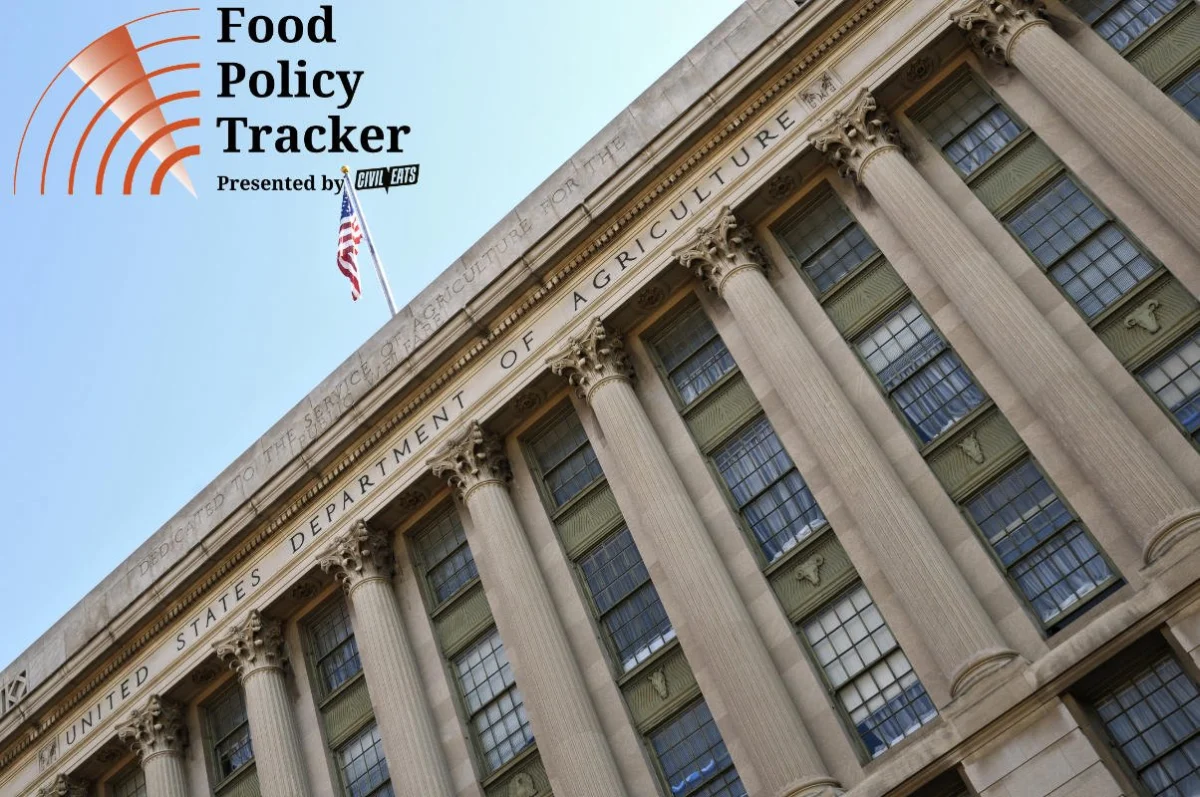
Washington D.C. – September 16, 2026 – A comprehensive new report from the Government Accountability Office (GAO) reveals that the federal government expended an unprecedented $9.5 billion on salary costs for employees on paid administrative leave in 2025. This staggering figure represents a sixfold increase from the $1.5 billion spent in 2023 and $1.7 billion in 2024, largely driven by the Trump administration’s aggressive initiatives to downsize the federal workforce. Agencies critical to food and agriculture, including the U.S. Department of Agriculture (USDA) and the Department of Health and Human Services (HHS), were among the top spenders in this controversial program.
The Scale of the Spending and the Deferred Resignation Program
The GAO’s findings, released this week, underscore a significant financial outlay tied directly to a specific policy designed to streamline federal operations. Approximately 75 percent of the $9.5 billion expenditure in 2025 was attributed to the "Deferred Resignation Program" (DRP). This program, initiated in early 2025 under the guidance of the Office of Personnel Management (OPM), encouraged federal employees to voluntarily separate from their positions in exchange for retaining their full salaries for several months post-departure. The DRP was presented as a mechanism to achieve substantial, long-term cost savings by reducing the overall size of the federal workforce.
For context, before the DRP’s widespread implementation, administrative leave typically covered situations such as investigations into employee misconduct, security clearance issues, or temporary absences for specific non-work-related duties. The dramatic surge in 2025 indicates a systemic shift, where paid leave became a primary tool for managed workforce reduction rather than an incidental necessity.
Background: The Trump Administration’s Mandate for Federal Downsizing

The genesis of the DRP and the broader push for federal workforce reductions can be traced back to the Trump administration’s overarching policy objective to "drain the swamp" and reduce the perceived bloat and inefficiency within the federal bureaucracy. Upon taking office, President Trump frequently criticized the size and scope of the federal government, advocating for a smaller, more agile workforce. This ideological stance was translated into concrete policy directives aimed at curtailing federal employment across various agencies.
The administration argued that a leaner government would not only save taxpayer money but also improve efficiency and accountability. Early signals included hiring freezes and mandates for agencies to identify positions for elimination. The DRP emerged as a key component of this strategy, offering a seemingly amicable way to achieve headcount reductions without resorting to large-scale involuntary layoffs, which can be legally complex and politically contentious.
Chronology of Workforce Reductions and DRP Implementation
The timeline of these events is crucial for understanding the program’s impact:
- Early 2025: The Office of Personnel Management (OPM), under the Trump administration, begins developing and formally directing federal agencies to implement the Deferred Resignation Program. This signals a concerted effort to leverage voluntary separation as a primary method for workforce reduction.
- Spring/Summer 2025: Leadership at key departments, including the USDA and HHS, actively encourages eligible employees to accept DRP offers. The terms typically involved employees agreeing to resign but continuing to receive their full salaries for a predetermined period, often several months, while no longer performing duties. This period was intended to bridge the gap for departing employees and facilitate a smoother transition out of federal service.
- Throughout 2025: The DRP drives significant reductions in staffing levels across the federal government. For instance, the USDA reported cutting its staff by approximately 20 percent over the year. Similarly, HHS, which oversees crucial entities like the Food & Drug Administration (FDA), saw an 18 percent reduction in its workforce. These reductions were among the most substantial seen in decades within these departments.
- Early 2026: Reports begin to surface from various agencies detailing the impact of these staff cuts, including increased workloads for remaining employees and challenges in delivering services.
- September 2026: The Government Accountability Office (GAO) releases its report, quantifying the financial cost of the DRP and paid administrative leave, prompting renewed scrutiny of the program’s effectiveness and long-term implications.
Impact on Critical Food and Agriculture Agencies
The GAO report specifically highlights the significant spending by agencies central to the nation’s food security and public health. Cumulatively between 2023 and 2025, the USDA spent $737 million on paid administrative leave, while HHS spent $748 million. Considering the overall spending patterns identified by the GAO, it is estimated that these two departments alone likely spent over $1 billion in 2025 on employees who were no longer actively working due to the DRP.

These figures place USDA and HHS among the top five agencies in terms of administrative leave spending, surpassed only by the Departments of Defense, Treasury, and Homeland Security. The Environmental Protection Agency (EPA), another crucial entity for agricultural and environmental policy, also reported substantial spending, with $233 million allocated from 2023 to 2025.
The impact of these workforce reductions on the operational capacity of these agencies has been a growing concern. The USDA, for example, has faced documented challenges. Staffing shortages, particularly in its county offices, have been linked to difficulties in effectively serving farmers, who rely on the department for crucial support, conservation programs, and disaster relief. Reports from early 2026 indicated that nearly 150 USDA county offices had no conservation staff, leading to concerns about the agency’s ability to implement vital land stewardship programs. An agency official acknowledged these issues before Congress in June 2026, stating that efforts were underway to hire more staff in farm and conservation offices but emphasizing the need for additional funding to reverse the trend of understaffing.
Within HHS, the 18 percent staff reduction has raised questions about the Food & Drug Administration’s (FDA) capacity to conduct inspections, approve new drugs and medical devices, and monitor food safety, all critical functions for public health. Experts and former agency officials have voiced concerns that such deep cuts could lead to a loss of institutional knowledge and hinder the agency’s ability to respond to emerging public health crises or regulate a complex and rapidly evolving industry.
OPM’s Justification Versus GAO’s Scrutiny
The Office of Personnel Management (OPM), the architect of the DRP, has steadfastly defended the program, arguing that the substantial initial investment in paid administrative leave will yield far greater savings in the long run. OPM’s leadership projected that the DRP would save the federal government more than $20 billion annually once the workforce reached its targeted smaller size. This rationale hinges on the principle that the one-time cost of separation pay is dwarfed by the permanent elimination of ongoing salary, benefits, and operational overhead for those positions.
However, the GAO report introduces a critical caveat to OPM’s optimistic projections. GAO analysts found a significant flaw in the design of the federal government’s payroll data system: it does not allow OPM to accurately calculate the actual long-term savings generated by the DRP. Without robust data infrastructure, OPM lacks a reliable mechanism to verify whether the anticipated $20 billion in annual savings will, in fact, materialize. The report explicitly recommended that OPM implement changes to its data system to enable more accurate calculation and tracking of potential savings in the future, highlighting a fundamental accountability gap.

Broader Implications and Future Outlook
The findings of the GAO report spark a broader debate about the efficacy and wisdom of rapid, large-scale federal workforce reductions, particularly when implemented through programs like the DRP.
- Government Efficiency vs. Capacity: While the stated goal was increased efficiency, the reality in many agencies, particularly USDA, suggests a trade-off. Reduced staff can strain remaining employees, potentially leading to burnout, slower service delivery, and a decline in institutional expertise. The loss of experienced personnel, especially in highly specialized fields like agricultural science or public health regulation, can have long-lasting consequences that outweigh short-term salary savings.
- Taxpayer Accountability: The $9.5 billion expenditure raises questions about the responsible use of taxpayer funds. While OPM promises future savings, the GAO’s inability to verify these claims creates an accountability vacuum. Taxpayers are left to trust that a significant upfront investment will eventually pay off, without a clear mechanism to track that return.
- Morale and Workforce Stability: Such programs can also impact the morale of the remaining federal workforce. Uncertainty about job security, increased workloads, and the perception of colleagues being paid not to work can lead to disengagement and a decline in overall productivity. This instability can also make it harder for agencies to attract new talent, exacerbating staffing shortages in the long term.
- Policy Precedent: The DRP sets a precedent for how future administrations might approach workforce management. The GAO’s recommendations for improved data collection are crucial not only for retrospective analysis but also for informing better policy design moving forward. Without a clear understanding of costs and benefits, similar programs could be implemented in the future with potentially unforeseen and negative consequences.
- Congressional Oversight: The report is likely to prompt increased scrutiny from Congress, particularly from committees responsible for appropriations and government operations. Calls for greater transparency and accountability regarding federal workforce policies and their financial implications are to be expected. Lawmakers may demand more robust data from OPM and detailed plans for addressing the operational gaps created by staff reductions.
In conclusion, the GAO’s report paints a complex picture of federal workforce management under the Trump administration. While the Deferred Resignation Program aimed to achieve significant cost savings through staff reductions, it came at a substantial immediate cost in paid administrative leave. The inability to accurately track long-term savings leaves a critical question mark over the program’s ultimate success, while the operational impacts on vital agencies like USDA and HHS underscore the tangible consequences of these policy decisions on public services. The findings serve as a stark reminder of the intricate balance between fiscal austerity and the imperative to maintain effective government functions.