admin
As extreme weather patterns become increasingly volatile across North America, the stability of the electrical grid has moved to the forefront of public safety concerns. From the "bomb cyclones" of the Midwest to the relentless nor’easters of the Atlantic coast, winter storms represent a dual threat to modern infrastructure: they simultaneously increase the demand for heating while physically endangering the transmission lines that provide it. According to data from the U.S. Energy Information Administration (EIA), weather-related events remain the leading cause of large-scale power interruptions, with the average duration of outages nearly doubling over the last decade. Consequently, proactive household preparation is no longer a luxury but a fundamental necessity for residential resilience.
The Context of Grid Vulnerability and Winter Extremes
The North American Electric Reliability Corporation (NERC) has frequently warned that large swaths of the continent face elevated risks of energy shortfalls during extreme cold snaps. This vulnerability is often exacerbated by "thermal forced outages," where power plants themselves fail due to freezing equipment. When the grid fails during sub-zero temperatures, the risks transition from mere inconvenience to life-threatening hazards, including hypothermia, carbon monoxide poisoning from improper heater use, and significant property damage from frozen plumbing.
To mitigate these risks, emergency management experts advocate for a multi-layered approach to preparedness. This involves not only the stockpiling of physical goods but also the hardening of the home’s thermal envelope and the establishment of redundant communication and heating systems.
Energy and Illumination: Establishing Redundancy
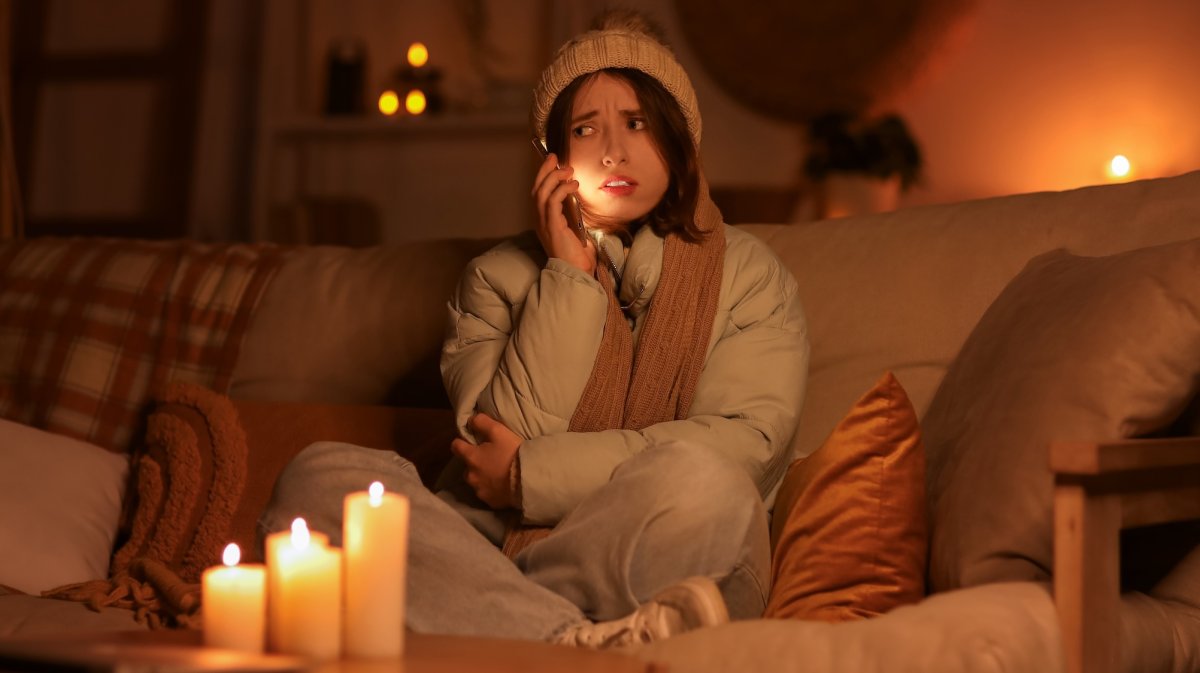
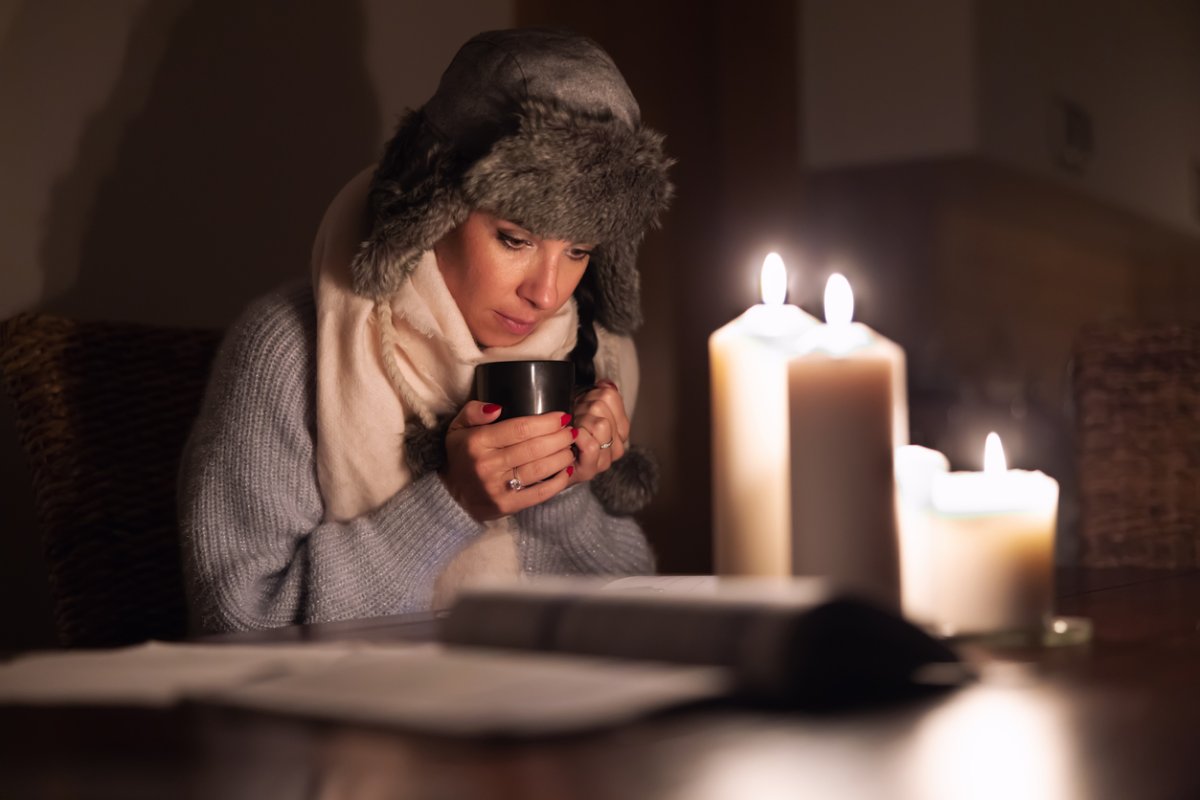
The primary challenge of a power outage is the loss of light and the ability to maintain electronic communication. Professional emergency kits must prioritize high-efficiency LED lighting over traditional incendiary options. While candles are a historical staple, the National Fire Protection Association (NFPA) warns that they are a leading cause of home fires during blackouts. Instead, households should maintain a diverse inventory of LED flashlights and lanterns, ensuring there is a dedicated light source for every family member.
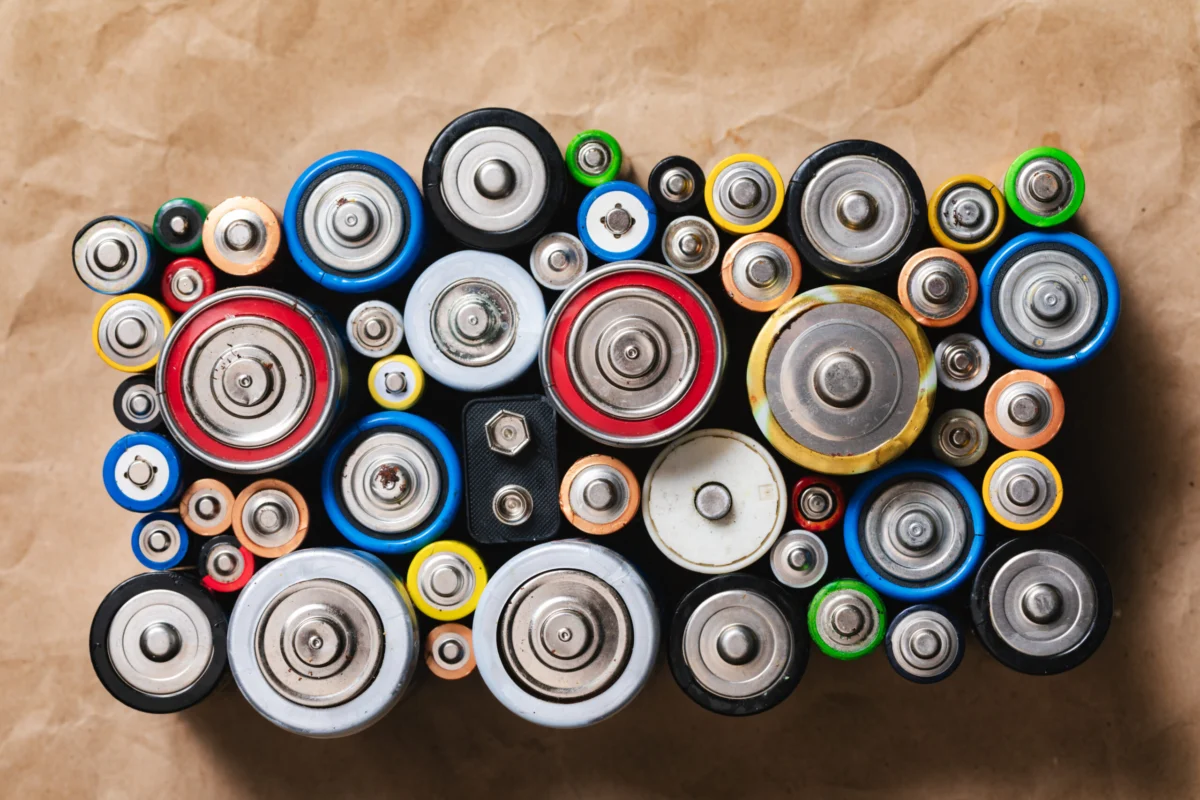
Battery management is equally critical. Alkaline batteries lose significant capacity in cold environments; therefore, storing them in a temperature-controlled area of the home is essential. For those utilizing rechargeable systems, maintaining a 100 percent charge throughout the winter season ensures readiness when a storm is forecasted. Furthermore, the integration of portable power stations—large-capacity lithium-ion batteries—has become a preferred modern alternative to gas generators for apartment dwellers and those seeking silent, indoor-safe power for small appliances and medical devices.
Thermal Regulation: Maintaining the Home’s Heat
When a furnace or boiler loses power, a home’s internal temperature can drop to dangerous levels within hours, depending on the quality of its insulation. Developing a "Plan B" for heating is perhaps the most critical aspect of winter survival. For homes equipped with gas fireplaces, homeowners should verify the presence of a battery-powered ignition backup, which allows the unit to operate without grid power.
Those relying on wood-burning stoves must ensure a seasoned supply of firewood is accessible and kept dry. However, the use of alternative heaters requires extreme caution. The Centers for Disease Control and Prevention (CDC) reports that over 400 Americans die annually from unintentional carbon monoxide (CO) poisoning, often linked to the improper indoor use of fuel-burning jemmy-rigged heaters or generators. Any indoor-safe propane heater must be explicitly rated for indoor use and accompanied by a working, battery-operated CO detector.

Infrastructure Hardening: The Role of Insulation
A home’s ability to retain heat is determined by its thermal envelope. Ahead of the winter season, homeowners should conduct a visual audit of windows and doors. The application of fresh caulk and the replacement of worn weatherstripping can reduce heat loss by as much as 10 to 15 percent.
For a more robust defense, increasing attic insulation to meet current R-value recommendations for cold climates can significantly delay the point at which a home becomes uninhabitable during an outage. In the immediate lead-up to a storm, simple measures such as using door draft stoppers and closing curtains at night can provide an additional layer of protection against the cold.

Subsistence and Water Security
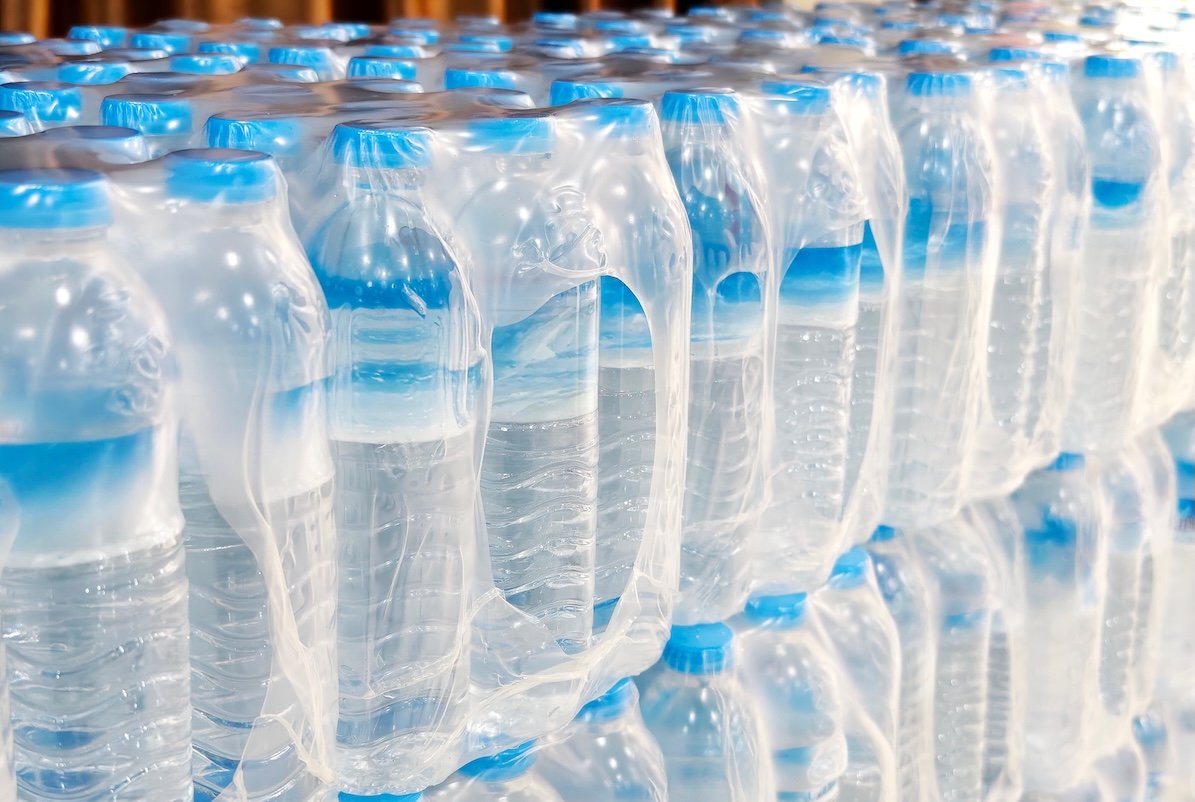
Water security is frequently overlooked in power outage planning, particularly for the millions of households reliant on well water. Because well pumps require electricity, a power failure immediately halts the supply of running water. Emergency management agencies recommend a minimum of one gallon of potable water per person, per day, for at least three to seven days.
Beyond drinking water, "utility water" is necessary for hygiene and sanitation. Filling bathtubs and washing machines prior to a storm provides a reservoir for manual toilet flushing. For municipal water users, while the flow may continue, a loss of power at treatment plants can sometimes lead to "boil water" advisories; thus, a secondary method of water purification, such as a camping filter or chlorine tablets, is a prudent addition to a kit.
Food safety also becomes a race against time. The U.S. Department of Agriculture (USDA) notes that a closed refrigerator will keep food safe for only four hours, while a full freezer can maintain its temperature for approximately 48 hours. Lowering the thermostat on these appliances 24 hours before a storm can "pre-chill" the contents, buying precious hours of safety.
Communication and Information Access
In a prolonged blackout, cellular networks can become congested or fail if backup generators at cell towers run out of fuel. Maintaining a corded landline phone—if the service is still active—can provide a communication lifeline that does not rely on home electricity.

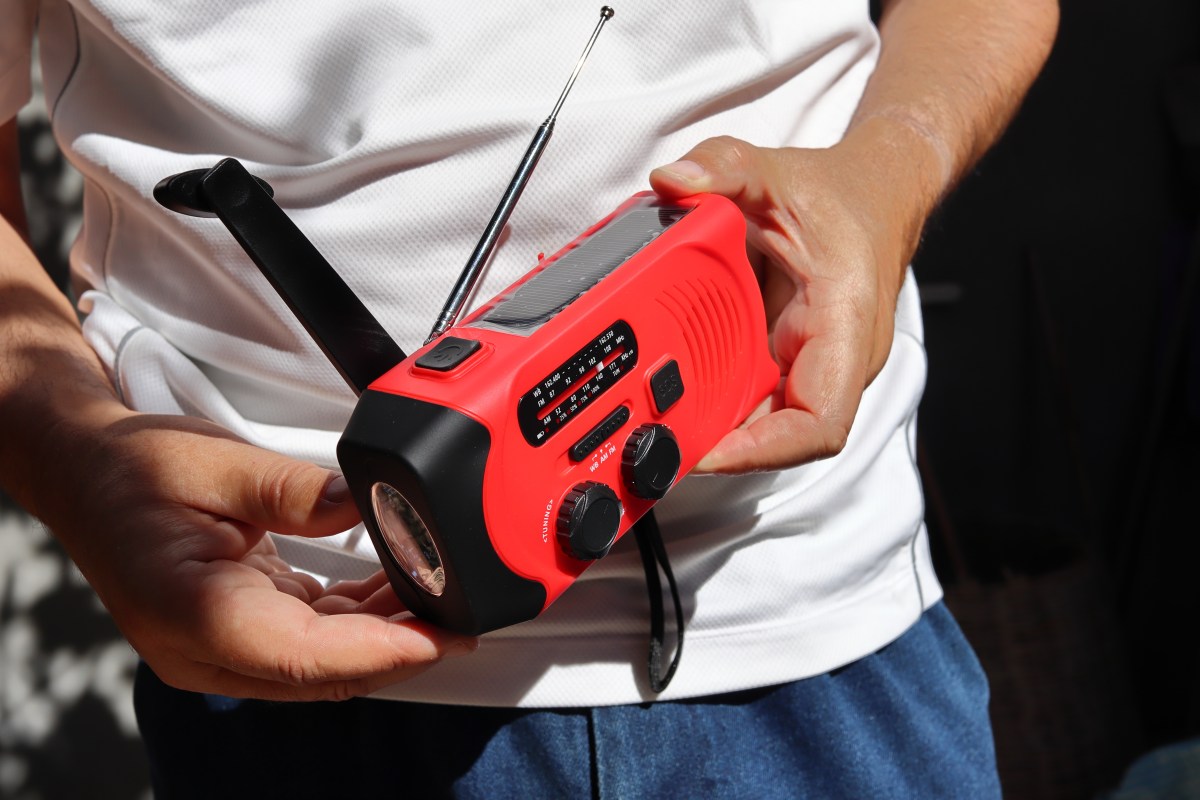
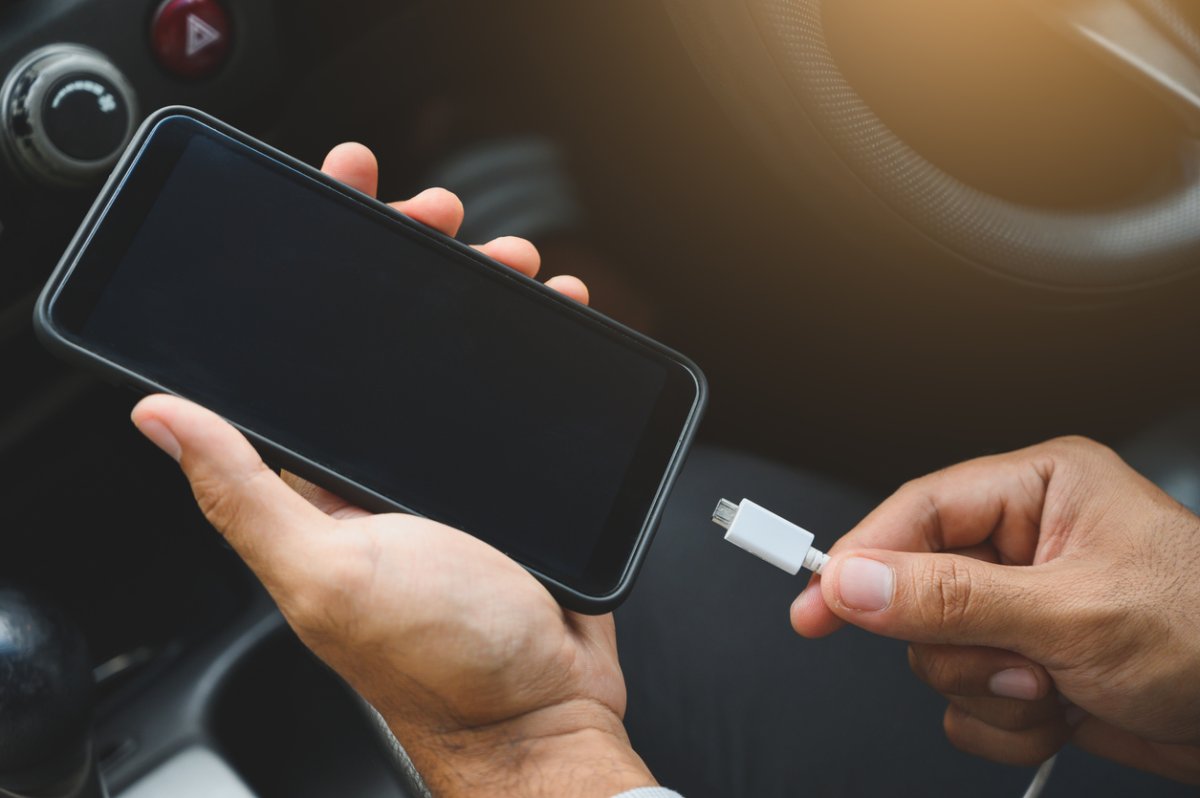
To preserve mobile phone battery life, car chargers are essential, provided the vehicle is parked in a well-ventilated area outside to avoid carbon monoxide buildup. For receiving critical updates from the National Weather Service, a dedicated emergency radio is indispensable. Modern units often feature "quad-power" options: solar panels, hand cranks, rechargeable batteries, and disposable alkaline backups. These devices ensure access to NOAA Weather Radio broadcasts, which provide real-time information on storm tracks and evacuation orders that may not be accessible via the internet.
Chronology of Preparedness: A Strategic Timeline
Expert consensus suggests that preparedness should follow a tiered timeline to ensure no critical steps are missed as a storm approaches.
Phase 1: Seasonal Maintenance (October – November)
- Inspect and service the primary heating system.
- Clean chimneys and wood stove flues.
- Audit and refresh the emergency kit (check expiration dates on food and batteries).
- Test and install smoke and carbon monoxide detectors on every floor.
Phase 2: Storm Watch (48–72 Hours Before Impact)
- Top off vehicle fuel tanks and spare gas cans for generators.
- Charge all portable electronic devices and power banks.
- Stock up on non-perishable, high-calorie foods that require no cooking.
- Verify the operation of all flashlights and the emergency radio.
Phase 3: Storm Warning (0–24 Hours Before Impact)
- Fill bathtubs and water containers.
- Set refrigerator and freezer to their coldest settings.
- Bring in additional firewood or fuel.
- Move emergency supplies to a central, easily accessible location.
Broader Implications: The Economic and Social Cost
The impact of winter power outages extends beyond individual discomfort. The economic toll of major outages in the United States is estimated to be between $20 billion and $55 billion annually. These costs manifest in lost productivity, spoiled inventory for businesses, and the massive expense of utility restoration.
Furthermore, there is a significant social equity component to outage resilience. Vulnerable populations, including the elderly and those with low incomes, often live in less insulated housing and may lack the financial resources to invest in backup power or bulk supplies. Community-level preparedness, such as the establishment of "warming centers" with backup generation, remains a vital component of municipal emergency planning.
Conclusion: The Path to Resilience
As the climate continues to shift, the probability of "unprecedented" winter events is likely to increase. Resilience in the face of these challenges is built on a foundation of information and preparation. By viewing a power outage not as a surprise but as an eventual certainty, homeowners can implement the technical and logistical redundancies necessary to protect their families and property. From the simple act of stocking batteries to the complex installation of a standby generator, every step taken today reduces the vulnerability of tomorrow. The transition from a reactive to a proactive stance is the most effective tool for navigating the cold and dark of a winter emergency.