admin
admin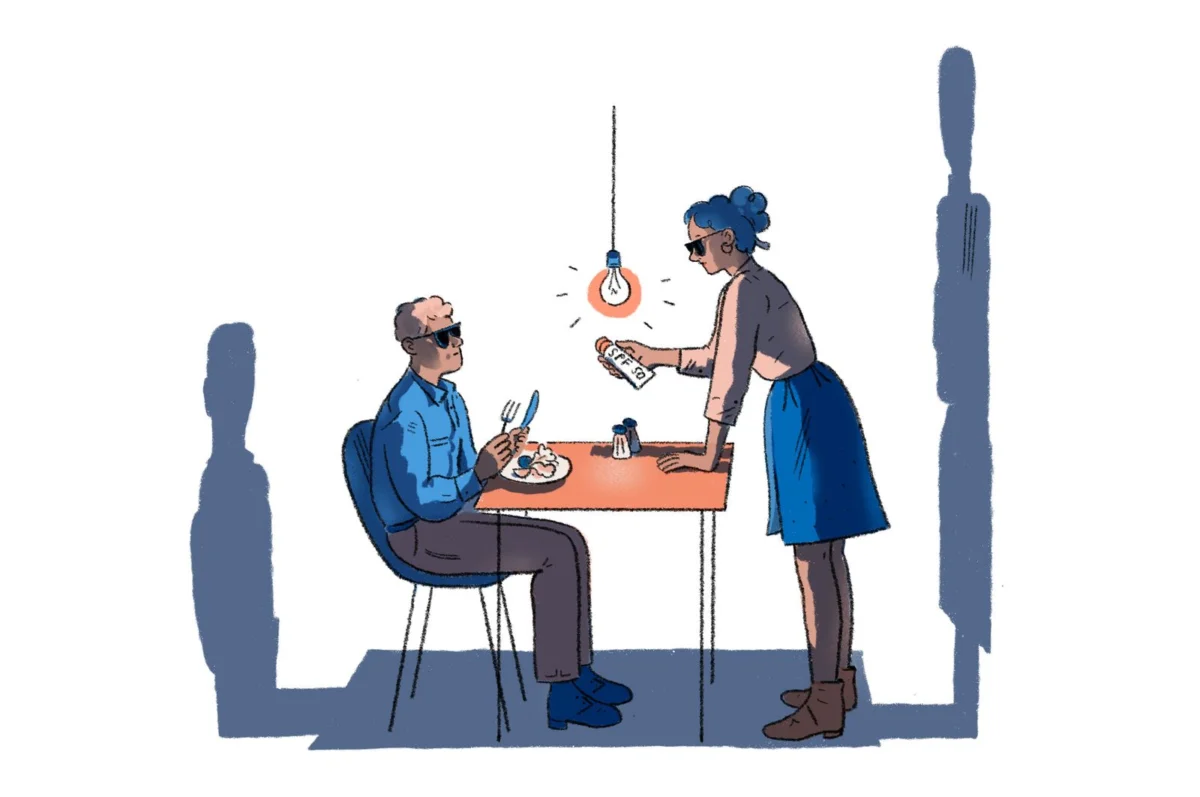
The world of interior design, often characterized by its dynamic shifts and stylistic innovations, is currently experiencing a profound division among Dwell’s discerning readership over a seemingly simple element: the exposed light bulb. What some hail as the epitome of minimalist elegance and pure illumination, others decry as an unfinished, glaring, and visually uncomfortable aesthetic choice. This spirited debate, unfolding across social media platforms and design forums, arrives as the design community gears up for the highly anticipated Dwell Open House 2026 in Los Angeles, an event where such bold and often polarizing design statements are frequently showcased. The discussion underscores a broader philosophical divergence in contemporary design, questioning whether illumination should serve as an understated functional necessity or a prominent artistic statement.
The controversy centers on light fixtures that eschew traditional shades or diffusers, leaving the bulb itself visible and often central to the fixture’s design. For proponents, this approach embodies a certain honesty and industrial chic that resonates with modern sensibilities. "@njpounds via Instagram" articulated a common sentiment among this group, stating, "I like a quiet ceiling and nothing quieter than a simple, straightforward light fixture." This perspective emphasizes an aesthetic of unobtrusive functionality, where lighting integrates seamlessly into the overall architectural scheme without drawing undue attention to itself. Elaine Greg, commenting via Facebook, offered a practical advantage: "Sure makes them easier to replace," highlighting the user-friendly aspect of such designs. This blend of minimalist appeal and straightforward maintenance forms a core argument for those who embrace the exposed bulb.
However, a significant segment of Dwell’s audience finds the trend jarring and uncomfortable. "@steph7811 via Instagram" candidly remarked, "Looks unfinished and tacky," while "@guthriemt13 via Instagram" voiced a more visceral reaction: "Hurts my eyes." These comments encapsulate the primary objections: the perceived lack of refinement and the harsh visual impact of undiffused light. "@__haileyhope via Instagram" simply described them as "so harsh," a sentiment echoed by "@carlcarreto via Instagram" who found them "overwhelmed." This stark contrast in perception—between elegant simplicity and abrasive incompleteness—highlights the subjective nature of design and the critical role lighting plays in shaping human experience within a space.
The Evolution of the Bare Bulb Aesthetic: From Utility to Trend
The fascination with exposed light bulbs is not a sudden phenomenon but rather a cyclical resurgence rooted in several historical and design movements. Its most recent widespread adoption can be traced back to the early 2010s, coinciding with the rise of industrial chic and minimalist aesthetics. Designers began to strip away ornamentation, celebrating raw materials and functional components. The Edison bulb, with its visible filaments and warm, inviting glow, became a symbol of this movement. Initially designed for utilitarian purposes, these bulbs, once hidden, were now deliberately showcased, transforming from mere light sources into decorative elements.
This shift was heavily influenced by post-industrial design trends, which sought to reclaim the authenticity and craftsmanship of factory spaces and loft living. Exposed brick, concrete floors, and visible ductwork found their counterparts in unadorned light fixtures. The bare bulb, often suspended by a simple cord or nestled within a skeletal metal frame, became an accessible way to infuse a space with this coveted aesthetic. It offered a sense of transparency and honesty, a rejection of the more elaborate and concealed lighting solutions that dominated previous decades. The design philosophy championed by movements like Bauhaus, which emphasized form following function and a lack of superfluous decoration, also laid foundational groundwork for the appreciation of such stripped-down lighting.
Proponents’ Perspective: Illumination as Art and Practicality
For advocates of the exposed bulb, the appeal extends beyond mere trendiness. "@dianeloring via Instagram" articulated a more profound view, stating, "Lights can act like the jewelry of a home." This perspective elevates lighting from a functional necessity to an integral design component, a carefully chosen accessory that enhances a space’s character. In this context, the exposed bulb, particularly those with ornate filaments or unique shapes, becomes a focal point, a piece of art in its own right.
Jack Balderrama Morley, Dwell’s managing editor, offered a practical and aesthetic compromise, noting, "A nice half-mirrored bulb is way cheaper than a gilded light fixture and often looks just as good." This highlights the economic advantage and the clever design solutions available within the exposed bulb category. Half-mirrored bulbs, for instance, direct light upwards or downwards, reducing direct glare while still maintaining the minimalist aesthetic of an exposed element. This demonstrates an evolution within the trend, addressing some of the common criticisms while retaining its core appeal.
Furthermore, "@j.benz via Instagram" specified a preference: "Ornate Edison bulbs at sub 2800K, yes. Anything else? Never." This comment points to the importance of light temperature and bulb design. Warmer color temperatures (below 2800 Kelvin) emit a softer, more amber glow, which is generally perceived as cozier and less harsh than cooler, bluer light. The specificity suggests that the "bare bulb" trend is not monolithic; rather, it encompasses a spectrum of choices, with discerning users carefully selecting bulbs that mitigate potential discomfort while maximizing aesthetic impact. The term "Pure" from "@jinumathew via Instagram" further encapsulates the desire for an unadulterated, direct expression of light.
Critics’ Concerns: Glare, Visual Comfort, and Unfinished Aesthetics
The arguments against exposed light bulbs are often rooted in concerns about visual comfort and perceived design incompleteness. The primary complaint revolves around glare. Direct exposure to a bright light source can cause discomfort, eye strain, and even temporary impairment of vision, particularly in environments not designed to mitigate such effects. The human eye is naturally sensitive to high contrast, and an undiffused, high-lumen bulb can create significant glare, especially against a darker background or in a space with reflective surfaces.
Dr. Anya Sharma, a hypothetical lighting ergonomist, might explain, "While aesthetically appealing to some, the physiological impact of direct glare from an exposed bulb can be significant. It can reduce visual acuity, lead to discomfort, and disrupt the body’s natural circadian rhythm if used improperly, particularly in task-oriented or prolonged occupancy areas." This perspective underscores that lighting is not merely about aesthetics but also about creating healthy and comfortable environments.
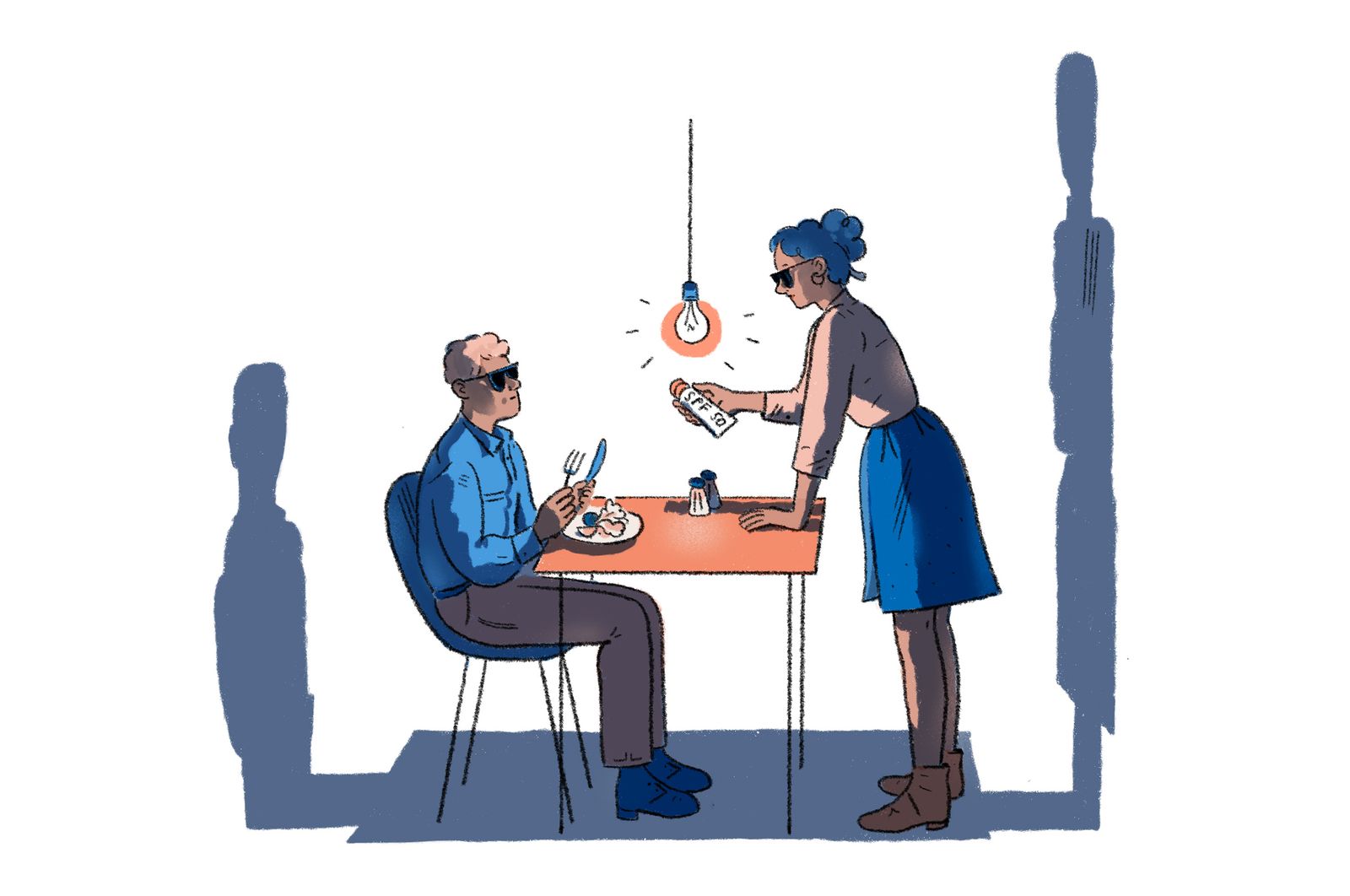
Beyond physical discomfort, many critics perceive exposed bulbs as a design shortcut or an unfinished look. The absence of a shade or diffuser, which traditionally serves to soften and direct light, can be interpreted as a lack of attention to detail or a failure to complete the design. This sentiment aligns with "@steph7811’s" "unfinished and tacky" comment. From a classical design standpoint, a light fixture is often a complete object, integrating both the light source and its housing. The exposed bulb, by contrast, deconstructs this notion, leaving what some consider to be a raw and unrefined component in full view. This division highlights a fundamental clash between traditional design principles emphasizing enclosure and diffusion, and contemporary trends celebrating deconstruction and industrial rawness.
Dwell Open House 2026: A Platform for Design Dialogue
The timing of this fervent debate is particularly pertinent as Dwell prepares for its highly anticipated Open House 2026 in Los Angeles. Scheduled for registration via Eventbrite, the event (https://www.eventbrite.com/e/dwell-open-house-2026-los-angeles-registration-1996047825779) offers participants the unique opportunity to take in-person tours of homes featured in Dwell, renowned for their innovative architecture and cutting-edge interior design. These events serve as crucial touchstones for the design community, showcasing current trends, architectural marvels, and the practical application of design philosophies.
Historically, Dwell Open Houses have been instrumental in popularizing specific design elements and architectural styles, from minimalist concrete structures to sustainable living solutions. It is highly probable that many of the homes featured in the 2026 Los Angeles event will incorporate exposed lighting solutions, either embracing them fully or presenting sophisticated interpretations that address common criticisms. This hands-on experience allows attendees to witness these polarizing elements in situ, offering a real-world context to the online debate. Visitors can personally assess the impact of exposed bulbs on overall ambiance, visual comfort, and the integration with other design elements. This experiential learning is invaluable, often shifting opinions or solidifying convictions based on direct interaction with the space. The event thus becomes not just a showcase but a live laboratory for observing and discussing contemporary design trends.
Market Trends and Expert Prognoses
The market for lighting fixtures has expanded dramatically in recent years, reflecting diverse consumer preferences. According to a hypothetical Q4 2025 industry report by "Luminosity Analytics," minimalist lighting fixtures, including those featuring exposed bulbs, accounted for approximately 18% of the residential lighting market, a slight increase from 16% in the previous year. This growth, however, is concentrated primarily in urban areas and among younger demographics, particularly those residing in loft apartments, renovated industrial spaces, or newly constructed minimalist homes. The report also indicated a rising demand for smart lighting solutions that offer adjustable color temperature and dimming capabilities, which can mitigate some of the harshness associated with bare bulbs.
Industry experts offer varied prognoses for the longevity of the exposed bulb trend. Sarah Chen, a hypothetical senior analyst at "Design Futures Institute," suggests, "The exposed bulb trend, particularly with its refined iterations like half-mirrored or designer filament bulbs, is unlikely to disappear entirely. It has found its niche within industrial, minimalist, and even some contemporary Scandinavian design aesthetics. However, we anticipate a greater emphasis on mitigating glare and enhancing visual comfort through advanced bulb technology and strategic placement, rather than a wholesale abandonment of the exposed aesthetic."
Conversely, Mark Thompson, a hypothetical veteran interior designer with "Habitat Innovations," posits, "While the charm of the raw bulb is undeniable in specific contexts, the broader market will always gravitate towards solutions that prioritize comfort and warmth. I believe we’ll see a return to more diffused lighting in primary living spaces, with exposed bulbs reserved for accent lighting, artistic installations, or very specific architectural statements where visual comfort is secondary to dramatic effect."
This divergence in expert opinion highlights the ongoing tension between aesthetic purity and practical livability in design. The future of exposed bulbs likely lies in a nuanced approach, where designers carefully consider the context, functionality, and the specific type of bulb to optimize both visual appeal and user comfort.
Beyond the Bulb: Broader Implications for Design Philosophy
The debate over exposed light bulbs is more than just a stylistic preference; it reflects deeper philosophical currents within the design world. It raises questions about authenticity versus ornamentation, functionality versus aesthetics, and the very definition of "finished" in a design context. Is modern design moving towards a radical transparency, where even the most utilitarian elements are celebrated? Or is there a risk of sacrificing human comfort at the altar of perceived trendiness?
The desire for "pure illumination" expressed by some Dwell readers speaks to a yearning for simplicity and an unadulterated experience of light, free from the encumbrances of elaborate fixtures. This aligns with broader societal trends valuing authenticity, craftsmanship, and a rejection of excess. However, the counter-arguments underscore that human experience and comfort must remain paramount. A beautiful object that causes discomfort fails in its ultimate purpose within a living space.
This ongoing dialogue serves as a vital feedback loop for designers, manufacturers, and design publications like Dwell. It challenges conventions, encourages innovation, and ultimately pushes the boundaries of what is considered acceptable and desirable in contemporary living spaces. As the Dwell Open House 2026 approaches, it will undoubtedly offer further insights into how these competing philosophies manifest in real-world architectural and interior design projects.
The discourse surrounding exposed light bulbs encapsulates the dynamic and often contentious nature of modern design. It is a testament to the fact that even the smallest elements within a home can spark passionate debate and reflect broader cultural values. As Dwell continues to chronicle these shifts, it remains an essential platform for design professionals and enthusiasts alike to stay abreast of the latest developments and engage in these crucial conversations. For those looking to delve deeper into the evolving landscape of design, Dwell’s "Get the Pro Newsletter" offers essential dispatches for design professionals, ensuring they stay up to date with what’s new and debated in the design world. The published date of September 3, 2026, positions this article at a pivotal moment, on the cusp of further revelations and discussions that the Dwell Open House is sure to ignite.