admin
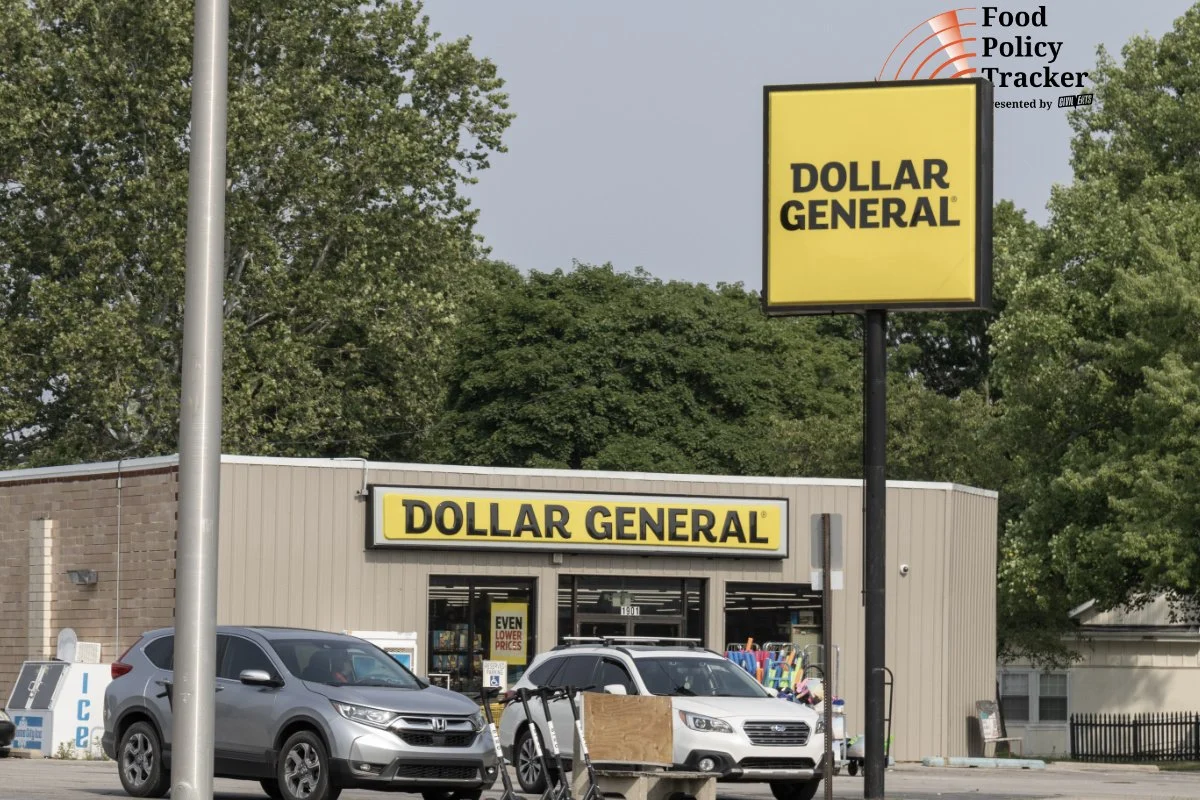
The Federal Trade Commission (FTC), alongside a coalition of 20 states, filed a comprehensive lawsuit yesterday against the Dollar General Corporation, alleging a long-standing pattern of charging customers prices higher than those displayed on shelves. This legal action, initiated on October 28, 2026, marks a significant escalation in regulatory scrutiny over pricing practices at one of the nation’s largest discount retailers, whose operations span more than 21,000 stores across the country, often serving as the primary or sole retail option in many rural and underserved communities.
Allegations of Systemic Overcharging and Consumer Harm
The complaint, publicly released by the FTC, asserts that Dollar General has knowingly engaged in deceptive pricing practices for years, leading to tens of thousands of customer complaints. These grievances consistently highlight discrepancies between the advertised or shelf price of products and the higher price charged at the register. Crucially, the lawsuit contends that despite being aware of these widespread issues, Dollar General failed to implement effective measures to rectify the problem, allowing the alleged overcharges to persist.
The filing underscores the disproportionate impact of such practices on vulnerable populations. "The consequences of these overcharges fall most heavily on shoppers living on razor-thin margins—families who carefully budget every dollar and rely on accurate, transparent pricing simply to meet their day-to-day needs," the complaint states, drawing attention to the economic realities faced by many Dollar General patrons. For individuals and families struggling with tight budgets, even small discrepancies can significantly impact their ability to afford essential goods, potentially forcing difficult choices between necessities.
Dollar General’s Ubiquitous Presence and Market Role

Dollar General’s business model is predicated on offering everyday low prices, often locating stores in areas where larger supermarkets or other retail chains are absent. This strategy has led to its extensive footprint in rural areas and designated "food deserts," places characterized by limited access to affordable and nutritious food. In these communities, Dollar General frequently serves not just as a convenience store, but as a critical, if sometimes insufficient, source for groceries, household items, and other essentials. Its rapid expansion, with thousands of new stores opening annually, has solidified its position as a dominant force in discount retail, making its pricing integrity particularly vital for a substantial segment of the American populace.
The company’s sheer scale, with over 21,000 locations, means that any systemic issue in its operations can affect millions of consumers. While offering convenience, its limited fresh produce and reliance on packaged goods also place it at the center of ongoing discussions about food access and health equity in underserved regions. The lawsuit’s focus on price accuracy directly challenges the implicit trust consumers place in a retailer that often acts as their community’s lifeline for basic provisions.
A History of Prior Enforcement Actions
This current lawsuit is not an isolated incident but rather the culmination of years of complaints and prior enforcement actions against Dollar General concerning its pricing practices. Between 2019 and 2026, the company entered into settlements with six state attorneys general and consumer protection agencies over similar allegations of mislabeled products and scanning errors. These earlier actions resulted in Dollar General paying a cumulative total of $6 million in penalties, signaling a pattern of behavior that regulators contend has not been adequately addressed.
The timeline of these previous settlements suggests a recurring challenge for the retailer in maintaining consistent price accuracy across its vast network of stores. Despite these financial penalties and commitments to improve, the FTC and the coalition of states argue that the problems have persisted, indicating a fundamental failure in the company’s internal controls or a deliberate disregard for consumer protection laws. This history of non-compliance forms a critical part of the new complaint, painting a picture of a company that has repeatedly failed to live up to its legal obligations regarding transparent pricing.
The Coalition of States Joining the Lawsuit

The breadth of the current legal challenge is underscored by the number of states that have joined the FTC in this action. The coalition includes: Alabama, Arizona, Arkansas, California, Connecticut, Florida, Illinois, Iowa, Kansas, Louisiana, Michigan, Mississippi, Nebraska, New Jersey, North Carolina, Ohio, Oklahoma, Tennessee, Utah, and Wisconsin. This multi-state involvement highlights the widespread nature of the alleged issues, indicating that consumer complaints regarding Dollar General’s pricing inconsistencies are not localized but rather span across diverse geographic regions and demographic profiles. The unified front presented by these states and the federal agency signifies a strong commitment to enforcing consumer protection laws against practices deemed unfair and deceptive.
Dollar General’s Defense and Reaction
In response to the lawsuit, Dollar General issued a public statement through its news center, disputing the claims and expressing surprise at the legal action. The company asserted that it has, in recent years, "enhanced its price accuracy process" as part of an ongoing commitment to its customers. According to Dollar General, it became aware of the FTC’s investigation in early February 2026 and had cooperated fully throughout the inquiry.
The statement further detailed that after receiving what it characterized as an "unrealistic settlement offer" in September, the company had responded with a counter-offer. Given these ongoing negotiations, Dollar General expressed astonishment at the decision by the FTC and the states to proceed with a lawsuit. This suggests a breakdown in communication or an inability to reach common ground during pre-litigation discussions, leading to the formal legal battle. The company’s defense will likely center on the effectiveness of its recent improvements in pricing systems and a denial of intentional deception, potentially attributing discrepancies to isolated errors rather than systemic failure.
Broader Economic Context and Consumer Sentiment
The timing of this lawsuit is particularly salient, coinciding with a period of heightened economic anxiety for many Americans. As midterms approach, issues of food prices, inflation, and overall affordability are central concerns for voters. Reports indicate that consumers are increasingly worried about their purchasing power, with rising costs impacting household budgets across the country. In this climate, allegations of overcharging by a discount retailer like Dollar General resonate deeply, especially given its role in providing essential goods to budget-conscious shoppers.

The public’s sensitivity to price accuracy is amplified when every dollar counts. Consumer trust in retailers is fragile, and allegations of systemic overcharging can quickly erode that trust, leading to broader calls for stronger regulatory oversight. This lawsuit, therefore, is not merely about specific pricing errors but taps into a larger national conversation about corporate accountability, consumer rights, and the fairness of market practices, particularly when those practices affect the most economically vulnerable segments of society.
Implications for Dollar General and the Retail Sector
Should the FTC and the states prevail in their lawsuit, the implications for Dollar General could be substantial. Beyond significant financial penalties, which could far exceed the $6 million paid in previous settlements, the company could face court-mandated injunctions requiring extensive overhauls of its pricing systems, internal audits, and staff training protocols. Such measures would aim to prevent future pricing discrepancies and ensure consistent compliance across its vast store network. The reputational damage from being publicly labeled as a persistent overcharger could also have long-term effects on customer loyalty and public perception, potentially impacting sales and market share.
For the broader retail industry, this lawsuit sends a clear message about the unwavering commitment of federal and state regulators to enforce price accuracy. Discount retailers, in particular, who often cater to consumers seeking the lowest possible prices, may face increased scrutiny. This could prompt other chains to proactively review and strengthen their own pricing integrity measures, invest in better technology, and enhance employee training to avoid similar legal challenges. The case may also lead to greater awareness among consumers regarding their rights and empower them to report pricing discrepancies, fostering a more vigilant retail environment.
Moreover, the outcome of this lawsuit could influence future regulatory approaches to businesses operating in food deserts and rural areas. If a primary provider of goods in these communities is found to be systematically overcharging, it raises questions about equitable access to fair pricing and the potential for exploitation where competition is limited. This could lead to policy discussions aimed at ensuring that essential retailers uphold the highest standards of transparency and fairness, especially when serving populations with limited alternatives.
In conclusion, the lawsuit against Dollar General represents a critical juncture in consumer protection enforcement. It highlights the ongoing struggle to ensure fair pricing for all, particularly for those on tight budgets, and underscores the significant responsibility that large retailers bear when operating as essential service providers in countless communities across the nation. The outcome will undoubtedly set a precedent for corporate accountability and consumer rights in the evolving landscape of American retail.