admin
admin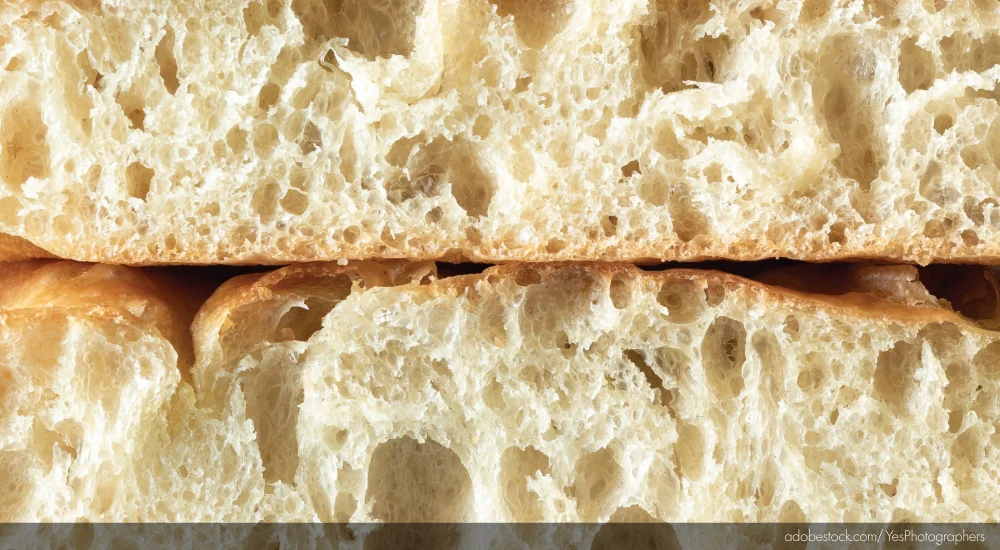
The contemporary pizza landscape has witnessed an escalating fascination with dough hydration, transforming what was once a technical detail into a central talking point among both professional pizzaiolos and enthusiastic home cooks. This intense focus, often characterized by a competitive drive to achieve increasingly higher hydration percentages, has inadvertently overshadowed the profound benefits and historical significance of lower hydration doughs. While the pursuit of airy, open-crumb structures through high hydration has its merits and has pushed certain stylistic boundaries, a closer examination reveals that many traditional and highly successful pizza styles owe their distinct characteristics and operational efficiencies to doughs with significantly less water. This phenomenon, which can be traced through the evolution of pizza making, underscores a potential oversight in modern practice—one that may be limiting the versatility and historical authenticity of pizzas produced today.
The Rise of Hydration Obsession: A Modern Phenomenon
For decades, the art of pizza making was passed down through practice, intuition, and experience, with specific techniques often guarded as trade secrets. However, the advent of digital information sharing, coupled with a burgeoning interest in culinary science, has democratized knowledge and fostered a new culture of open discussion. This transparency, while largely beneficial, has also contributed to a singular focus on certain metrics, with dough hydration emerging as a prime example. At pizza events and online forums, the question, "What is your dough hydration?" frequently precedes inquiries about name or origin, signaling its perceived importance as a benchmark of skill. This trend has not only influenced professional discourse but has also permeated the home cooking community, with enthusiasts delving deep into the science of flour and water ratios. While this shared pursuit of knowledge undeniably propels the industry forward, it also risks creating a narrow perception of what constitutes "good" pizza dough, often privileging the visually striking open crumb associated with high hydration.
Historical Roots and Traditional Practices
To understand the current dynamic, it is essential to revisit the historical context of pizza dough. Many foundational pizza styles, particularly those that emerged from humble origins, were developed with lower hydration doughs. Pizza, as a "poor man’s food" in its inception in Naples, necessitated the judicious use of every ingredient, including water. Resources were often scarce, and simplicity in preparation was paramount. Traditional Neapolitan pizza, as codified by organizations like the Associazione Verace Pizza Napoletana (AVPN), typically specifies hydration levels ranging from 55% to 62%. While not overtly "low," these figures are considerably lower than the 70%, 80%, or even 90%+ hydrations explored by some contemporary artisans.
As pizza migrated and evolved, particularly in the United States, lower hydration continued to be a hallmark of many iconic regional styles. American pizza traditions, such as the classic New York-style slice, the sturdy Chicago deep dish, and the thin-crust tavern-style pizzas prevalent in the Midwest, frequently relied on doughs in the high 50s and low 60s hydration range. These doughs were robust, easy to handle in high-volume settings, and provided the structural integrity necessary for their specific toppings and cooking methods. For instance, the renowned Chicago tavern-style dough, as described by experts like Leo Spizzirri, often started around 48% to 50% hydration, sometimes drying further to approximately 45% during storage on sheet pans. This extreme low hydration was not a flaw but a deliberate characteristic that enabled incredible speed and consistency in operations producing thousands of pizzas daily.
The Scientific Underpinnings of Low Hydration Doughs
Understanding the properties of low hydration dough requires a grasp of fundamental dough science. Water is an indispensable component in dough development, acting as a solvent for yeast and enzymes, and facilitating gluten formation. However, the quantity of water significantly alters the dough’s rheological properties and the kinetics of fermentation.
Gluten Development and Structure: In lower hydration doughs, the reduced amount of water means that the flour proteins (glutenin and gliadin) have less liquid to fully hydrate. This makes initial gluten formation more challenging and requires more mechanical energy during mixing. Consequently, the gluten network formed is tighter and more resistant to stretching, with less extensibility. While this might sound disadvantageous, it results in a dough that is less slack, easier to handle, and maintains its shape well. This tighter gluten structure also means that less carbon dioxide, produced during fermentation, is retained within large pockets, leading to a finer, more uniform crumb with smaller alveoli (air cells). This contrasts sharply with the large, irregular alveoli often sought in high-hydration, open-crumb styles.
Fermentation Kinetics: The rate of fermentation is directly influenced by water availability. With less water, enzymatic activity and the metabolic processes of yeast and bacteria proceed more slowly. This translates to a longer, more controlled fermentation period. While a slower fermentation might require more planning, it can also contribute to a deeper, more complex flavor profile as various byproducts accumulate over an extended period. The "waterways" analogy holds true here: just as a lower river level slows down a floating object, reduced hydration slows the internal processes within the dough.
Mixing Requirements: The initial resistance of low hydration doughs necessitates robust mixing equipment. Planetary mixers, which impart significant friction and shear forces, became the mixer of choice in many early 20th-century American pizzerias precisely because they could effectively develop the tighter gluten structures required for these doughs. Modern spiral mixers can also handle these doughs efficiently, but the principle remains: adequate mechanical work is crucial for proper development.
Operational Efficiencies in High-Volume Environments
For commercial pizza operations, particularly those with high throughput, the practical advantages of lower hydration doughs are substantial.
Consistency and Scalability: In a busy pizzeria, where hundreds or even thousands of pizzas are produced daily, consistency is paramount. Lower hydration doughs are inherently more forgiving and stable. They are less susceptible to ambient temperature fluctuations and humidity changes, which can quickly destabilize high hydration doughs, making them sticky or over-proofed. This robustness allows for a wider "working window," meaning the dough remains manageable for longer, reducing waste and ensuring uniform product quality throughout a busy shift. The example of Giordano’s producing 1,200 pizzas daily highlights how crucial this stability is in high-pressure environments.

Handling and Machinability: Low hydration doughs are significantly easier to handle by hand or with machinery. They are less sticky, reducing the need for excessive dusting flour, which can burn in the oven and impart an undesirable bitter taste to the crust. They are ideal for running through dough sheeters, maintaining their shape without excessive "snap back" (though some resistance is normal if the dough is cold or underdeveloped). Forming dough balls is quicker and less messy, contributing to increased efficiency on the prep line. For operations relying on staff with varying levels of experience, a drier, more manageable dough simplifies training and minimizes errors.
Reduced Cooking Time and Enhanced Crust Performance: One of the most critical benefits in a fast-moving kitchen is the reduced cooking time. With less moisture to evaporate, lower hydration doughs cook faster and are far less prone to developing a "gum line"—that undesirable layer of undercooked dough just beneath the toppings. This characteristic directly translates to quicker oven turnover and a reduced risk of soggy crusts, even in high-temperature, rapid-cook ovens. The final texture also benefits: while high hydration can achieve a thin, delicate crisp (like a Saltine cracker or croissant), lower hydration yields a denser, sturdier crisp, often compared to a Ritz cracker. This robust crisp provides excellent structural integrity, supporting heavier toppings without collapsing and reheating exceptionally well, making it a favorite for takeout and delivery.
Challenging Social Media Aesthetics and Misconceptions
The rise of visual platforms like Instagram has profoundly influenced culinary trends, and pizza is no exception. The "money shot" of an exaggeratedly open, airy crumb has become an aspirational image, inadvertently creating a bias against doughs that produce a tighter, more uniform structure. This visual preference often overlooks the functional and historical reasons behind different crumb structures. The perception that a smaller, tighter crumb indicates "bad" pizza is a significant misconception, often perpetuated by those who may not fully understand the complex science of dough or the diversity of traditional pizza styles.
This aesthetic bias extends to crispiness. While high hydration doughs can achieve a crisp crust, doing so consistently in a high-volume commercial setting requires extremely precise oven temperatures and cook times. Any deviation can quickly lead to a chewy or soggy result. Lower hydration doughs, by virtue of their reduced moisture content, offer a more reliable path to crispness, albeit a different kind of crispness. It’s a sturdiness that delivers toppings effectively and provides a satisfying "bite" without being overly dry, provided the oven heat and cook time are appropriately balanced. Over-baking a dry dough can indeed lead to an unpleasantly hard and dry pizza, emphasizing the need for skilled execution regardless of hydration level.
Broader Implications and a Call for Reappraisal
The prevailing focus on high hydration has, in some respects, led to a homogenization of pizza ideals, potentially stifling innovation within the broader spectrum of dough possibilities. Reappraising lower hydration doughs is not about retreating from progress but about embracing the full breadth of pizza-making techniques and understanding their specific applications and advantages.
Market Diversification: By mastering lower hydration techniques, pizzaiolos can expand their repertoire, cater to diverse customer preferences, and offer unique textural experiences that stand apart from the dominant high-hydration trend. This allows for greater market diversification and the revival of classic styles that might otherwise be overlooked.
Operational Optimization: For new pizzerias or those looking to scale up, understanding the efficiencies offered by lower hydration doughs can be critical for success. They offer a pathway to consistent, high-quality production even under demanding operational conditions, potentially reducing labor costs and food waste.
Preservation of Culinary Heritage: Recognizing the value of lower hydration doughs also serves to honor and preserve the rich culinary heritage of pizza. Many traditional styles, born out of necessity and ingenuity, rely on these doughs for their authentic character. A deeper understanding fosters respect for these historical foundations rather than dismissing them as outdated.
In conclusion, while high hydration doughs are deservedly having their moment in the sun, it is imperative that the pizza community—from artisan bakers to industrial producers—not overlook the myriad benefits of their lower hydration counterparts. These doughs offer unparalleled consistency, operational efficiency, and a distinct textural profile that has defined countless beloved pizza styles for generations. Moving forward, a balanced perspective that appreciates the science and artistry across the entire hydration spectrum will undoubtedly lead to a richer, more diverse, and ultimately more delicious future for pizza. Perhaps, as the author Laura Meyer speculates, a viral "crumb shot" of a perfectly executed, tighter-crumbed pizza will indeed spark a renaissance for low hydration, reminding us that true mastery lies in understanding and utilizing every tool in the pizzaiolo’s arsenal.
Laura Meyer is the owner of Pizzeria da Laura in Berkeley, California, and a respected voice in the pizza community, advocating for a holistic understanding of dough dynamics.