admin
admin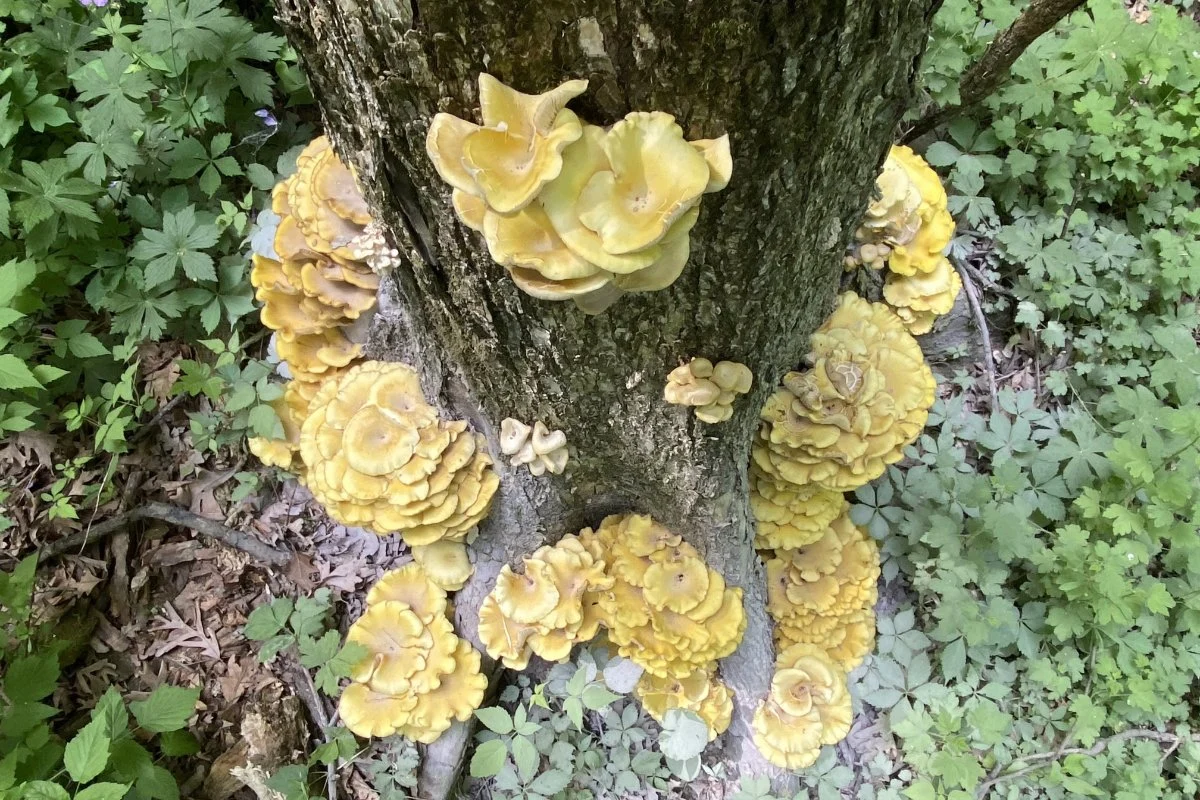
The growing popularity of golden oyster mushrooms ( Pleurotus citrinopileatus), a prized edible fungus, has inadvertently led to a silent ecological invasion across North America, prompting concerns among scientists and conservationists. While the safety of foraging wild mushrooms remains a complex issue, highlighted by recent outbreaks of poisonings in states like California, the golden oyster presents a different kind of threat: its unchecked spread in non-native environments. This vibrant, cashew-flavored mushroom, once confined to the hardwood forests of Russia, China, and Japan, where it plays a vital role in decomposition, is now a widespread invasive species in at least 25 U.S. states and one Canadian province, challenging native fungal communities and exposing significant blind spots in existing invasive species regulations.
From East Asian Decomposer to North American Invader
Native to the temperate and subtropical forests of East Asia, Pleurotus citrinopileatus naturally thrives on dead hardwood, where its primary ecological function is the breakdown of lignin and cellulose. This process is crucial for nutrient cycling, as it facilitates the decomposition of fallen logs, returning essential elements to the soil and supporting forest health. Its striking golden caps and delicate texture have long made it a sought-after edible mushroom in its native range.
The journey of the golden oyster mushroom to North America began in the early 2000s, driven by the burgeoning interest in gourmet fungi. Commercial growers in the United States started importing Asian-bred strains, recognizing the mushroom’s robust growth characteristics, perceived health benefits, and appealing flavor profile. Its ease of cultivation and rapid fruiting cycles made it an attractive option for both large-scale commercial operations and amateur home growers. The market for specialty mushrooms has seen significant growth over the past two decades, with an estimated global market value in the billions of dollars, a trend that only amplified the demand for readily cultivable species like the golden oyster.
However, this commercial success story soon developed an unforeseen ecological downside. Over the years, the highly adaptable and vigorous commercial strains of golden oyster mushrooms inevitably escaped cultivation. Whether through airborne spores carried by wind from large farms, improper disposal of grow kits by hobbyists, or intentional outdoor inoculation of logs, the fungus established itself in wild North American forests. Its ability to colonize a wide range of dead hardwoods, combined with its rapid growth, allowed it to quickly gain a foothold in new territories.
Unveiling the Invasive Footprint
The true extent of the golden oyster’s proliferation has only recently been illuminated, thanks in large part to a combination of scientific research and citizen science initiatives. Platforms like iNaturalist and MushroomObserver have become invaluable tools, allowing everyday citizens to document their fungal finds, which scientists then aggregate and analyze. Aishwarya Veerabahu, a Ph.D. candidate at the University of Wisconsin-Madison, has been at the forefront of this research. Her recent study, published in a prominent scientific journal, leveraged this citizen-generated data to map the current range of Pleurotus citrinopileatus in North America, revealing a far more widespread presence than previously assumed.
Veerabahu’s research initially focused on observing the golden oyster on specific tree species like elm and ash, particularly in the Midwest and Northeast. However, the citizen science data, combined with further field surveys, showed the mushroom adapting to a much broader spectrum of hosts, including black cherry, tulip poplar, cottonwoods, maples, and oaks. This adaptability underscores its invasive potential, as it is not restricted to a narrow ecological niche.
The primary ecological concern, as highlighted by Veerabahu and her colleagues, is the golden oyster’s potential to outcompete native fungal communities. In a targeted survey of dead elm trees in south-central Wisconsin, her team found compelling evidence: elms colonized by golden oyster mushrooms exhibited a significantly reduced diversity of native fungal species compared to those without the invasive species. This phenomenon is critical because native fungi, such as dryad’s saddle ( Cerioporus squamosus) or the phoenix oyster ( Pleurotus pulmonarius), which occupy similar deadwood habitats, are integral to the intricate web of forest life.
Ecological Ripple Effects: Beyond Fungi
The displacement of native fungi by an invasive species like the golden oyster has far-reaching implications for forest biodiversity. Fungi are not isolated entities; they are foundational components of ecosystems. They perform essential roles in nutrient cycling, act as food sources for various invertebrates and small mammals, and some even form mycorrhizal associations crucial for tree health.
When an invasive fungus outcompetes native decomposers, it can alter the rate and pathways of nutrient cycling. This could potentially disrupt the delicate balance of forest ecosystems, impacting soil composition, the availability of nutrients for plants, and even the overall health and resilience of the forest. Furthermore, species that rely on native mushrooms for food or habitat might face declines, creating a cascading effect throughout the food web. For instance, certain beetle larvae, slugs, and even deer are known to consume fungi, and a shift in fungal composition could affect their populations. The long-term consequences could include a simplification of forest ecosystems, making them more vulnerable to other stressors like climate change, disease, and pests.
A Broader Pattern of Overlooked Fungal Invasions
While the golden oyster mushroom has emerged as a "poster child" for invasive fungi due to its widespread and rapid colonization, it is not an isolated case. The scientific community has long been aware of other, often more insidious, fungal invaders. The deathcap mushroom ( Amanita phalloides), native to Europe, is notoriously poisonous and has become well-established in North America, often forming mycorrhizal relationships with non-native trees like eucalyptus, but also spreading to native oaks. Its presence poses a significant public health risk, especially for inexperienced foragers. Similarly, the striking red and white fly agaric ( Amanita muscaria), native to the Northern Hemisphere, has aggressively spread throughout the Southern Hemisphere, colonizing forests in Australia, New Zealand, and South Africa, often in association with introduced pine and birch trees.

These examples underscore a critical oversight in environmental conservation and regulatory frameworks: invasive fungi often receive far less attention and funding than invasive plants or animals. While species like kudzu, feral pigs, zebra mussels, or emerald ash borers are widely recognized and targeted for management, the subtle, often subterranean, spread of fungi goes largely unnoticed by the general public and, crucially, by many regulatory bodies. Scientists like Veerabahu view the growing list of invasive fungi as a stark warning. The potential for more impactful fungal invasions, perhaps with direct threats to agriculture, forestry, or even human health, looms large if preventative measures are not strengthened.
The Regulatory Labyrinth: Gaps in Oversight
The challenge of managing invasive fungi is compounded by a fragmented and often inadequate regulatory landscape. In the United States, oversight of biological imports primarily falls under the U.S. Department of Agriculture Animal and Plant Health Inspection Service (APHIS) and U.S. Customs and Border Protection (CBP). These agencies set regulations for importing mushroom spawn and other biological materials.
Mushroom imports are typically categorized into two main groups: mushrooms intended for consumption and mushroom spawn. While whole mushrooms for consumption can generally be imported without a permit, provided they are free from soil and other contaminants, mushroom spawn — which includes liquid cultures, inoculated grains, or fully colonized substrates ready for fruiting — falls under stricter scrutiny. Certain species of cultivated mushroom spawn may require a PPQ 526 permit and inspection.
However, as Veerabahu’s experience highlights, these regulations are primarily geared towards plant pathogens. Fungi that do not directly cause plant diseases, or those whose invasive potential is not yet widely recognized or codified, often slip through the cracks. Veerabahu recounted a "silly process" when inquiring about importing golden oyster spawn for her research: APHIS officials acknowledged its invasive nature, but the existing permitting system wasn’t designed to specifically address it as an ecological threat beyond a direct plant pathogen. This indicates a significant policy gap, where the invasive status of a fungus, even when scientifically established, does not automatically trigger specific regulatory actions or restrictions on its import or cultivation.
Furthermore, while some states like California, Hawaii, and Georgia have additional, stricter regulations for importing fungi, these often focus on known plant pathogens or fungi containing psilocybin (psychoactive compounds), rather than non-native species with ecological invasive potential. This patchwork of regulations means that a fungus considered invasive in one state might face no restrictions in a neighboring one, facilitating its cross-border spread.
Pathways of Proliferation and Mitigation Efforts
The primary mechanism for the golden oyster’s multiple introductions into the wild is its reproductive strategy. Like many fungi, golden oysters produce millions to billions of microscopic, airborne spores. These spores are incredibly lightweight and can travel significant distances on air currents. On commercial farms, where hundreds or even thousands of pounds of mushrooms fruit simultaneously, the sheer volume of spores released makes containment incredibly challenging. While some farms employ filtration systems, complete prevention of spore escape is practically impossible.
Home growers also contribute to the problem. Mushroom grow kits, popular among hobbyists, can inadvertently release spores into the environment. The improper disposal of spent grow kits outdoors, or the practice of inoculating logs for outdoor cultivation, directly introduces the fungus into local ecosystems. Given the mushroom’s vigor and adaptability, even a small introduction can lead to a self-sustaining wild population.
Recognizing the severity of the issue, U.S. scientists and commercial mushroom farmers are now exploring and developing techniques to grow golden oysters more safely. This includes researching methods to sterilize substrates more effectively, developing closed-loop cultivation systems to minimize spore release, and potentially exploring non-fruiting strains if feasible. Education is also crucial, urging home growers to dispose of spent grow kits responsibly and to be cautious about outdoor cultivation of non-native species.
Broader Implications and a Call for Proactive Measures
The golden oyster mushroom’s silent invasion serves as a potent case study for the broader challenges of managing invasive species in an interconnected world. It highlights the unintended consequences of global trade and cultivation, particularly when dealing with organisms whose ecological roles are often poorly understood or overlooked. The economic value of a species can inadvertently become an ecological liability.
The implications extend beyond just fungi. It underscores the urgent need for a more comprehensive and proactive approach to invasive species management that includes all taxa, not just the most obvious plants and animals. This requires:
- Enhanced Research: Continued scientific investigation into the invasive potential of commercially cultivated or imported fungal species, including their ecological impacts, dispersal mechanisms, and host range.
- Regulatory Reform: A re-evaluation of existing APHIS and CBP regulations to specifically address the ecological risks posed by non-native fungi, including establishing a comprehensive list of potentially invasive fungal species and implementing stricter permitting requirements based on ecological risk assessments.
- Inter-Agency and International Collaboration: Better coordination between federal and state agencies, as well as international bodies, to share information and standardize regulations for fungal imports.
- Public Awareness and Education: Campaigns to educate commercial growers, home cultivators, and the general public about the risks of introducing non-native fungi into the wild, promoting best practices for cultivation and disposal.
- Citizen Science Empowerment: Continued support for platforms like iNaturalist and MushroomObserver, which are proving invaluable for monitoring and understanding invasive species spread.
As Aishwarya Veerabahu aptly notes, "We can’t predict when an invasive starts to become invasive… The best thing that we can do, since we can’t get them out of the environment once they’re out, is to try and take preventative steps." The golden oyster mushroom offers a critical lesson: in the complex tapestry of ecosystems, even a delicious culinary delight can become a significant ecological threat, demanding a paradigm shift in how we perceive and manage biological imports to safeguard biodiversity for future generations.