admin
Decanter, a leading international wine media brand renowned for its authoritative reviews and global coverage, has released its comprehensive annual review of thousands of US wines, presenting a meticulously curated selection organized by score within specific categories. This annual initiative serves as a vital resource for both trade professionals and enthusiasts seeking authoritative evaluations of American viticulture. Unlike its highly anticipated "Top 50 US wines of the year" ranking, this extensive compilation provides a broader, more granular perspective on the diverse landscape of US winemaking, focusing on quality assessments across various styles and regions without imposing a definitive hierarchical list. The publication emphasizes that these tables represent a selection of the thousands of US wines reviewed by its expert team each year, listed by score within categories, and are not intended to be a direct ranking in the same vein as its annual flagship list.
Background and Context: Decanter’s Methodology and the US Wine Market
Decanter’s esteemed reputation is built on decades of rigorous, independent wine appraisal. Founded in 1975, it has grown to become a global authority, renowned for its expert tasting panels, stringent scoring system, and in-depth coverage of wine regions worldwide. The annual US wine review forms a critical component of its global portfolio, reflecting the increasing prominence and complexity of American wines on the international stage.
The United States represents the fourth-largest wine-producing country globally and holds the distinction of being the largest wine market by value. This dynamic market is characterized by incredible diversity, ranging from the established giants of California to the burgeoning, high-quality producers in Oregon and Washington. Decanter’s commitment to reviewing thousands of wines annually from this region underscores its profound significance in the global wine economy. The review process typically involves multiple blind tastings by panels comprising Masters of Wine (MWs), Master Sommeliers (MSs), and other highly experienced tasters, ensuring objectivity, consistency, and a comprehensive understanding of diverse wine styles. Each wine is assessed on a spectrum of criteria including appearance, nose, palate, and overall quality, culminating in a score out of 100, which is then accompanied by detailed tasting notes to provide nuanced context.
The Nuance of Selection vs. Ranking: A Deeper Dive into Decanter’s Approach
The distinction between this comprehensive annual review and Decanter’s "Top 50 US wines of the year" is crucial for understanding its purpose and utility. While the "Top 50" aims to identify and celebrate the absolute pinnacle of American winemaking in a given year, often highlighting wines of exceptional rarity, historical significance, or groundbreaking innovation, the broader annual review offers a panoramic and more inclusive view. By presenting wines categorized by score rather than a strict numerical ranking across all styles and price points, Decanter provides a more accessible and educational tool for both consumers and trade professionals.
"Our annual US wine reviews are designed to be an expansive guide, not a competitive leaderboard," explains Sarah Jane Evans MW, Co-Chair of the Decanter World Wine Awards and a frequent contributor to US wine coverage. "We recognize that excellence exists across a multitude of price points, styles, and regional expressions. Listing wines by score within their respective categories—be it Cabernet Sauvignon from Napa Valley or Pinot Noir from Willamette Valley—allows our readers to explore high-quality options relevant to their specific interests, without implying that a fantastic $30 Oregon Pinot Noir is ‘ranked below’ a $300 Napa Cult Cabernet simply due to a consolidated numerical order." This methodological approach emphasizes discovery, contextual evaluation, and the celebration of diverse quality rather than a singular, consolidated hierarchy, providing a richer experience for the reader.
Key US Wine Regions and Varietals Under Scrutiny
The extensive annual review consistently highlights wines from the dominant US wine regions, providing critical insights into their evolving terroirs and winemaking philosophies, while also acknowledging the burgeoning excellence in less-heralded areas.
-
Napa Valley, California: Remains an undisputed powerhouse for premium Cabernet Sauvignon. Its distinctive volcanic soils, alluvial fans, and Mediterranean climate converge to yield wines of profound structure, concentration, and age-worthiness. Decanter’s reviews frequently underscore the region’s continued pursuit of excellence, noting stylistic shifts towards greater elegance, balance, and site-specificity, particularly in sub-appellations like Oakville, Rutherford, and Stags Leap District. These evaluations often celebrate the meticulous vineyard management and sophisticated cellar techniques that allow Napa Cabernets to stand shoulder-to-shoulder with the world’s finest Bordeaux. Beyond Cabernet, Decanter also tracks the quality of Napa’s Merlot and Chardonnay, noting their distinctive expressions influenced by the valley’s diverse microclimates, from cooler southern reaches to warmer northern zones. The reviews often discuss the impact of vintage variation, highlighting how specific years present unique challenges and opportunities for winemakers to craft exceptional wines that reflect the season’s character.
-
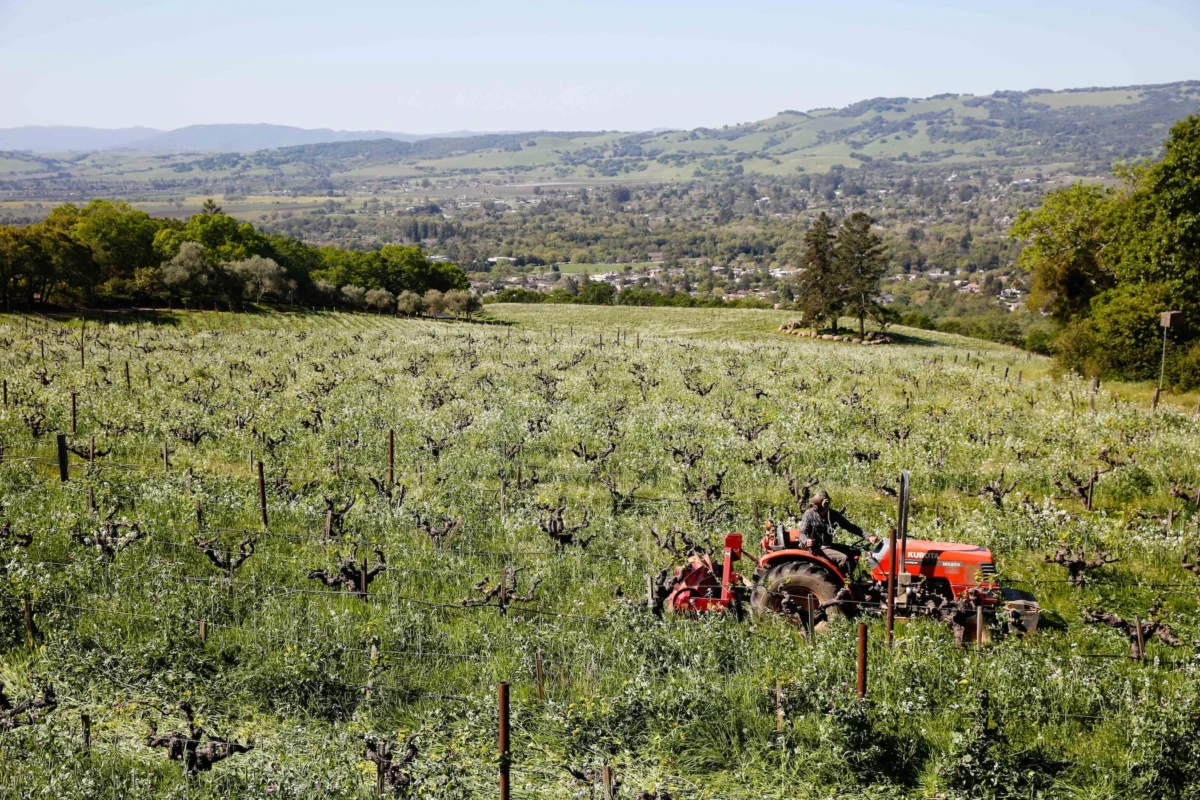
Sonoma, California: Offering a captivating counterpoint to Napa’s focused Cabernet dominance, Sonoma shines with its vast array of microclimates and soil types, producing an exceptional diversity of wines. Its cool coastal regions, particularly the Russian River Valley and Sonoma Coast, are celebrated globally for their delicate, complex, and fruit-driven Pinot Noir and vibrant, textural Chardonnay. Decanter’s panels meticulously assess the nuances between these sub-appellations, noting how factors like fog intrusion and proximity to the Pacific Ocean influence ripeness, acidity, and aromatic complexity. Warmer inland areas like Alexander Valley and Dry Creek Valley receive significant attention for their robust Cabernet Sauvignon, often praised for their approachable fruit and structured tannins, as well as the heritage varietal Zinfandel, which finds some of its most compelling and age-worthy expressions here. The reviews for Sonoma often highlight the innovative spirit of its winemakers, who skillfully navigate its complex geographical tapestry to produce wines of distinct character and varietal purity.
-
Oregon: The Willamette Valley stands as the undisputed heartland of American Pinot Noir, celebrated for its delicate, earthy, and fruit-driven expressions that frequently draw comparisons to Burgundy. Decanter’s panels meticulously assess the nuanced differences between the valley’s numerous sub-AVAs, such as Dundee Hills (known for red volcanic soils and structured wines), Eola-Amity Hills (influenced by cool ocean breezes), and Chehalem Mountains, recognizing the increasing sophistication and distinct terroir signatures. The reviews often delve into the specific volcanic, marine sedimentary, and loess soils that contribute to the unique profiles of Oregon Pinot Noir, from bright red fruit and floral notes to more savory, mushroomy complexity. Beyond its flagship red, Oregon’s Chardonnay is rapidly gaining international acclaim for its crisp acidity, mineral notes, and elegant structure, often matured in neutral oak or stainless steel to preserve its purity. The state’s burgeoning sparkling wine scene, particularly from traditional method producers, is also a consistent focus of Decanter’s evaluations, showcasing its potential as a cool-climate viticultural leader.
-
Washington State: A dynamic and rapidly maturing wine region, Washington State is consistently recognized as a rising star, particularly for Bordeaux varietals and Syrah. The Columbia Valley, with its arid, continental climate, long daylight hours, and cool nights, coupled with extensive irrigation from the Columbia River, creates ideal conditions for wines with intense fruit character, balanced acidity, and firm tannins. Washington Cabernet Sauvignon, Merlot, and Syrah are consistently lauded for their impressive quality-to-price ratio and remarkable aging potential, often presenting a compelling alternative to more expensive Californian counterparts. Decanter’s reviews frequently highlight the region’s consistent quality, attributing it to rigorous vineyard management, predictable growing seasons, and a collaborative winemaking community. The state’s white wines, including Riesling and Chardonnay, also receive high praise for their vibrant acidity and expressive fruit, demonstrating the region’s versatility. The reviews often explore the impact of specific vineyard sites within the vast Columbia Valley AVA, such as Red Mountain (known for powerful reds) and Walla Walla Valley (recognized for its Syrah and Bordeaux blends), on the final wine profile.
-
Other Notable Regions and Emerging Trends: While California, Oregon, and Washington understandably dominate the reviews due to their volume and reputation, Decanter’s annual assessment also acknowledges the growing quality and diversity emerging from other US wine regions. New York’s Finger Lakes, for example, is consistently lauded for its world-class Riesling, characterized by searing acidity, purity of fruit, and often a compelling mineral streak. Virginia’s burgeoning wine industry, particularly for Bordeaux-style blends and Viognier, is also increasingly featured, showcasing the potential of East Coast viticulture. These broader inclusions underscore Decanter’s commitment to a holistic view of American winemaking, recognizing innovation and quality wherever it emerges across the country’s varied landscape.
-
Grape Varieties: The primary focus on Cabernet Sauvignon, Pinot Noir, and Chardonnay reflects their status as benchmark varietals in the US, driving significant consumer interest and critical attention. However, Decanter’s comprehensive approach extends to other significant grapes. Zinfandel, particularly from California’s old-vine vineyards in Dry Creek Valley and Lodi, is celebrated for its unique American heritage and expressions ranging from bright, brambly fruit to rich, peppery complexity. Merlot, often overshadowed by Cabernet, receives careful consideration for its softer tannins and plummy fruit, particularly from Washington State and specific Californian sites where it is given dedicated attention. Syrah, especially from Washington and California’s Central Coast, is increasingly recognized for its savory, dark-fruited, and often Rhône-like characteristics. The reviews also delve into white varietals beyond Chardonnay, such as Sauvignon Blanc (from California’s Napa and Sonoma, and Washington State), which ranges from crisp, herbaceous styles to richer, barrel-fermented expressions. Emerging varieties like Albariño, Grüner Veltliner, and various Italian and Rhône white grapes are also being evaluated, particularly from regions experimenting with cooler climates or alternative styles, indicating a dynamic and evolving viticultural landscape in the US. The increasing sophistication in viticulture and winemaking across all these varieties, coupled with a deeper understanding of regional terroirs, is a recurring theme in Decanter’s annual review findings.
Supporting Data and Market Trends Driving US Wine Excellence
The sustained growth in quality and diversity of US wines is supported by robust industry data. According to the Wine Institute, California alone accounts for approximately 85% of total US wine production, with over 4,200 wineries operating within the state. Oregon, while smaller in volume, has seen its winery count more than double in the last decade, now exceeding 800 producers, predominantly focused on Pinot Noir. Washington State boasts over 1,000 wineries, demonstrating a similar trajectory of expansion and quality improvement, particularly in its premium segment.
Consumer demand for premium US wines has also surged. A 2023 report by Silicon Valley Bank’s Wine Division indicated continued strong sales for wines priced above $15, reflecting a broader trend of consumers trading up for quality and authenticity. Decanter’s detailed reviews play a critical role in guiding these discerning consumers, providing the independent validation they seek. Furthermore, US wine exports reached nearly $1.5 billion in 2022, with key markets including the European Union, Canada, and Japan, underscoring the international appeal and growing recognition of American wines. This export growth highlights the global perception of rising quality.
Technological advancements in vineyard management and cellar practices, coupled with a deeper understanding of terroir, have significantly contributed to the elevation of US wine quality. Wineries are increasingly adopting sustainable and organic farming practices, responding to both environmental concerns and consumer preferences for authenticity and provenance. Investments in research and development, particularly in areas like clonal selection and irrigation efficiency, continue to push the boundaries of quality and resilience in American viticulture.
Expert Perspectives and Industry Reactions
The release of Decanter’s annual US wine review is closely watched by industry stakeholders across the globe. "Decanter’s reviews offer invaluable benchmarks for quality and provide critical visibility for producers, especially smaller, artisan wineries seeking to penetrate broader markets," states a prominent wine journalist and critic. "Their methodical approach, focusing on specific categories and scores, helps both trade buyers and everyday consumers navigate the vast and sometimes overwhelming choices available in American wine, ultimately enriching the entire ecosystem."
Winemakers often view high scores from Decanter as a significant validation of their efforts and a powerful marketing tool. "Achieving recognition from Decanter is a testament to the hard work of our entire team, from the vineyard to the cellar," comments a winemaker from a boutique Willamette Valley Pinot Noir producer, who prefers to remain anonymous due to competitive reasons. "It not only boosts our brand visibility and reputation among international buyers but also reinforces our commitment to crafting wines that truly express our unique terroir and vintage characteristics."
Wine educators and sommeliers also leverage these reviews extensively. "For sommeliers building wine lists or educating staff, Decanter’s comprehensive reviews are an indispensable tool," notes a Master Sommelier based in New York. "They provide reliable, independent assessments that help us identify wines of character and quality across different price points and styles, ultimately enriching the consumer’s dining experience by offering well-vetted recommendations." This collaborative use of Decanter’s resources underscores its integral role in the wine trade.
Implications for Consumers, Producers, and Regional Identity
-
For Consumers: The reviews serve as a trusted and authoritative guide, empowering consumers to make informed purchasing decisions. By offering detailed tasting notes, scores within specific categories, and context on regions and varietals, Decanter enables enthusiasts to explore new regions, discover emerging producers, and understand the stylistic nuances of various grape varieties. This fosters a more adventurous, educated, and discerning consumer base, leading to greater engagement with the world of wine.
-
For Producers: Positive Decanter reviews can significantly impact a winery’s commercial success and market standing. High scores translate into increased sales, enhanced brand reputation, and improved distribution opportunities both domestically and internationally. For lesser-known regions or niche varietals, a strong Decanter endorsement can be a game-changer, helping them gain critical traction and establish credibility in a competitive market. It provides a third-party validation that is highly valued by distributors and retailers.
-
For Regional Identity: The systematic evaluation of wines from regions like Napa Valley, Sonoma, Oregon, and Washington helps to solidify and refine their respective identities on the global wine map. Consistent high performance in Decanter’s reviews reinforces the quality credentials of these regions, attracting further investment, wine tourism, and top talent. It also encourages regions to continually strive for improvement and to differentiate their unique offerings, fostering healthy competition and innovation. The granular nature of the reviews, delving into sub-regions and specific vineyard sites, further hones this sense of place, allowing for a more nuanced understanding of American terroir.
The Future of US Wine and Decanter’s Enduring Role
The American wine industry continues its trajectory of innovation, diversification, and quality enhancement. Beyond the established regions, emerging areas like New York’s Finger Lakes (renowned for Riesling), Texas Hill Country (experimenting with Rhône varieties), and Virginia (producing increasingly sophisticated Bordeaux blends and Viognier) are consistently producing wines of note, reflecting a broader geographical spread of quality viticulture. Decanter’s commitment to reviewing "thousands" of US wines annually suggests an ongoing effort to capture this expanding and evolving landscape, ensuring that new frontiers of American winemaking are recognized and celebrated.
As climate change presents new challenges and opportunities for viticulture, and as consumer preferences evolve towards sustainability, lighter styles, and alternative varietals, Decanter’s role as an independent arbiter of quality becomes even more critical. Its reviews not only celebrate current achievements but also signal future trends and highlight producers who are pushing boundaries through innovative practices and a deep respect for their land. The publication’s dedication to providing detailed, category-specific evaluations ensures that the nuanced and dynamic story of American wine continues to be told with authority and precision, guiding the industry and consumers alike through its exciting evolution for years to come.