admin
admin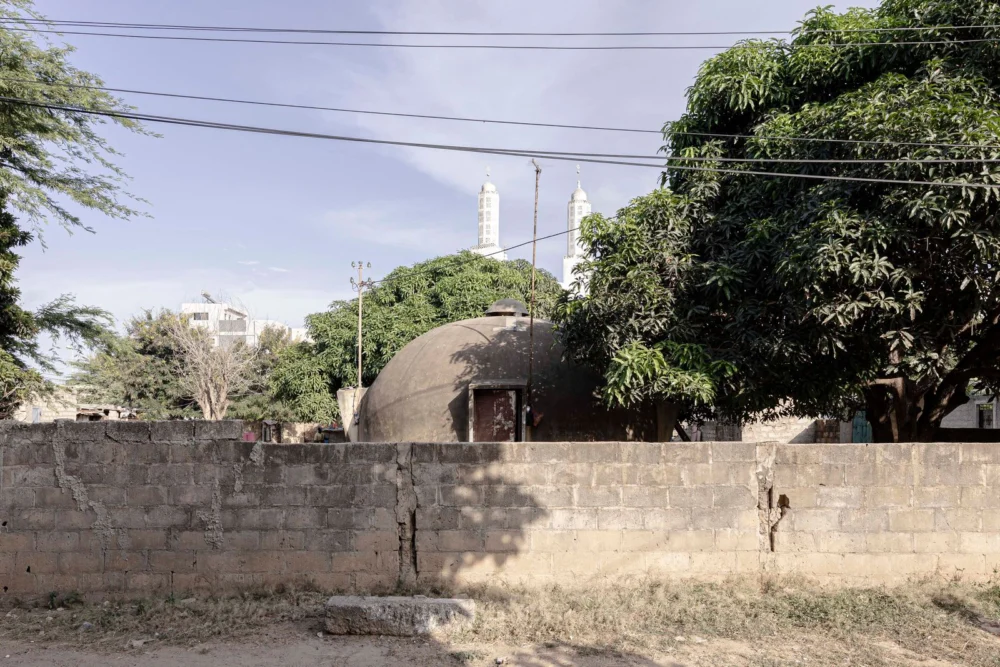
Since 2021, photojournalist and videographer Andrea Ferro has dedicated a portion of each year to chronicling social issues and the profound effects of climate change on communities within Dakar, Senegal. However, a chance encounter approximately a year ago diverted his lens towards an unexpected subject: a series of distinctive dome-shaped residences, colloquially known as "bubble houses," in a friend’s neighborhood. These structures, previously unknown to Ferro despite his extensive work in the city, sparked a deep curiosity. With a background not only in visual storytelling but also holding an architecture degree and having briefly practiced as an architect, the unique form of these "bubble houses" resonated deeply, compelling him to investigate their origins and current plight.
The Genesis of Dakar’s Domes: A Post-War Housing Solution
The story of Dakar’s bubble houses begins in the mid-20th century, a period marked by significant urban expansion and a pressing housing crisis across French West Africa following World War II. The colonial administration in Senegal’s capital faced the daunting task of accommodating a rapidly growing population, driven by both natural increase and rural-to-urban migration. Traditional construction methods were often slow and resource-intensive, exacerbating the shortage. In response, French colonial authorities sought innovative, rapid, and cost-effective housing solutions. Their search led them to the "Airform" concept, an experimental construction method pioneered by American architect Wallace Neff.
Wallace Neff, a Californian architect primarily known for his luxurious Spanish Colonial Revival homes, developed the Airform system in the late 1940s as a solution for affordable and disaster-resistant housing. His method involved inflating a giant balloon-like fabric form, draping it with steel mesh reinforcement, and then spraying it with gunite (a type of concrete applied pneumatically). Once the concrete cured, the balloon was deflated and removed, leaving a robust, monolithic concrete dome shell. This technique promised rapid construction, minimal material waste, and a degree of structural resilience. The appeal of the Airform system was global, with projects implemented in various regions, from Egypt and Brazil to parts of Africa, all aimed at addressing similar post-war housing challenges.
Between the 1950s and 1970s, approximately 1,200 of these concrete dome homes were erected across several neighborhoods of Dakar, including Ouakam, Hann, Zone A, Zone B, and Fann–Point E–Amitié. This concentration made Dakar home to one of the world’s largest, if not the largest, populations of Neff’s Airform houses. The Ouakam district, in particular, became so synonymous with these structures that residents affectionately nicknamed it "Cité Ballon," or "Balloon City," a direct reference to the unique construction method.
Architectural Intent Versus Evolving Realities
The original design of Dakar’s bubble houses was a testament to passive climate control, a crucial consideration for the hot and humid West African climate. The spherical shape, inherently strong and efficient, minimized surface area exposed to direct sunlight, potentially reducing heat gain. Critically, the internal partitions within these early dome homes were designed to be low and detached from the perimeter. This configuration, coupled with strategically placed window and door openings and an oculus at the apex of the dome, was intended to encourage optimal natural ventilation. Air could flow freely, creating a cooling effect and reducing reliance on artificial cooling systems, which were often unavailable or unaffordable for the target residents. An example in Ouakam showcases this original layout, where two low, slightly off-center partitions on a circular base delineating two bedrooms, a living/entry area, and a corner bathroom, all without fully enclosing the spaces to maximize airflow.
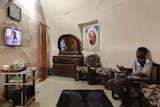
However, the rapid societal and demographic changes that followed Senegal’s independence in 1960 presented new challenges to these architectural ideals. Dakar experienced accelerated urbanization, leading to increased population density and a growing demand for larger, multi-functional living spaces. The bubble houses, originally conceived as individual, small-footprint dwellings, proved ill-suited to the evolving needs of Senegalese households, which are typically non-nuclear and multigenerational. The cultural emphasis on communal living and the practical necessity of accommodating extended families often meant that the original open-plan design was no longer practical or desirable.
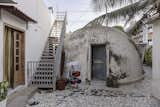
Consequently, many residents began to modify or expand their bubble houses. A common adaptation involved raising the interior partitions to create fully enclosed rooms, prioritizing privacy and distinct living areas over the original ventilation scheme. While addressing immediate domestic needs, this alteration inadvertently blocked the intended airflow. Residents recount a noticeable decline in indoor comfort, describing "intense heat in the structures in summer and cold indoor temperatures during winter," a direct consequence of disrupting the passive cooling design. Furthermore, the limited interior space often led to external expansions or the incorporation of the small, circular houses into larger, multi-story family compounds. This dense infill development around the original structures drastically reduced the surrounding free space, further impeding exterior airflow and natural light.
A Vanishing Legacy: Pressures of Modernity and Neglect
Today, the once-numerous bubble houses of Dakar are a dwindling sight. From an estimated 1,200 units built, only about 100 are believed to remain, scattered across the capital. Many have fallen into ruin, while others have been drastically transformed beyond recognition or simply demolished to make way for new constructions. This precipitous decline is a multifaceted issue, rooted in economic pressures, the challenges of maintenance, and the relentless march of urban development.
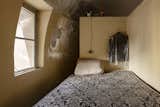
The thin concrete shells, while innovative for rapid construction, required specialized and often costly maintenance. Over decades, exposure to the elements and general wear and tear demanded consistent upkeep that many residents found difficult to afford. Cracks, leaks, and structural degradation became common problems, making these homes appear less desirable compared to modern, conventionally built structures.
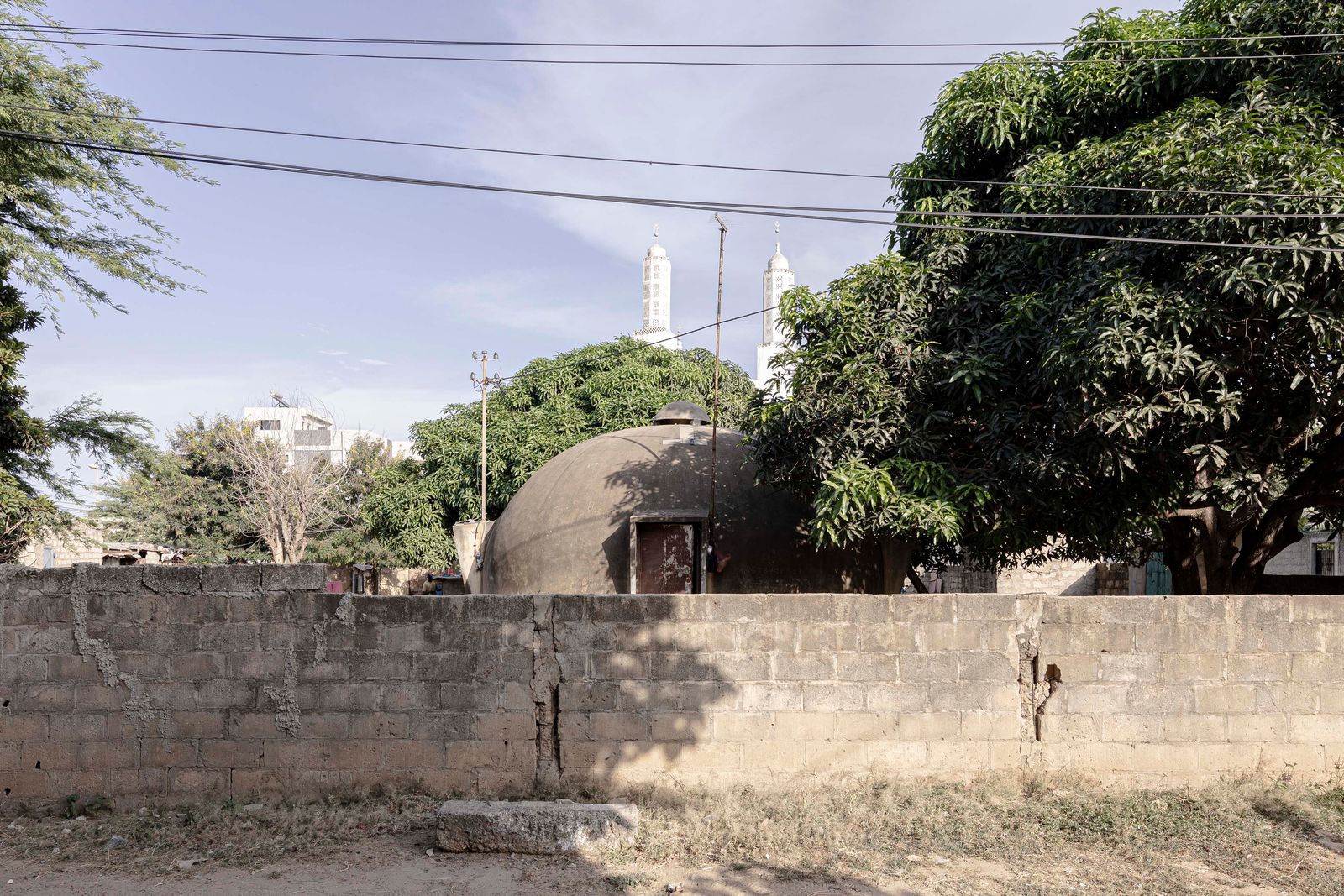
The post-independence era brought a boom in real estate development in Dakar. As land values soared and the city expanded, the relatively small plots occupied by individual bubble houses became prime targets for developers aiming to erect larger, multi-story apartment buildings or commercial spaces. The economic incentive to demolish and rebuild often outweighed any perceived historical or architectural value. This phenomenon is evident in areas like Ouakam, where partially demolished bubble houses stand abandoned, stark reminders of development projects that displaced or absorbed the original dwellings. Walls and small shops now often partially block the view of remaining bubble houses, illustrating the encroachment of new constructions.
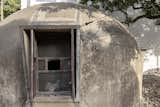
A significant factor contributing to their vulnerability is the absence of formal institutional support for their preservation. Unlike many architectural landmarks that benefit from the advocacy of historical or architectural organizations, Dakar’s bubble houses have largely been overlooked. Without concerted campaigns or official recognition of their heritage status, the remaining residents have become their primary, albeit often conflicted, protectors.
Divided Sentiments Among Residents
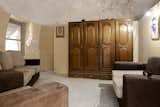
The fate of the remaining bubble houses is further complicated by a divergence of opinion among their inhabitants. For some, these dome houses represent a unique piece of their family history and Dakar’s architectural heritage. They are assets to be preserved, cherished, and passed on to future generations, embodying resilience and a particular moment in the city’s development. Mr. Alioune Ndoye, a former employee of the Dakar land registry and a long-time resident of a bubble house in Hann, embodies this sentiment. His family’s continued inhabitation underscores a desire to maintain this tangible link to the past.
However, for others, the structures are seen as outdated, impractical, and even uncomfortable. The challenges of costly maintenance, coupled with the difficulties of adapting small, circular spaces to modern living standards and the need for larger homes for growing families, lead many to believe that the structures would be better replaced with more spacious and contemporary buildings. The narrative of progress and modernization often clashes with the ideal of heritage preservation, particularly when residents face daily practical inconveniences, such as managing extreme temperatures within the modified interiors.
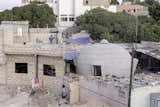
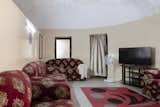
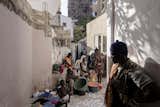
Andrea Ferro’s work, which led him to connect with residents like Mr. "Papis" in Ouakam and Mr. Ndoye in Hann, highlights these varied perspectives. Through extensive documentation, including photographing interiors where children watch television and teachers conduct remote classes, Ferro captures the daily lives unfolding within these unusual homes. He also observes the communal aspects, noting how some bubble houses are connected by narrow passages where residents socialize and carry out daily activities, fostering a unique sense of community despite the architectural limitations. In the Hann neighborhood, some bubble houses were built in pairs, offering slightly more interior space to better accommodate larger households, demonstrating early attempts to adapt the design to local needs.
Broader Implications and the Path Forward
The vanishing bubble houses of Dakar represent more than just the loss of unconventional architecture; they signify the erosion of a specific chapter in the city’s urban and social history. Their story offers valuable insights into the complexities of colonial urban planning, the adoption of experimental architectural solutions, and the challenges of adapting such designs to evolving cultural and demographic realities.
From an architectural standpoint, these structures are a fascinating example of post-war modernism and prefabricated construction techniques applied on a large scale in a non-Western context. They embody a period of architectural optimism and the quest for universal housing solutions. Their current state of disrepair and demolition raises questions about the long-term sustainability of such experimental designs, particularly when maintenance and adaptation are not adequately planned for or supported.
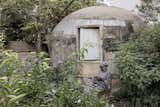
For urban planners and policymakers, the fate of the bubble houses serves as a cautionary tale. It underscores the importance of integrating socio-cultural considerations into housing design and urban development strategies. Designs, no matter how innovative or cost-effective in theory, must be adaptable to the specific needs and living patterns of the communities they serve. Furthermore, it highlights the need for robust heritage preservation frameworks that can identify, protect, and potentially adapt unique architectural assets that may not fit conventional categories of historical significance.
Andrea Ferro’s photojournalism project is therefore critical. By meticulously documenting the remaining bubble houses and the lives of their inhabitants, he is not merely capturing images but creating an invaluable historical record. His work provides a visual and narrative archive of these "at-risk pieces of Dakar’s architectural heritage," ensuring that their story, and the stories of the people who call them home, will not be lost to time and development. While official campaigns for preservation may be lacking, Ferro’s initiative, driven by an architect’s eye and a photojournalist’s commitment to social narratives, stands as a vital effort to acknowledge and understand this unique legacy before it disappears entirely. The future of the remaining bubble houses remains uncertain, caught between a desire for modernization and the silent plea of a disappearing past.