admin
admin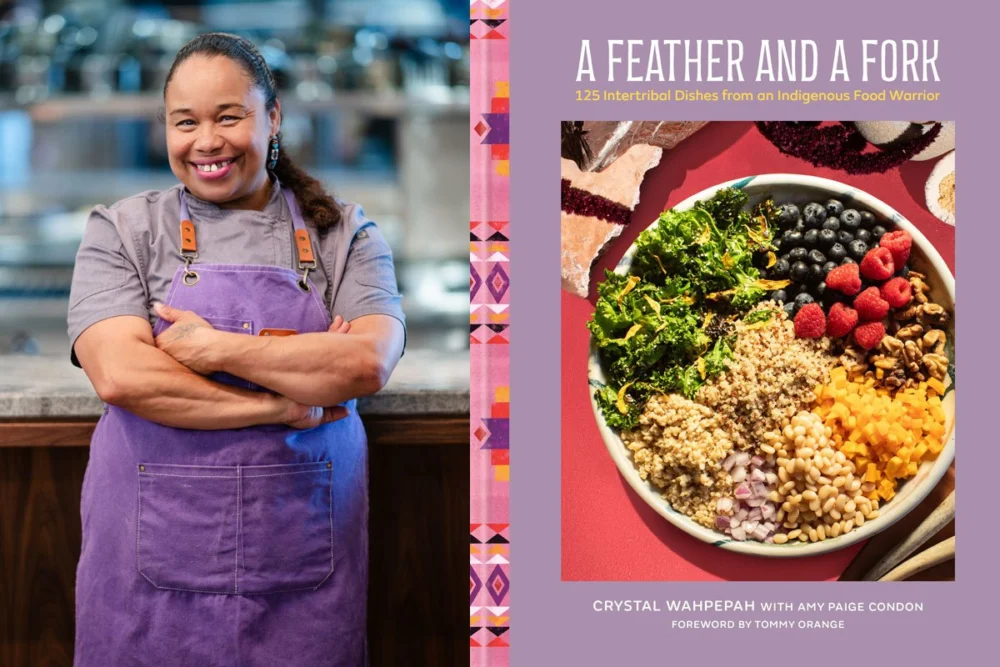
Oakland, CA – Chef Crystal Wahpepah, a trailblazing Kickapoo culinary artist, is poised to release her highly anticipated first cookbook, A Feather and a Fork, on March 17. More than just a collection of recipes, this publication stands as a powerful testament to intertribal culinary traditions and a pivotal moment in the ongoing Indigenous food sovereignty movement. Wahpepah, known for her vibrant restaurant Wahpepah’s Kitchen and her unwavering dedication to her community, has crafted a work that not only celebrates ancestral flavors but also educates readers on the profound cultural and historical significance embedded within Indigenous foodways. The cookbook, featuring 125 recipes rooted primarily in her Kickapoo heritage, extends its culinary embrace to honor other Indigenous communities, notably the Ohlone people, the original stewards of the land now recognized as Oakland, whose enduring connection to their ancestral territories is experiencing a resurgence.
This debut cookbook is a significant milestone for Wahpepah, who has long been a vocal advocate for Indigenous culinary arts and cultural preservation. Her journey culminates in a work that meticulously details recipes—each titled in both English and Kickapoo—and provides invaluable guidance on ingredient sourcing, alongside rich storytelling that delves into her personal life, her tribe’s history, and the intricate cultural contexts of the featured foods. This holistic approach ensures that A Feather and a Fork is not merely a cooking guide but a profound educational resource, connecting readers to the land, history, and people behind the dishes.
A Culinary Journey Rooted in Heritage and Community
Crystal Wahpepah’s path to becoming a celebrated chef and author is marked by significant achievements and a deep commitment to her heritage. A James Beard Foundation Emerging Chef Award finalist, she garnered national attention as the first Indigenous chef to compete on Food Network’s Chopped, shattering stereotypes and bringing Indigenous cuisine to a mainstream audience. Her induction into the Native American Almanac further solidified her status as a pivotal figure in contemporary Indigenous culture and culinary arts. These accolades underscore not only her individual talent but also the growing recognition of Indigenous food systems within the broader culinary landscape.
The foundation of Wahpepah’s culinary philosophy lies in intertribal foods, reflecting the diverse Indigenous communities that have shaped North America. While her Kickapoo ancestry is a primary influence, the cookbook thoughtfully incorporates elements from other nations, acknowledging the interconnectedness of Indigenous cultures. This approach is particularly evident in her respect for the Ohlone people, whose millennia-long stewardship of the Oakland area serves as a powerful reminder of enduring Indigenous presence and ecological wisdom. The Ohlone’s ongoing efforts to reclaim their relationship with the land and revitalize traditional practices resonate deeply with Wahpepah’s mission, highlighting a shared commitment to cultural and environmental restoration.
The Rise of an Indigenous Food Warrior
Wahpepah identifies herself as an "Indigenous food warrior," a title she began using during her early catering days, traveling between Oakland and Los Angeles. This term, deeply personal yet broadly resonant, encapsulates her role in the burgeoning food sovereignty movement. For Wahpepah, an Indigenous food warrior is anyone actively participating in the preservation and revitalization of ancestral knowledge through food. This includes farmers who cultivate traditional crops, seed keepers who safeguard genetic diversity, hunters and gatherers who maintain traditional practices, and even those who simply serve and consume Indigenous foods. It is a collective effort, a continuous journey that begins with planting seeds and culminates in sharing meals, all in service of cultural continuity and community well-being.
The concept of an "Indigenous food warrior" extends beyond the kitchen, embodying a philosophy of resistance, resilience, and reclamation. It acknowledges the historical trauma inflicted upon Indigenous communities through forced removal from ancestral lands, suppression of traditional foodways, and the imposition of colonial diets. The consequence of these historical actions led to widespread food insecurity and devastating health disparities, making the fight for food sovereignty a critical component of overall Indigenous liberation. Wahpepah’s work, therefore, is not merely about cooking; it is about healing historical wounds and empowering future generations through the restoration of traditional food systems.
Reclaiming Identity Through Food Sovereignty
The impetus behind Wahpepah’s deep involvement in food sovereignty initiatives stems directly from her belief that a chef cannot exist without their community. Oakland, a city often celebrated for its multiculturalism, harbors a vibrant yet frequently overlooked Native community, particularly in areas like Fruitvale, where Wahpepah’s Kitchen is located. This rich cultural tapestry, combined with historical injustices, makes the Bay Area a critical locus for food sovereignty efforts.

Food sovereignty, at its core, is the right of peoples to healthy and culturally appropriate food produced through ecologically sound and sustainable methods, and their right to define their own food and agriculture systems. For Indigenous communities, this concept is intrinsically linked to self-determination, land rights, and cultural revitalization. It stands in contrast to "food security," which often focuses on access to any food, rather than culturally relevant and sustainably sourced options. The Indigenous food sovereignty movement seeks to rebuild traditional food systems that were systematically dismantled during colonization, returning control of food production and distribution to Indigenous hands.
Historically, Indigenous diets were incredibly diverse and healthy, based on locally adapted crops, wild game, and foraged plants. Colonial policies, including the destruction of buffalo herds, forced relocation to reservations, and the introduction of commodity foods, severely disrupted these systems. This led to a dramatic decline in nutritional health and a loss of traditional ecological knowledge. Today, Indigenous communities continue to face disproportionately high rates of diet-related illnesses such as diabetes and heart disease, a direct legacy of these historical disruptions. The food sovereignty movement, championed by figures like Wahpepah, directly addresses these issues by promoting the cultivation and consumption of traditional foods, thereby fostering better health outcomes and strengthening cultural identity.
Collaborative Efforts for Community Nourishment
Wahpepah’s food sovereignty work is largely collaborative, forged through partnerships with key Indigenous-led organizations in the Bay Area. A pivotal relationship began approximately 12 years ago when she cooked a dinner at the Intertribal Friendship House in Oakland. Founded in 1955, the Intertribal Friendship House is one of the nation’s oldest urban Indian centers, providing essential services, cultural programs, and a vital community hub for Native people who migrated to urban areas under federal relocation policies. This early connection laid the groundwork for enduring collaborations that continue to impact the community profoundly.
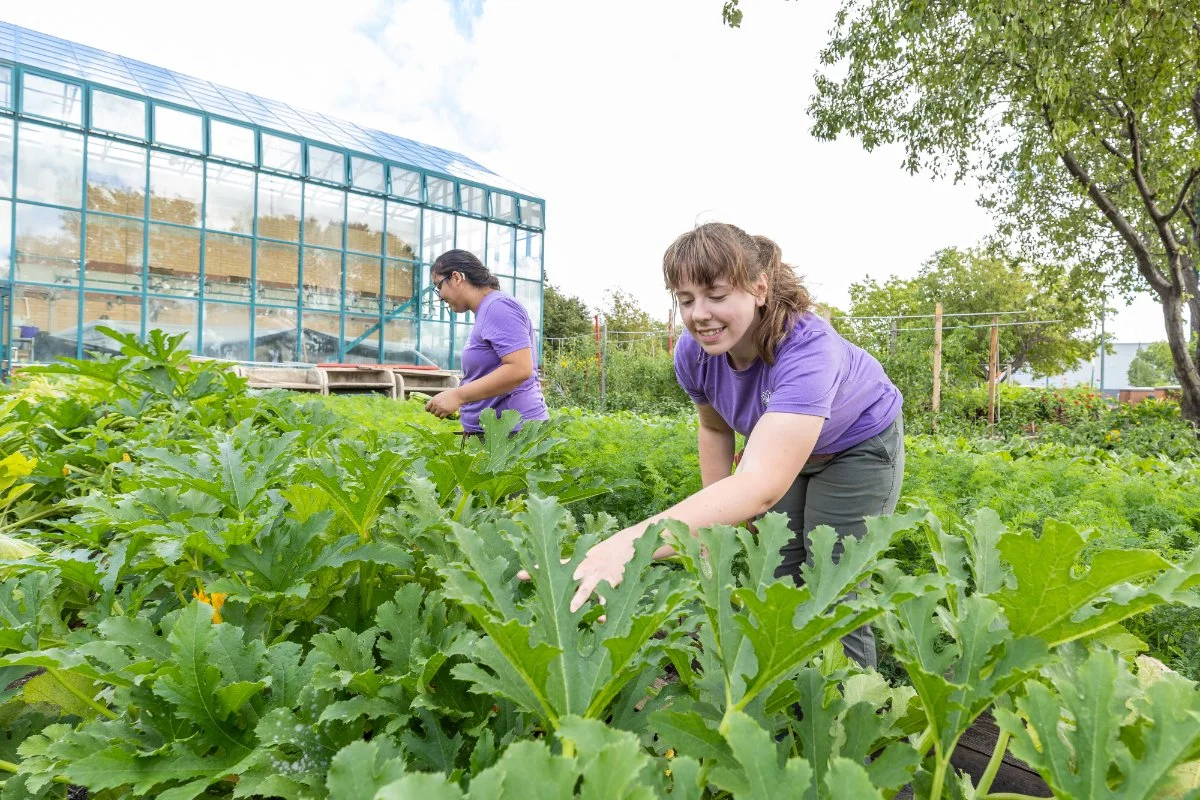
Central to these efforts is her work with the Culture Conservancy, a Native-led nonprofit dedicated to preserving and empowering Indigenous cultures through land stewardship, traditional arts, and food systems. At the Conservancy’s Sonoma farm, Heron Shadow, Wahpepah actively participates in growing a variety of traditional vegetables, including Hopi black beans, Quapaw red corn, Buffalo Creek squash, chilies, tomatoes, and amaranth. This produce not only supplies Wahpepah’s Kitchen but, more importantly, is distributed directly to community members, ensuring access to culturally significant and nutritious foods. This direct distribution model is crucial for addressing food disparities and strengthening community bonds. The Culture Conservancy views Wahpepah as an indispensable partner, her culinary expertise and public platform amplifying their mission to reconnect people with the land and traditional foodways. "Crystal brings a unique blend of ancestral knowledge and contemporary culinary artistry to our work," a representative from the Culture Conservancy might state, "Her dedication ensures that the foods we grow are not just sustenance, but medicine and cultural anchors for our community."
Beyond these organizations, Wahpepah also supports the Sogorea Te’ Land Trust, a Native-led nonprofit working to return Indigenous land to Indigenous people. This "landback" movement is a critical component of food sovereignty, as access to land is fundamental for cultivating traditional crops and practicing ancestral foodways. Wahpepah’s advocacy helps raise awareness and support for these foundational efforts, underscoring the interconnectedness of land, food, and sovereignty. The Sogorea Te’ Land Trust often emphasizes that returning land is not just about ownership, but about restoring ecological balance and cultural practices. "Chef Wahpepah’s voice is vital," a spokesperson for the Land Trust could affirm, "She helps people understand that true food sovereignty begins with the land, and her work directly supports our shared goal of rematriating Indigenous lands."
Food as Medicine: A Holistic Approach to Well-being
The concept of food as medicine is deeply ingrained in Indigenous cultures, a philosophy that Wahpepah passionately articulates through her work. She recalls a personal connection to healing foods from her youth, gravitating towards activities like berry picking during challenging times. This personal experience underscores the profound link between traditional foods and emotional, spiritual, and physical well-being. Berries, for instance, are not only rich in antioxidants and anti-inflammatory properties—as Wahpepah notes about chokecherries in her bison roast recipe—but also hold cultural significance as sacred gifts from the land.
This ancestral understanding contrasts sharply with Western medical models that often separate food from holistic health. Indigenous perspectives view food as integral to a person’s entire ecosystem, connecting them to the land, their ancestors, and their community. Wahpepah firmly believes that ancestors are calling present generations to reconnect with tribal foods, not only for individual healing but also for the health of future generations. This belief aligns with broader calls within Indigenous health movements to re-embrace traditional diets as a means to combat the high rates of chronic diseases prevalent in many Native communities. Data from the Centers for Disease Control and Prevention (CDC) and the Indian Health Service (IHS) consistently highlight the severe health disparities, including elevated rates of type 2 diabetes, heart disease, and certain cancers, which are often linked to a shift away from traditional, nutrient-dense diets to processed, colonial foods.
Wahpepah’s emphasis on knowing "whose land you’re on and where your food comes from" is a powerful statement about conscious consumption and ecological awareness. It encourages individuals to consider the ethical, environmental, and cultural implications of their food choices, fostering a deeper connection to the source of their sustenance. This awareness is a foundational step toward understanding and supporting Indigenous food systems, which are inherently sustainable and respectful of the natural world.

Educating the Next Generation
A critical dimension of Wahpepah’s work involves educating the next generation about Indigenous foods and food sovereignty. Her role as chef-in-residence at Cal Poly Humboldt’s Food Sovereignty Lab since last October exemplifies this commitment. In this academic setting, she teaches students from diverse backgrounds about the myriad benefits of Indigenous foods and the paramount importance of sovereignty work. The presence of numerous Native students in her class creates a unique learning environment where cultural knowledge can be shared and reaffirmed, yet the curriculum is designed to be accessible and informative for everyone.
The Cal Poly Humboldt Food Sovereignty Lab, itself a testament to growing academic interest in these issues, provides a platform for both theoretical and practical engagement with food systems. Wahpepah’s hands-on approach and deep cultural insights offer students invaluable perspectives that extend beyond textbooks. "Chef Wahpepah’s residency has been transformative for our students," Dr. Maria Sanchez, Director of the Food Sovereignty Lab, might comment. "She brings lived experience and an inspiring passion that connects the dots between history, culture, and the future of food." This educational outreach is crucial for cultivating a new generation of leaders, advocates, and practitioners who will continue to advance the food sovereignty movement.
Furthermore, her work with youth through community programs at the Intertribal Friendship House and the Culture Conservancy instills a sense of pride and connection to heritage. By involving young people in farming, cooking, and cultural events, Wahpepah helps ensure that ancestral knowledge is not only preserved but actively practiced and passed down. This intergenerational transfer of knowledge is essential for the long-term sustainability of Indigenous cultures and foodways.
The Broader Impact: Cultural Revitalization and Economic Empowerment
Crystal Wahpepah’s endeavors, from her cookbook to her community activism, carry significant broader implications for Indigenous communities across North America. Her work is a powerful catalyst for cultural revitalization, using food as a tangible and accessible entry point to reconnect with language, ceremonies, and traditional ecological knowledge. The dual-language titling of her recipes in A Feather and a Fork, for instance, subtly reinforces the importance of Indigenous languages, which are often endangered due to historical suppression.
Economically, Wahpepah’s restaurant and her support for Indigenous farmers contribute to the development of self-sustaining Indigenous economies. By creating demand for traditional ingredients and supporting Indigenous producers, she helps foster economic empowerment within Native communities. This aligns with the broader goals of tribal economic development, moving away from dependence on external systems towards self-sufficiency and wealth creation within Indigenous nations. The success of Wahpepah’s Kitchen and her national recognition also serve as a beacon of inspiration, demonstrating the viability and value of Indigenous-led businesses in the culinary sector.
Moreover, Wahpepah’s prominent public profile challenges prevailing stereotypes about Indigenous peoples, presenting a dynamic, innovative, and culturally rich image. Her appearances on national television and her James Beard recognition elevate the visibility of Indigenous cuisine, fostering greater understanding and appreciation among non-Native audiences. This increased awareness is crucial for building allies and garnering support for Indigenous rights and sovereignty efforts.
The movement Wahpepah champions also has profound environmental implications. Indigenous food systems are inherently sustainable, rooted in centuries of ecological wisdom and respectful land stewardship. By promoting these practices, Wahpepah contributes to broader environmental conservation efforts, advocating for methods that enhance biodiversity, promote soil health, and mitigate climate change. Her work with organizations like the Sogorea Te’ Land Trust directly connects food sovereignty to the critical issue of land rematriation, emphasizing that the health of the land and the health of the people are inextricably linked.
In essence, A Feather and a Fork is more than just a cookbook; it is a declaration of culinary independence, a cultural roadmap, and a powerful tool in the ongoing struggle for Indigenous self-determination. Crystal Wahpepah, through her unwavering dedication and vibrant spirit, continues to pave the way for a future where Indigenous foodways are celebrated, understood, and serve as a source of strength and healing for all. Her work signifies a profound shift, signaling that Indigenous food is not merely a niche cuisine, but a vital, thriving force in the global culinary landscape, poised to reclaim its rightful place at the table.