admin
admin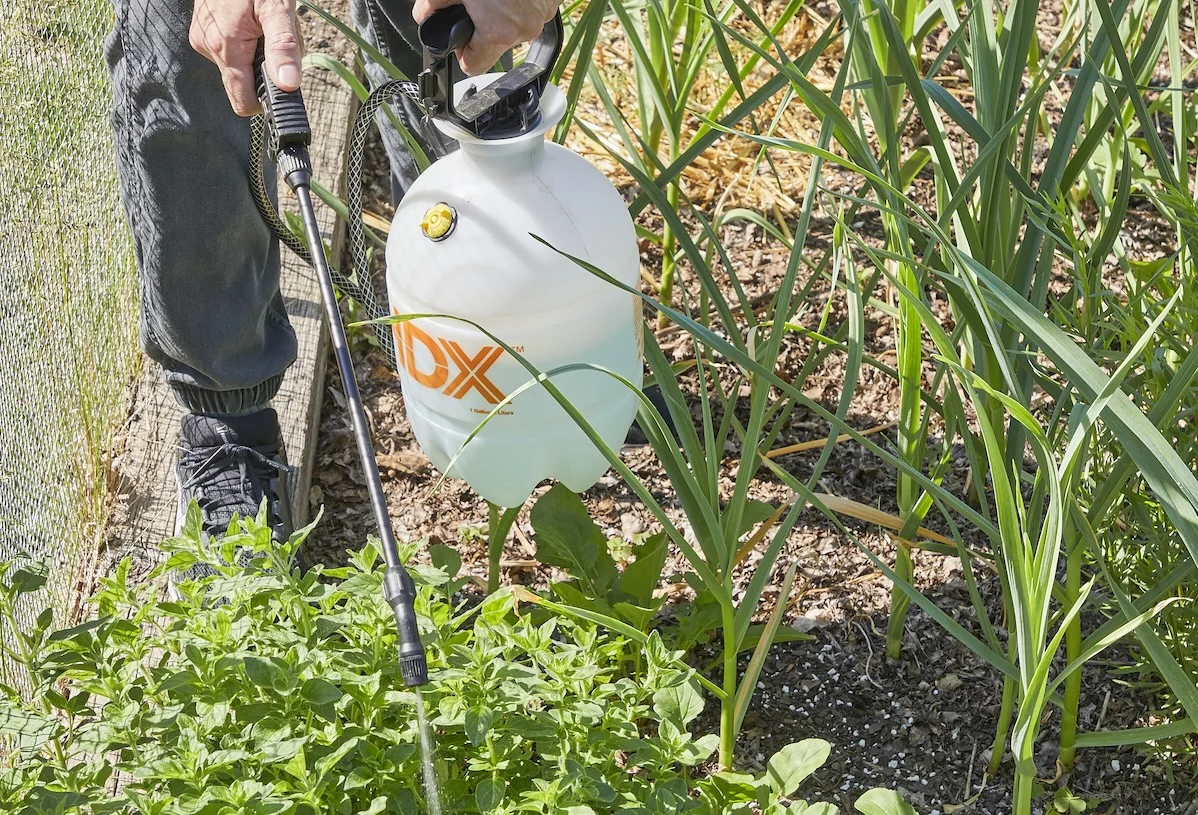
The modern residential landscape is increasingly defined by a shift toward sustainable, non-toxic maintenance practices, particularly in the realm of pest management. As homeowners become more cognizant of the ecological and health-related implications of synthetic pesticides, the demand for DIY, natural alternatives has surged. While professional extermination services remain a multi-billion dollar industry, the efficacy of integrated pest management (IPM) techniques—which prioritize physical barriers and biological deterrents—offers a compelling alternative for those seeking to maintain a pest-free home without the high costs or chemical exposure associated with traditional methods. By utilizing common household items such as vinegar, essential oils, and recycled containers, individuals can effectively mitigate infestations while preserving the environmental integrity of their living spaces.
The Evolution of Domestic Pest Control
Historically, the mid-20th century saw a reliance on heavy chemical interventions to manage domestic pests. However, longitudinal studies have increasingly linked chronic exposure to certain synthetic pesticides with a variety of health concerns, including respiratory issues, skin irritation, and potential endocrine disruption. Data from the Environmental Protection Agency (EPA) and various public health organizations suggest that reducing indoor pesticide residue is a critical component of maintaining healthy air quality. Consequently, the "green" pest control movement has transitioned from a niche preference to a mainstream standard. This evolution is driven not only by health concerns but also by the increasing resistance of certain pests, such as bed bugs and cockroaches, to common chemical treatments.
Seasonal Chronology of Pest Activity
Pest management is a year-round endeavor, with specific threats peaking during different seasons. In the spring, as temperatures rise, ants and wasps emerge to forage and establish nests, often seeking entry into homes for moisture and food. Summer marks the zenith of mosquito and garden pest activity, requiring constant vigilance to protect both outdoor living areas and agricultural produce. As autumn approaches, rodents and insects frequently seek the warmth of interior structures to overwinter. Understanding this chronology allows homeowners to implement preventative measures before an infestation becomes unmanageable.

Advanced DIY Mitigation Strategies for Flying Insects
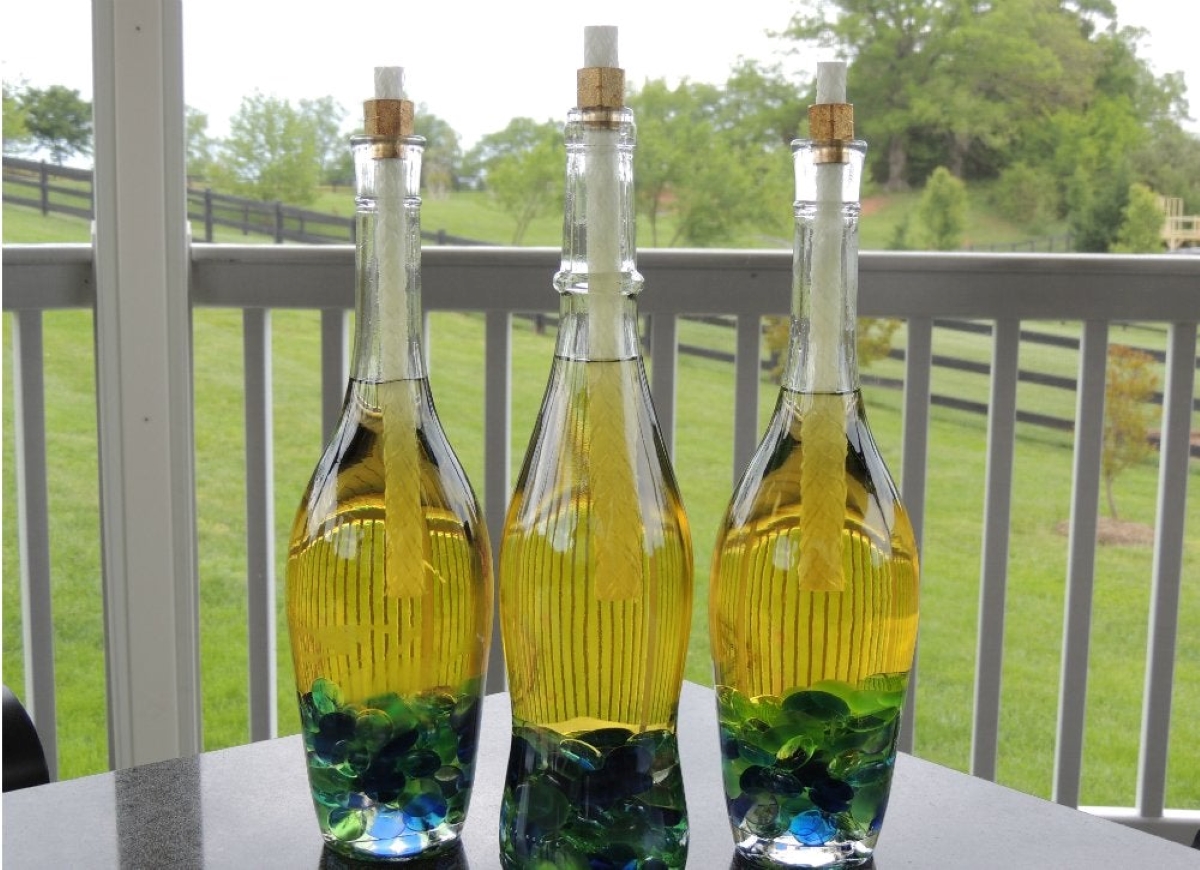
One of the most persistent nuisances in residential outdoor spaces is the presence of mosquitoes and biting flies. These insects are more than just a source of discomfort; they are vectors for various pathogens. A sophisticated DIY solution involves the repurposing of glass wine bottles into decorative yet functional citronella torches. By filling these bottles with sand or marbles for stability and adding citronella-scented lamp oil, homeowners can create a perimeter of protection. The science behind this involves the masking of carbon dioxide and lactic acid scents—which humans emit and mosquitoes use to track prey—with the strong, repellent scent of citronella.
For indoor flying pests, such as fruit flies, the strategy shifts toward luring and trapping. Fruit flies (Drosophila melanogaster) are highly attracted to the products of fermentation. A trap utilizing apple cider vinegar and a drop of dish soap serves as a highly effective lure. The vinegar mimics the scent of overripe fruit, while the soap breaks the surface tension of the liquid, causing the insects to sink upon contact. This method is often preferred in kitchens where food safety is a primary concern, as it avoids the use of aerosolized toxins near preparation surfaces.
Wasp management requires a more targeted approach, particularly during their nesting season. A recycled plastic bottle can be converted into a trap by inverting the top half into the bottom, creating a funnel. The choice of bait is critical and varies by season: protein-based baits (such as meat grease) are more effective in the spring when wasps are focused on brood rearing, while sugar-based baits (such as fruit preserves) are ideal for the late summer when adults seek energy.
Chemical-Free Management of Crawling and Structural Pests
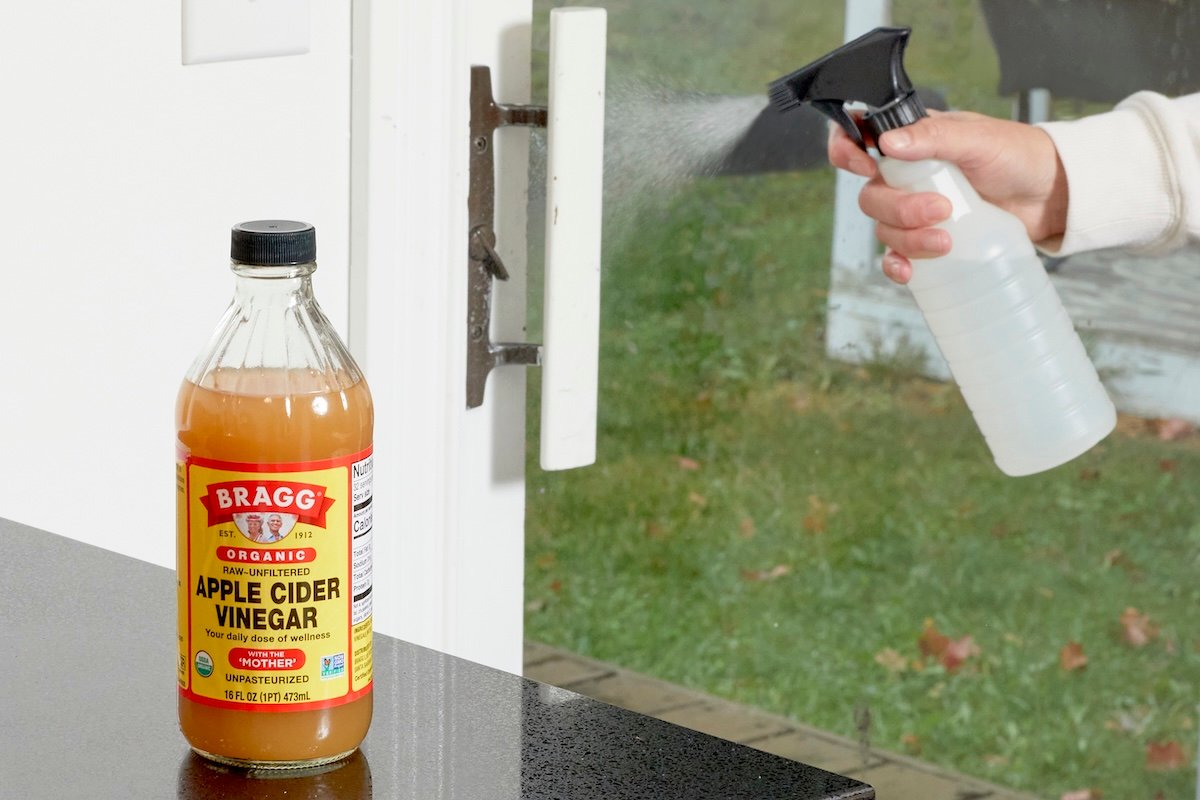
Ant infestations are among the most common complaints for homeowners. These social insects rely on pheromone trails to lead colony members to food sources. The application of a 50/50 mixture of apple cider vinegar and water acts as a desiccant and a scent disruptor. By washing surfaces with this solution, the chemical communication lines of the ants are severed, effectively preventing the "march" into the home.
For more resilient pests like cockroaches, the use of boric acid remains a gold standard in DIY pest control. Boric acid is a naturally occurring mineral that acts as a stomach poison and a physical abrasive to an insect’s exoskeleton. When mixed with sugar to act as a bait, it is carried back to the nest, leading to a systemic reduction in the population. It is important to note that while boric acid is less toxic than many synthetic alternatives, it should still be placed in areas inaccessible to pets and children to ensure safety.
Bed bugs (Cimex lectularius) represent a significant psychological and physical burden. One of the most effective natural treatments is food-grade diatomaceous earth. This powder, composed of fossilized algae, contains microscopic sharp edges that pierce the protective waxy coating of the bed bug, leading to dehydration and death. Unlike chemical sprays, bed bugs cannot develop a biological resistance to the physical action of diatomaceous earth.
Botanical Interventions for Garden and Agricultural Health
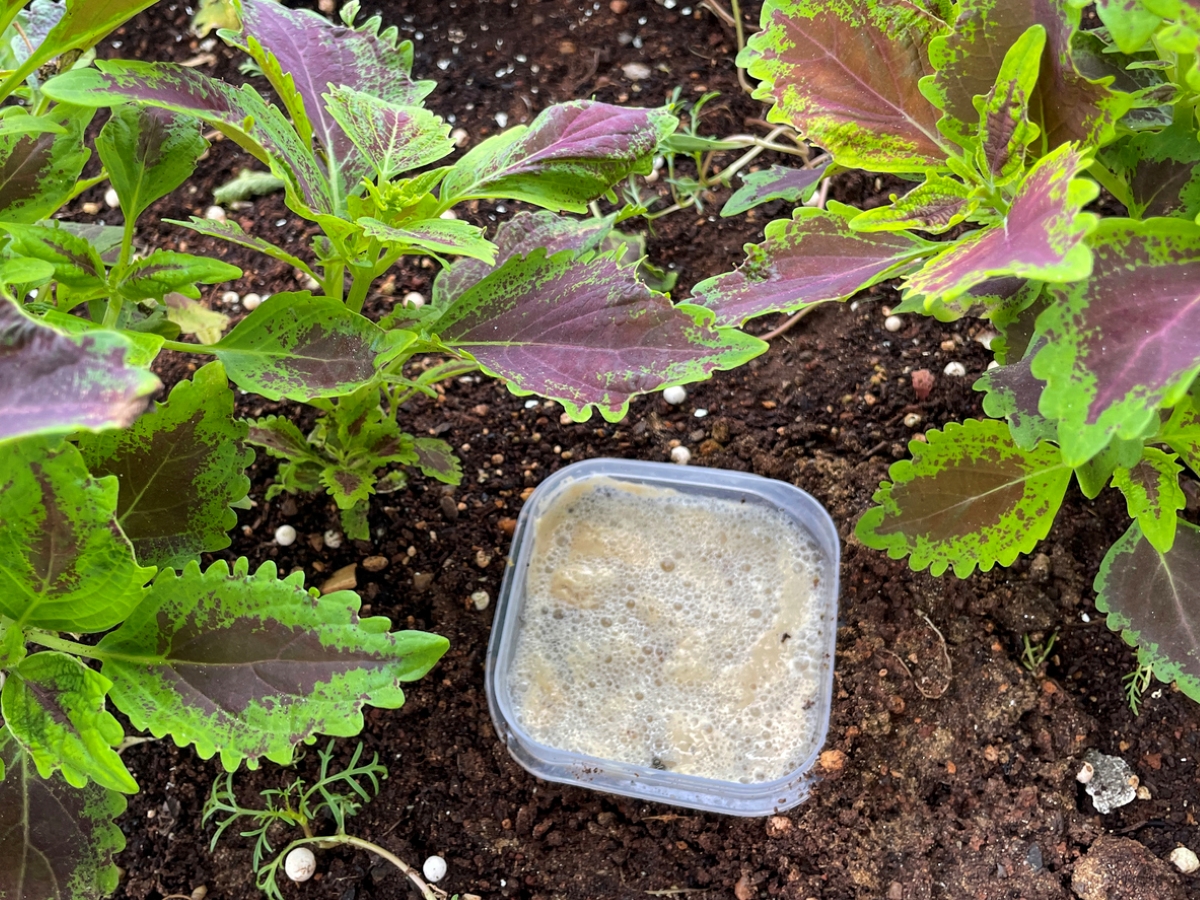
The vegetable garden is a frequent target for a variety of destructive organisms, including slugs, beetles, and nematodes. Slugs, which can decimate leafy greens overnight, are famously attracted to the yeast and carbohydrates found in beer. A shallow container buried at soil level acts as a pitfall trap, utilizing the fermentation gases to lure the gastropods.
For soft-bodied insects like aphids and whiteflies, a solution of rubbing alcohol and liquid soap provides a rapid contact kill. The alcohol penetrates the insect’s outer membrane, while the soap ensures the solution adheres to the plant’s surface. However, this must be applied with caution; professional horticulturists recommend applying such treatments at dusk to prevent "phototoxicity," where the sun’s rays interact with the solution to burn the plant’s leaves.
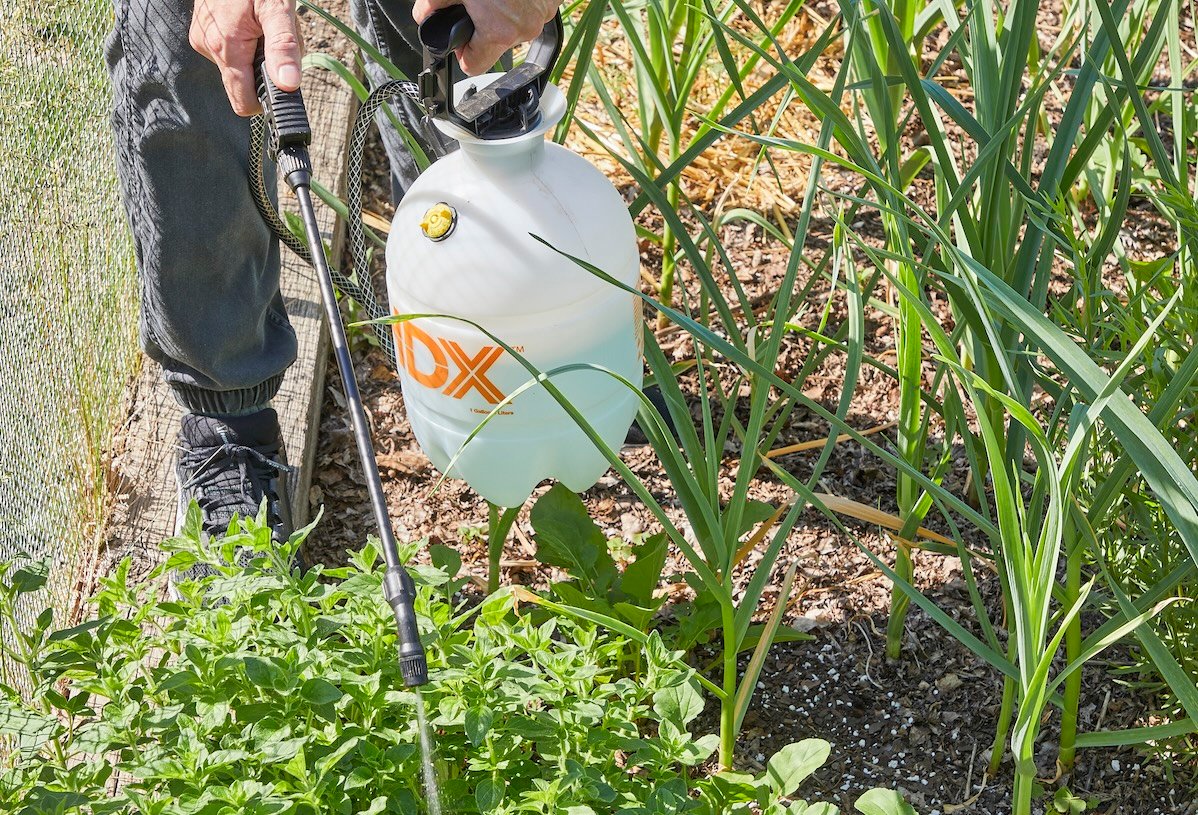
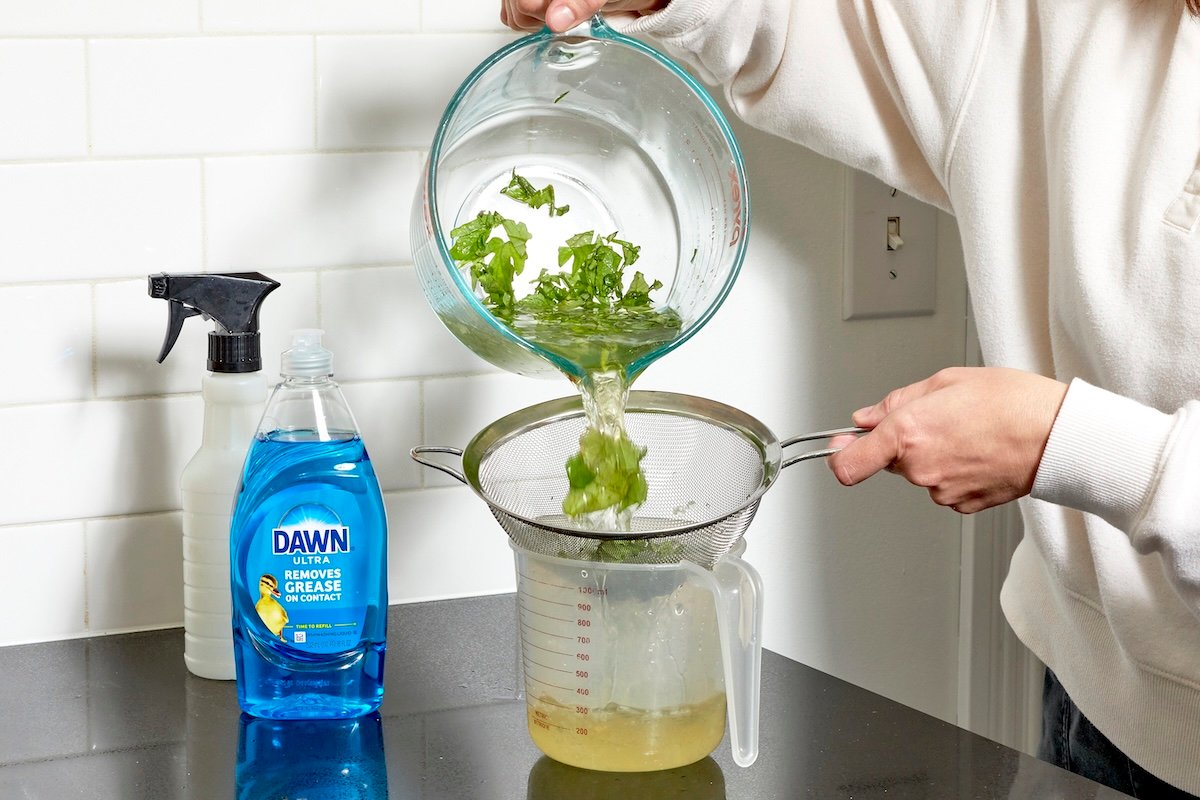
An intriguing biological repellent involves the use of tomato leaves. These leaves contain alkaloids that are naturally toxic to certain beetles and earworms. By soaking chopped tomato leaves in water, homeowners can create a "botanical tea" that serves as an effective, plant-derived pesticide. Similarly, molasses "tea" has been shown to deter soil-borne nematodes and grasshoppers by altering the sugar content of the soil and foliage, making the environment less hospitable to these pests.
Implications for Pet Health and Household Safety
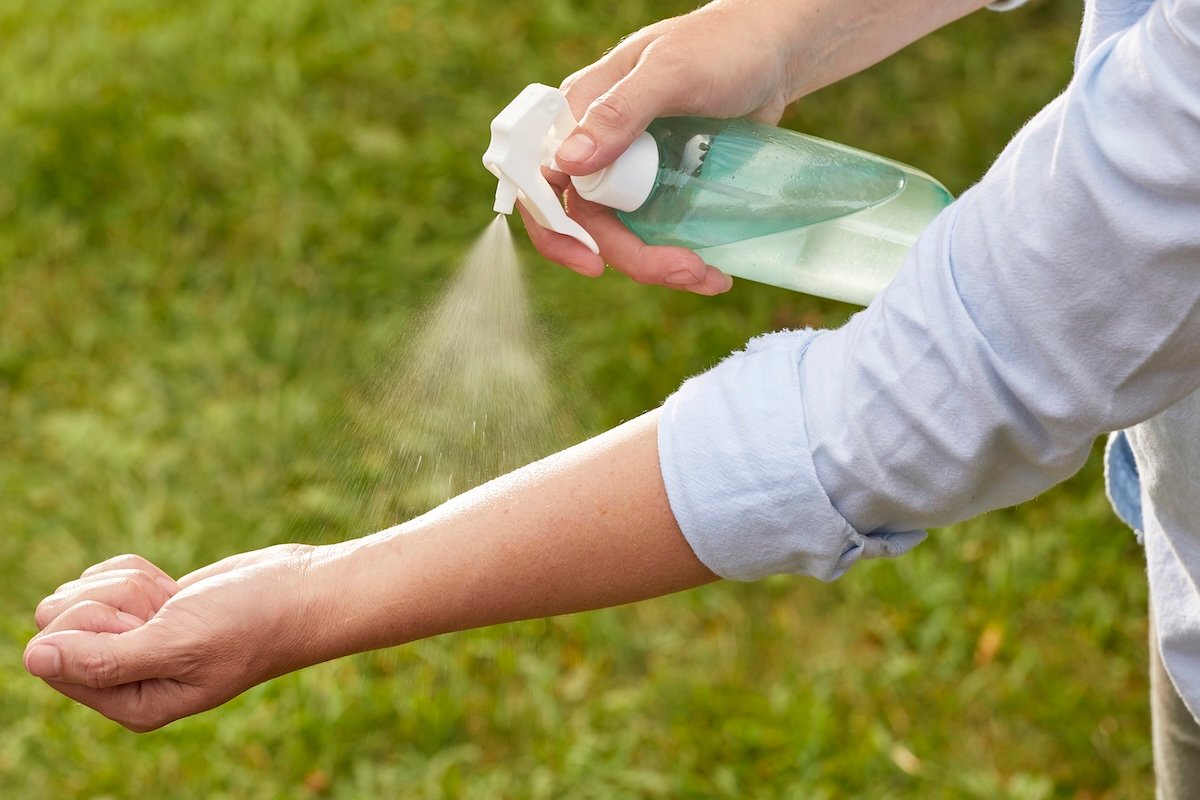
Traditional flea and tick treatments often involve potent neurotoxins. A more holistic approach for pet owners involves the use of witch hazel, lemon, and lavender. A simmered concoction of these ingredients, when misted onto a pet’s fur, provides a layer of protection against biting insects. The witch hazel acts as a gentle astringent, while the citrus and floral scents act as natural repellents. This strategy aligns with the broader trend of "human-grade" pet care, where owners seek the same level of safety for their animals as they do for themselves.
Analysis of Economic and Environmental Impact
The shift toward DIY pest control has significant economic implications. The average cost of a professional pest control visit can range from $150 to $500, depending on the severity of the issue. In contrast, most of the DIY solutions mentioned—vinegar, sugar, recycled bottles, and common oils—cost less than $20 in total. For low-income households or those looking to reduce discretionary spending, these methods provide essential relief without the financial burden.
From an environmental perspective, the reduction in synthetic pesticide use protects local biodiversity. Chemical runoff from gardens can enter the water table, affecting aquatic life and beneficial pollinators like honeybees. Natural methods, such as the use of sticky traps made from corn syrup or physical barriers like diatomaceous earth, have a negligible impact on the surrounding ecosystem.
Conclusion and Future Outlook
The integration of DIY pest control into standard home maintenance represents a return to practical, evidence-based living. As urban and suburban environments continue to expand, the intersection of human habitats and insect populations is inevitable. The data suggests that while professional services have their place in extreme structural cases, the vast majority of household and garden pests can be managed through consistent, natural interventions.
The future of domestic pest control likely lies in the refinement of these natural methods, perhaps through the commercialization of more plant-based, ready-to-use products that mimic DIY recipes. Until then, the armed homeowner, equipped with a spray bottle of vinegar and a bit of botanical knowledge, remains the first and most effective line of defense in maintaining a healthy, pest-free environment. By prioritizing safety, sustainability, and cost-effectiveness, these DIY solutions restore not only the home but also the peace of mind that comes with knowing one’s living space is free from both invaders and unnecessary toxins.