admin
The kitchen is traditionally regarded as the architectural and social heart of the modern home, serving as a primary site for food preparation, nutritional sustenance, and familial gathering. However, the multifaceted nature of kitchen activities—ranging from the storage of raw organic matter to the high-heat processing of lipids—creates a unique environment susceptible to the accumulation of malodors. When these odors permeate the living space, they do more than merely offend the senses; they can serve as indicators of bacterial proliferation, mold growth, or neglected maintenance that may eventually compromise indoor air quality and property value. To address these challenges, cleaning industry professionals and environmental health experts have identified the primary vectors of kitchen odors and established rigorous protocols for their mitigation.
The Biological and Chemical Origins of Kitchen Malodors
Understanding the source of kitchen odors requires an analysis of both biological decay and chemical oxidation. According to data from the Environmental Protection Agency (EPA), indoor air can be two to five times more polluted than outdoor air, with kitchens being a significant contributor due to volatile organic compounds (VOCs) and particulate matter. Odors in the kitchen generally stem from three sources: the decomposition of organic food waste (anaerobic and aerobic respiration by bacteria), the oxidation of fats and oils (rancidification), and the growth of fungal colonies such as mold and mildew in high-moisture areas.
Ben Pullman, founder of Cubby Bear Cleaning in Chicago, emphasizes that many homeowners overlook the "biofilm" that accumulates on surfaces that appear clean to the naked eye. This microscopic layer of bacteria and organic residue is often the silent culprit behind a lingering "stale" scent that persists even after the dishes are done.
The Kitchen Sink: A Primary Vector for Bacterial Biofilms
The kitchen sink is arguably the most high-traffic area in the home, yet it is frequently excluded from deep-cleaning routines. "Many people regularly wipe down their countertops but neglect to clean the sink, which is constantly coated in food remains and liquids of all sorts," Pullman observes. The sink basin, particularly those made of porous materials or stainless steel with micro-scratches, provides an ideal substrate for bacterial colonization.
Beyond the basin itself, the drainage system presents a significant odor risk. Arthuza Rabelo, a cleaning professional with Cleanzen Cleaning Services in Boston, highlights the importance of mechanical filtration. "It’s better to use a sink strainer that catches small food particles and prevents them from going down the drain, as food scraps can accumulate in the pipes, cause blockages, and eventually produce unpleasant smells," Rabelo states. When organic matter is trapped in the "P-trap"—the U-shaped pipe beneath the sink—it undergoes decomposition in a stagnant, wet environment, releasing hydrogen sulfide and other foul-smelling gases back into the kitchen.
Furthermore, the cabinetry beneath the sink is a critical zone for odor surveillance. Rabelo notes that water damage in this concealed area can produce a musty smell indicative of mold or mildew. "Make it a habit to inspect this area regularly so you can catch leaks early and prevent more serious damage," she advises. Statistics from the insurance industry suggest that undetected slow leaks under kitchen sinks are among the leading causes of residential mold remediation claims.
Waste Management and the Mechanics of Decomposition
The trash can is the most intuitive source of kitchen odors, yet its management is often reactive rather than proactive. The odor is typically a byproduct of the breakdown of proteins and carbohydrates by bacteria. In a confined, often lidded environment, heat and humidity accelerate this process.
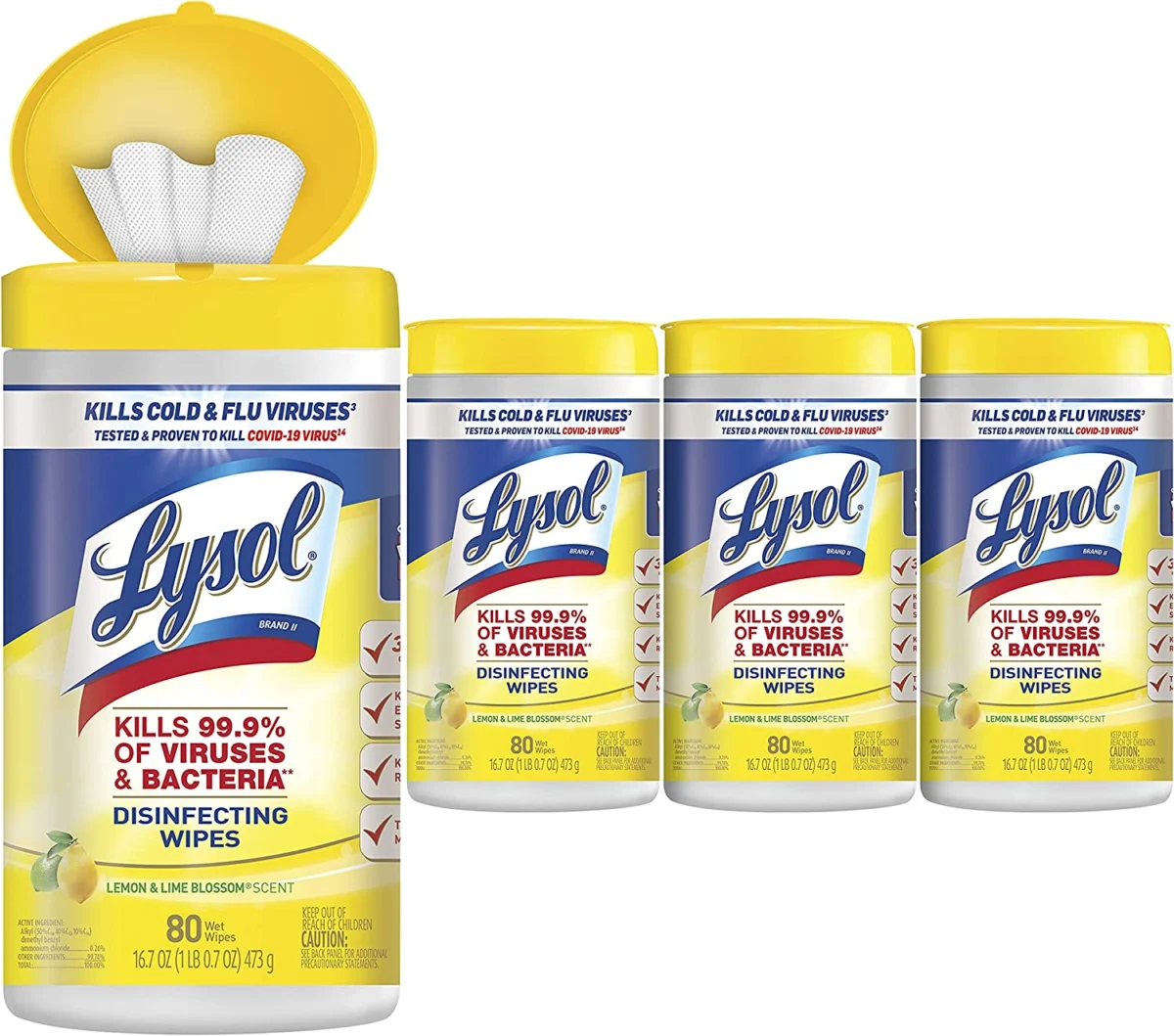
Pullman points out that the odor often resides not just in the trash itself, but in the receptacle. "The bin tends to get caked with residue over time," he explains. Even when the bag is removed, "leakage" or "sweat" from the trash bag can leave a nutrient-rich film at the bottom of the bin. To combat this, experts recommend a dual approach: frequent disposal of biodegradable waste and the chemical disinfection of the bin. Pullman suggests using disinfecting wipes to clean both the interior and the lid of the bin regularly.
Rabelo adds a layer of complexity to waste management by suggesting the separation of waste types. By isolating biodegradable "wet" waste from dry recyclables, homeowners can significantly reduce the volume of material susceptible to rapid decomposition within the primary kitchen area.
Appliance Maintenance: Refrigeration, Microwaves, and Dishwashers
Modern kitchen appliances are marvels of convenience, but they also contain numerous "blind spots" where odors can take root.
The Refrigerator and Cross-Contamination
The refrigerator functions as a cold-storage unit designed to slow bacterial growth, but it does not stop it entirely. Pullman identifies expired and rotting food as the primary source of refrigeration odors. The industry-standard solution remains the use of sodium bicarbonate (baking soda). "The best way to prevent it is to leave an open container of baking soda in the fridge at all times since it absorbs odors," Pullman notes. Baking soda acts as a pH neutralizer for both acidic and basic odor molecules. Additionally, monthly cleaning of shelves and drawers with an all-purpose cleaner is recommended to remove spills that can harbor Listeria and other cold-hardy bacteria.

The Microwave and Vaporized Residue
Microwaves present a unique challenge because they vaporize moisture within food. "Especially if you’re heating up food without a cover, food tends to splatter," Pullman warns. These splatters, if left to dry, are re-heated every time the appliance is used, releasing charred or "off" smells into the air. Simple maintenance involving an all-purpose cleaner and paper towels is usually sufficient to prevent this buildup.
The Dishwasher and Organic Accumulation
Perhaps the most misunderstood appliance in terms of odor is the dishwasher. While it is designed to clean, it can become a reservoir for food particles, particularly in the filter and along the door seals. Industry experts recommend a monthly "de-scaling" and deodorizing cycle. This involves placing a cup of distilled white vinegar on the top rack and running a cycle at the highest temperature setting. The acetic acid in the vinegar breaks down mineral deposits and neutralizes alkaline odors, while the heat sanitizes the interior surfaces.
The Garbage Disposal: Addressing the Source of "Drain Stench"
The garbage disposal is a mechanical grinder that, by its very nature, is exposed to high volumes of organic debris. Pullman explains that soap residue and food particles often adhere to the underside of the impellers and the rubber splash guard.
For routine maintenance, the "citrus method" is widely endorsed. Grinding a lemon wedge provides both mechanical abrasion and a fresh scent from the limonene oils in the peel. However, for more persistent odors, Pullman suggests a more aggressive approach using a powder cleanser like Bar Keeper’s Friend. Letting the cleanser sit for 15 minutes before rinsing with hot water can dissolve the "schmutz" that causes deep-seated smells.
Grease Buildup and the Role of Ventilation
A frequently overlooked source of kitchen odor is the accumulation of airborne grease. When oils are heated to their smoke point, they become aerosolized and eventually settle on vertical surfaces, such as walls, and horizontal surfaces, such as the tops of cabinets.
"When we cook, oil and sauces often splatter around the cooking area and gradually build up on nearby surfaces," Rabelo explains. Over time, these fats undergo oxidation, turning rancid and emitting a heavy, greasy smell that is difficult to eliminate with standard air fresheners. The solution is two-fold: immediate mechanical cleaning and improved ventilation. Rabelo recommends wiping down the stove and surrounding walls with dishwashing liquid—a potent degreaser—after every cooking session.
Moreover, the use of a splatter screen with an activated carbon filter can trap odor molecules before they enter the room’s atmosphere. This is particularly important in modern "open-concept" homes where kitchen odors can easily migrate to upholstery and carpeting in the living area, where they become much harder to remove.
A Chronology of Kitchen Maintenance
To maintain an odor-free environment, experts suggest the following chronological maintenance schedule:
- Daily: Wipe down the stove and sink basin; empty the trash if it contains meat or highly perishable remains; run the ventilation hood during all cooking activities.
- Weekly: Disinfect the trash bin; clean the microwave interior; grind citrus in the garbage disposal; inspect the area under the sink for leaks.
- Monthly: Deep-clean the dishwasher with vinegar; wipe down refrigerator shelves; clean the tops of cabinets where grease may have settled; replace or clean ventilation hood filters.
- Quarterly: Pull out the refrigerator and stove to clean the floor and walls behind them, where food debris and dust often accumulate.
Broader Implications: Health, Psychology, and Real Estate
The management of kitchen odors extends beyond simple aesthetics. From a health perspective, persistent musty smells can indicate mold spores that exacerbate respiratory issues and allergies. From a psychological standpoint, studies in environmental psychology suggest that "clean" scents are associated with lower stress levels and higher perceived safety in domestic environments.
In the realm of real estate, the "scent" of a kitchen is often cited by agents as a "make-or-break" factor during home showings. A kitchen that smells of stale grease or drainage issues can signal to a potential buyer that the home has been poorly maintained, potentially leading to lower offers or longer times on the market.
By adopting a systematic approach to cleaning the sink, managing waste, maintaining appliances, and controlling grease, homeowners can ensure that the kitchen remains a welcoming and hygienic space. As the experts suggest, the key to an odor-free kitchen is not the masking of smells with perfumes, but the diligent removal of the organic and chemical sources from which those smells originate.