admin
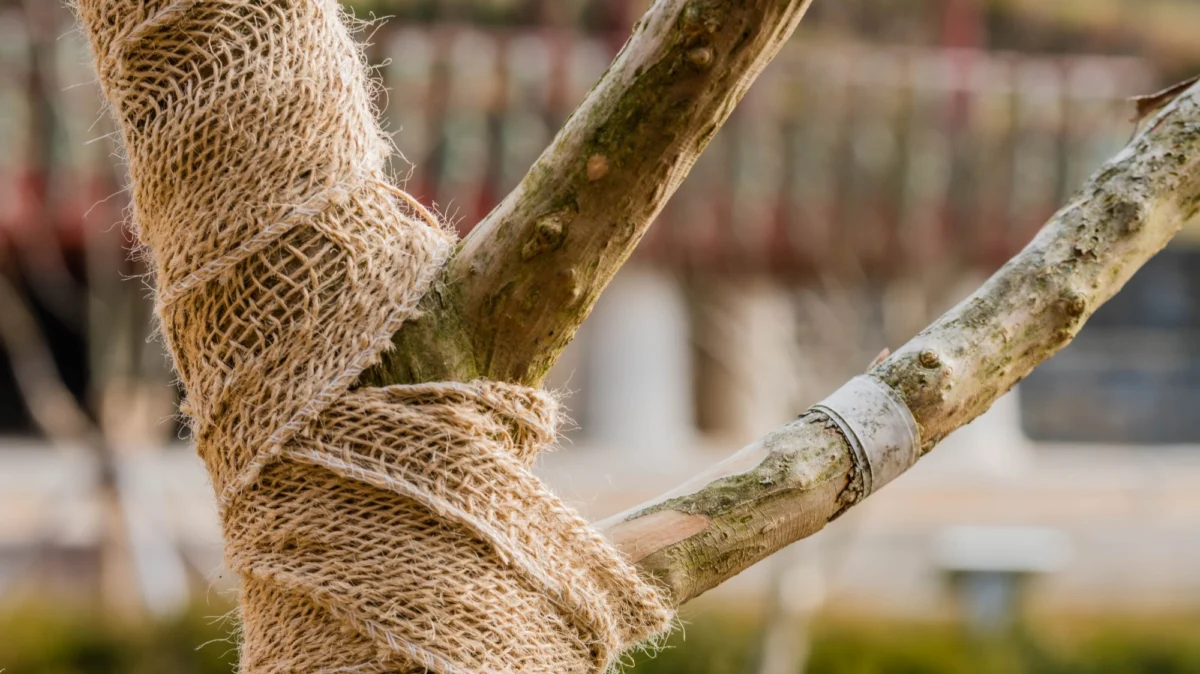
As seasonal transitions bring plummeting temperatures, arborists and horticultural experts are emphasizing the critical importance of winter tree protection. While mature trees with thick, corky bark are generally resilient to the elements, young saplings and specific thin-barked species face significant physiological threats during the dormant season. The practice of tree wrapping, often misunderstood by novice gardeners as a decorative or insulating measure, is a scientifically backed intervention designed to mitigate the effects of sunscald, frost cracking, desiccation, and herbivore damage. According to Fred Breglia, an ISA-certified arborist and author of the forthcoming "Big Trees: A Tour of the World’s Biggest Trees," the absence of a protective leaf canopy in winter exposes the structural integrity of the tree to "cold temperatures, drying winds, ice, and hungry wildlife."
The Mechanics of Winter Tree Injury
To understand the necessity of wrapping, one must first examine the botanical vulnerabilities that occur between late autumn and early spring. The primary threats include thermal stress and moisture loss, both of which can lead to irreversible vascular damage.
Sunscald and the "Southwest Injury"
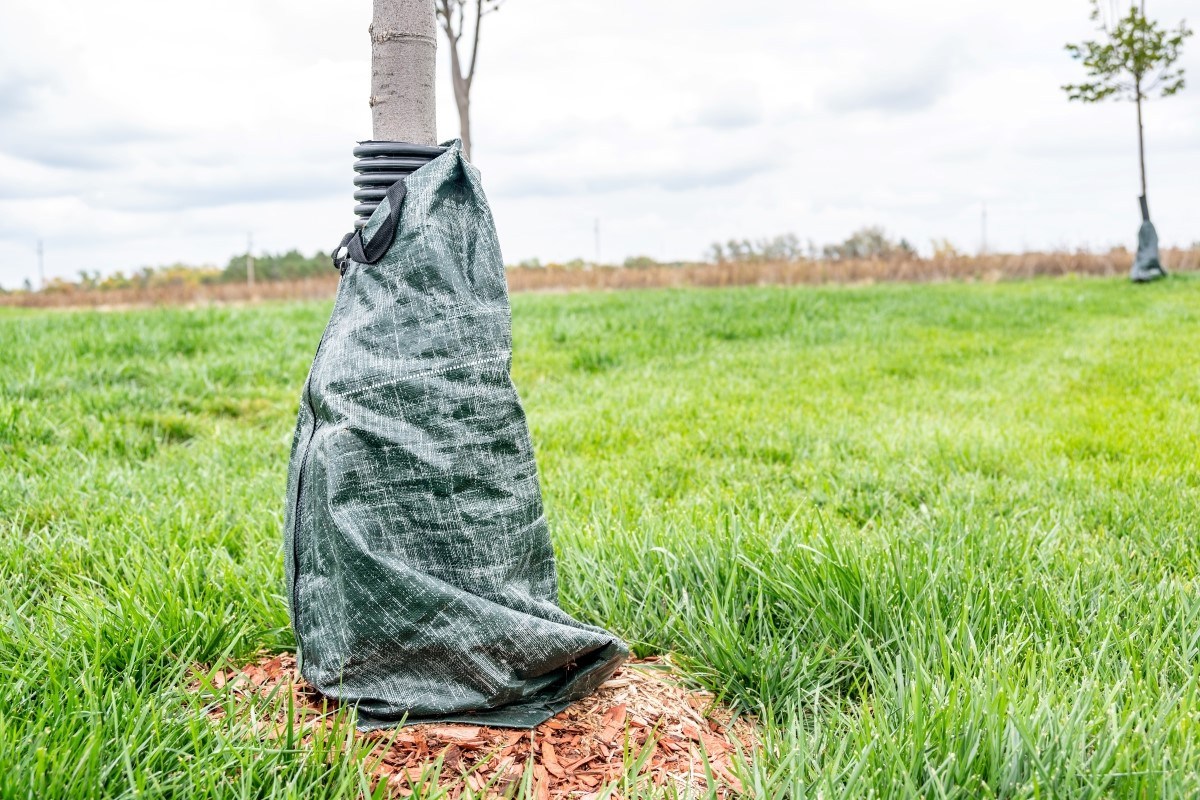
Sunscald, frequently referred to as "southwest injury" due to its typical orientation on the trunk, occurs when the intense winter sun warms the bark of a tree on a clear day. This localized warming can cause the dormant cells beneath the bark to become active. As the sun sets or is obscured by clouds, the temperature drops rapidly, refreezing the active tissue and killing the cells. This cycle results in sunken, cracked, or peeling bark, which eventually exposes the heartwood to pathogens. Species with thin bark, such as Maples (Acer), Lindens (Tilia), Ashes (Fraxinus), and various fruit trees like Apples and Cherries, are most susceptible. Data from agricultural extensions suggest that bark temperatures on the sunny side of a tree can be as much as 40 degrees Fahrenheit warmer than the ambient air temperature, creating a volatile thermal gradient.
Frost Cracking
Similar to sunscald, frost cracks are vertical ruptures in the trunk caused by the differential contraction of wood during extreme cold. When temperatures drop below freezing, water in the outer layers of the wood moves out of the cells and freezes, causing the wood to shrink. If this shrinkage occurs faster than the inner wood can adjust, the tension causes the trunk to split. While these cracks may "heal" or close in the summer, they remain a structural weakness that often reopens in subsequent winters.
Desiccation and Winter Browning
For evergreens and semi-evergreen shrubs, the primary threat is desiccation, or "winter burn." This occurs when the combination of frozen soil and drying winds prevents the plant from replacing the moisture lost through its needles or leaves via transpiration. Because the roots cannot draw water from the frozen ground, the foliage turns brown and dies. High-risk species include Rhododendrons, Boxwoods, Yews (Taxus), and Arborvitae (Thuja).
Identifying Vulnerable Species and Environmental Risk Factors
Not every tree requires wrapping, and over-protection can sometimes lead to moisture retention that encourages fungal growth. However, the following categories are high-priority candidates for winter intervention:
- Young Trees: Any tree planted within the last two to three growing seasons lacks the bark thickness and root depth to withstand severe winter stress.
- Thin-Barked Deciduous Species: This includes Beech, Birch, Willow, and many ornamental cultivars.
- Broadleaf and Needled Evergreens: Especially those situated in wind tunnels or on the south-facing side of structures where solar reflection is high.
- Trees in High-Wildlife Areas: Landscapes prone to deer, rabbit, or vole activity require physical barriers to prevent girdling—the stripping of bark around the circumference of the trunk, which effectively starves the tree.
Chronology and Timing for Winter Preparation
Professional arboricultural standards dictate a specific timeline for applying and removing tree wraps to ensure maximum efficacy without hindering the tree’s natural growth cycles.
- Late Summer to Early Autumn: This is the period for assessing deer activity. Bucks begin "rubbing" their antlers against small tree trunks as early as September to remove velvet and mark territory. Protective guards should be installed at the first sign of antler development.
- Late Autumn (Pre-First Frost): Trunk wraps for sunscald and frost crack prevention should be applied once the tree has entered dormancy and dropped its leaves, but before the first hard freeze.
- Early Winter (Before Heavy Snowfall): Hardware cloth or mesh guards should be secured around the base of the trunk to prevent voles and mice from nesting near the bark and feeding on it beneath the snowline.
- Early Spring (Post-Thaw): It is imperative to remove all wraps and guards as soon as the threat of hard frost has passed. Leaving wraps on during the growing season can trap moisture, promote rot, and provide a harbor for boring insects.
Technical Procedures for Effective Wrapping
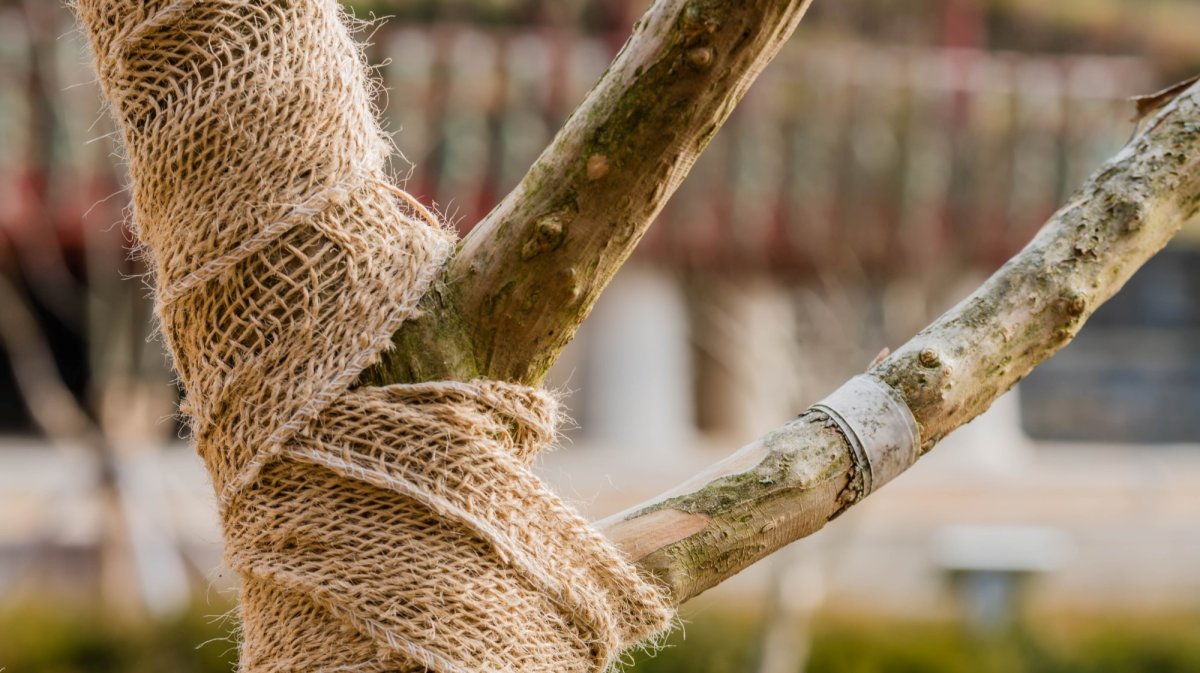
The methodology of tree wrapping varies depending on the specific threat being addressed. Experts recommend using breathable materials such as specialized poly-wrap, paper-based tree tape, or burlap.
Trunk Wrapping for Thermal Protection
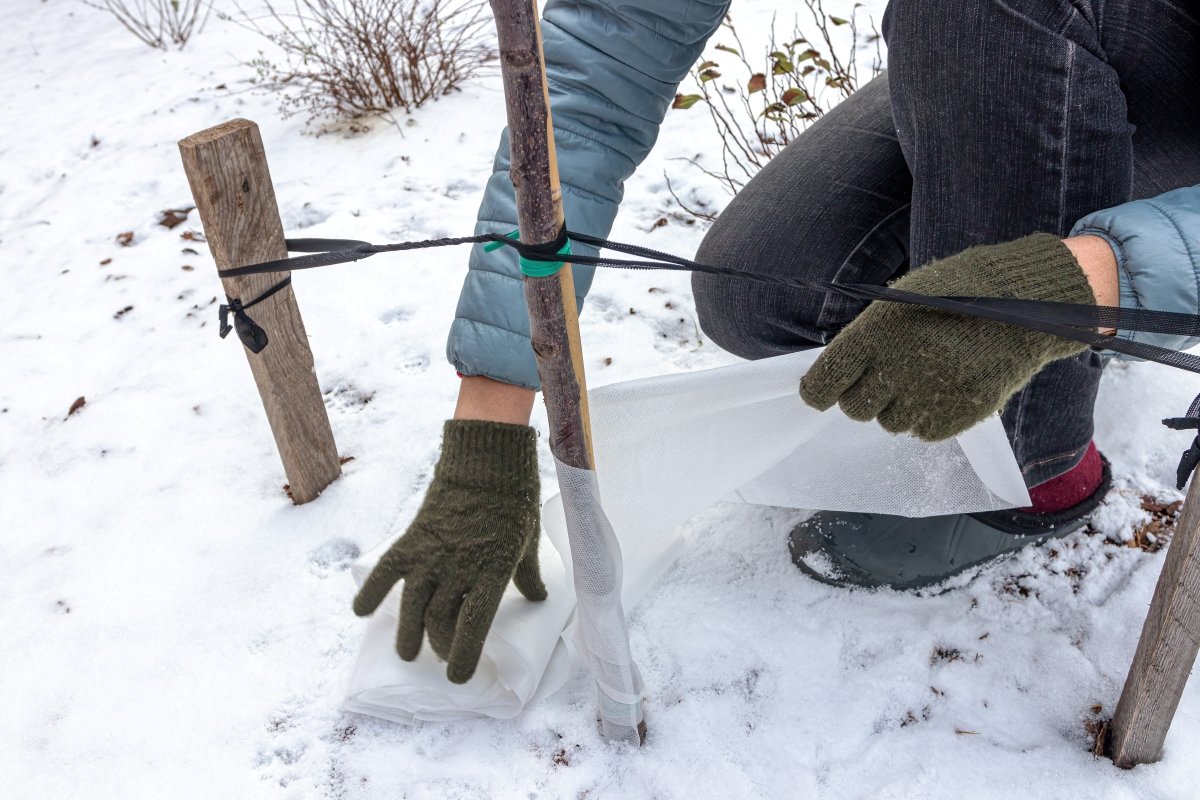
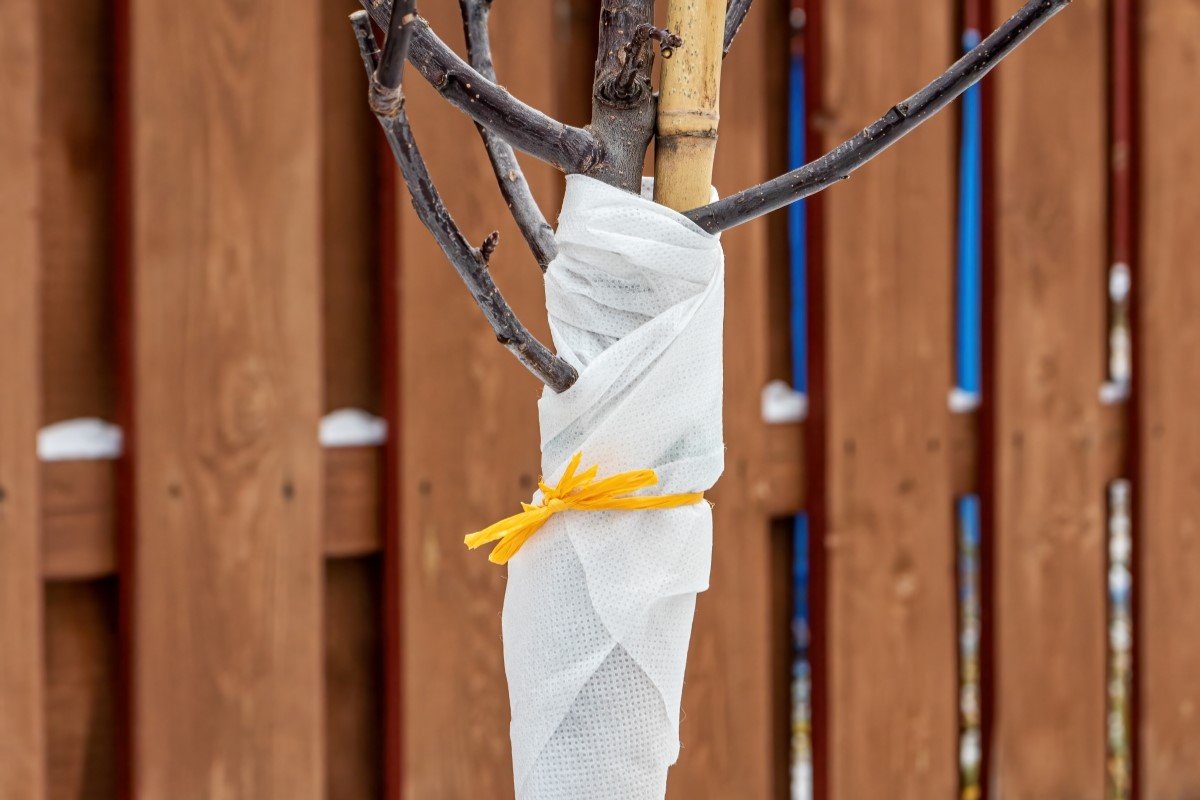
To prevent sunscald, a gardener should start at the base of the tree, slightly below the soil line. Using a light-colored, breathable wrap, the material is wound upward in a spiral fashion. Each layer should overlap the previous one by approximately one-third of the wrap’s width. This "shingling" effect ensures that water sheds off the wrap rather than seeping into it. The wrap should terminate just below the lowest branch and be secured with twine or weather-resistant tape. Arborists strongly advise against using staples or nails, as any puncture to the bark creates an entry point for disease.
Burlap Screening for Evergreens
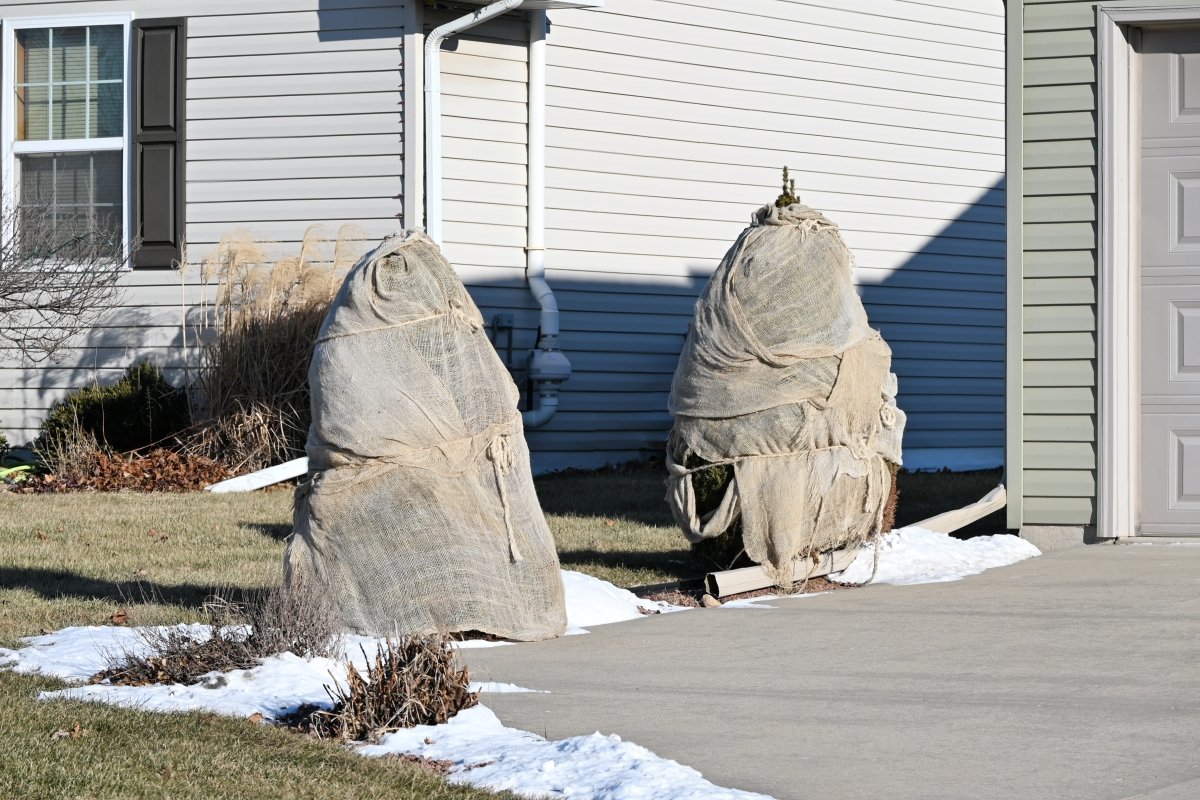
To combat desiccation, a physical barrier is often more effective than a direct wrap. By driving wooden stakes into the ground around the perimeter of the shrub and stapling burlap to the stakes, a windbreak is created. This allows for air circulation while shielding the foliage from the "lashing" effect of winter winds and the intensity of the sun. It is recommended to leave the top of the structure open to allow for light penetration and to prevent the accumulation of heavy snow loads on the fabric.
Hardware Cloth for Rodent Prevention
For protection against small mammals, a cylinder of 1/4-inch mesh hardware cloth is the industry standard. The cylinder should stand approximately 18 to 24 inches high and be buried 2 to 3 inches into the soil. This depth is crucial for stopping voles, which often tunnel just below the surface or through the duff layer to reach the tender cambium of young trees.
Economic and Ecological Implications
The financial argument for tree wrapping is compelling for both residential homeowners and municipal land managers. The cost of a high-quality tree wrap or burlap screen is nominal—often less than $20 per tree. In contrast, the cost of removing a dead sapling and purchasing a replacement of similar size can range from several hundred to several thousand dollars, depending on the species and labor involved.
Furthermore, trees are vital components of the urban and suburban ecosystem, providing carbon sequestration, storm water mitigation, and temperature regulation. The loss of young trees due to preventable winter injury represents a setback in local reforestation and canopy-cover goals. ISA arborist Fred Breglia notes that healthy trees are better equipped to survive winter; therefore, a regimen of deep-root watering in the autumn is a necessary precursor to physical wrapping.
Official Responses and Industry Standards
The International Society of Arboriculture (ISA) and various university horticultural extensions, such as those at the University of Minnesota and Cornell University, provide standardized guidelines for winter care. These organizations caution against the use of "wound paints" or dark-colored plastic wraps, which can actually increase heat absorption and exacerbate the very thermal stresses they are intended to prevent.
Industry experts also emphasize the "Rule of Three": protection is generally required for the first three years of a tree’s life in a new location. After this period, the tree’s bark has usually thickened sufficiently, and its root system is established enough to withstand the local climate.
Final Analysis and Recommendations
Winter tree wrapping is a critical component of proactive landscape management. As climate patterns become increasingly erratic, with unseasonably warm winter days followed by "polar vortex" events, the thermal stress on trees is expected to increase. By implementing the technical steps outlined—choosing breathable materials, following the shingling method, and ensuring timely removal—property owners can safeguard their arboreal investments.
Arborists conclude that the success of a winter protection strategy relies on a holistic approach. This includes proper species selection for the specific USDA Plant Hardiness Zone, consistent irrigation during the growing season, and the strategic use of mulch to insulate the root zone. When these cultural practices are combined with physical wrapping, the survival rate of young and vulnerable trees increases significantly, ensuring a robust and healthy canopy for the following spring.