admin
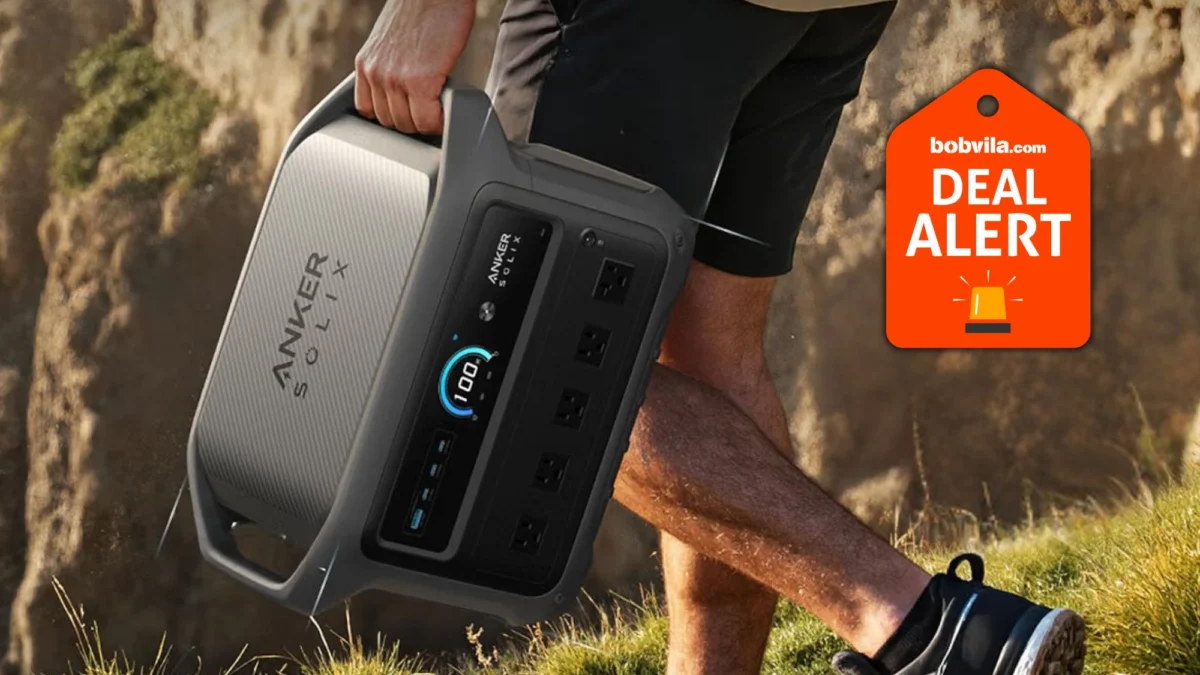
As the northern hemisphere prepares for a winter season characterized by increasingly volatile weather patterns and the associated risk of grid instability, Amazon has initiated a massive inventory clearance of portable power stations. This early Black Friday event features price reductions of up to 44 percent on flagship models from industry leaders such as Anker, Jackery, and DJI. The sale represents a significant shift in the consumer electronics market, as retailers move to capture the "prepper" and outdoor enthusiast demographics ahead of the traditional holiday shopping rush.
The centerpiece of the current promotion is the DJI Power 1000 V2, which has seen its price slashed from $699 to $399.98. This unit, featuring a 1,024Wh capacity and a robust 2,600W output, exemplifies the rapid advancement in battery energy density and inverter efficiency. While DJI is traditionally recognized for its dominance in the unmanned aerial vehicle (UAV) sector, its aggressive entry into the power station market signals a broader trend of technology giants leveraging battery expertise to address the growing demand for residential and mobile energy independence.
The Evolution of Portable Power Technology
The current market for portable power stations has evolved significantly over the past five years. Initially serving as niche products for van-lifers and serious campers, these devices have become essential household appliances. The shift from traditional lead-acid batteries to Lithium Iron Phosphate (LiFePO4) chemistry has been a primary driver of this transition. LiFePO4 batteries, which are featured in many of the discounted Anker and DJI models, offer significantly longer lifespans—often exceeding 3,000 charge cycles—and enhanced thermal stability compared to standard lithium-ion alternatives.
Market analysts suggest that the early timing of these discounts is a strategic response to a saturated market. With brands like EcoFlow, Bluetti, and Jackery frequently iterating on their hardware, retailers must clear older inventory to make room for next-generation units featuring faster charging protocols and integrated smart-home connectivity. For the consumer, this translates to an opportunity to acquire high-capacity backup power at prices that were previously reserved for entry-level devices.
Detailed Analysis of Featured Hardware
The sale spans a wide spectrum of power needs, categorized by capacity (measured in Watt-hours) and output (measured in Watts).
High-Capacity Home Backup
The Anker SOLIX C2000 Gen 2 stands out as a primary contender for household essential backup. Boasting a 2,048Wh capacity and a 2,400W continuous output, this unit is designed to sustain heavy-load appliances such as full-sized refrigerators, sump pumps, and medical devices during multi-day outages. Unlike gas-powered generators, these battery-based systems operate silently and produce zero emissions, making them safe for indoor use—a critical factor during winter storms when ventilation is limited.
Mid-Range Versatility
The DJI Power 1000 V2 occupies the "sweet spot" for many residential users. Its 2,600W output allows it to handle high-draw items like coffee makers or hair dryers, which often trip the breakers on smaller units. The current 44 percent discount positions it as one of the most cost-effective "one kilowatt-hour" units currently available on the market.
Portable and Camping Solutions
For lighter applications, the Jackery Explorer 300 remains a benchmark in portability. Currently discounted to support the "Early Black Friday" initiative, the Explorer 300 provides approximately 293Wh of energy. While insufficient for a refrigerator, it is optimized for charging laptops, powering CPAP machines, and maintaining communication devices during shorter disruptions or weekend excursions.
Market Context and Grid Reliability
The surge in demand for portable power is closely linked to the aging infrastructure of the United States power grid. According to data from the U.S. Energy Information Administration (EIA), the average American electricity customer experienced over eight hours of power interruptions in recent years, a figure that has trended upward due to extreme weather events.
"The consumer mindset has shifted from ‘if the power goes out’ to ‘when the power goes out,’" notes an industry analyst. "This has transformed the portable power station from a luxury item into a critical component of a home emergency kit."
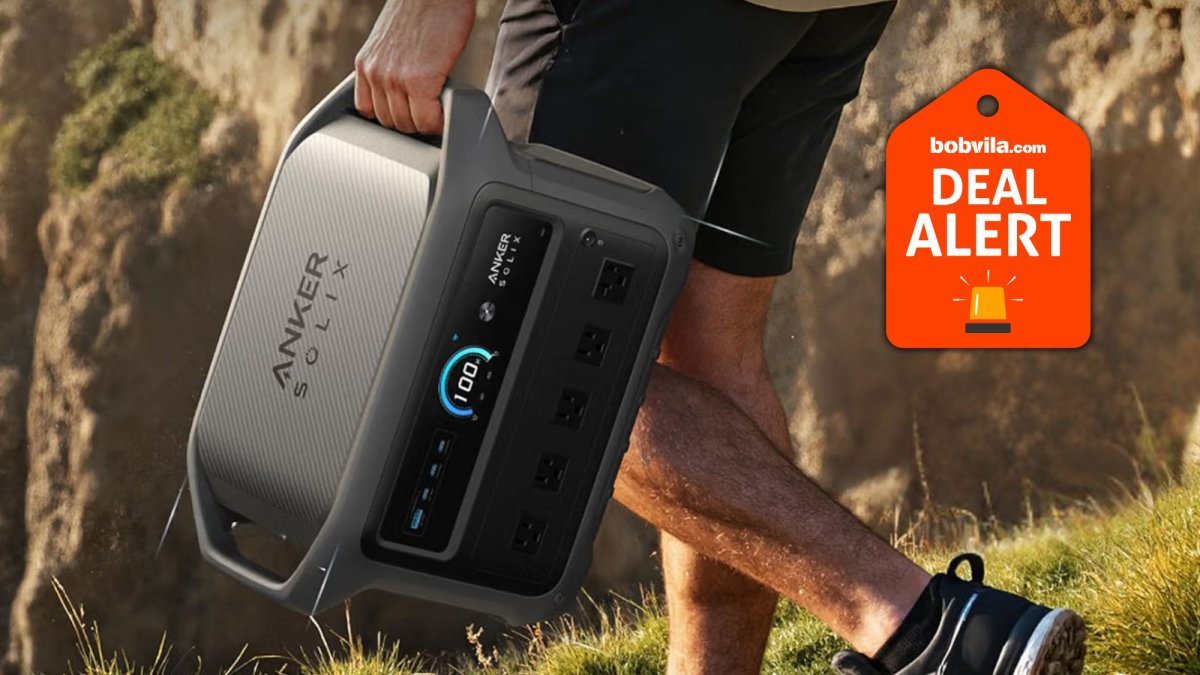
Furthermore, the integration of solar charging capabilities has turned these stations into "solar generators." Bundles currently on sale often include foldable monocrystalline solar panels, allowing users to recharge their batteries independently of the grid. This capability is increasingly viewed as a vital fallback during extended regional disasters where fuel for traditional generators may be scarce or inaccessible.
Comparative Value and Pricing Data
The current Amazon clearance event offers several notable entry points for various budgets:
- Entry-Level: The Anker Prime 200W Charging Station is available for $69.99 (reduced from $79.99), serving as a bridge between a standard power bank and a full-scale station.
- Mid-Tier: Units in the 500Wh to 1000Wh range are seeing the deepest percentage cuts, with several models falling below the $0.50 per Watt-hour threshold—a long-standing benchmark for "good value" in the industry.
- Expansion Options: Significant discounts are also being applied to expansion batteries. These "dumb" batteries connect to master units to double or triple capacity without the need for additional inverters, providing a modular path to whole-home backup.
Technical Considerations for Consumers
As consumers navigate these deals, technical specifications remain paramount. A critical distinction in the current sale is the difference between "Continuous Output" and "Peak/Surge Output." High-end models like the Anker SOLIX series provide pure sine wave inverters, which are essential for sensitive electronics like desktop computers and modern televisions. Lower-cost alternatives sometimes use modified sine waves, which can damage sensitive components over time.
Additionally, the "recharge rate" has become a competitive battleground. Newer models from Anker and DJI featured in this sale can often reach an 80 percent charge in under an hour when plugged into a standard AC wall outlet. This is a significant improvement over older technology that required six to ten hours for a full cycle, allowing users to quickly top off their reserves between rolling blackouts.
Industry Implications and the "Green" Transition
The aggressive discounting of these units also reflects the broader push toward electrification. As more municipalities implement restrictions on small gas-powered engines due to noise and air quality concerns, the market for battery-electric alternatives has expanded. Portable power stations are now frequently used on construction sites, for outdoor events, and in food trucks, replacing the ubiquitous "loud" generator.
The inclusion of vehicle-charging equipment and solar panels in the Amazon sale further emphasizes the ecosystem approach brands are taking. By offering a complete off-grid power solution, manufacturers are positioning themselves as energy companies rather than just hardware vendors.
Chronology of the Sale Event
The "Early Black Friday" phenomenon has effectively extended the holiday shopping season by nearly two months. Historically, significant discounts on power hardware were reserved for the "Prime Day" events in July or the actual Black Friday weekend in late November. However, the 2024 cycle shows a distinct shift:
- Early October: Initial "Teaser" deals on entry-level power banks.
- Mid-October: Major price drops on mid-range units (DJI, Jackery).
- Current Phase: Full clearance of previous-generation high-capacity units (Anker SOLIX Gen 1 and early Gen 2 models).
This timeline suggests that while even deeper discounts might appear on Black Friday itself, inventory levels for the most popular models may be depleted by then, prompting many consumers to secure their backup systems during this October window.
Conclusion and Forward Outlook
Amazon’s current clearance of portable power stations marks a maturation of the mobile energy market. With discounts reaching 44 percent, the barrier to entry for reliable home backup power has never been lower. As winter approaches, the transition from fossil-fuel-dependent generators to silent, solar-compatible battery systems continues to accelerate.
For the average homeowner, the decision to invest now involves weighing the immediate need for emergency preparedness against the potential for minor technological improvements in next year’s models. However, given the current specifications of LiFePO4-based units like those from DJI and Anker, the hardware has reached a plateau of reliability and efficiency that makes these "Early Black Friday" prices a compelling proposition for those looking to secure their energy future.