admin
admin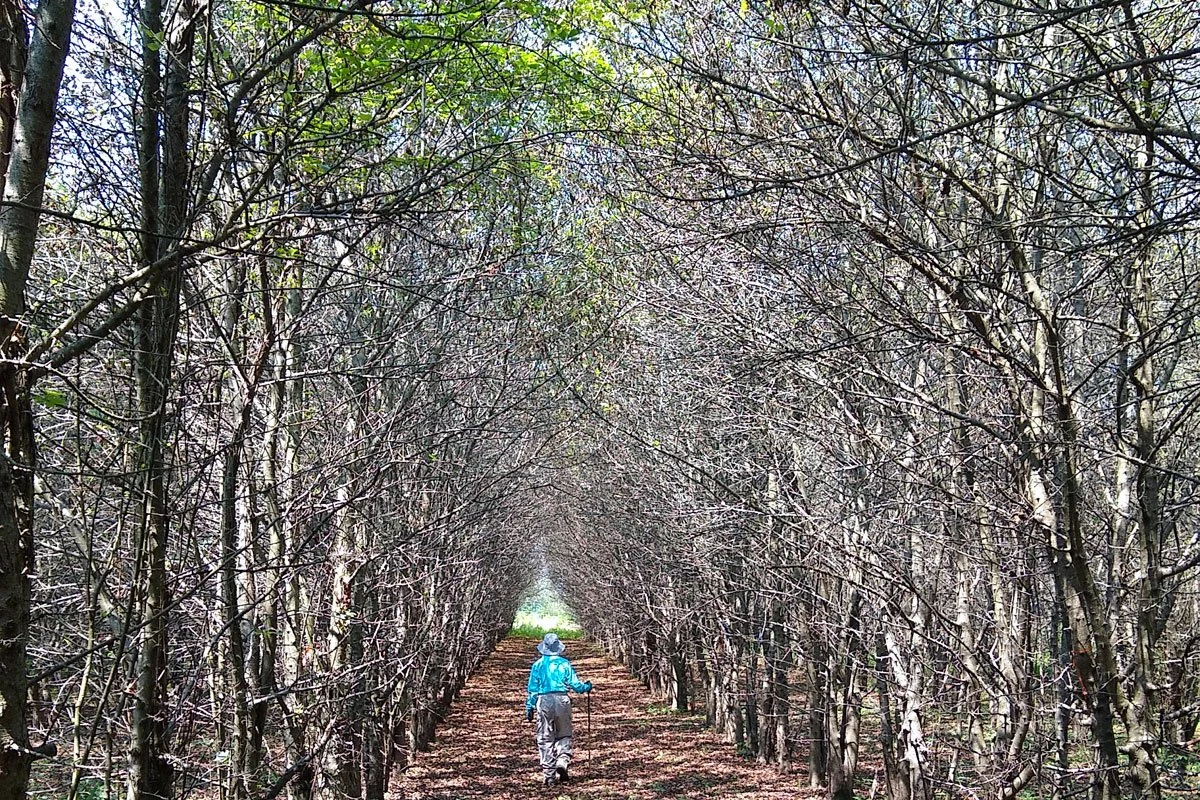
A crucial collection of wild apple trees, originating from the ancient forests of Central Asia and cultivated for nearly two decades at Dawes Arboretum in Ohio, is slated for removal by March 2027. This decision by the arboretum’s leadership has ignited alarm among plant breeders, researchers, and fruit growers who view these 800 Kyrgyz apple trees as an irreplaceable genetic resource vital for safeguarding the future of the American apple industry against evolving threats like climate change, pests, and diseases. The impending uprooting jeopardizes years of painstaking research and a unique repository of biodiversity that scientists believe holds the key to developing more resilient, sustainable, and flavorful apple varieties for generations to come.
The Genesis of a Vital Collection: A Quest for Apple’s Wild Ancestors
The story of these invaluable trees began in the fall of 2004 when Diane Miller, a distinguished tree-fruit specialist, embarked on a two-part Fulbright expedition to Kazakhstan and Kyrgyzstan. Her ambitious quest was rooted in a deep understanding of agricultural vulnerability: to gather seeds from the wild apple trees thriving in Central Asia, recognized as the birthplace of the apple (Malus domestica). This region is home to Malus sieversii, the wild ancestor from which all modern cultivated apples descended, boasting an unparalleled genetic diversity starkly contrasting with the narrow genetic base of commercially grown apples in the United States.
Miller’s expedition was driven by the urgent need to infuse domestic breeding programs with this rich biodiversity. The American apple industry, despite its vast scale, is precariously concentrated on a mere handful of varieties. Data reveals that just 15 apple varieties account for approximately 90 percent of the U.S. market. This genetic uniformity, while simplifying cultivation and marketing, creates a significant vulnerability, making crops susceptible to widespread devastation from a single disease or pest outbreak. In contrast, Central Asia’s thousands of wild apple varieties, having evolved and borne fruit across centuries in diverse and challenging environments, offer a natural library of resistance and adaptation.
The second half of Miller’s expedition in 2005 took her and her teenage daughter, Amy, through the dramatic landscapes of Kyrgyzstan. Their journey traversed rugged alpine passes and arid valleys, leading them to a mountainous region in the west blanketed by ancient apple and walnut forests. The sheer abundance and health of these wild trees were awe-inspiring. A poignant observation during this journey provided an early indicator of the trees’ potential adaptability: the steep, wooded slopes and sandstone bluffs, enveloped by dense greenery, bore a striking resemblance to their home in Appalachian Ohio. "If I squinted a little bit, I could have thought I was at home," recalled Amy Miller, now a fruit grower and plant pathologist. This geographical resonance suggested that these wild Central Asian genetics might be particularly well-suited to the climate and soil conditions of the American Midwest.
A Sanctuary for Apple Diversity in Ohio: Two Decades of Growth
Upon their return to Ohio, the Millers brought with them hundreds of seeds, each a tiny vessel of potential resilience. The longevity of the parent trees in their native habitat suggested they carried robust disease resistance—a trait desperately needed in American varieties to potentially reduce the heavy reliance on chemical sprays. In the spring of 2007, these precious seeds were planted as seedlings in a dedicated research plot at Dawes Arboretum, a sprawling 2,000-acre preserve situated in an agricultural community east of Columbus, Ohio.

This initial planting became part of a much larger collection, spanning approximately 15 acres and encompassing roughly 6,000 trees. This broader collection included controlled crosses of domestic varieties and selections from previous U.S. Department of Agriculture collection trips to Kazakhstan, making the Dawes site a significant hub for apple genetic research. The Kyrgyz apples, in particular, thrived in their new Ohio home. For nearly two decades, these approximately 800 trees have grown into a unique and invaluable repository of wild apple genetics.
Over the years, this collection has come to be viewed by many breeders and growers as critical for the long-term viability of the domestic apple industry. American apple growers currently face a complex array of challenges, including intense global competition, the escalating impacts of climate change, and rising operational costs. The genetic material housed at Dawes offers a potential buffer against these adversities. Eliza Greenman, a germplasm specialist at the agroforestry nonprofit Savanna Institute, underscores its profound importance: "It can be the foundation to a future of apple growing that ensures clean water and biodiversity… and the health of farmworkers. It’s a foundation to unlocking apple flavors, too—to extending the boundaries of what we think apples can taste like."
The Peril of Monoculture: Why Genetic Diversity Matters
The U.S. apple industry’s narrow genetic base is not merely an academic concern; it represents a significant economic and ecological vulnerability. Domestic apples are highly susceptible to a range of pests and diseases. Common threats include the codling moth, a devastating insect pest, and fungal diseases like apple scab, which blemishes fruit and reduces market value, as well as fireblight, a destructive bacterial disease capable of rapidly killing entire trees. To combat these persistent threats and maintain marketable yields, apple orchards often require intensive pesticide application, sometimes on a weekly basis, leading to increased costs, environmental concerns, and potential health risks for farmworkers.
This high-risk, high-reward model, as Greenman describes it, is exemplified by popular varieties like the Honeycrisp. While highly prized by consumers for its intense sweetness and distinctive crunch, the Honeycrisp is notoriously delicate and challenging to grow, demanding significant inputs in terms of sprays and specialized cultivation systems. Growers tolerate these added frustrations and increased costs because the market price for Honeycrisp can be three times that of sturdier alternatives. However, this focus on a few commercially successful, yet vulnerable, varieties creates a "genetic bottleneck," a term used by Matthew Moser Miller, an Ohio orchardist and cider maker familiar with the Dawes collection (and unrelated to Diane and Amy Miller). A limited genetic pool inherently weakens disease resistance, making trees more susceptible to new pathogens or evolving strains over time. The diverse Kyrgyz trees at the arboretum offer a crucial safeguard, providing an immense variety of genetic traits that could confer greater crop resilience and introduce novel flavors.
In Kyrgyzstan, where the Millers collected their genetic material, apples have been cultivated for centuries in a wild, biodiverse setting. These trees have never been subjected to the intense selective breeding and domestication in isolation that characterize American apples. Consequently, they remain largely unbothered by the pests and diseases that plague commercial orchards. For the Millers, this inherent hardiness made them invaluable for breeding programs. Their vision was to cross these robust, wild traits with the intense sweetness and trademark crunch that consumers demand from modern varieties like Honeycrisp, thereby creating new apples that offer both consumer appeal and environmental sustainability. "The future of the apple industry needs more disease resistance built in," Greenman asserts, "or else breeding will be replaced by creating chemicals."
A Sudden Shift: The Eviction Notice and Its Chronology
The promising future envisioned for these Central Asian apples, however, was suddenly cast into doubt. In mid-December 2025, Diane Miller received a letter from Stephanie Crockatt, who had taken over as Dawes Arboretum’s executive director in November 2024. The directive was stark: the trees, a living library of genetic potential, were to be removed by the end of March 2026. This abrupt notice left Miller and the wider apple breeding community reeling.

Chronology of Key Events:
- Fall 2004 – 2005: Diane Miller undertakes Fulbright expedition to Kazakhstan and Kyrgyzstan, collecting wild apple seeds.
- Spring 2007: Seedlings from the expedition are planted in a research plot at Dawes Arboretum in Ohio, becoming part of a 15-acre, 6,000-tree collection.
- 2007 – 2024: The Kyrgyz apple trees thrive for nearly two decades at Dawes. Diane Miller conducts extensive breeding work, selecting candidates, propagating them, and studying their traits.
- 2024: The Midwest Apple Foundation, which had been tending the collection under an informal agreement, attempts to formalize a research agreement with Dawes Arboretum under interim leadership. The Millers are optimistic.
- November 2024: Stephanie Crockatt assumes the role of Executive Director at Dawes Arboretum.
- Mid-December 2025: Diane Miller receives a letter from Dawes Arboretum, requesting the removal of the apple trees by March 2026, citing a change in research priorities.
- Late December 2025 – Early 2026: A broad coalition of over 100 plant breeders, researchers, fruit growers, agroforesters, and nonprofits, led by Eliza Greenman, signs a letter pleading for an extension to the deadline.
- Early 2026: Dawes Arboretum extends the deadline by one year, to March 2027.
- Late February 2026: Diane and Amy Miller, along with conservation biologist Matt Thomas, visit Dawes to collect scionwood from 120 trees as a first step in salvaging the genetics.
- Late Summer 2026: Planned collection of budwood.
- Winter 2026-2027: Planned final collection of scionwood during dormancy.
- March 2027: Final deadline for removal of the trees from Dawes Arboretum.
Dawes Arboretum’s Rationale and the Unraveling of a Handshake Agreement
Stephanie Crockatt, Dawes Arboretum’s executive director, explained that the decision was driven by a re-evaluation of the arboretum’s research priorities and land management strategies. She stated that genetic research and crop production, as represented by the apple collection, no longer align with the institution’s core mission. While Dawes hosts other research collections—including those for maple, buckeye, and witch hazel—these are governed by formal research agreements that clearly outline responsibilities and expectations. Crockatt emphasized that the Kyrgyz apple collection, unlike these others, had not met those guidelines. "It really is a situation where we have been a host, not a partner," she asserted.
The informal nature of the agreement highlights a common challenge in long-term research collaborations. The relationship between Dawes and the nonprofit Midwest Apple Foundation, whose members had diligently tended and monitored the entire 15-acre collection since its inception, had developed out of a handshake agreement between leaders who are no longer at their respective institutions. Amy Miller recounted that the foundation attempted to formalize an agreement with Dawes in 2024, during a period of interim leadership at the arboretum. Their proposal aimed to rehabilitate the full planting, replacing evaluated trees with new seedlings for ongoing observation. With a funding plan in place and what seemed to be support from Dawes at the time, the Millers were optimistic. However, the next communication they received from the arboretum was the December 2025 eviction letter, sparking profound frustration and a frantic search for a new home for the plant material.
Amy Miller expressed her disappointment with the new leadership’s approach: "The new leadership team didn’t show any interest in actually learning what we have there. They didn’t reach out with any questions or to get any background information on what is even going on there. They just suddenly said, ‘Pack your stuff and get out.’" Crockatt, however, countered that when she arrived, research on one plot had been concluded and another left unattended, allowing invasive species to proliferate and threaten nearby collections. She reiterated that the arboretum’s decision was "based on alignment to our nonprofit mission."
A Community Rallies: Pleas for Preservation and the Race to Salvage a Legacy
The directive for removal, initially giving only a few months, prompted widespread alarm. Eliza Greenman characterized the situation as mere "triage." In response, she drafted a powerful letter, which garnered signatures from more than 100 plant breeders, researchers, fruit growers, agroforesters, and nonprofits. The letter passionately pleaded for an extension, arguing that the collection "can be used, studied, and evaluated for years to come." This collective outcry succeeded in pushing Dawes to extend the deadline by a year, to March 2027. While this extension offers a crucial reprieve, Greenman warns that even with the added time, the decision risks dismantling an unrivaled resource for apple breeders that could take decades, if not centuries, to reassemble.
Diane Miller’s work at Ohio State, the Midwest Apple Improvement Association, and the Midwest Apple Foundation has consistently championed plant breeding focused on "genetic diversity for environmental resilience." Her breeding program at Dawes aimed to select for desirable qualities over generations, while simultaneously maintaining a vast library of traits for future breeders. The Kyrgyz trees, she noted, "have inherent vigor that is lacking in domestic apples." Furthermore, they boast unusually high quantities of phenols, beneficial chemical compounds known for their antioxidant and anti-inflammatory properties, adding another layer of value beyond disease resistance.

However, plant breeding is an inherently long-term process, one that will be severely interrupted by the forced exit from the arboretum. Moving the entire collection of mature trees, some standing 20 feet tall, would be impossible. Even moving a carefully selected portion would fail to capture the collection’s immense genetic diversity. Miller and her team are now engaged in a desperate race against time. They will spend the next year collecting scionwood—cuttings used for grafting—to propagate clones from the existing planting. This effort aims to preserve at least a portion of the genetic material, but it comes with significant limitations. They will lose the mature trees themselves, whose age and long-term performance are integral to fully understanding their potential. "It takes time to sort and sift all that out," Miller explained. "They don’t just jump out and say, ‘I’ve got multi-gene disease resistance. Take me.’"
In late February 2026, Diane and Amy Miller, accompanied by Matt Thomas, a conservation biologist and Amy’s partner, visited Dawes to begin the arduous process of collecting scionwood. Their initial effort salvaged material from 120 trees. They anticipate two more opportunities: in late summer for budwood collection, and again during the trees’ dormancy next winter. Despite these efforts, they acknowledge that they won’t be able to salvage everything. Crucially, what they do collect will no longer be growing on its own roots, which, as Diane Miller points out, diminishes their ability to fully evaluate a tree’s inherent vigor and potential.
Irreversible Loss and Broader Implications for Agriculture
Once the Millers have rescued what genetic material they can by next spring, Crockatt stated that the remaining trees will be taken to local zoos to be browsed on by animals. "It’s not like they’re going to be destroyed and forgotten," Crockatt said, "They will serve a purpose." For apple breeders and genetic conservationists, however, the trees’ highest purpose would be to remain in the ground at Dawes, continuing to serve as a vast, living library of genetic material whose potential can be explored, studied, and utilized over decades.
The potential loss of this collection carries profound implications, not just for the apple industry but for broader agricultural resilience and scientific research. Matthew Moser Miller encapsulates the urgency: "While we have it, we should protect it and try to preserve it, lest we shortsightedly allow it to be lost. At that point, it may be difficult, if not impossible, to recover those lost genetics." The dismantling of such a unique and extensive germplasm repository represents a significant scientific setback. It disrupts ongoing breeding programs, eliminates opportunities for future discoveries, and diminishes the overall genetic toolkit available to address emerging threats to food security.
The challenges faced by the Millers and the apple breeding community at Dawes Arboretum underscore a larger, systemic issue in agricultural research and conservation: the often-precarious funding and institutional support for long-term, foundational genetic work. Germplasm collections, while not always yielding immediate commercial returns, are vital insurance policies against future ecological and agricultural crises. Their value often increases with time as new threats emerge and the need for resilient traits becomes more apparent. The fate of the Kyrgyz apple trees at Dawes serves as a stark reminder of the delicate balance between institutional priorities, informal agreements, and the critical, long-term imperative of preserving biodiversity for the health of our food systems.
As Diane and Amy Miller seek suitable host sites to rebuild a fragmented version of their precious collection, the broader agricultural community watches with concern. The hope remains that enough of this invaluable genetic legacy can be preserved and continue its journey towards shaping a more diverse, resilient, and sustainable future for apples in the United States and beyond.