admin
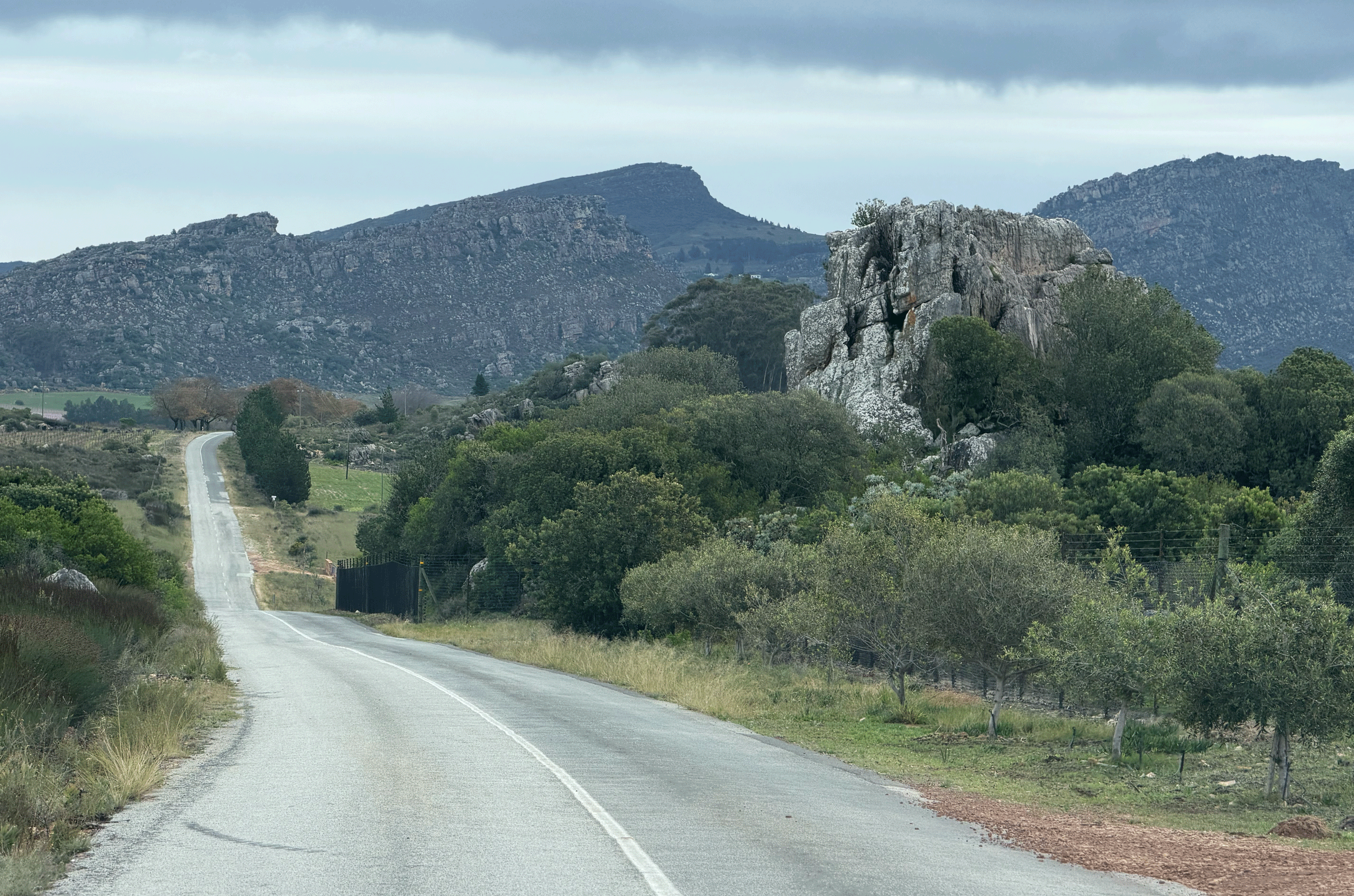
The Cederberg Mountains, often referred to as "the land of the red gods," represent a captivating mountain wilderness nestled within South Africa’s Western Cape. This dramatic landscape, characterized by colossal iron-stained sandstone formations meticulously weathered over millennia, is not only a haven for elusive Cape leopards but also a living canvas displaying thousands of ancient San rock art examples depicting elephants, buck, and human figures in ochre and clay. Amidst this rugged, ancient beauty thrives Cederberg Wines, a testament to pioneering viticulture at extreme altitudes.
The Ancient Heart of the Cederberg Wilderness
The Cederberg Wilderness Area is a geological marvel, forming part of the majestic Cape Fold Belt. Its distinctive landscape is dominated by spectacular sandstone formations, sculpted by wind and water into fantastical shapes, arches, and caverns over millions of years. The striking red hues, from which its moniker "land of the red gods" derives, are a result of iron oxides present in the sandstone, which deepen in intensity with the changing light of day. This area is not merely picturesque; it is a critical ecological zone, forming part of the Cape Floral Region Protected Areas, a UNESCO World Heritage Site renowned for its unparalleled biodiversity. The Fynbos biome, unique to the Western Cape, flourishes here, hosting an extraordinary array of plant species, many of which are endemic. Among these is the critically endangered Clanwilliam Cedar (Widdringtonia cedarbergensis), the region’s namesake, whose sparse remnants cling to rocky outcrops, highlighting the area’s fragile natural heritage.
Human history in the Cederberg stretches back tens of thousands of years. The San people, indigenous hunter-gatherers, left an indelible mark on the landscape through their prolific rock art. These intricate paintings, found in numerous shelters and caves throughout the mountains, offer invaluable insights into their spiritual beliefs, daily lives, and the rich fauna that once roamed these plains. The depictions of elephants, various antelope species, and human figures often engaged in ritualistic dances or hunting scenes, provide a poignant connection to a distant past, making the Cederberg an archaeological treasure trove. The sheer volume and preservation of these artworks underscore the region’s profound cultural significance, attracting researchers and visitors alike who seek to understand the origins of human expression and interaction with the natural world.
Cederberg Wines: Cultivating Quality at Altitude
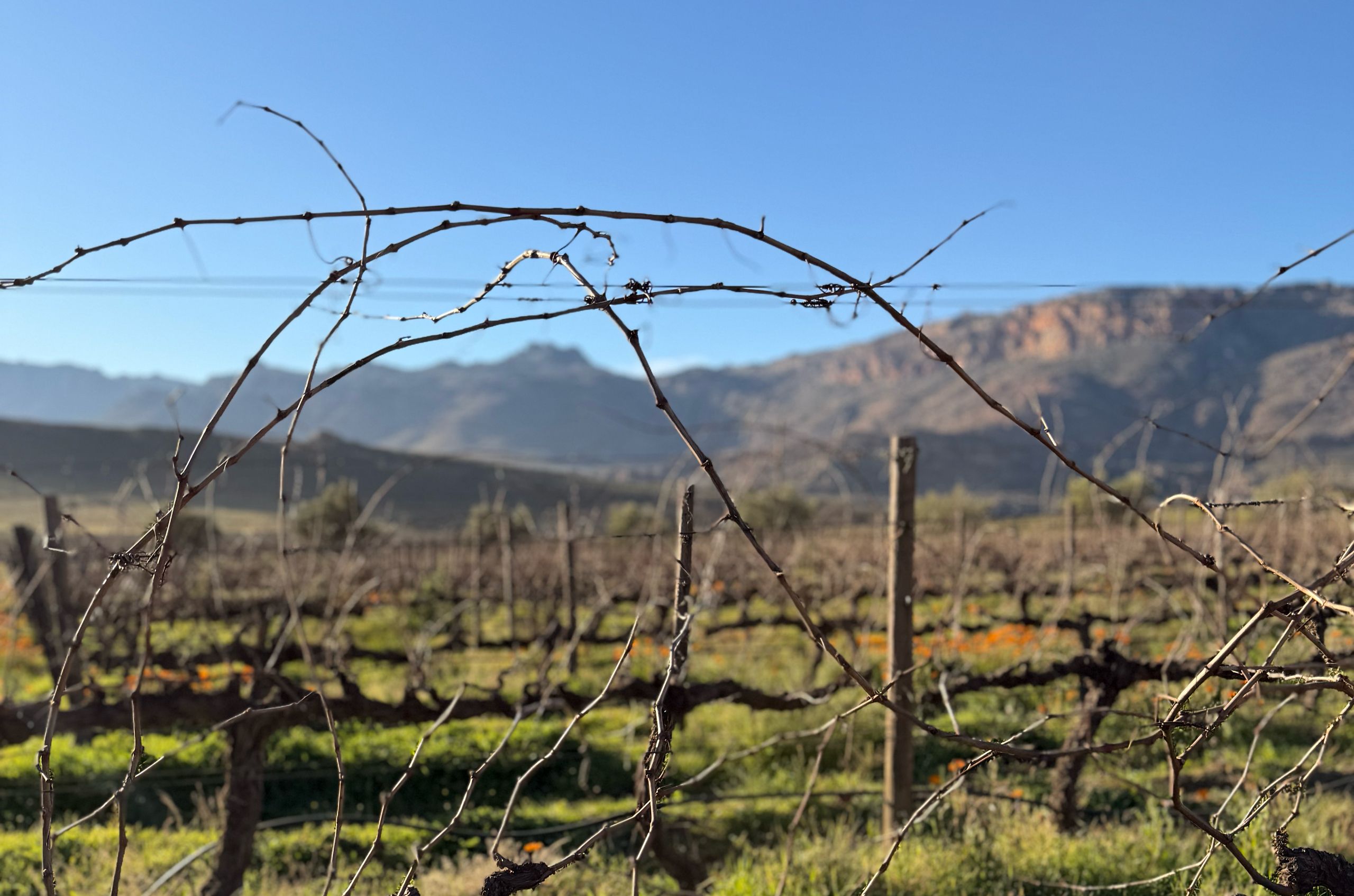
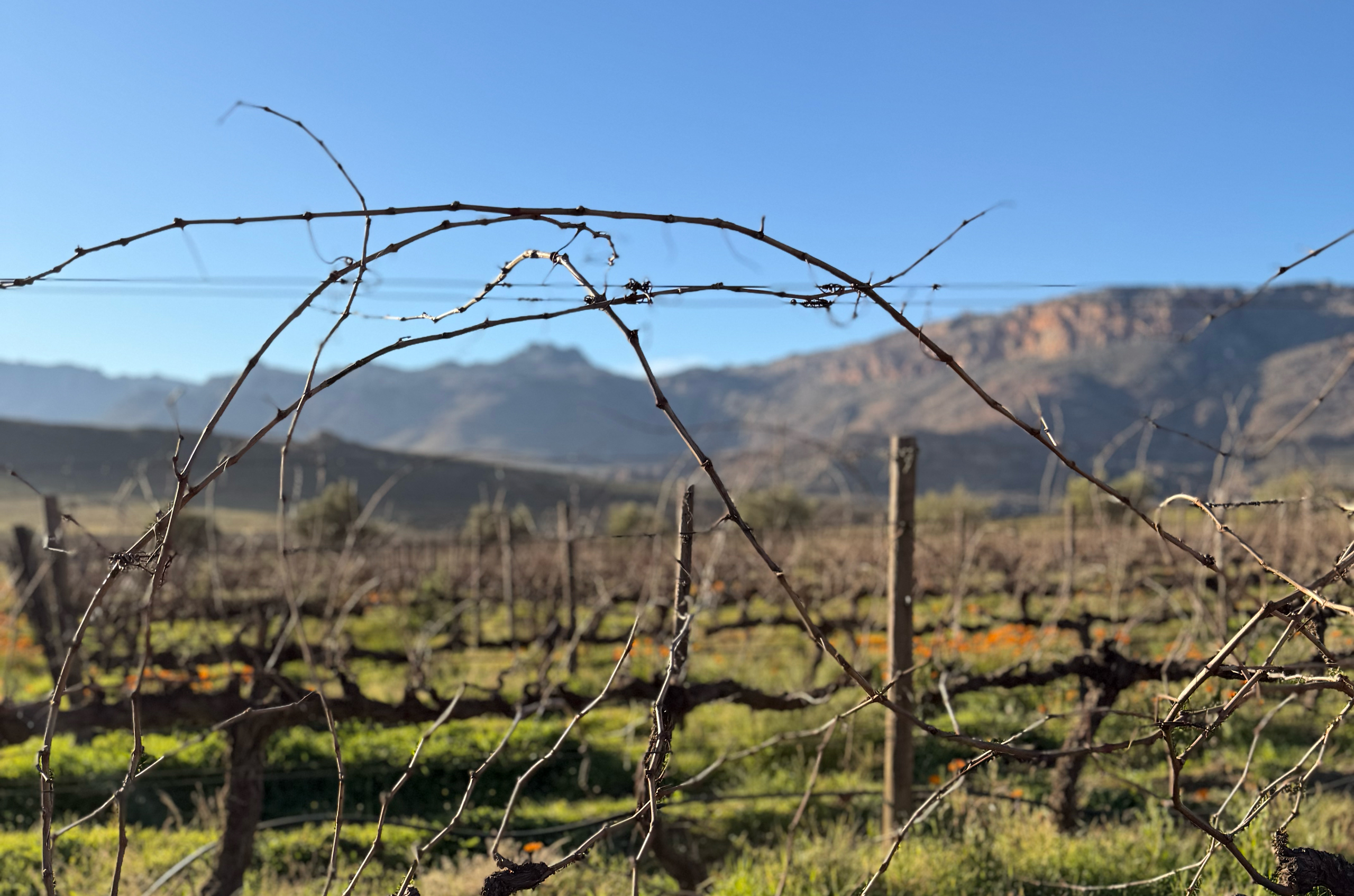
Against this backdrop of ancient geology and rich biodiversity, Cederberg Wines has carved out a unique niche in the global wine industry. Its vineyards in Dwarsrivier are exceptionally situated at an elevation of 1,000 meters above sea level, making them among the highest in the Cape Winelands. This extreme altitude is not merely a topographical feature but a defining characteristic that profoundly influences the region’s viticultural success and the distinctive profile of its wines.
The elevation provides a unique microclimate that stands in stark contrast to the warmer, more maritime conditions prevalent in many other South African wine regions. During the growing season, while days can be intensely sunny, the nights bring dramatically cooler temperatures, resulting in a significant diurnal temperature shift. This wide temperature variation is crucial for grape development. It allows for a slower, more extended ripening period, which in turn promotes the gradual accumulation of sugars while preserving vital acidity. The grapes develop concentrated flavors, aromatic complexity, and a desirable balance that is often difficult to achieve in hotter climates. This natural acidity is a hallmark of Cederberg wines, providing freshness and longevity.
The soils of the Cederberg vineyards are predominantly derived from sandstone, characterized by their rocky, well-draining nature. These soils contribute to the unique mineral characteristics often found in the wines. While the region experiences hot, dry summers, the vineyards benefit from natural water sources – pristine mountain springs and aquifers – allowing for judicious irrigation. This careful management of water, combined with the extreme conditions, encourages vines to develop deep root systems, fostering resilience and expressing the unique terroir of the area.
Cederberg Wines, a family-owned estate with a history spanning generations (as hinted by their ‘Five Generations Chenin Blanc’), has pioneered viticulture in this challenging yet rewarding environment. Their commitment extends beyond winemaking to include significant conservation efforts, reflecting a deep respect for the surrounding wilderness. The winery actively participates in sustainable farming practices, recognizing its role as a custodian of the fragile ecosystem.
The Diverse Offerings of South Africa’s High-Altitude Viticulture
Cederberg Wines exemplifies a broader trend within the South African wine industry: the exploration and exploitation of diverse, often extreme, terroirs. While the traditional wine regions of Stellenbosch and Paarl remain dominant, a growing number of producers are seeking out cooler climates and higher elevations, not only to differentiate their offerings but also as a strategic response to the challenges of climate change.
Regions like the Ceres Plateau, also at high altitude, are gaining recognition for producing exceptional cool-climate varietals. The Piekenierskloof, part of the Citrusdal Mountain district in the Olifants River region, another area highlighted by several featured wines, is similarly distinguished by its elevation and ancient soils, yielding concentrated and expressive wines. Even the distant Sutherland-Karoo in the Northern Cape, with vineyards at an astounding 1,500m, represents the frontier of this high-altitude movement, where winemakers like Kruger Family Wines are realizing dreams of crafting unique wines in places previously deemed unsuitable.
The specific wines featured alongside Cederberg’s offerings further illustrate this diversity and pioneering spirit:
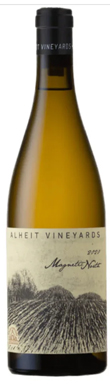
- Alheit Vineyards, Magnetic North, Piekenierskloof, Citrusdal Mountain, Olifants River, 2025: Sourced from old, dry-farmed, ungrafted blocks at 520m, this wine hints at the delicate balance of sea-shells, white peach, pear, lemon, rainwater-honey, and blossom, showcasing the nuanced expressions possible from these ancient sites.
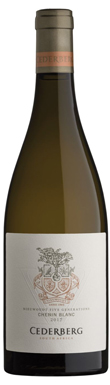
- Cederberg Private Cellar, Five Generations Chenin Blanc, Ceres Plateau, 2024: A flagship example of high-altitude Chenin Blanc, undergoing long, wild fermentation in French oak and concrete eggs. Its aromatics of white ginger flowers, beeswax, earth-and-iron, and ripe orange underscore the complexity derived from its unique terroir.
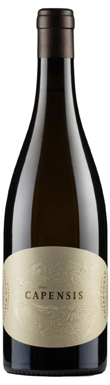
- Capensis, Fijnbosch Chardonnay, Banghoek, Stellenbosch, 2022: Representing Stellenbosch’s highest Chardonnay vineyard at 600m, this wine reveals notes of crushed rocks, kumquat-citrus (a site hallmark), vanilla, toast, and an underlying minerality, demonstrating that even established regions are pushing their altitudinal limits.
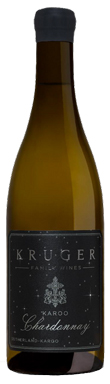
- Kruger Family Wines, Karoo Chardonnay, Sutherland-Karoo, Northern Cape, 2025: An ambitious project from the Roggeveld escarpment at 1,500m, embodying a winemaker’s dream to produce wine in a place where "at night, the silence sings." This pushes the boundaries of viticulture in South Africa.
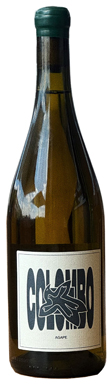
- Dan Colombo, Agape Palomino, Piekenierskloof, Citrusdal Mountain, Olifants River, 2025: Highlighting the revival of Palomino, a grape once common for brandy and fortified wines, now finding a special home in South Africa’s high-altitude vineyards, showcasing its potential beyond traditional uses.
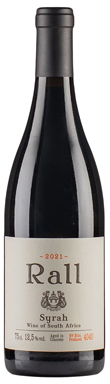
- Rall Wines, Ceres Plateau Syrah, Ceres Plateau, 2025: A red-fruited Syrah with lambent intensity, produced with 100% whole bunch fermentation. Its notes of sour cherries, num-nums fruit, red apple crunch, mountain scrub, and milkwoods reflect the vibrant character of its high-altitude origins.
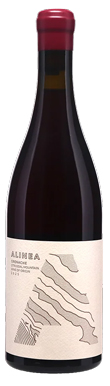
- Alinea Wines, Grenache, Piekenierskloof, Citrusdal Mountain, Olifants River, 2025: Rising star Natasha Jacka crafts this driven Grenache from sandstone-rooted vines at 750m, showcasing purity and expression through traditional methods like foot-crushing and wild fermentation.
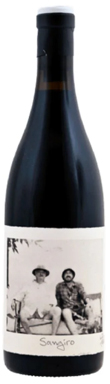
- Swartberg Wingerde, Sangiro Pinotage, Piekenierskloof, Citrusdal Mountain, Olifants River, 2023: An elegant Pinotage grown at 700m, demonstrating the grape’s capacity for refinement when cultivated in cooler, elevated environments. The label itself tells a story of heritage and collaboration.
- Lowerland Wines, Tolbos Tannat, Prieska, Northern Cape, 2024: An organic, single-vineyard Tannat from a lesser-known region, crafted by Lukas van Loggerenberg. Its evocative scents of black tea, jasmine, and rhubarb, with dark, velvety fruit, suggest the exciting potential of new terroirs and varietals.
- Vino pH, Pinot Noir, Ceres Plateau, 2025: Hanneke Krüger’s new venture, focusing on Pinot Noir from Koue Bokkeveld shale soils. This wine promises alluring freshness and density, underscoring the potential for world-class Pinot Noir from South Africa’s cool-climate highlands.
Implications and Future Outlook
The success of Cederberg Wines and the broader trend of high-altitude viticulture carry significant implications for the South African wine industry and the regions involved.
Economic and Environmental Impact: For remote areas like the Cederberg, wineries provide crucial economic opportunities, including employment in vineyard management, winemaking, and tourism. The development of wine tourism in these regions can further stimulate local economies. Environmentally, Cederberg Wines’ commitment to conservation sets a precedent. Wineries operating in sensitive ecological zones are increasingly recognizing their role as environmental stewards, investing in biodiversity protection and sustainable practices. This model can serve as a blueprint for responsible agricultural development in other ecologically vulnerable areas.
Diversification and Reputation: The exploration of high-altitude terroirs allows South Africa to diversify its wine offerings, moving beyond its well-established reputation for certain varietals and styles. Wines from these regions often exhibit characteristics of freshness, elegance, and complexity, appealing to a global market increasingly seeking unique expressions of terroir. This diversification enhances South Africa’s standing as a versatile and quality-driven wine-producing nation, capable of competing with established cool-climate regions worldwide.
Adaptation to Climate Change: High-altitude viticulture is also emerging as a vital strategy for climate change adaptation. As global temperatures rise, many traditional wine regions face challenges such as accelerated ripening, loss of acidity, and increased water stress. Moving vineyards to higher elevations, where temperatures are naturally cooler and rainfall patterns may differ, offers a proactive approach to mitigating these impacts. The experiences of Cederberg and other high-altitude producers provide valuable insights and models for the future resilience of the wine industry.
Innovation and Research: The challenges of cultivating grapes in extreme conditions often drive innovation in viticultural and enological practices. This includes research into drought-resistant rootstocks, precision irrigation techniques, and indigenous yeast strains. The pioneering spirit of winemakers in these regions contributes to a dynamic and evolving industry, pushing the boundaries of what is possible in viticulture.
In conclusion, the Cederberg region, with its breathtaking landscapes, ancient cultural heritage, and the pioneering spirit of Cederberg Wines, stands as a powerful symbol of South Africa’s multifaceted wine identity. It represents a harmonious blend of nature, history, and modern viticultural excellence, showcasing the country’s capacity to produce world-class wines from the most unexpected and challenging terroirs. As the global wine landscape continues to evolve, high-altitude regions like the Cederberg are poised to play an increasingly important role in shaping the future of South African wine.