admin
admin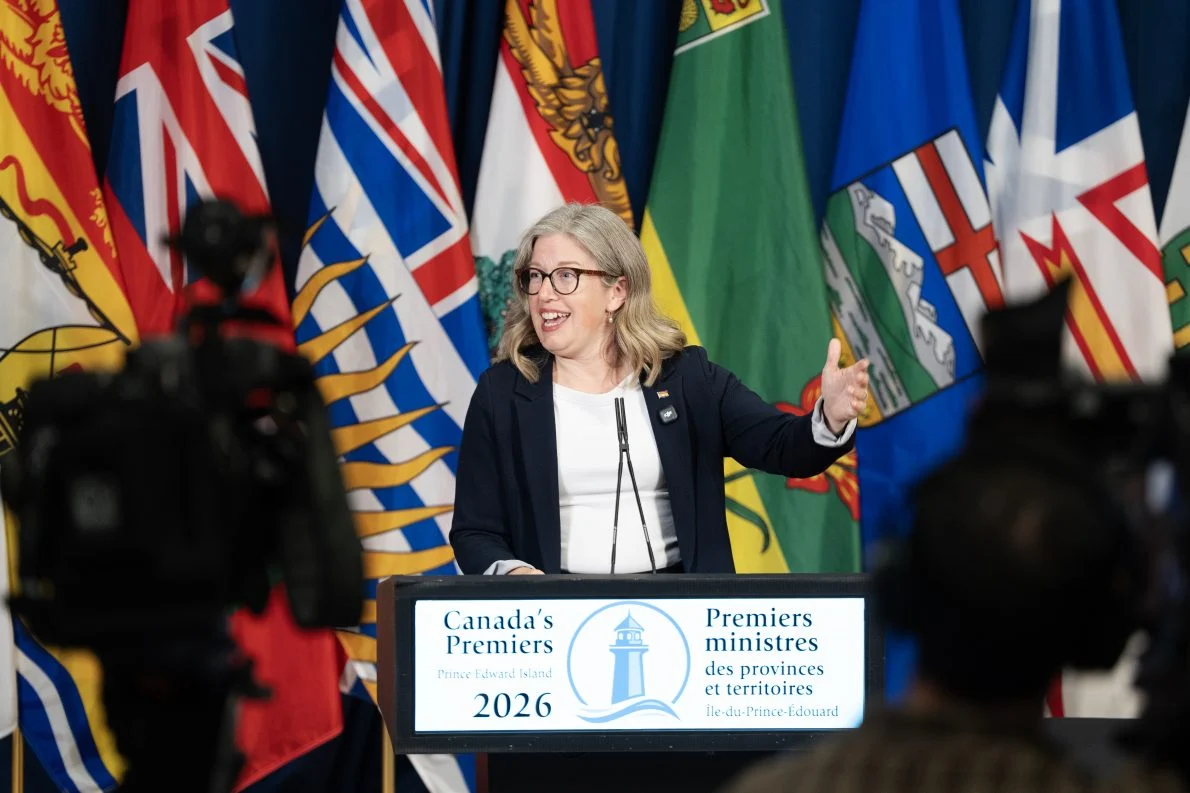
In a landmark decision signaling a renewed commitment to strengthening Canada’s internal economy, the premiers of nine provinces announced on Tuesday, July 21, 2026, the immediate removal of significant barriers to interprovincial sales of alcohol. This groundbreaking agreement will allow brewers, vintners, and distillers to sell their products directly to consumers across participating provincial borders, regardless of jurisdiction. The move is widely seen as a pivotal step towards enhancing internal trade, bolstering Canadian producers, and potentially mitigating the impact of external economic pressures, including a recent threat by U.S. President Donald Trump to impose a 50 percent tariff on most Canadian goods.
The agreement, forged during the premiers’ meeting in Charlottetown, Prince Edward Island, represents a substantial shift from long-standing, often restrictive, provincial regulations that have historically hampered the free flow of Canadian-made alcoholic beverages. For decades, direct-to-consumer sales of beer, wine, and spirits manufactured in one province and shipped to another were largely governed by complex, often prohibitive, bilateral agreements between provinces or were simply not permitted. This new accord aims to dismantle these intricate frameworks, fostering a more unified domestic market.
A Decades-Long Battle for Open Borders

The struggle to liberalize interprovincial alcohol trade has been a protracted one, deeply rooted in Canada’s post-Prohibition era. Following the repeal of alcohol prohibition in the early 20th century, provinces established their own liquor control boards (LCBs) – Crown corporations tasked with regulating the sale, distribution, and pricing of alcohol. While these boards served various purposes, including revenue generation, public health control, and managing social impacts, they inadvertently created significant interprovincial trade barriers. Each province effectively became its own economic island when it came to alcohol, requiring producers to navigate a patchwork of regulations, tariffs, and distribution monopolies.
Calls for reform have echoed for years from various sectors, particularly from the burgeoning craft beer, wine, and spirits industries. Small and medium-sized producers argued that these barriers stifled their growth, limited market access, and prevented them from competing effectively with larger, often international, brands. Consumers, too, expressed frustration over limited access to unique regional products and the inability to order directly from their favourite out-of-province producers.
The constitutional basis for internal trade in Canada, Section 121 of the Constitution Act, 1867, states that "All Articles of the Growth, Produce, or Manufacture of any one of the Provinces shall, from and after the Union, be admitted free into each of the other Provinces." However, court interpretations and provincial legislative actions have historically allowed for exceptions and regulatory complexities that effectively limited its application to direct-to-consumer alcohol sales. A notable legal challenge, the 2018 Supreme Court of Canada decision in R. v. Comeau, while affirming the federal government’s power over interprovincial trade, largely upheld provincial authority to regulate alcohol within their borders, leaving the onus on political will to dismantle these barriers.
Chronology of a Breakthrough

The path to Tuesday’s announcement began much earlier, culminating in a significant commitment made just over a year ago.
- June 2025: All ten provinces and the Yukon signed a groundbreaking memorandum of understanding (MOU) committing to open their boundaries to direct-to-consumer alcohol sales by May 2026. This signaled an unprecedented level of consensus among provincial and territorial leaders on the issue.
- August 2025: New Brunswick emerged as a trailblazer, becoming the first province to fully open its borders to out-of-province direct-to-consumer alcohol sales, fulfilling its commitment ahead of schedule.
- Early 2026: Manitoba followed suit, implementing regulations to allow direct shipments from other provinces, further demonstrating the growing momentum towards liberalization.
- July 21, 2026: Nine provinces officially announced the immediate implementation of the new trade system, effectively knocking down most remaining barriers. British Columbia, while a signatory, indicated it would require additional time to finalize its regulatory framework, aiming for implementation no later than February 2027.
External Pressures as a Catalyst
While the internal economic benefits of liberalized alcohol trade have long been recognized, an external geopolitical development appears to have significantly accelerated the premiers’ collective action. Just days before the Charlottetown meeting, U.S. President Donald Trump announced a plan to implement steep 50 percent tariffs on most Canadian goods, including beer, wine, and spirits. This aggressive protectionist stance from Canada’s largest trading partner underscored the vulnerability of the Canadian economy to external shocks and likely served as a powerful impetus for strengthening internal trade ties.
New Brunswick Premier Susan Holt, speaking to reporters in Charlottetown, underscored this sentiment. "Canadians can get the benefits of these products, strengthening internal trade – being our own best customer at a time when it really matters," she stated, highlighting the strategic importance of bolstering domestic markets in the face of international trade disputes. The threat of punitive tariffs from the U.S. likely provided a compelling, urgent reason for premiers to overcome their historical differences and act decisively to foster economic resilience within Canada.

Industry and Consumer Reactions: A Wave of Optimism
The announcement has been met with widespread enthusiasm from the Canadian alcohol industry and consumer advocates alike. For craft breweries, small-batch distilleries, and boutique wineries, this agreement unlocks immense potential. Previously, a winemaker in British Columbia’s Okanagan Valley or a craft brewer in Nova Scotia might struggle to reach customers in Ontario or Alberta without navigating complex provincial liquor board systems, often involving multiple layers of distribution and significant markups. Now, they can ship directly, reducing costs and expanding their customer base exponentially.
"This is a game-changer for Canadian craft producers," remarked Martha Chen, President of the Canadian Craft Beverage Association, in a statement released shortly after the announcement. "Our members have been advocating for this for years. It means more choice for consumers, more growth for our businesses, and more jobs for Canadians. It allows us to truly operate as a national industry." The Okanagan winemakers, in particular, have expressed significant celebration, viewing the agreement as a vital step to accessing a broader Canadian market and enhancing the profile of their award-winning wines.
Consumers stand to benefit from an unprecedented array of choices. Imagine being able to order a specific artisanal gin from Quebec, a unique cider from British Columbia, or a rare microbrew from Newfoundland, all delivered directly to your doorstep. This convenience and expanded access could foster a deeper appreciation for Canada’s diverse regional beverage landscape. It also introduces an element of competition that could lead to more competitive pricing and innovation within the industry.

The Holdouts: Unique Realities and Future Prospects
While nine provinces eagerly joined the new system, Quebec, the Yukon, the Northwest Territories, and Nunavut did not sign the immediate agreement. However, the statement released by the signatory provinces indicated that Quebec and the Yukon were "working to join in the near future."
Quebec’s absence is notable, given its significant size and vibrant culinary and beverage scene. Its provincial liquor board, the Société des alcools du Québec (SAQ), holds a powerful monopoly and plays a substantial role in provincial revenues. Integrating a direct-to-consumer model would require significant adjustments to its existing regulatory and revenue collection frameworks. Discussions are likely underway to find a model that respects Quebec’s unique system while still adhering to the spirit of the interprovincial agreement.
The reasons for the Northwest Territories and Nunavut’s non-participation are distinct and rooted in their "unique realities." A joint statement from the two territories explained that "many of our communities have locally determined alcohol restrictions or prohibitions that reflect community priorities and cultural values." These include "dry" communities where alcohol sales are entirely prohibited, or "restricted" communities where strict limits apply. "Respecting community self-determination is fundamental to how alcohol is managed in the North," the statement emphasized. Imposing a blanket direct-to-consumer system could undermine these local governance structures and public health initiatives designed to address the unique challenges of alcohol consumption in remote Indigenous communities. Any future inclusion of these territories would likely require highly tailored agreements that prioritize community-level autonomy and public health.

Broader Economic Implications and the Path Forward
This agreement is more than just about alcohol; it symbolizes a significant step in a larger, ongoing effort to dismantle interprovincial trade barriers across Canada. Economists have long argued that internal trade barriers cost the Canadian economy billions of dollars annually, hindering productivity, innovation, and national competitiveness. By reducing friction for a specific, high-value consumer good like alcohol, the premiers are demonstrating a political will that could spill over into other sectors.
The economic implications are multifaceted:
- Boost for Domestic Producers: Canadian brewers, vintners, and distillers, particularly small and medium-sized enterprises (SMEs), will gain immediate access to a much larger national market. This could lead to increased production, investment in new facilities, and job creation across the country.
- Enhanced Consumer Choice: Consumers will benefit from an expanded selection of products, fostering greater appreciation for regional specialties and potentially driving down prices through increased competition.
- Internal Market Resilience: In an era of increasing global trade uncertainties, strengthening Canada’s internal market provides a crucial buffer against external shocks. By "being our own best customer," as Premier Holt suggested, Canada can create a more robust and self-reliant economy.
- Revenue Adjustments: Provincial liquor boards and governments will need to adapt their revenue models. While direct-to-consumer sales might bypass some traditional distribution channels, sales tax revenues and potentially new licensing fees could offset some losses. The overall economic activity generated by a more vibrant internal market could also lead to higher tax revenues.
- Logistical Challenges: The new system will require robust logistical solutions for shipping, age verification, and potentially harmonized taxation across provincial lines. Private courier services will likely play a larger role, and producers will need to ensure compliance with varying provincial regulations, even if direct sales are permitted.
The agreement signals a renewed commitment from provincial and territorial leaders to work collaboratively with each other and the federal government to further streamline Canada’s economy. The statement from the signatory premiers articulated this vision: "Provinces and territories remain committed to working with each other and the federal government to maintain momentum in removing barriers to build a more resilient and streamlined economy and to unlock Canada’s full economic potential."

As Canada navigates a complex global economic landscape, marked by protectionist tendencies and supply chain vulnerabilities, the decision to tear down internal trade walls for alcohol serves as a powerful testament to national unity and economic foresight. While challenges remain, particularly in integrating Quebec and the territories and harmonizing regulatory details, this agreement sets a vital precedent for future efforts to build a truly integrated Canadian common market. The ripple effects of this landmark decision are expected to resonate across the Canadian economy, fostering growth, innovation, and a stronger sense of national economic cohesion.
— With files from Jack Farrell in Edmonton