admin
admin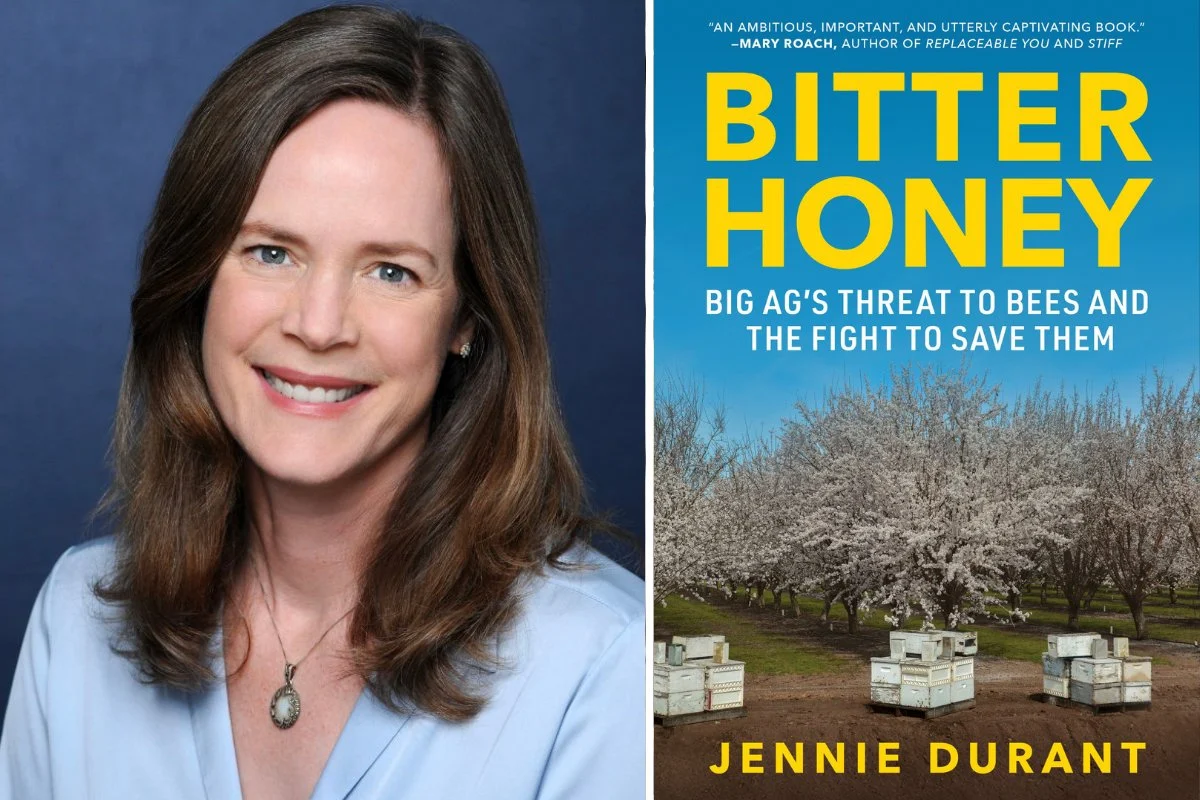
The captivating hum of a beehive, the rich aroma of wax and honey, proved to be an intoxicating revelation for Dr. Anna Durant, an experience that, coupled with reading Sue Monk Kidd’s The Secret Life of Bees—a novel where beekeeping offers refuge and enlightenment—ignited an unexpected passion. This pivotal apiary visit set Durant on a profound new trajectory: one that would see her become a dedicated beekeeper, a staunch advocate for pollinators, and ultimately, the author of a solutions-oriented book, Bitter Honey: Big Ag’s Threat to Bees and the Fight to Save Them. Her journey into the intricate world of bees began precisely as global news outlets sounded the alarm on the enigmatic disappearance of bee colonies, a phenomenon then widely known as Colony Collapse Disorder (CCD).
The Genesis of a Crisis and a Call to Action
The urgency of Durant’s work is underscored by the critical role bees and other pollinators play in sustaining global ecosystems and human food systems. Approximately 35 percent of the world’s food crops, representing a staggering economic value estimated between $235 billion and $577 billion globally each year, are directly reliant on animal pollination. The precipitous decline in bee populations, therefore, does not merely threaten a species; it imperils the very foundation of our agricultural productivity and, consequently, our food security. Durant’s nearly two decades of intensive research, spanning her Ph.D. studies at the University of California, Berkeley, a postdoctoral fellowship with the U.S. Department of Agriculture (USDA), and a science and technology policy fellowship with the American Association for the Academy of Sciences (AAAS), have consistently pointed to industrial farming practices as the paramount risk factor for bees.
While the bee crisis has generated substantial media attention, with much of the focus historically centering on the detrimental effects of pesticides, particularly neonicotinoids, Durant’s seminal work, Bitter Honey, adopts a far broader, systems-level approach. Her book meticulously dissects the myriad ways in which agricultural industrialization has fundamentally reshaped farming landscapes, profoundly altering the habitats essential for bee survival. Civil Eats recently engaged with Dr. Durant to explore the inherent vulnerability of bee populations, their indispensable contribution to food systems, and the innovative, emerging solutions that could foster the resilience of both managed colonies and native pollinator populations for generations to come.
"Bitter Honey": A Deeper Dive into the Systemic Issues
Durant asserts that Bitter Honey distinguishes itself from prior literature on the bee crisis by explicitly framing the industrial agricultural system as the primary, overarching driver of bee vulnerability and decline. While some previous works have touched upon the food system as a contributing factor, Durant’s book is presented as the first to unequivocally position it as the central antagonist. A unique aspect of her methodology, she explains, is the integration of human narratives: "I spent 14 years with this community and I highlight the voices of the beekeepers. In each chapter, you get close to a beekeeper and get to know their personal story." This human-centric approach grounds the scientific and policy discussions in lived experiences. Furthermore, the book dedicates three crucial chapters to solutions, showcasing practical, on-the-ground initiatives that are already making a tangible difference.
The "Five Ps": Primary Drivers of Bee Decline
To elucidate the multifaceted threats facing bees, Durant expands upon an expression commonly used by beekeepers, "The Four Ps," by adding a critical fifth element. These five interconnected factors collectively contribute to the illnesses and untimely deaths observed across bee populations and other essential pollinators:
- Pests: The foremost biological threat is the Varroa destructor mite. These parasitic mites attach themselves to honey bee bodies, feeding on their vital fat body tissue—an organ crucial for energy storage, immune function, and detoxification. This direct physical harm is compounded by the Varroa mite’s role as a vector for deadly diseases, analogous to how mosquitoes transmit malaria.
- Pathogens: Directly linked to Varroa mite infestations, pathogens represent the second "P." The mites transmit a range of debilitating viruses, including the deformed wing virus (DWV) and acute bee paralysis virus (ABPV). These viruses severely impair bees’ ability to fly, forage, and maintain colony health, leading to widespread colony collapse. The synergistic effect of mite infestation and viral infection is particularly devastating, weakening entire colonies and making them more susceptible to other stressors.
- Pesticides: The third significant factor is pesticides, with neonicotinoids being a particularly problematic class. These systemic insecticides are absorbed by plants, rendering the entire plant, including its pollen and nectar, toxic to insects. Even sub-lethal doses of neonicotinoids can profoundly impact a bee’s neurological functions, impairing its ability to forage efficiently, navigate back to the hive, and communicate effectively. For queen bees, exposure can reduce reproductive capacity, further compromising colony vitality. The persistence of these chemicals in the environment and their widespread use across vast agricultural landscapes pose an existential threat.
- Poor Nutrition: Modern monoculture farming practices, characterized by vast tracts of single crops, are a major contributor to poor bee nutrition. Unlike a diverse field of wildflowers that offers a varied diet of pollen and nectar throughout the growing season, monocultures provide a nutritional feast during their brief bloom, followed by a famine once the flowers fade. This lack of dietary diversity deprives bees of essential micronutrients, weakening their immune systems and making them more vulnerable to pests, pathogens, and pesticides.
- Bad Policy: Durant’s added fifth "P" highlights the critical role of inadequate policy and regulatory frameworks. There is a demonstrable lack of comprehensive data on the toxicity of many agricultural chemicals to bees, hindering effective risk assessment and regulation. Furthermore, she points to significant funding cuts to vital research and conservation programs, particularly those witnessed during the Trump administration, which have had severe repercussions. An example cited is the threatened shutdown of the Beltsville Agricultural Research Center in Maryland, a critical institution for bee health research. These policy shortcomings come at a time when honey bee losses are at historic highs; in recent years, beekeepers have reported losing an average of 60 percent of their colonies, primarily due to mite-transmitted viruses, underscoring the urgent need for robust governmental support.
The Research Process: Uncovering the "Bitter Honey" Truth
Durant’s research for Bitter Honey was exhaustive, focusing initially on understanding how beekeepers adapted their management practices to meet the demands of the almond industry. The almond bloom in California represents an unprecedented migratory event for commercial beekeeping, with 90 to 95 percent of all commercial colonies in the U.S. converging on the state’s Central Valley. This immense logistical undertaking led Durant to question the connection between this intensive pollination service and honeybee vulnerability.
Her investigation encompassed beekeepers of all operational sizes, from those managing 50 colonies to vast operations with 90,000 hives. She traveled extensively, visiting almond orchards in California’s Central Valley and queen breeding facilities in Chico. Recognizing that 40 percent of all commercial bee colonies migrate to the Midwest after the almond season, she also conducted interviews with beekeepers in North Dakota, capturing a comprehensive picture of the industry’s geographical scope and operational challenges. A year-long fellowship in Washington, D.C., focused on pollinator policy, provided Durant with a "50,000-foot view" of federal regulations. Working closely with officials at the U.S. Environmental Protection Agency (EPA) and USDA, she gained insight into the complex policy landscape beekeepers must navigate. She observed the dedication of many individuals within the USDA working to support beekeepers, yet also noted the disproportionately lower institutional support afforded to honey and beekeeping compared to other major commodity and livestock sectors, particularly in the face of budget cuts.
The Symbolism of "Bitter Honey": A Faustian Bargain
The evocative title, Bitter Honey, carries profound symbolic weight. It refers to the honey produced by bees foraging in almond orchards, which possesses an acrid, unpalatable flavor due to naturally occurring chemical compounds in almond nectar. This "bitter honey" is rarely sold commercially; instead, beekeepers typically leave it in the hives for the bees’ own consumption. Durant explains that this phenomenon serves as a powerful metaphor for the "Faustian bargain" that beekeepers have made with the almond industry.
To meet the immense pollination demands, beekeepers transport their colonies across vast distances, often from states like North Dakota, to California. This migratory beekeeping pushes the bees far beyond their natural cycles. Almonds bloom in late winter, a period when bees would ordinarily be in a state of "winter clustering," a form of semi-hibernation, conserving energy. To force activity during this dormant period, beekeepers must feed the bees artificial supplements and aggressively manage mite infestations. Furthermore, the industry favors breeding highly productive queen bees, but these subspecies often exhibit increased susceptibility to mites and diseases. The relentless drive for productivity, while economically beneficial for the almond industry and offering a critical revenue stream for beekeepers, comes at a significant biological cost to the bees, contributing to their overall vulnerability and the high colony losses observed annually.
Historical Context: From Traditional Beekeeping to Industrial Scale
The relationship between humans and bees spans millennia, with evidence of honey harvesting dating back thousands of years. However, the domestication of bees and the commercialization of beekeeping are relatively recent developments. A pivotal invention in this evolution was the Langstroth hive, patented in 1852 by Lorenzo Lorraine Langstroth. This revolutionary design allowed beekeepers to easily remove individual frames from a hive without disturbing the bees, making honey harvesting and hive management significantly more efficient and scalable for commercial enterprises.
During World War I and II, beekeeping played a crucial role in national efforts, with honey and beeswax contributing to wartime supplies. However, the post-war era witnessed a dramatic transformation in agriculture. Farming practices shifted to incorporate technologies and chemicals developed for warfare, such as nitrogen-based fertilizers and synthetic pesticides, initiating the transition towards large-scale monoculture farming. This new agricultural paradigm created landscapes of "feast or famine" for pollinators: a brief period of abundant bloom from a single crop, followed by extensive periods with no available nectar or pollen resources.
Concurrently, the proliferation of agrochemicals, coupled with increasing urbanization, led to a significant decline in native bee populations. As natural pollinator services diminished, the burgeoning industrial agriculture sector, particularly the rapidly expanding almond industry, began to rely heavily on migratory beekeepers to truck in managed honeybee colonies for pollination, filling the ecological void left by disappearing native species. This historical trajectory illustrates a gradual yet profound shift from traditional, localized beekeeping to a highly industrialized, globally integrated system that, while economically productive, places immense stress on bee health.
Research and Solutions: Paths Forward
Durant’s book doesn’t just diagnose the problem; it also offers a comprehensive look at viable solutions. The "three chapters on solutions" highlight efforts already underway to mitigate the crisis. These include:
- Sustainable Agricultural Practices: Promoting diversified farming systems, cover cropping, and reducing reliance on broad-spectrum pesticides can create healthier habitats for bees. Farmers who adopt integrated pest management (IPM) strategies and cultivate pollinator-friendly landscapes around their fields demonstrate tangible improvements in bee health.
- Beekeeper Innovations: Beekeepers are actively developing new methods to manage Varroa mites, breed mite-resistant bee strains, and improve bee nutrition through supplemental feeding strategies and access to diverse forage. Collective action among beekeepers to share best practices and research findings is also crucial.
- Policy Reform and Consumer Advocacy: Advocating for stricter pesticide regulations, increased funding for pollinator research and conservation, and policies that incentivize sustainable agriculture are essential. Consumers can also drive change by choosing products from farms that prioritize pollinator health and by planting pollinator-friendly gardens. Organizations like the Pollinator Partnership and the Xerces Society for Invertebrate Conservation are at the forefront of these advocacy efforts, providing resources and guidance for individuals and policymakers alike.
Broader Implications and the Future of Food Security
The implications of the bee crisis extend far beyond the direct impact on honey production. The decline of pollinators threatens biodiversity, ecosystem stability, and, fundamentally, human food security. Crops like almonds, apples, berries, and many vegetables rely heavily on insect pollination. A sustained decline in pollinator populations could lead to reduced yields, increased food prices, and a narrowing of dietary options. This would disproportionately affect vulnerable populations, exacerbating global food insecurity.
Durant’s work, Bitter Honey, serves as a critical call to action, urging a re-evaluation of our industrial agricultural model. It underscores that saving the bees requires not just mitigating individual threats but fundamentally rethinking the systemic pressures placed upon them. By amplifying the voices of beekeepers, grounding its analysis in rigorous scientific research, and proposing concrete, actionable solutions, the book provides a roadmap for a more sustainable future—one where the sweet promise of honey is not overshadowed by the bitter realities of industrial exploitation. The fight to save the bees is, in essence, a fight for the future of our food and the health of our planet.