admin
admin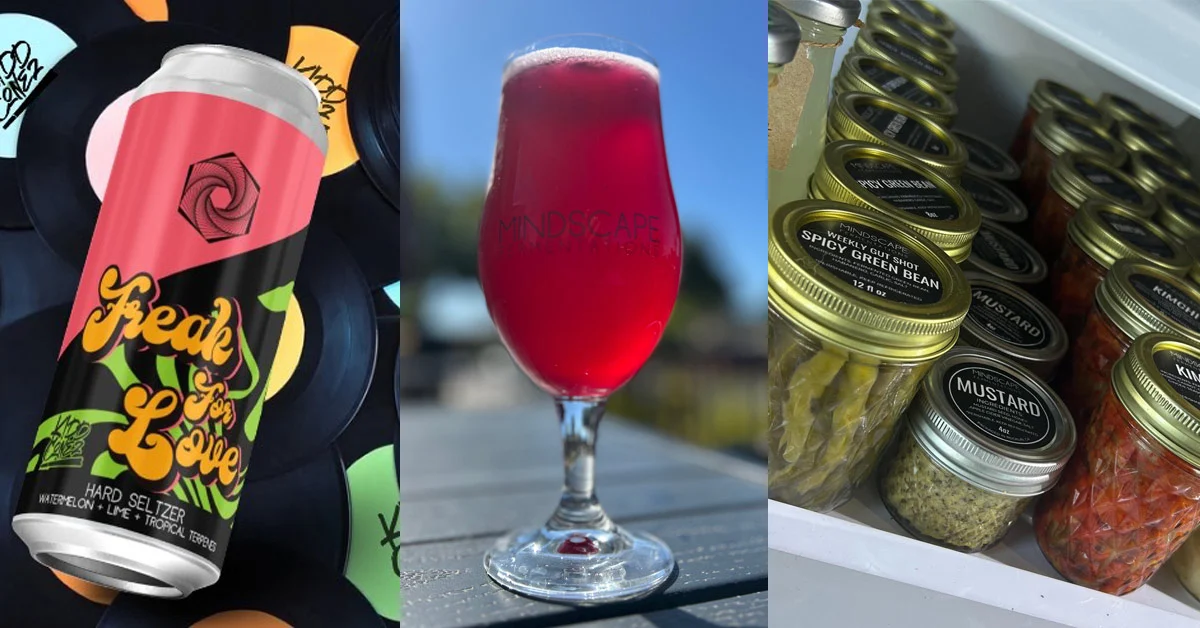
The global craft brewing industry, which experienced a meteoric rise over the last two decades, is currently navigating a period of significant structural transformation. No longer defined solely by the stainless steel tanks of a production facility, the modern brewery is increasingly functioning as a multifaceted community anchor. As the market reaches a point of saturation and economic pressures—ranging from inflated raw material costs to shifting consumer preferences—mount, brewery owners are being forced to rethink the traditional business model. This evolution has led to the emergence of "third places" that integrate social services, shared-equity cooperatives, and experimental fermentation labs that move far beyond the traditional definition of beer.
The Economic Necessity of Innovation
The shift toward diversified brewery spaces is not merely a creative choice but a strategic response to a tightening economic climate. According to industry data from the Brewers Association and various European trade bodies, the cost of carbon dioxide, aluminum, and brewing grains has seen double-digit increases since 2021. Simultaneously, the "sober-curious" movement and the rise of ready-to-drink (RTD) cocktails have challenged beer’s dominant share of the beverage market.
To survive, breweries are expanding their footprints to include coffee shops, coworking spaces, and boutique lodging. However, a new vanguard of brewers is going further, embedding their businesses into the very fabric of local social infrastructure. This is particularly evident in the rise of the tiers-lieu or "third place" model, a concept popularized by sociologist Ray Oldenburg that describes social surroundings separate from the two usual social environments of home ("first place") and the office ("second place").
The Tiers-Lieu Model: A Case Study in Alsace
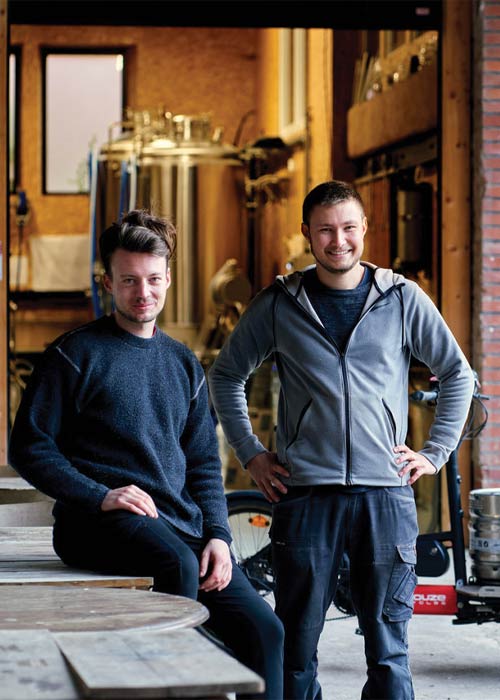
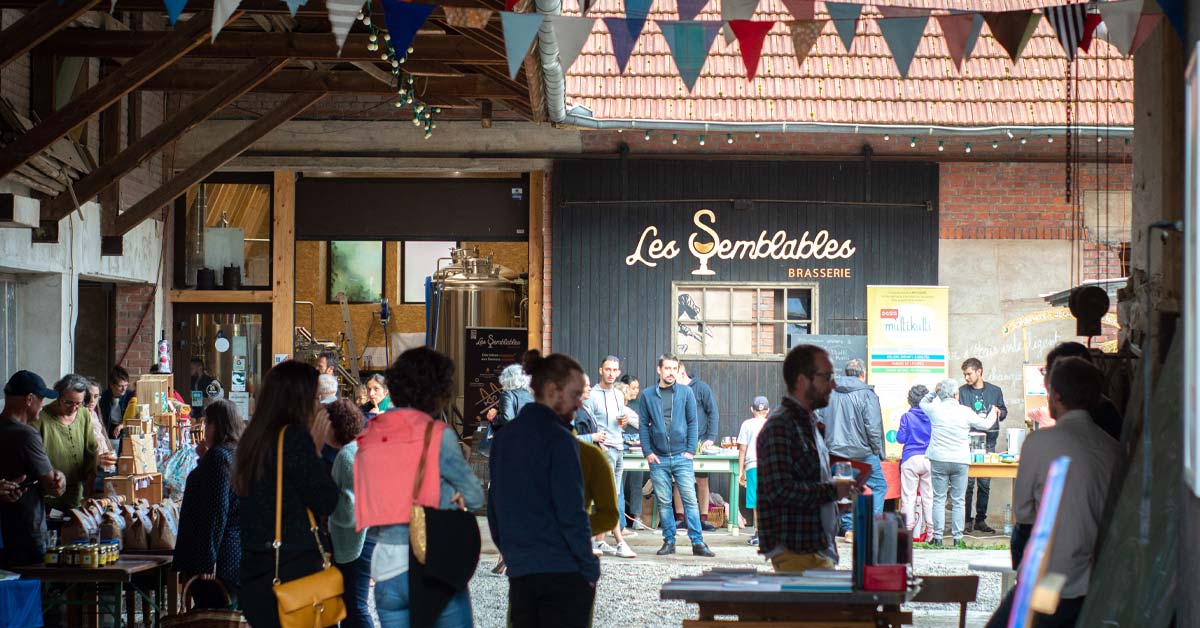
In the Alsace region of France, near the German border, Brasserie Les Semblables exemplifies this shift toward communal integration. Founded by Eliott Pernelle and Etienne Voinson, the brewery was established not in a secluded industrial park, but within a collective known as Oasis Multikulti. Located on a repurposed historic farm in the village of Mietesheim, Oasis Multikulti is a volunteer-run association dedicated to cultural, sustainable, and educational goals.
The decision to settle in a communal space was a tactical move to avoid the isolation and high overhead of independent industrial sites. By installing their equipment in former stables, Pernelle and Voinson inherited an existing audience. Visitors to the farm—whether attending pottery classes, knitting workshops, or the weekly farmer’s market—become natural patrons of the brewery.
However, this model requires a symbiotic relationship. Unlike traditional commercial tenants, the brewers at Les Semblables contribute labor to the collective, managing social media and assisting with facility maintenance. This "sweat equity" ensures the survival of the host organization while providing the brewery with a loyal, built-in community. This model suggests that the future of rural brewing may lie in shared stewardship rather than isolated competition.
The Return of Communal Brewing: The CoHop Cooperative
The concept of shared resources is not a modern invention but a revival of ancient traditions. In Bavaria, the centuries-old tradition of Zoiglbier—where citizens share a communal brewhouse—was recognized by UNESCO as part of Germany’s intangible cultural heritage in 2018. Today, this spirit of cooperation is being modernized in urban centers like Brussels.
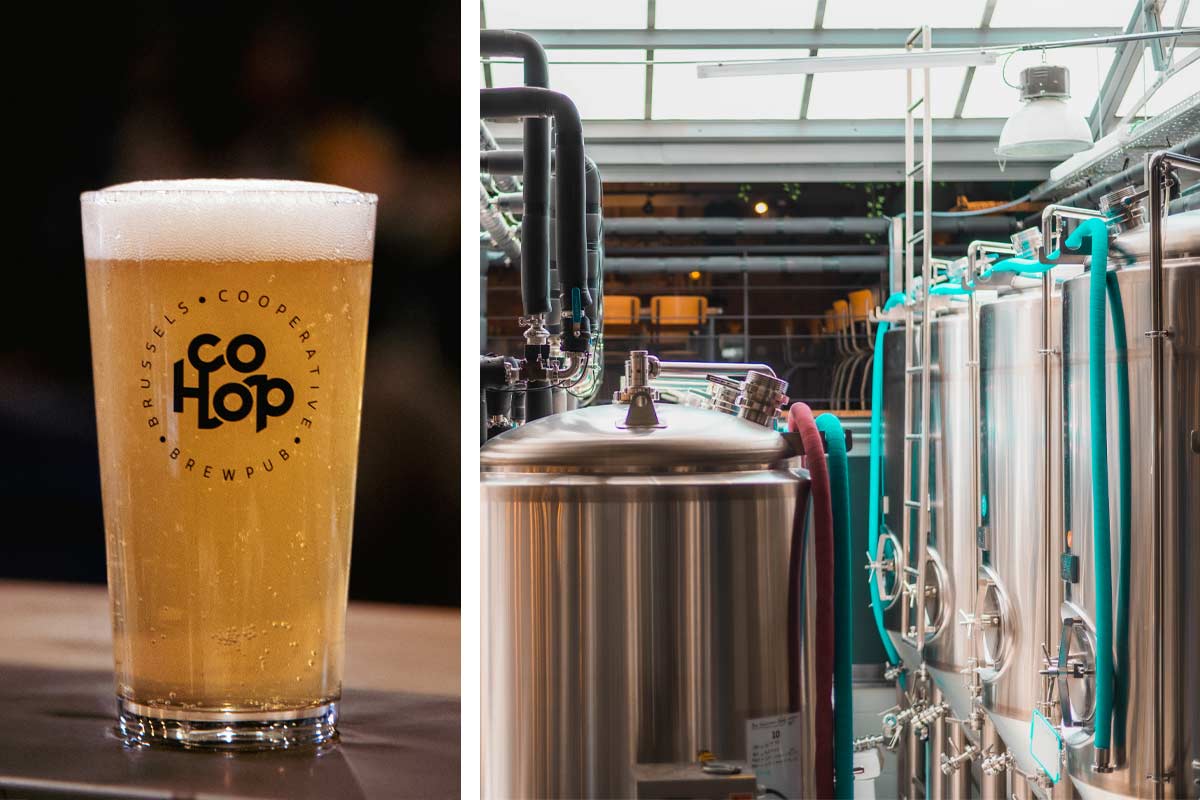
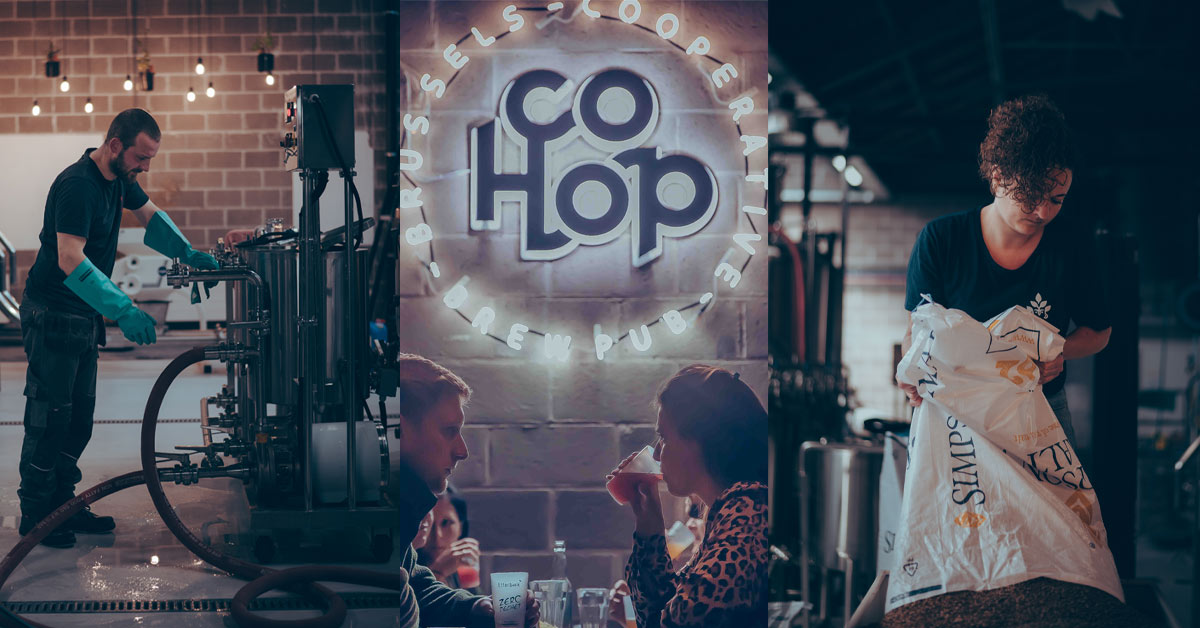
In 2021, Brasserie Witloof founder Thomas Detourbe launched CoHop, a cooperative brewery where five distinct brands share a single production facility and taproom. The collective currently includes La Bagarre, Janine, 1Bière 2Tartines, and La Flaque. The motivation was primarily economic: the capital expenditure required to build five separate microbreweries in an expensive urban market like Brussels would have been prohibitive.
By sharing a single brewhouse, the members of CoHop achieve significant economies of scale. They share the costs of utilities, specialized equipment maintenance, and raw material procurement. Organizationally, the collective operates with a division of labor: one team manages the brewing schedule, another handles logistics, and a third maintains the facility.
The CoHop model also allows for creative cross-pollination. For instance, Janine functions as both a brewery and a bakery, utilizing spent grain from the brewing process to bake bread, which is then served in the onsite restaurant. This circular economy approach reduces waste and creates a unique selling proposition for the venue. According to Rémi Pequin, founder of La Bagarre and CoHop coordinator, the model is a hedge against the "loneliness" and financial risk of the traditional startup path.
From Brewery to Fermentarium: Diversifying the Fermenter
While some brewers are redefining their physical and social space, others are redefining the liquids they produce. The term "brewery" is increasingly being replaced or augmented by "fermentery" or "fermentarium." This shift reflects a move toward a broader "Beyond Beer" category, encompassing kombucha, cider, seltzers, and co-fermented beverages that utilize winemaking techniques.
Establishments like Fermentery Form in Philadelphia and Fox Tale Fermentation in San Jose are leading this trend in the United States. In Rocklin, California, Mindscape Fermentations was founded by Lauren Price and Lauren Houston with the specific goal of transcending the traditional brewery label. By branding themselves as a "fermentarium," they have created a platform to experiment with a wide array of fermented products, including low-alcohol options and fermented foods.
The strategic advantage of this diversification is twofold:
- Market Hedging: If beer sales decline due to health trends or changing tastes, the business can pivot to kombucha, seltzer, or functional fermented beverages.
- Demographic Expansion: Traditional craft beer taprooms have historically skewed toward a male demographic. Houston and Price report that their focus on diverse fermentation and health-conscious options has resulted in a customer base that includes a significantly higher percentage of women and a broader age range compared to standard breweries.
Implications for the Global Craft Industry
The evolution of these "redefined" breweries offers several key insights for the future of the hospitality and manufacturing sectors:
Sustainability Through Sharing: The CoHop model proves that the environmental footprint of brewing can be significantly reduced through shared infrastructure. Fewer brewhouses mean less energy consumption and more efficient use of water and cleaning chemicals.
Cultural Resilience: By embedding themselves in tiers-lieux like Oasis Multikulti, breweries become "too important to fail" for their local communities. They provide more than just tax revenue; they provide social cohesion and support for local arts and agriculture.
Educational Branding: Moving from a "brewery" to a "fermentarium" requires a greater investment in consumer education. However, this education builds deeper brand loyalty and allows businesses to command premium pricing for specialized, artisanal products that don’t fit into standard beer categories.
Conclusion: The New Blueprint for Success
The era of "build it and they will come" for craft breweries has largely concluded. The next decade will likely be defined by those who can successfully integrate their production facilities into broader social and culinary ecosystems. Whether through the French tiers-lieu model, the Belgian cooperative approach, or the Californian "fermentarium" concept, the common thread is a move away from isolation and toward integration.
As economic pressures continue to reshape the landscape, these innovative models provide a blueprint for resilience. By prioritizing community over competition and fermentation over-specialization, these businesses are ensuring that the brewery remains a vital "third place" for generations to come. The success of these ventures suggests that while the pint glass may look different in the future, the spirit of the communal gathering place remains stronger than ever.