admin
admin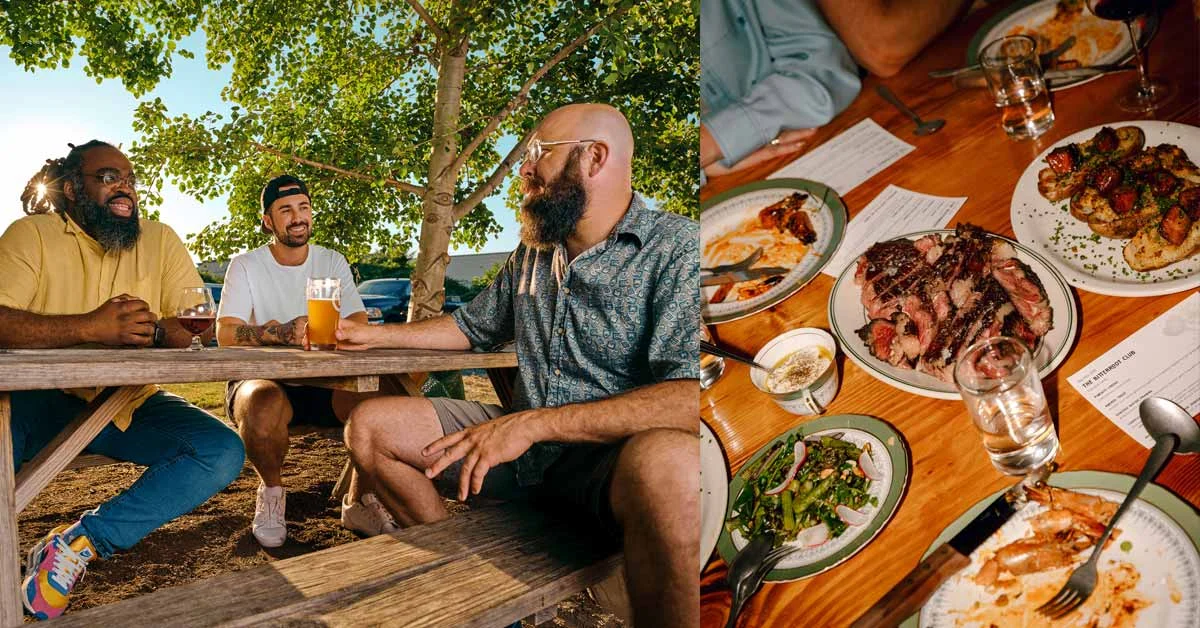
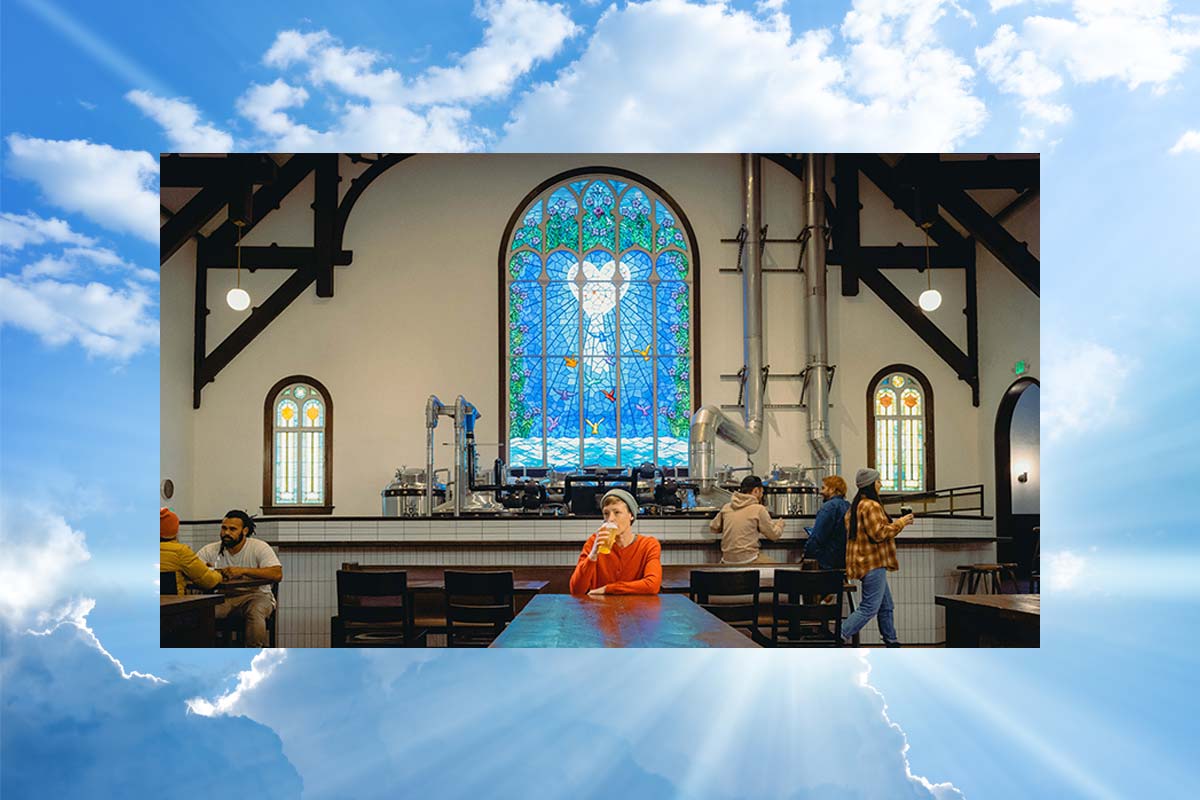
In the heart of Southeast Portland’s Buckman neighborhood, the traditional boundaries between a high-end culinary destination and a neighborhood taproom are blurring. At Grand Fir Brewing, the atmosphere typically reflects the hip-meets-historic aesthetic of the district, featuring a decor of rustic steel and warm wood. However, on Tuesday nights, the establishment undergoes a transformation. Behind a nondescript door in the building’s industrial rear, a windowless room serves as the setting for The Bitterroot Club, a weekly supper club that represents the new frontier of the Oregon craft beer experience. Here, the focus shifts from casual pints to a sophisticated prix fixe menu, where seasonal ingredients are meticulously paired with beers crafted on-site, signaling a strategic shift in how breweries must operate to survive in an increasingly competitive and discerning market.
The Bitterroot Club is the brainchild of co-owners Doug Adams and Whitney Burnside Adams. Doug, a former Top Chef finalist and James Beard Rising Star Award semifinalist, utilizes the space to showcase the culinary expertise that has made him a fixture in the Pacific Northwest food scene. Meanwhile, Whitney, a veteran brewmaster with a pedigree that includes stints at Upright Brewing, Elysian, and 10 Barrel Brewing Company, provides the liquid foundation for the evening. This synergy of "elevated" food and high-caliber brewing is not merely an aesthetic choice; it is a calculated response to a national marketplace where the novelty of craft beer has plateaued, and the demand for multifaceted experiences has surged.
The Intersection of Gastronomy and Fermentation
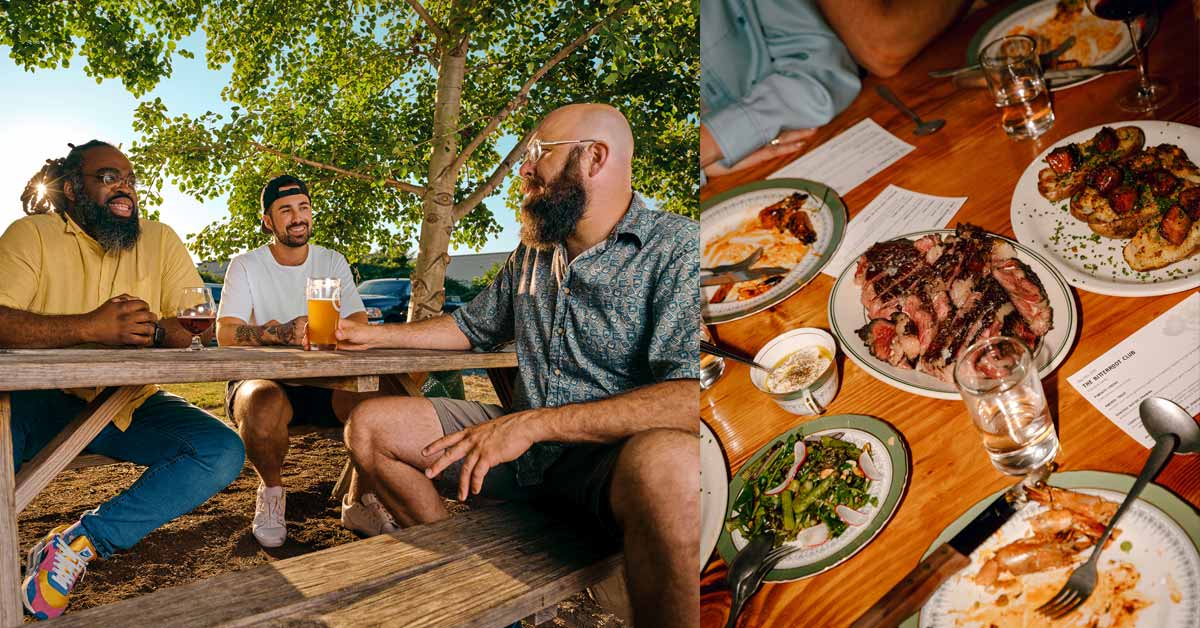
The Bitterroot Club’s offerings exemplify the "elevated" brewpub model. A typical evening might feature a bready Tamarack Fest festbier paired with Columbia king salmon accented by lemon, fig, and basil. The malty sweetness of the German-style lager is designed to cut through the richness of the savory fish. Subsequent courses often include charcoal-grilled pork chops with Nardello peppers and hazelnuts, paired with a Bandit Run Mosaic American IPA to provide a salty smokiness balanced by a crisp finish. For dessert, a light-bodied, citrusy Fresh Hop Strata ale complements a lemon buttermilk pie.
While the $135 per person prepaid reservation places The Bitterroot Club in a premium category, the Adamses maintain that this ethos extends to their daily operations. The regular brewpub menu features artistic iterations of pub classics, such as shrimp rolls with jalapeño Old Bay tartar and fried chicken sandwiches dressed in garlic buffalo sauce. Whitney Adams notes that the term "elevated" is essential to their business model. In a city like Portland, where the density of breweries is among the highest in the world, a standard taproom model may no longer suffice. "I felt that if I were to just open up a brewery, I honestly don’t think it would make it," Whitney explains. "You need a certain angle these days to be successful."
The Historical Foundation of Beervana
To understand why Portland requires such high levels of innovation, one must look at the city’s unique history. Often referred to as "Beervana," Portland’s relationship with beer is deeply rooted in its geography and its early adoption of independent brewing. The term "Beervana" was first popularized in 1994 by Willamette Week, a local alternative weekly, at a time when the city was beginning to dominate the national conversation regarding microbrews.
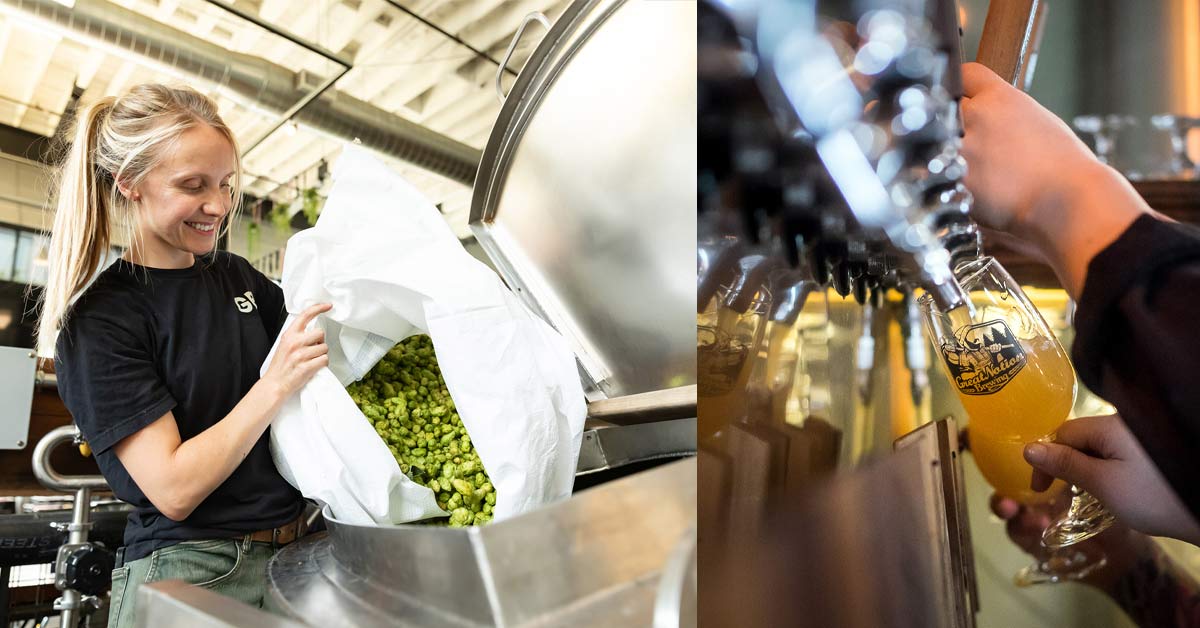
Van Havig, master brewer and co-founder of Gigantic Brewing, attributes the city’s success to its relative geographic isolation. Historically, major national brands like Miller and Budweiser had a smaller footprint in the Pacific Northwest compared to other regions. This allowed local distributors and brewpubs to establish a dominant market share early on. Havig, who began brewing in the 1990s and returned to Portland in 2000 to lead Rock Bottom Brewery, recalls the era as the "big leagues" of craft beer. By the mid-2000s, Portland was already the most developed craft market in the United States, with a consumer base that viewed "craft beer" simply as "beer."
A Chronology of Innovation and Expansion
The evolution of the Portland beer scene can be traced through several distinct eras:
- The Era of the "Big Six" (1980s–1990s): The market was defined by foundational labels that became omnipresent in local dive bars. These included Widmer Brothers’ Hefe, Deschutes’ Mirror Pond Pale Ale and Black Butte Porter, Portland Brewing’s MacTarnahan’s Amber Ale, Full Sail’s Amber Ale, and BridgePort Brewing’s India Pale Ale.
- The Northwest IPA Revolution (1996–2010): BridgePort’s IPA, introduced in 1996, set the template for the region’s signature style—a hop-forward, citrusy, and resinous "hop bomb" that initially confused outsiders but became the gold standard for local drinkers.
- The Experimental Boom (2010–2019): This period saw the rise of specialized beer bars and the "growler phenomenon," where grocery stores and gas stations installed draft towers. Breweries like Breakside and Gigantic began pushing boundaries with barrel-aging, pastry sours, and wild fermentations using ingredients like Japanese black rice and plums.
- The Post-Pandemic Pivot (2020–Present): Facing skyrocketing real estate prices and shifting consumer habits, breweries have moved toward diversification. This includes the rise of non-alcoholic (NA) craft options, such as Deschutes’ NA Black Butte Porter, and the "elevated" culinary experiences pioneered by Grand Fir.
Discerning Consumers and Market Resilience
Data from the Oregon Brewers Guild indicates that the brewing industry remains a vital pillar of the state’s economy, contributing billions of dollars annually to the GDP and supporting tens of thousands of jobs. However, the nature of consumption is changing. Ben Edmunds, brewmaster at Breakside Brewing, points out that the Portland drinker is exceptionally savvy. "There are consumer expectations," Edmunds says. "People feel like they can find good beer everywhere here."
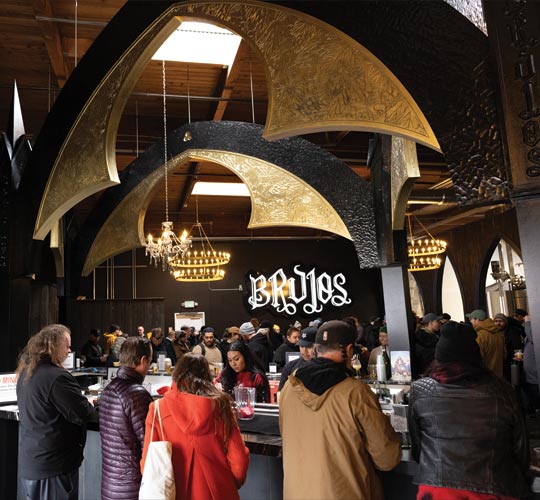
This high level of "beer literacy" among the public acts as both a challenge and a safeguard for local businesses. While brewers in other parts of the country might install pickleball courts or arcades to attract patrons, Portland’s "angle" remains rooted in the quality and complexity of the product itself. The city’s brewing "family tree" has also matured; whereas brewers once stayed at one establishment for decades, many are now branching out to start their own ventures, bringing years of pedigree to new startups like Living Häus Beer Company, Brujos Brewing, and Ruse Brewing.
The Broader Impact on Urban Culture
The success of these "elevated" models has implications beyond the beer glass. Establishments like Grand Fir Brewing serve as anchors for neighborhood revitalization, drawing foot traffic to areas like Buckman even as commercial real estate faces broader challenges. The integration of high-end culinary programs also allows breweries to compete with traditional restaurants, capturing a larger share of the evening "night out" expenditure.
Furthermore, the industry is increasingly focused on inclusivity and variety. The rise of lager-centric breweries like Wayfinder, which helped popularize the "Cold IPA" (brewed with lager yeast), and the expansion of heavy metal-themed hazy houses like Brujos, demonstrate that there is still room for niche identities within the broader "Beervana" umbrella.
Conclusion: The Future of the Craft Capital
As Portland navigates the economic headwinds of the mid-2020s, the resilience of its beer culture remains a point of pride for residents and industry professionals alike. The transition from the "microbrew" era to a sophisticated, multi-sensory culinary industry reflects a natural maturation of the market.
For veterans like Van Havig, the fact that craft beer has become the "default" choice in Portland is the ultimate sign of victory. "The reality is, this is where craft beer won," he observes. Whether through a $135 pairing dinner or a standard pint at a neighborhood dive, the city’s commitment to independent brewing remains unwavering. The success of Grand Fir Brewing and The Bitterroot Club suggests that as long as the quality remains high and the innovation continues, Portland will maintain its status as the epicenter of American beer culture. The challenge for the next generation of brewers will be to maintain this "savvy" customer base while finding new ways to surprise a palate that has already tasted everything.