admin
admin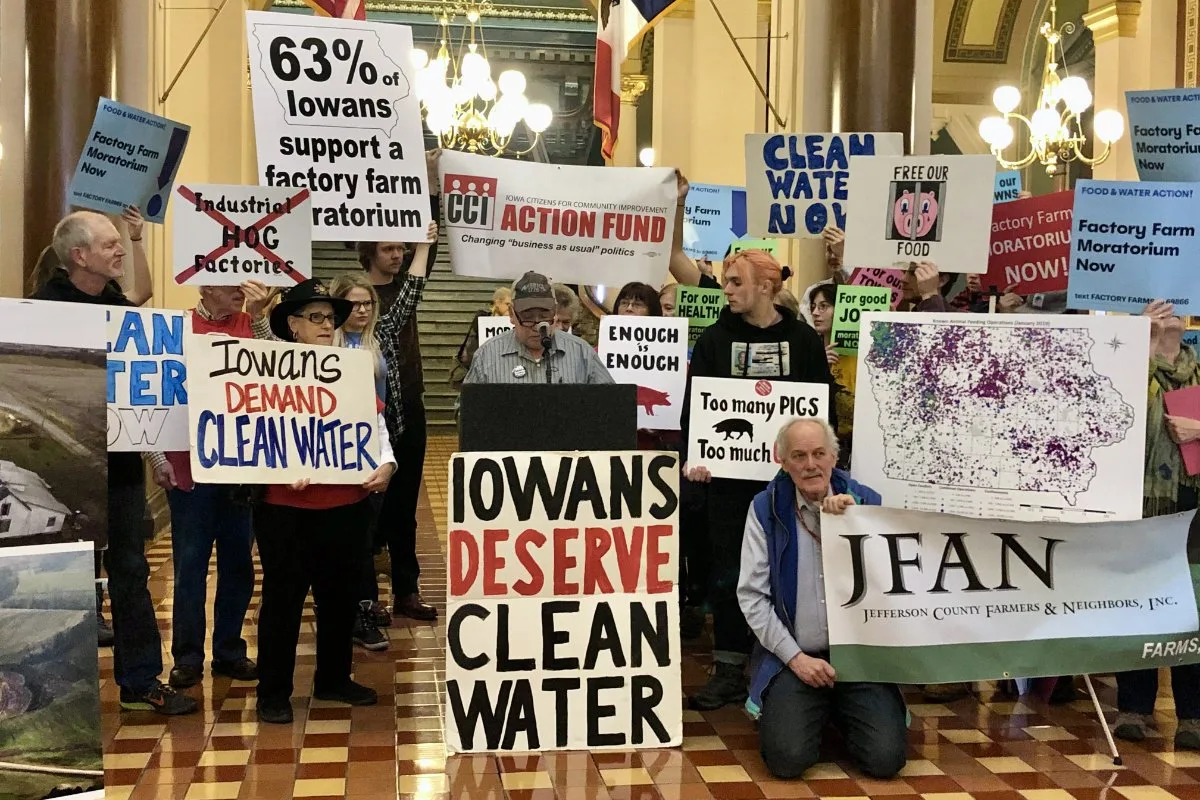
It’s often challenging for the general public to grasp the intricate corporate, political, and cultural forces dictating the crops farmers cultivate, their cultivation methods, or the proliferation of industrial hog facilities across the landscape, let alone discern who precisely benefits from this vast system. These are the profound agricultural issues that veteran journalist Art Cullen has meticulously chronicled for over three decades at the Storm Lake Times Pilot in Storm Lake, Iowa. His work offers an indispensable lens into the shifting dynamics of rural America, resonating far beyond the Hawkeye State’s borders.
A Local Voice with National Resonance
Art Cullen, a native of Storm Lake, serves as the editor of the Storm Lake Times Pilot, a community newspaper where his brother, wife, and son also contribute. While the paper primarily serves its town of approximately 11,000 residents in Iowa’s northwestern quadrant, Cullen’s incisive columns have garnered a much broader national audience. His topics, deeply rooted in local realities, frequently reveal challenges and trends of national significance.
In 2017, Cullen was awarded the Pulitzer Prize for editorial writing, specifically recognized for pieces that "successfully challenged powerful corporate agricultural interests in Iowa." This prestigious accolade underscored the potent impact of local journalism in holding powerful entities accountable. Beyond his newspaper work, Cullen has authored two books. His most recent, Dear Marty, We Crapped In Our Nest: Notes From the Edge of the World, published last year, is a collection of his columns that further illuminates his observations on rural life, environmental degradation, and corporate influence. As the nation approaches a pivotal election year, many of the food and farm policy issues Cullen has expertly covered — including water pollution from industrial animal agriculture, illnesses linked to farm chemicals, and the impacts of ongoing consolidation in the food system — are increasingly prominent in national political and cultural discourse.
Iowa’s Shifting Demographics and Immigration Tensions
One of the most immediate issues currently dominating headlines, particularly in states like Minnesota, involves federal immigration operations and their impact on farming communities. Storm Lake, a town with a majority Latino population, feels these tensions acutely. According to Cullen, residents are experiencing significant fear and are "laying low," with reduced activity in downtown areas.
The presence of large meatpacking plants, central to Iowa’s economy, complicates the enforcement of immigration policies. Cullen observes a "tacit acknowledgment" that major meatpacking plants are often spared from raids. This understanding, he suggests, stems from the lessons learned during the COVID-19 pandemic. When major pork slaughter plants, such as those operated by Tyson in Storm Lake and Waterloo, temporarily shut down due to outbreaks, meat prices surged by 50 percent within a week. This event seemingly highlighted to authorities the critical role of immigrant labor in maintaining the nation’s meat supply chain. "They realized, ‘Oh, we can’t really deport all these immigrants because they’ve got to cut meat,’" Cullen notes, emphasizing the economic imperative driving this unofficial policy. However, he cautions that such a fragile balance could shift, hinting at the unpredictable nature of federal policy.
A Pivotal Political Juncture for the Hawkeye State
Cullen identifies this period as a significant turning point for Iowa, politically and environmentally. For the first time since 1968, the state is witnessing open races for both U.S. Senate and Governor. This presents a unique opportunity for a substantial political realignment. Iowa has, in recent years, become an increasingly "red state," with an entirely Republican congressional delegation and state government, led by figures like Governor Kim Reynolds and Senator Joni Ernst, neither of whom are seeking re-election.
The absence of incumbents in these key races offers Democrats a "real opportunity to pick up those two seats," which could fundamentally alter Iowa’s political atmosphere. Cullen critically assesses the past decade, describing it as a period where the state has "raced backwards in time" on social issues, stifling discussions on African-American and Native American history, and shaming LGBTQ+ individuals. A shift in political leadership, therefore, could pave the way for a more inclusive and progressive agenda.
Beyond politics, environmental factors are also driving change. Nature itself is compelling shifts in agricultural practices. Disease outbreaks are rampant in livestock operations, and cattle ranchers in the Great Plains are facing unprecedented water shortages. This has led to the closure of some beef plants and the opening of others, signaling a "great state of flux" in an industry vital to Iowa’s identity and economy. Cullen links these challenges to a broader critique of "50-year experiment in supply-side economics," arguing it has failed rural communities, agriculture, and the state’s political culture, while simultaneously polluting natural resources. He asserts that these various inflection points are deeply interconnected.
The Environmental Toll: Iowa’s Water Crisis
Water quality remains a paramount concern for Iowans, and Cullen’s new documentary series, "What’s Eating Iowa?", dedicates an episode to this critical issue. The series, comprising four medium-length documentaries, explores water quality, cancer, agricultural resiliency in the age of climate change, and rural consolidation, underscoring their interdependencies.
Public concern over water pollution is palpable. Last summer, a thousand people gathered at Drake University to discuss anhydrous ammonia fertilizer, an unusual turnout for such a topic in Iowa. This level of engagement, particularly among Des Moines metro residents concerned about nitrate levels in the Raccoon River (a major drinking water source for the city), is "pretty remarkable," Cullen observes. The city of Des Moines has, in the past, been forced to invest millions in filtration technology to remove nitrates from its drinking water, directly attributing the pollution to agricultural runoff from upstream drainage districts.

Despite this evident public anxiety, the Republican-controlled state legislature, heavily funded by agribusiness interests, has resisted substantive discussions about regulating agriculture. This legislative inaction extends to addressing the pollution from drainage districts that contaminate rivers, and it actively thwarts investigations into the root causes of Iowa’s alarming cancer rates. This political deadlock highlights the profound influence of agricultural lobbies in shaping environmental policy, or the lack thereof.
Public Health Alarms: Linking Agriculture to Cancer Rates
Iowa currently holds the unenviable distinction of having the second-highest cancer rate in the United States, surpassed only by Kentucky, a state historically associated with high tobacco use. Disturbingly, Iowa also exhibits a very high rate of youth cancer, along with the highest rates of breast and prostate cancer in North America, particularly concentrated in regions like Cullen’s own northwestern Iowa, which also boasts the highest concentration of industrial livestock operations.
Cullen notes that residents are increasingly making connections between these environmental influences, industrial agricultural practices, and their health outcomes. The pervasive smell of "hog shit in the air every day" serves as a constant, visceral reminder for those living near concentrated animal feeding operations (CAFOs). While the scientific community continues to research definitive causal links, the anecdotal and statistical correlations are compelling residents to question the health implications of living amidst intensive industrial agriculture. However, the path to open dialogue and policy change is fraught with obstacles.
The Grip of Agribusiness: Corporate Power and "Cropaganda"
A significant hurdle in addressing these issues is the pervasive narrative that critics of industrial agriculture are "anti-farmer." Cullen points to the example of Chris Jones, a Democratic research scientist and water researcher, who is running for Iowa Secretary of Agriculture. Jones’s advocacy for clean water has immediately been branded "anti-farmer" by his incumbent Republican opponent, Mike Naig. This narrative, Cullen argues, implies that one must be "pro-pollution to be pro-farmer," which he dismisses as "bullshit." He asserts that "you can have prosperous agriculture and clean air and water. They’re not mutually exclusive."
This misleading framing is part of a "long campaign of disinformation" or "propaganda" that Cullen dubs "Cropaganda." This strategy effectively silences dissent and deflects criticism from corporate agricultural practices. The deep ties between agribusiness and politics are further exemplified by individuals like Mike Naig, who previously worked for Monsanto, a giant in the seed and chemical industry. This revolving door between corporate interests and regulatory bodies fosters a perception among many farmers that these chemical and seed corporations are "on their side."
Cullen challenges this perception, suggesting that this alliance is a carefully cultivated illusion. Corporations, he argues, have successfully positioned themselves as allies of the farmer, even as their practices contribute to environmental degradation, health crises, and economic pressures that often disadvantage independent farmers. The consolidation of agribusiness — where a few powerful companies control vast segments of the seed, chemical, and meatpacking industries — limits farmer choices, drives up input costs, and dictates market conditions, ultimately eroding the autonomy and economic viability of many family farms.
Climate Change and the Future of Livestock
Beyond the immediate political and environmental challenges, climate change looms large over Iowa’s agricultural future. Cullen highlights how nature itself is forcing changes in livestock rearing. Increased frequency and severity of droughts are depleting water resources in the Great Plains, directly impacting cattle ranching. Disease outbreaks, potentially exacerbated by concentrated animal populations and environmental stressors, are becoming more rampant.
These climate-fueled disruptions are already leading to tangible economic consequences, such as the closure of some beef processing plants and the emergence of new, often smaller, producer-owned facilities. This "great state of flux" underscores the vulnerability of the current industrial agricultural model to environmental shocks and the urgent need for more resilient, sustainable practices. The long-term implications for Iowa, a state heavily reliant on its agricultural output, are profound and necessitate a fundamental reevaluation of current farming methods.
A Call for Change: Populism and the Food System
Art Cullen’s decades of reporting reveal a complex tapestry of interconnected challenges in rural Iowa that mirror broader national struggles. From immigration and labor exploitation in meatpacking to corporate control over the food system, environmental degradation, public health crises, and the impacts of climate change, these issues are fueling a growing populism. This movement is increasingly focused on challenging corporate power and demanding greater accountability from industries that shape lives and landscapes.
The upcoming elections in Iowa represent a potential inflection point, where voters may choose to break from a decade of conservative governance that, according to Cullen, has failed to adequately address these pressing concerns. The ability of either political party to genuinely respond to this burgeoning populism, particularly its focus on corporate influence within the food system, will be crucial. Cullen’s work at the Storm Lake Times Pilot continues to serve as a vital guide, offering unflinching insights into the heartland’s struggles and the urgent need for a more equitable, sustainable, and transparent agricultural future. His reporting not only exposes the problems but also empowers communities to ask difficult questions and demand change, proving that local journalism can indeed spark national conversations and shape the future of a nation.