admin
admin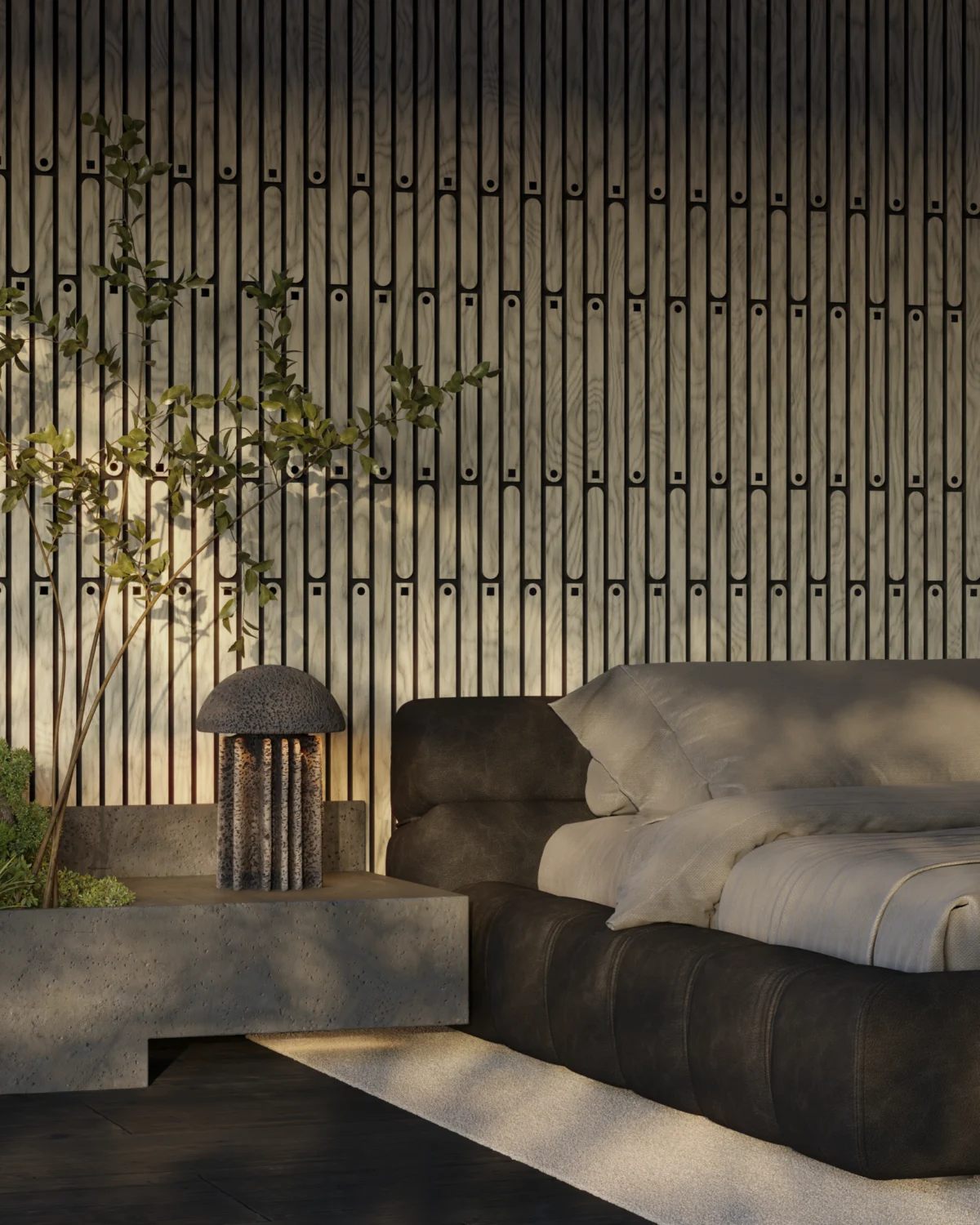
The intersection of ancestral craftsmanship and modern industrial design has found a new champion in Alfonso Verduzco, a Scottsdale-based designer whose latest work signals a shift in how cultural narratives are integrated into functional interior surfaces. Verduzco, who identifies as a "passionate Mexican risk-taker," has garnered significant industry attention for his ability to translate the raw materials and historical motifs of his homeland into a sophisticated, global design language. This creative philosophy is most recently embodied in the ALMA collection, a series of acoustic wall panels developed in collaboration with The Wood Veneer Hub (WVH). The collection, which debuted at NeoCon earlier this year, has already secured prestigious accolades, including a Best of NeoCon award and recognition from MetropolisLikes2026, marking a pivotal moment in Verduzco’s professional trajectory.
The Architectural Evolution of Alfonso Verduzco
Verduzco’s journey to the forefront of the American design scene was neither direct nor conventional, reflecting a resilience that he credits as foundational to his creative identity. Born in Mexico, he was immersed from an early age in the country’s vibrant artisan culture. His childhood was marked by frequent visits to various artisan communities, where he observed the meticulous process of hand-making objects—a formative experience that instilled a deep-seated respect for craftsmanship long before he formally entered the design profession.
Despite this early exposure to the arts, Verduzco initially pursued a degree in accounting in Mexico. At the age of 18, he transitioned to the United States, facing the significant challenge of establishing himself in a new country without proficiency in the English language. This period of adaptation served as a catalyst for his return to creative pursuits. He eventually enrolled in architecture at the University of Colorado in Boulder, where he began to synthesize his Mexican roots with the rigors of formal architectural training.
His design perspective was further refined through intensive exposure to the Italian design industry. During his training in Italy, Verduzco visited the manufacturing facilities of iconic brands such as Poliform, B&B Italia, and Minotti. Observing the work of masters like Antonio Citterio and Piero Lissoni, he recognized a standard of elegance and manufacturing precision that he sought to emulate. This European influence did not dilute his Mexican identity; rather, it provided him with the technical framework and "sophisticated language" necessary to present Mexican heritage with global relevance.
The ALMA Collection: A New Paradigm for Acoustic Surfaces
The ALMA collection represents a departure from traditional acoustic solutions, which have historically prioritized utility over aesthetic or emotional resonance. In the contemporary design landscape, the demand for high-performance acoustic materials has surged, driven by the rise of open-plan offices, hospitality environments, and high-end residential projects. However, Verduzco sought to challenge the utilitarian status quo by infusing these surfaces with "soul" (the English translation of the Spanish word alma).

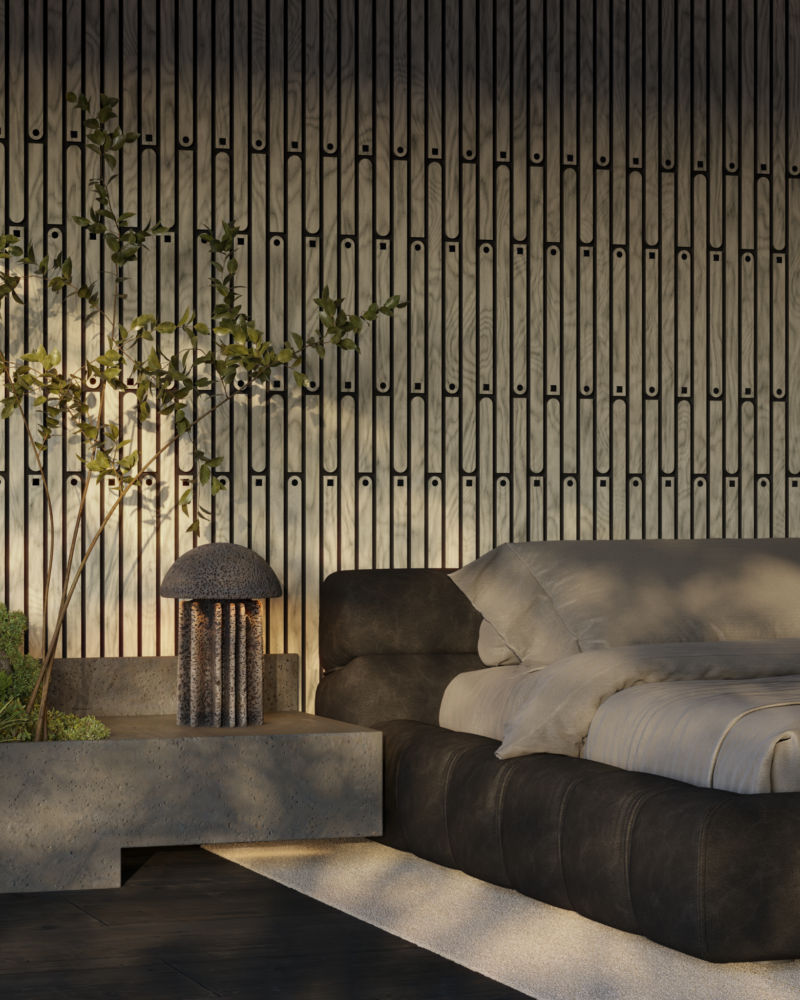
The collection consists of nine distinct designs, each serving as an abstract narrative of Mexican history, architecture, or geography. By utilizing natural materials such as volcanic stone, copper, obsidian, and wood veneer, Verduzco has created a product line that functions as both a technical acoustic solution and a piece of architectural art. The initial release focuses on three primary designs: SENDERO, SAGRADO, and REFLEJO.
SENDERO: Capturing the Rhythm of History
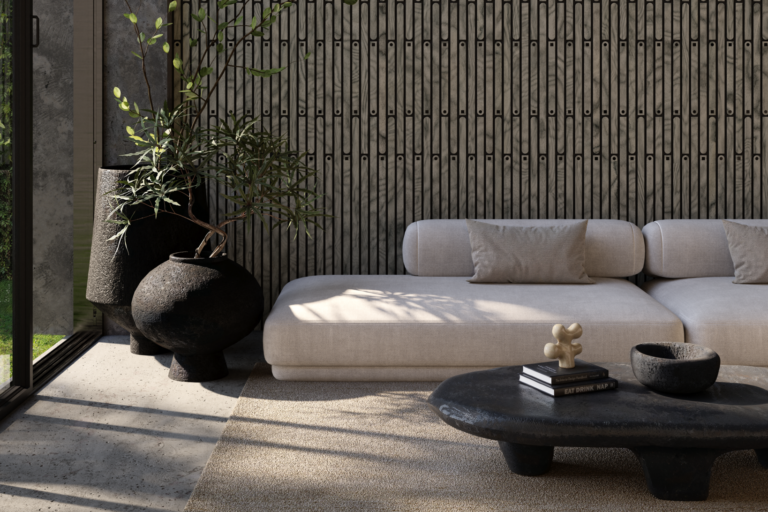
The SENDERO (Pathway) panels are a direct homage to the historic, volcanic stone-paved streets found throughout Mexico’s colonial and indigenous urban centers. These stones, smoothed and shaped over centuries by the elements and human activity, possess an irregular rhythm that Verduzco translated into the panel’s composition.
From a technical standpoint, SENDERO utilizes the contrast between the organic warmth of natural wood veneer and the tactile, raw presence of solid volcanic stone. The integration of stone into an acoustic panel is a notable engineering feat, requiring a balance between the weight of the material and the structural integrity of the wall system. This design reflects Verduzco’s interest in how materials develop character over time, suggesting a sense of permanence and history within a modern interior.
SAGRADO: The Intersection of Metal and Timber
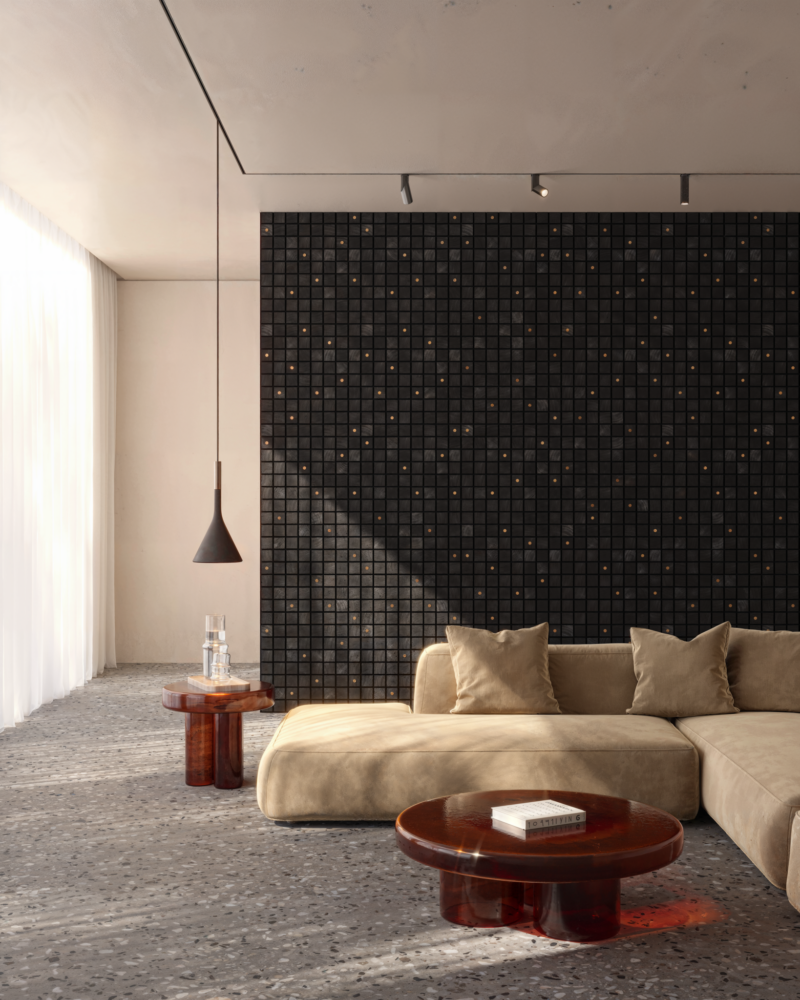
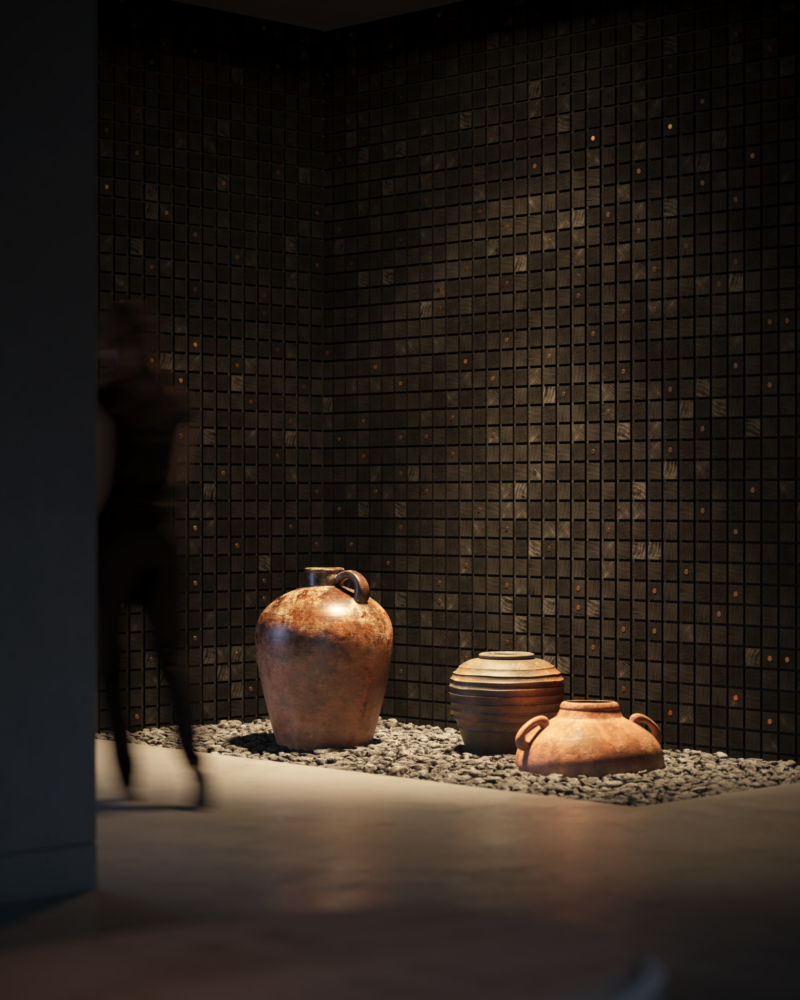
Inspired by the monumental wooden doors of historic Mexican cathedrals, the SAGRADO (Sacred) design explores the relationship between timber and decorative metalwork. In traditional Mexican architecture, massive wooden portals are often adorned with hand-forged copper and iron nails that develop a distinct patina over generations.
To reinterpret this for a contemporary audience, Verduzco employed the Shou Sugi Ban technique—a traditional Japanese method of charring wood to preserve it and enhance its texture. For SAGRADO, solid end-grain larch is treated with this fire-based process and paired with copper elements. This combination not only provides a rich visual and tactile experience but also references the historical significance of copper smithing in regions like Santa Clara del Cobre. The result is a surface that feels both ancient and avant-garde.
REFLEJO: Obsidian and the Architecture of Light
The REFLEJO (Reflection) panels highlight Mexican obsidian, a volcanic glass that has been prized since the pre-Hispanic era for its sharp edges and reflective beauty. Historically used for both weaponry and ceremonial jewelry, obsidian carries a deep cultural weight in Mexico.
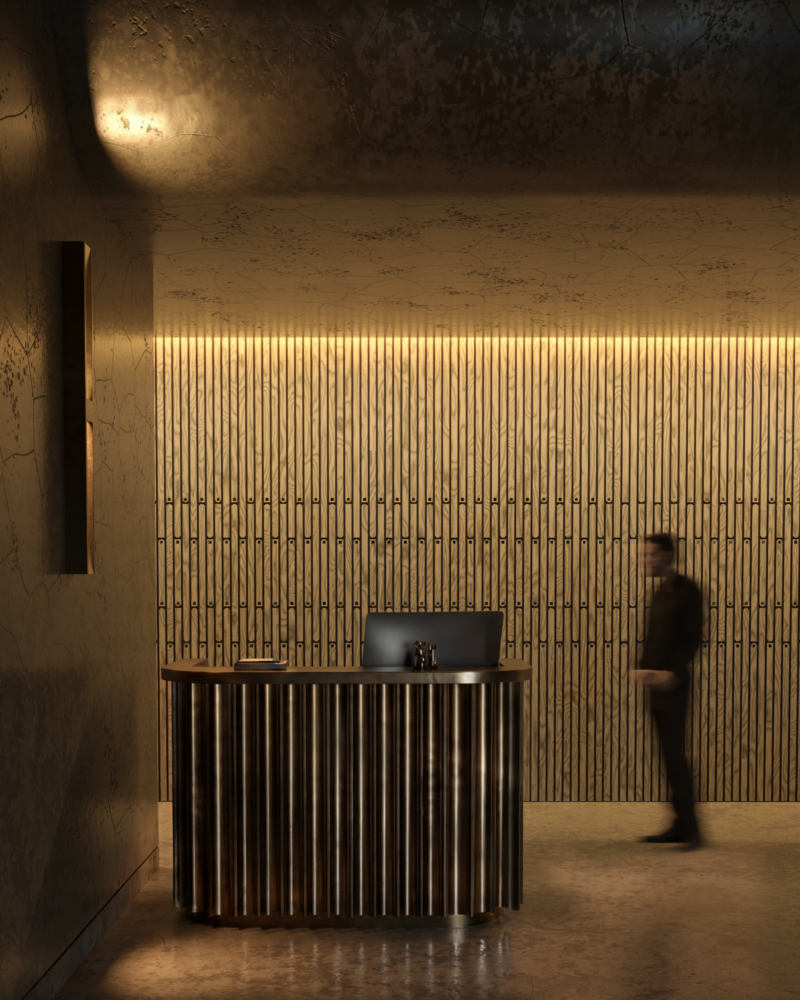
Verduzco’s innovation lies in scaling this material from the level of a "precious object" to an architectural surface. By embedding genuine Mexican obsidian within a gray maple wood veneer, the panels interact with ambient light to create a play of reflections. This design effectively reimagines the wall as a piece of jewelry, using material contrast to evoke an emotional response from the viewer.
Supporting Data: The Rising Importance of Acoustic Design
The success of the ALMA collection is situated within a broader market trend. According to industry reports, the global acoustic insulation and surfaces market is projected to grow at a compound annual growth rate (CAGR) of approximately 5.2% through 2030. This growth is fueled by an increasing awareness of "acoustic comfort" in the workplace and hospitality sectors, where noise pollution is recognized as a significant factor in stress and reduced productivity.
Furthermore, the shift toward "resimercial" design—a blend of residential and commercial aesthetics—has created a vacuum for products that offer high technical specifications without sacrificing high-end design. Verduzco’s ALMA collection fills this niche by providing NRC (Noise Reduction Coefficient) rated performance alongside artisanal craftsmanship. The use of natural materials also aligns with the growing industry emphasis on biophilic design, which seeks to connect building occupants more closely to nature.
Official Responses and Industry Recognition
The collaboration between Alfonso Verduzco and The Wood Veneer Hub has been lauded by design critics for its uncompromising approach to material authenticity. Following the collection’s debut at NeoCon—the world’s leading platform for the commercial design industry—representatives from the judging panels noted that ALMA stood out for its "narrative depth" and "exquisite material execution."
Verduzco himself views the collection’s success as a validation of his "roots-first" approach. "Mexico gave me the roots and the story," he stated in a post-launch interview. "My education and career in the United States, together with my training and exposure to design in Italy, gave me a different perspective through which to interpret them." This sentiment is echoed by WVH, which has emphasized that the partnership allowed them to push the boundaries of what wood veneer products can represent in a cultural context.
Broader Impact and Design Implications
The work of Alfonso Verduzco signals a maturing of the "Global Contemporary" style, where cultural references are no longer literal or folkloric but are instead distilled into their essential forms and materials. By avoiding the "literal interpretation" of Mexican motifs, Verduzco avoids the pitfalls of pastiche, offering instead a sophisticated homage that resonates across borders.
For the design industry, ALMA serves as a case study in the successful integration of heavy, traditional materials (like volcanic stone and obsidian) into the lightweight, modular systems required by modern construction. It also highlights the continuing relevance of the "human hand" in an era of mass production. As Verduzco noted, "Even at the highest level of design, the human hand, the material, and the attention to detail are what give an object its soul."
As Verduzco continues his practice in Scottsdale, his focus remains on this delicate balance between innovation and heritage. The ALMA collection is not merely a product line; it is a statement of identity that suggests the future of luxury design lies in the thoughtful, sophisticated reinterpretation of the past. With more designs slated for release within the ALMA family, the design community anticipates a continued exploration of Mexico’s rich material history through Verduzco’s unique, contemporary lens.