admin
admin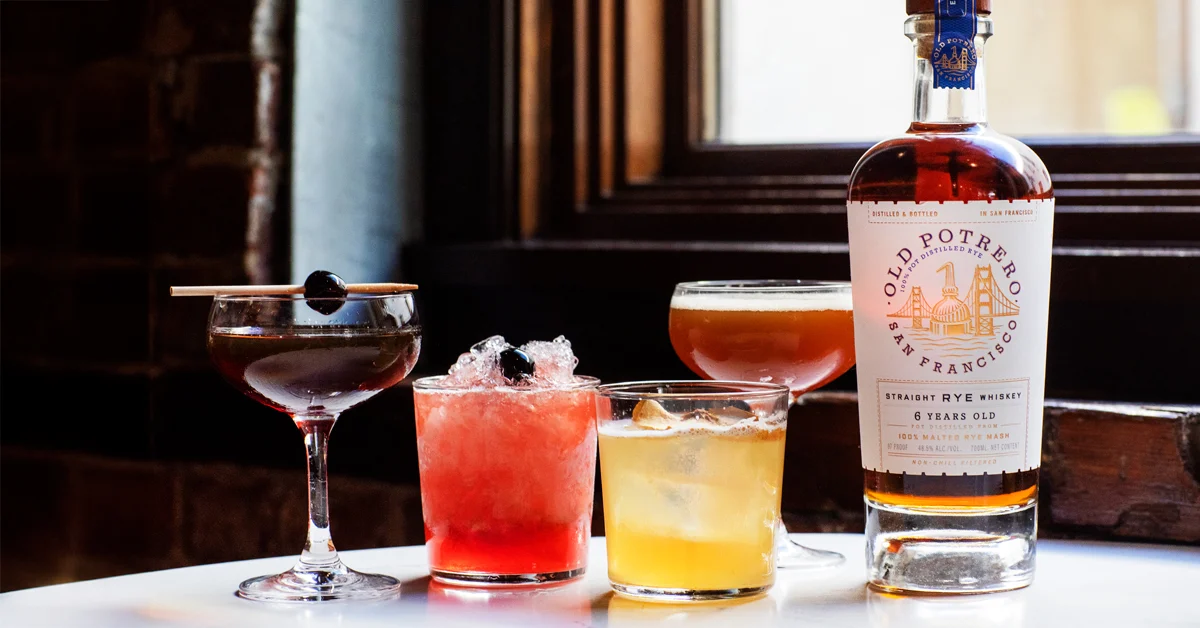
The era of the "freshie"—a period defined by beer enthusiasts waiting in multi-hour queues for limited-release canned IPAs—has entered a definitive period of cooling, signaling a fundamental transformation in the American craft beverage industry. According to the Brewers Association’s 2024 Year in Beer report, the industry faced significant headwinds, characterized by the closure of 399 breweries and an overall production decline of 2%. This contraction is not merely a byproduct of market saturation but a reflection of a seismic shift in consumer behavior. Younger demographics, specifically Generation Z, are increasingly gravitating toward non-alcoholic options, Ready-to-Drink (RTD) cocktails, and THC-infused beverages, leaving traditional craft breweries to reconsider their long-term viability. For several of the nation’s most prestigious brewing institutions, the strategic response to this stagnation has been a pivot toward the distillation of spirits.
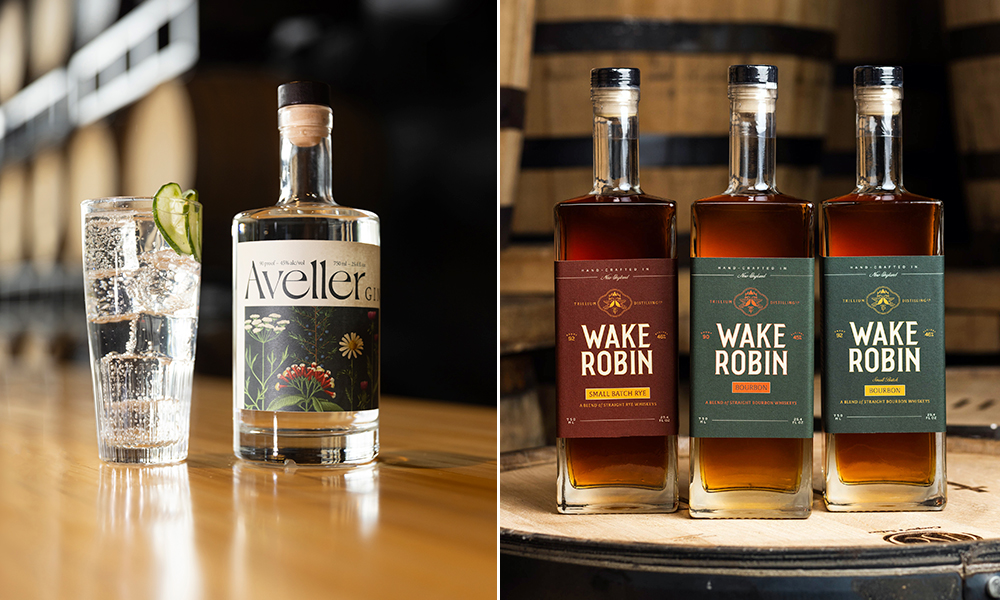
The transition from brewing to distilling is supported by a significant degree of operational overlap. JC Tetreault, co-founder of Boston-based Trillium Brewing, noted that within two years of launching his brewery in 2013, he realized the facility was already approximately 90% of the way toward being a functional whiskey distillery. The fundamental base of whiskey is a "wash" or "mash," which is essentially a beer produced without the addition of hops. By distilling this fermented liquid and aging it in wooden casks, a brewery can transform its core competency—grain handling and fermentation—into a high-value spirit. However, as the industry matures, this move is proving to be less about an "ego project" and more about a calculated diversification strategy designed to capture a fragmenting market.
The Economic Context of the Craft Beer Contraction
The 2024 downturn represents a departure from the explosive growth seen between 2010 and 2019. During that decade, the number of craft breweries in the United States surged from roughly 1,800 to over 8,000. However, the post-pandemic landscape has been marred by rising aluminum costs, fluctuating CO2 supplies, and a shift in hospitality trends. Market analysts suggest that "craft beer fatigue" has set in, particularly as the "hazy IPA" style, which once drove record sales for breweries like Trillium and Tree House Brewing Company, has become a commodity available in every grocery store.
The pivot to spirits allows breweries to enter a market segment that is currently outperforming beer. Data from the Distilled Spirits Council of the United States (DISCUS) indicates that spirits have continued to gain market share relative to beer and wine for over a decade. By utilizing their existing brand equity, breweries can cross-sell to loyal customers while simultaneously attracting "spirits-first" consumers who may have bypassed the brewery in its original form.
A Chronology of the Brewer-Distiller Model
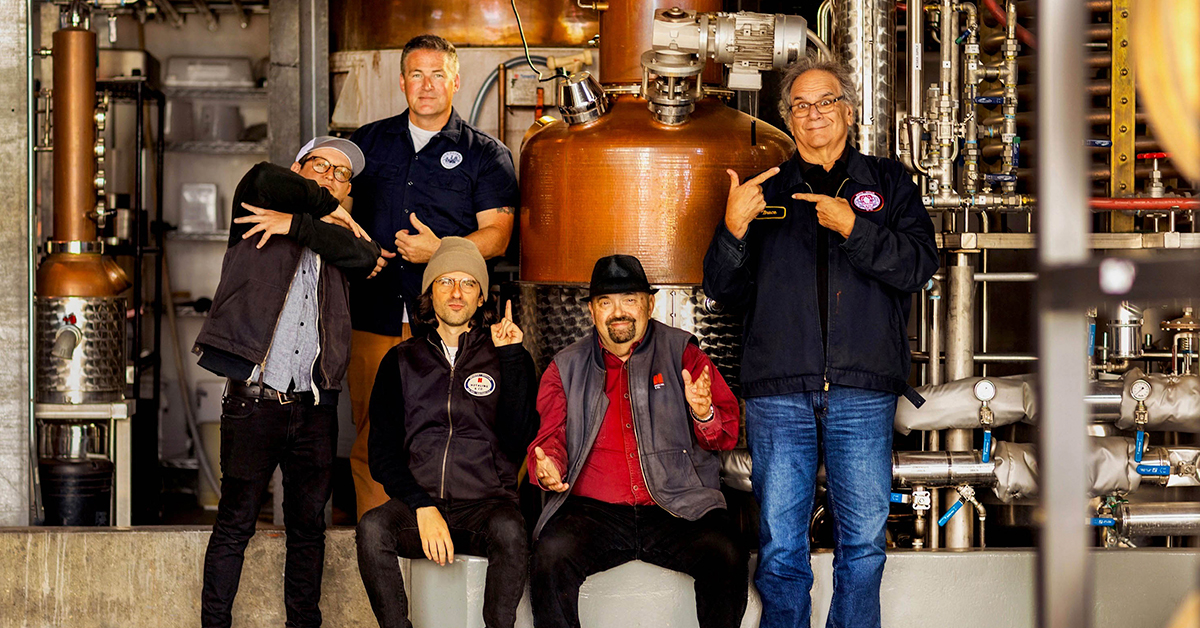
While the current trend is accelerating, the concept of the "brewery-distillery" is not entirely modern. The historical precedent was set by Anchor Brewing in San Francisco, often cited as America’s first craft brewery. In 1993, Anchor launched Anchor Distilling (now Hotaling & Co.), releasing Old Potrero, a single malt rye whiskey that predated the modern craft cocktail movement. Bruce Joseph, who transitioned from brewing to becoming Anchor’s first master distiller, noted that the skills required for brewing provided a "very solid foundation" for whiskey production, requiring only the addition of a still to complete the production cycle.
Following Anchor’s lead, other regional powerhouses began to diversify:
- 1993: Anchor Brewing launches Anchor Distilling.
- 2003: Rogue Ales in Oregon begins distilling, eventually becoming one of the few operations in the U.S. to cooper its own barrels.
- 2005: New Holland Brewing in Michigan adds a distilling portfolio, creating a successful line of "Beer-Barrel Bourbon."
- 2006: Ballast Point in San Diego opens a distillery that would eventually become Cutwater Spirits. The success of Cutwater was so pronounced that it was acquired by Anheuser-Busch in 2019, highlighting the massive valuation potential of brewery-born spirits brands.
- 2017: 3 Floyds Brewing in Indiana enters the spirits market, leveraging its cult-status brand to sell malts and gins.
This timeline illustrates that while the "hazy IPA" boom was occurring, a parallel infrastructure for spirits was being built by the industry’s most forward-thinking players.
Case Study: The New England Powerhouses
In the Northeast, two of the most influential names in craft beer—Trillium and Tree House—have made significant investments in distillation. For Tree House Brewing Company, based in Charlton, Massachusetts, the move into spirits was a natural extension of their "grain-to-glass" philosophy. Since 2021, Tree House has focused on producing spirits that utilize regional agricultural products, such as their Old Growth Bourbon and Rye, distilled exclusively from New England grains.
John Britton, who leads Tree House’s distilling program, emphasizes that the quality of the spirit is dictated by the quality of the initial mash. Because world-class breweries already possess sophisticated laboratory equipment and temperature-controlled fermentation vessels, they are uniquely positioned to produce a cleaner, more consistent base for distillation than many startup craft distilleries. Tree House has further leveraged its existing canning infrastructure to produce RTD cocktails, including a Tom Collins and a Paloma. The latter uses a house-distilled agave spirit, Casa de Árbol, allowing the company to navigate the market without relying on imported tequila.
Trillium Brewing has followed a similar trajectory but with a heavy focus on the hospitality experience. To offer a full cocktail program in their Massachusetts tasting rooms, state law required them to produce the spirits themselves under a "farmer-distillery" license. This regulatory necessity became a creative catalyst. Trillium now produces gin, vodka, rum, amaro, vermouth, and liqueurs. This allows them to operate the Headroom Hi-Fi Cocktail Lounge in Boston’s Fort Point, a space that appeals to a demographic that may have outgrown the loud, crowded taproom environment or who simply prefer a Negroni over a Double IPA.
Technical and Regulatory Hurdles
Despite the clear synergies, the transition from beer to spirits is fraught with technical and legal complexities. While the "mash" for whiskey is similar to beer, it is not identical. JC Tetreault points out that whiskey mashes often utilize a high percentage of unmalted grains and lack the hop profile that defines beer. Furthermore, the distillation process introduces safety concerns—specifically regarding the volatility of high-proof alcohol—that require specialized fire suppression systems and ventilation not typically found in standard breweries.
From a regulatory standpoint, the "Tied-House" laws and the three-tier system in the United States often necessitate that distilling operations be kept legally and physically distinct from brewing operations. In many states, this requires separate licenses, separate tax filings with the Alcohol and Tobacco Tax and Trade Bureau (TTB), and in some cases, entirely separate buildings. For a brewery to successfully "jump the aisle," it must navigate a labyrinth of state-specific statutes that govern how and where spirits can be served alongside beer.
Strategic Implications and the "Beyond Beer" Future
The expansion into spirits represents more than just a new product line; it is a hedge against the volatility of the beer market. By diversifying into gin, vodka, and whiskey, breweries can smooth out seasonal demand. While beer consumption often peaks in the summer, spirits and complex cocktails see high demand during the winter months and late-night hours.
Furthermore, the rise of the "Ready-to-Drink" (RTD) category cannot be overstated. Chris Conroy of Tree House notes that canned cocktails have enabled the brewery to attract customers who might find the price point or alcohol content of a craft beer unappealing but are willing to pay a premium for a high-quality, spirit-based cocktail in a convenient format. This "aisle jumping" is a critical component of modern beverage retail.
The broader implication for the industry is the emergence of the "Total Beverage Company." The most successful breweries of the next decade are unlikely to be those that strictly adhere to Reinheitsgebot (the German beer purity law) but those that embrace a wider portfolio including spirits, non-alcoholic beverages, and perhaps even bio-engineered products.
Conclusion: The New Frontier of Craft
The shift from hops to high-proof spirits is a pragmatic evolution. As the 2024 industry data suggests, the traditional craft beer model is facing a period of "right-sizing." However, for breweries with the capital and the brand equity to expand, distillation offers a path to reach a new, younger, and more diverse audience.
As JC Tetreault observed, the introduction of a cocktail lounge and a spirits program has brought people into Trillium who had no prior knowledge of the brewery’s decade-long history as an IPA pioneer. This ability to capture a "post-beer" audience while maintaining the craft standards that built their initial reputation may be the key to survival in an increasingly crowded and complex beverage market. The "freshie" era may be over, but the era of the craft distiller-brewer is only just beginning, marking a sophisticated new chapter in American fermentation history.