admin
admin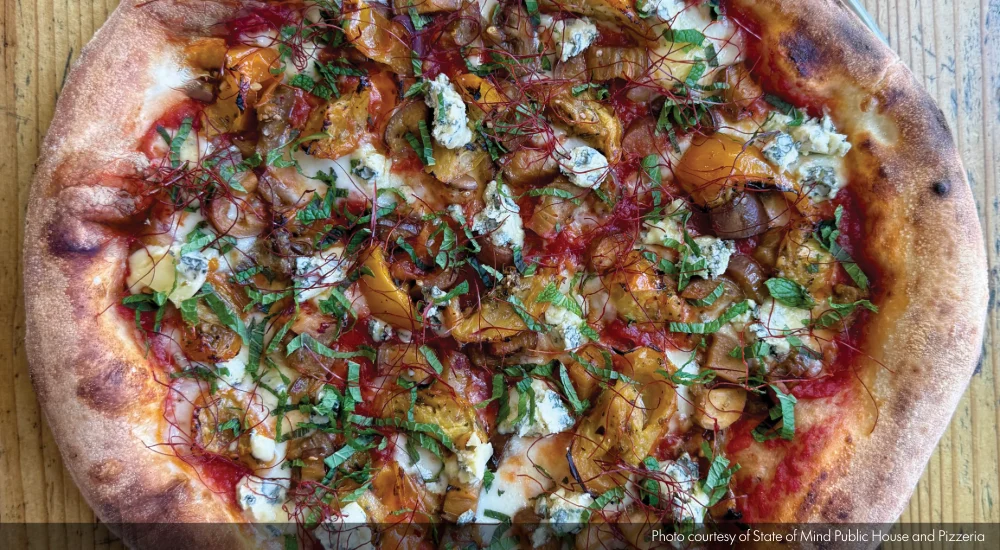
The culinary landscape of pizza is undergoing a significant transformation, with discerning diners and innovative restaurateurs increasingly moving beyond the ubiquitous shaker of pre-grated Parmesan. This shift signals a broader appreciation for artisanal dairy products, where both aged and fresh cheeses are being leveraged to elevate the humble pizza slice into a gourmet experience. Lars Smith, owner of the State of Mind Hospitality Group, which operates three popular pizzerias on the San Francisco Peninsula, exemplifies this evolving philosophy. While Parmesan shakers remain a fixture on his tables, largely due to ingrained customer expectations, Smith openly acknowledges that it is not his preferred finishing cheese, nor is the shaker his ideal method of application. This sentiment reflects a growing trend within the pizza industry to explore a wider palette of flavors and textures, challenging conventional norms and pushing the boundaries of what a pizza can be.
"We definitely have multiple pizzas that we finish with a special finishing cheese," Smith shared with Pizza Today, articulating a nuanced approach to pizza topping. He elaborates, "The shaker is fine if that’s how you want to top your pizza, but we love finishing with fresh-grated cheese when we think the flavor profile fits." This perspective underscores a strategic culinary decision-making process, where cheese selection is dictated by the specific flavor profile of each pizza, rather than a one-size-fits-all solution. This careful consideration of complementary flavors marks a significant departure from the past, where generic Parmesan often served as the sole post-bake embellishment.
The Paradigm Shift: Beyond the Shaker
For decades, the standard red pepper flakes and Parmesan shaker have been synonymous with the American pizzeria experience. This tradition, rooted in convenience and cost-effectiveness, provided a familiar, if somewhat one-dimensional, flavor boost. However, as consumer palates have become more sophisticated and the "farm-to-table" movement gained traction, there’s been an undeniable demand for higher quality, more authentic, and diverse ingredients. This includes a robust interest in the provenance and characteristics of cheeses. The pizza industry, ever-responsive to market trends, has begun to pivot, with establishments like State of Mind Hospitality Group leading the charge in showcasing the versatility and depth that specialty cheeses can bring to pizza.
This evolution is not merely a passing fad but a reflection of deeper market forces. According to industry analyses, the specialty cheese market has seen consistent growth, driven by consumers’ desire for premium, artisanal, and locally sourced products. Pizzerias, once content with standard mozzarella and a shaker of generic grated cheese, are now recognizing the competitive advantage of offering unique cheese selections that differentiate their product and justify a premium price point. This trend also aligns with a broader culinary movement that emphasizes fresh, high-quality ingredients and a more curated dining experience.
The Art of Aged Cheeses: Deepening Flavor Profiles
Lars Smith’s current favorite finishing cheese epitomizes this pursuit of quality: a raw cow’s milk variety aged for a meticulous 16 months. This extended aging process is crucial, allowing the cheese to develop a complex nutty taste and a rich, golden hue—characteristics that are impossible to achieve with younger, mass-produced cheeses. Such aged cheeses offer a profound depth of flavor that can transform a pizza, providing umami, sharpness, and a textural counterpoint that stands out.

Beyond this specific choice, Smith highlights the enduring appeal of Italian-style finishing cheeses, with a particular fondness for Pecorino. "Pecorino is one of my favorite sheep’s milk cheeses," he states, noting its popularity in Roman pizzerias. He describes Pecorino as "sharper… It gives you that spicy flavor and packs more of a punch – and it’s saltier as well." This description perfectly captures the robust, piquant character of Pecorino Romano, a hard, salty Italian cheese made from sheep’s milk. Its assertive flavor profile makes it an excellent choice for pizzas with bold ingredients, providing a zesty kick that cuts through rich sauces and meats. Historically, Pecorino has been a staple in central and southern Italian cuisine for over 2,000 years, a testament to its timeless appeal and ability to enhance a myriad of dishes, including pizza.
Smith’s commitment to local ingredients further extends to aged cheddar. His family-owned pizzerias are described as "a celebration of where we grew up," with a dedication to incorporating as many California-sourced ingredients as possible. This includes a 12-month aged cheddar, which Smith describes as "less recognizable as a cheddar" due to its developed saltiness and distinct caramel notes. This particular characteristic makes it a versatile cheese, working well not only on traditional cheese and pepperoni pan pizzas but also pairing nicely with more unconventional, seasonal flavors. For instance, Smith recalls a successful limited-time offer that combined aged cheddar with fennel and apple, demonstrating its adaptability. The nuanced flavor of an aged cheddar, often distinct from its younger, milder counterparts, provides a creamy yet sharp complexity that can complement both savory and subtly sweet components on a pizza. The increasing availability of high-quality artisanal cheddars from regional dairies across the United States has made such local sourcing a viable and attractive option for restaurateurs.
The Allure of Freshness: Burrata, Stracciatella, and Ricotta
While aged cheeses provide intensity and depth, fresh cheeses offer a contrasting appeal: creaminess, delicate flavor, and a luxurious mouthfeel. Smith points out that "the trendiest finishing cheese in the world for the last 10 years is burrata or stracciatella." These Italian fresh cheeses, known for their rich, creamy interiors, have indeed captivated the culinary world. Burrata, a fresh Italian cow milk cheese (occasionally buffalo milk) made from mozzarella and cream, is characterized by its solid mozzarella shell encapsulating a soft, creamy interior of stracciatella (shreds of mozzarella mixed with cream). Smith emphasizes that fresh cheeses generally perform better as a finishing element post-bake, as "it gets weird when it bakes." This observation is critical for maintaining the cheese’s delicate texture and flavor profile.
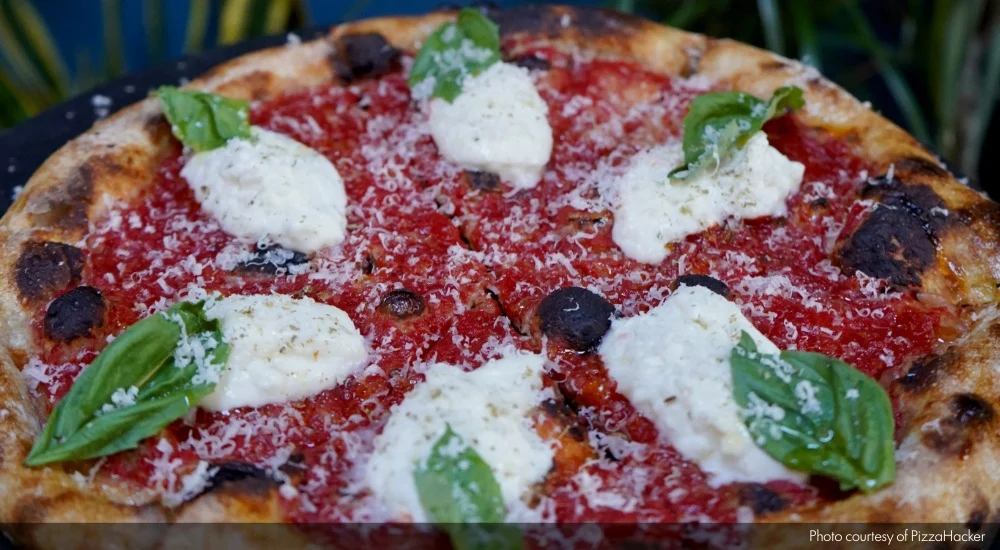
For operational efficiency, distributors often offer burrata in various sizes—2-ounce, 4-ounce, and 8-ounce balls. Smith finds that "A 4-ounce ball of burrata finishes a 14-inch pizza really nicely," providing an optimal balance of coverage and richness. For his slice house, where speed and consistency are key, he opts for stracciatella in 1-pound tubs, offering it as a $5 upcharge to any slice. He advises careful pricing for stracciatella, acknowledging that opening a whole pound requires accounting for its cost and ensuring proper handling. To prevent a watery consistency, the fresh cheese needs to be stirred before use. While many pizzerias simply spoon stracciatella onto pies, Smith suggests pre-stirring and using a piping bag for a more precise and aesthetically pleasing application. The ideal canvas for these fresh cheeses, according to Smith, is a simple tomato pie with fresh basil and oregano, where "the point is the quality of the cream or the whey." This approach allows the subtle, milky sweetness of the burrata or stracciatella to shine, recalling the Italian tradition of consuming these cheeses fresh, often on the same day they are made.
Ricotta, another fresh Italian cheese, also finds its place in Smith’s repertoire, though with a distinct application method. While many pizza makers traditionally dollop ricotta onto pies after baking, Smith prefers to add it before the bake. His rationale is that this allows the exterior of the ricotta to caramelize, developing "a little bit of color on top." He employs a piping bag with a star tip, creating distinct points that catch the most heat, resulting in "chemical reactions [that add] some bitter notes, some sweeter notes." This technique not only enhances the flavor complexity but also adds a visually appealing texture to the pizza, moving beyond a simple creamy dollop to a more integrated, caramelized component.
Bold Flavors: Blue and Washed-Rind Cheeses
Venturing into more audacious territory, Smith also incorporates blue and washed-rind cheeses, acknowledging their strong flavors and sometimes "controversial" nature. Blue cheeses, characterized by their distinctive blue or green mold, offer pungent, salty, and often creamy profiles. Smith recounts a friendly disagreement with a fellow chef, Leah Scurto of PizzaLeah, who "says blue cheese should never be cooked." However, Smith offers a counterpoint: "Blue cheese crumbles make a really nice finishing cheese, particularly when you put them on a warm pizza and it just starts to melt." He cautions, however, that cooking blue cheese can intensify its flavor, advising fellow pizza makers to "finish lightly." The key lies in strategic application, leveraging the warmth of a freshly baked pizza to gently soften the cheese, releasing its complex aromas without overwhelming the other ingredients. Smith particularly enjoys pairing blue cheese with fruits like apricots, figs, or pears, creating a sophisticated sweet and savory balance.

Washed-rind cheeses, such as brie, present their own set of challenges and rewards. These cheeses are known for their fatty, luscious texture and often earthy, pungent aromas, developed through a process of washing their rinds with brine, beer, or spirits. Smith notes that if these cheeses are allowed to fully heat, "they’ll melt everywhere." Thus, they are less operator-friendly than blue cheese crumbles and require precise handling, ideally sliced into small pieces for even distribution. Washed-rind cheeses pair exceptionally well with fresh fruits, mushrooms, and bitter greens such as escarole or radicchio, providing a rich, creamy counterpoint to the bitterness or freshness of these ingredients. Smith expresses a particular fondness for "gorgonzola al Cucchiaio," a creamy, spoonable gorgonzola, which he notes is challenging to source in the United States but has successfully utilized in international competitions. This highlights the ongoing quest for unique and high-quality ingredients, even when faced with sourcing difficulties.
Strategic Sourcing and Application: Operational Excellence
The successful integration of diverse finishing cheeses into a pizzeria’s menu requires more than just culinary vision; it demands operational excellence. Smith employs different application techniques depending on the volume and style of his establishments. At his high-volume slice shop, efficiency is paramount. Here, staff utilize a food processor to prepare hard cheeses into pebble-sized pieces, which are then applied by hand. This method ensures quick, consistent application suitable for a fast-paced environment. In contrast, for his sit-down restaurants, where presentation and a refined dining experience are key, Smith prefers a microplane zester to apply hard cheeses. This creates a "light and feathery" finish, enhancing both the visual appeal and the delicate dispersal of flavor.
The question of whether to extend grated cheese all the way to the crust is often a matter of personal preference, dictated by the desired flavor distribution and crust texture. Beyond aesthetics, the growing consumer interest in high-protein diets also plays a role, with aged cheeses like Parmesan offering a protein-dense option that adds nutritional value.
Ultimately, Smith concludes that "Finishing cheeses can really elevate a pizza." He elaborates on their transformative power, noting that when operators add unseasoned ingredients like tomatoes, bell peppers, or mushrooms to a pie, a post-bake sprinkling of cheese can dramatically enhance the flavor. This is largely because many cheeses are inherently salty and packed with umami, providing a crucial "texture and flavor boost" that rounds out the dish.
Economic and Culinary Impact: A Broader View
The shift towards diverse and high-quality finishing cheeses is not merely a gourmet affectation; it has tangible economic and culinary implications for the pizza industry. From an economic standpoint, offering premium cheese options allows pizzerias to command higher prices, increasing profit margins. The perception of quality and culinary innovation also draws in a more discerning customer base, fostering loyalty and positive word-of-mouth. Data from food service industry reports consistently shows that consumers are willing to pay more for dishes featuring artisanal ingredients, and specialty cheeses fit perfectly into this category.
Culinary innovation is another significant outcome. By experimenting with different cheese varieties, chefs are encouraged to think creatively about flavor pairings, textures, and presentations. This leads to unique menu items that can differentiate a pizzeria in a crowded market. The educational aspect is also vital; as pizzerias introduce new cheeses, they inadvertently educate their customers about the vast world of dairy, fostering a greater appreciation for artisanal products. This often translates into consumers seeking out these cheeses for home use, further supporting the specialty cheese market.

The sourcing aspect also has broader implications. Smith’s emphasis on local California ingredients highlights a trend towards sustainability and supporting regional producers. This practice not only provides fresher, higher-quality ingredients but also strengthens local economies and reduces the environmental footprint associated with long-distance transportation.
Industry Outlook: The Future of Pizza Cheeses
Looking ahead, the trajectory suggests that the role of finishing cheeses in pizza will only continue to grow in sophistication and diversity. As global culinary influences become more accessible, pizzerias may explore cheeses from beyond Italy and America, incorporating varieties from France, Spain, or even emerging cheese-producing regions. Consumer education will be key, as operators guide their clientele through new flavor experiences, perhaps through tasting notes on menus or interactive staff recommendations.
The age of the generic Parmesan shaker as the sole finishing touch is indeed becoming a distant memory, replaced by a vibrant and diverse array of aged and fresh dairy products. This evolution reflects a maturing pizza culture, one that values authenticity, craftsmanship, and a commitment to culinary excellence at every stage of the pizza-making process, right down to the final, transformative sprinkle of cheese. As Lars Smith and his contemporaries continue to innovate, the humble pizza remains a dynamic canvas for endless gastronomic exploration.
KATE LAVIN is Senior Editor of Pizza Today magazine.