admin
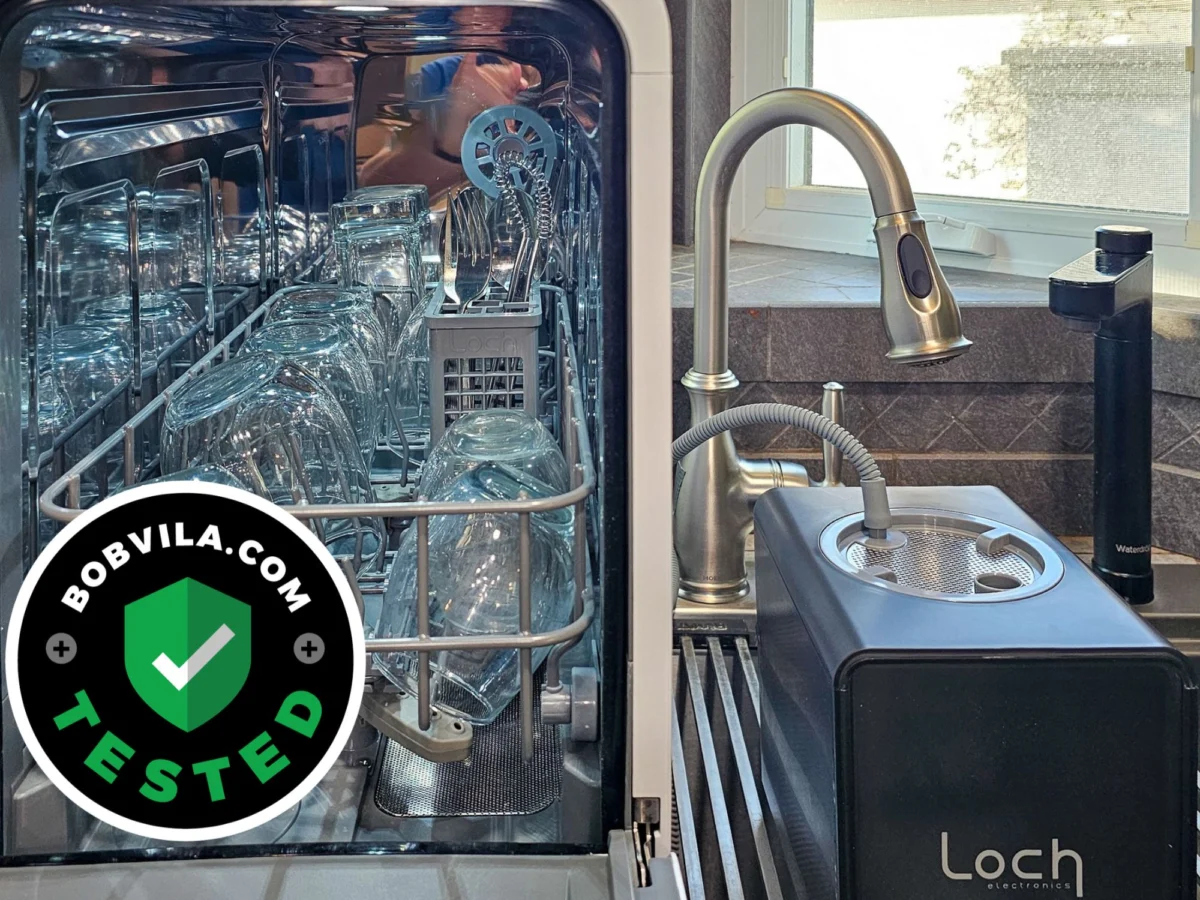
The global appliance market is witnessing a significant shift as urban living spaces shrink and the demand for portable, high-efficiency technology rises. At the forefront of this transition is the Loch Capsule, a countertop dishwasher designed to challenge the traditional necessity of built-in kitchen infrastructure. While conventional dishwashers require permanent plumbing, significant cabinetry space, and substantial water volume, the Capsule represents a new category of "personal appliances" tailored for the nomadic professional, the tiny-home enthusiast, and the space-constrained apartment dweller. By combining high-temperature washing with UV-C sanitization and a plug-and-play water system, this device seeks to bridge the gap between the convenience of automated cleaning and the limitations of small-scale living.
Technical Specifications and Engineering Overview
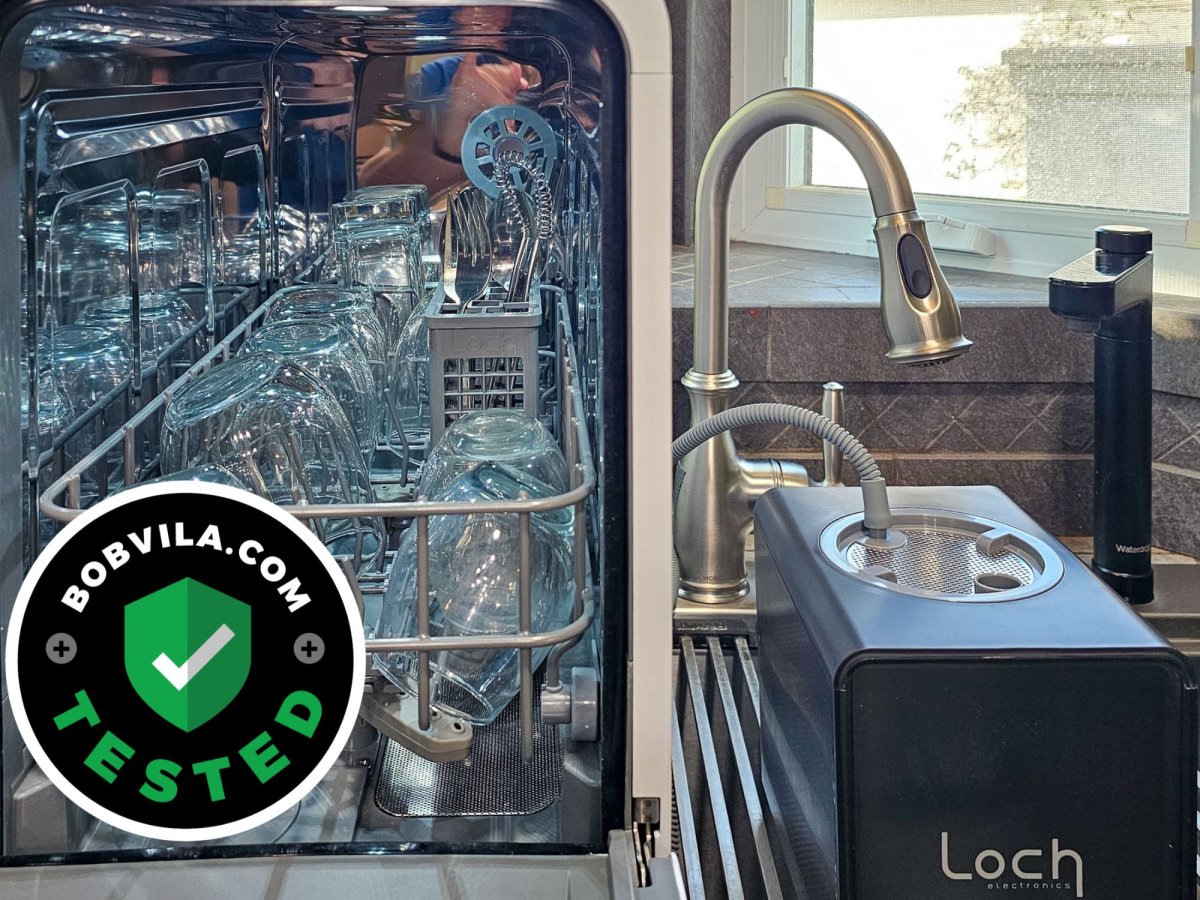
The Loch Capsule is distinguished by its slim profile, measuring just 10.3 inches in width. Despite its narrow footprint, the unit stands 18.3 inches tall, a dimension that requires careful consideration for standard kitchen layouts where upper cabinets typically hang 18 inches above the countertop. The unit’s weight, approximately 26 pounds, is paired with an integrated carrying handle, emphasizing its portability.
Unlike traditional appliances that rely on a direct connection to a pressurized water line, the Capsule utilizes a dual-system approach. Users can fill an independent clean-water tank, which feeds the internal pump system, while a flexible drainage hose directs gray water into a sink or basin. This design bypasses the need for professional plumbing services, making it a viable option for rental properties where permanent modifications are prohibited.
The interior of the device features a stainless-steel tub—a premium material choice typically reserved for high-end, full-sized models like those produced by Bosch or Miele. Stainless steel is preferred in dishwasher construction for its superior heat retention, noise dampening properties, and resistance to odors and staining. The Capsule operates with a maximum internal temperature of 167 degrees Fahrenheit (75 degrees Celsius), meeting the thermal threshold required for effective grease breakdown and sanitization.
Comparative Performance Benchmarks
In performance evaluations comparing the Loch Capsule to industry-standard built-in units, the compact device demonstrated a surprising level of parity in cleaning efficacy. In a standardized test involving dried food remnants—including starches and oils from pasta sauces—the Capsule’s Intensive Clean cycle performed with the same precision as a full-sized Bosch dishwasher.
The device offers a suite of specialized cycles to address varying levels of soil:
- Quick Wash (15 minutes): Designed for lightly soiled items or rapid turnaround.
- Glassware: A lower-pressure cycle intended to protect delicate stems and finishes.
- Heavy Duty/Intensive: High-temperature programs designed for stubborn, baked-on food.
- Eco Mode: Optimized for energy and water conservation.
The capacity of the Capsule is approximately two place settings. While this limits its utility for large families, it aligns with the needs of single or two-person households. The flatware holder is modular, allowing users to remove it to accommodate larger items, such as small pots or mixing bowls, which would otherwise be too wide for the 10.3-inch frame.
The Role of UV-C Sanitization in Modern Hygiene
Beyond its primary function as a dishwasher, the Loch Capsule integrates UV-C (ultraviolet-C) light technology, reflecting a post-pandemic shift toward enhanced household hygiene. UV-C light, specifically in the 200–280 nanometer range, is scientifically recognized for its ability to deactivate the DNA of bacteria, viruses, and molds.
The Capsule features dedicated UV cycles that operate without the use of water. This functionality expands the appliance’s utility beyond the kitchen, allowing for the dry sanitization of items such as baby bottles, smartphones, keys, and face masks. Furthermore, the device includes a specialized fruit-and-vegetable program. This cycle uses a combination of water and UV light to rinse surface contaminants and pesticides from produce, providing a level of food safety that manual washing often fails to achieve.
Environmental Impact and Water Conservation Data
Water scarcity and rising utility costs have made appliance efficiency a critical metric for consumers. Traditional hand-washing of dishes can consume upwards of 20 to 27 gallons of water for a single load’s worth of dishes, depending on the user’s habits. In contrast, the Loch Capsule is engineered for extreme conservation.
The Capsule’s 15-minute Quick Wash cycle utilizes only 2.69 liters (approximately 0.7 gallons) of water. Even its most intensive cycles remain well below the consumption rates of both hand-washing and many older full-sized dishwashers. This efficiency makes the unit particularly attractive for RV (recreational vehicle) and marine use, where fresh water storage is limited and gray water tank capacity is a constant concern.
Market Context: The Rise of the "Personal Appliance"
The emergence of the Loch Capsule is part of a broader chronological trend in the appliance industry.
- 1990s–2000s: The focus was on "bigger is better," with oversized ranges and high-capacity refrigerators dominating suburban kitchen design.
- 2010s: The "Tiny House Movement" began to gain traction, leading to the development of modular furniture and 18-inch dishwashers.
- 2020–Present: The combination of the COVID-19 pandemic, the "Van Life" movement, and the global housing crisis has accelerated the demand for ultra-compact, portable, and multi-functional technology.
Market analysts suggest that the "Personal Appliance" category—which includes the Capsule, air fryers, and portable washing machines—is growing at a faster rate than the traditional large appliance sector in urban hubs. This growth is driven by Gen Z and Millennial demographics who prioritize mobility and efficiency over permanent homeownership.
Economic Analysis and Target Demographics
At a retail price point of approximately $459.99, the Loch Capsule is positioned as a premium product within the countertop dishwasher market. It competes with lower-cost alternatives from brands like Farberware and Comfee, but distinguishes itself through its aesthetic design, stainless steel interior, and integrated UV-C technology.
From an economic standpoint, the Capsule is best viewed not as a replacement for a traditional dishwasher, but as a specialized solution for specific environments:
- The Modern Rental: For tenants in older buildings without dishwasher hookups, the Capsule provides a luxury amenity without risking a security deposit.
- The Academic Environment: Dorm rooms, which often lack kitchens entirely, benefit from the Capsule’s ability to clean dishes and sanitize electronics in a single unit.
- The Nomadic Lifestyle: For those living in RVs, houseboats, or off-grid cabins, the low water consumption and portability are essential features rather than mere conveniences.
- The Secondary Unit: In larger homes, the Capsule can serve as a dedicated sanitization station for infant care or a specialized bar-top cleaner for delicate glassware.
Industry Implications and Future Outlook
The success of compact units like the Loch Capsule suggests a future where home infrastructure is increasingly modular. As urbanization continues to drive up the cost of square footage, the kitchen of the future may not be defined by fixed cabinets and heavy appliances, but by a collection of high-performance, portable modules that can be moved or upgraded with ease.
Industry experts anticipate that the next generation of these devices will likely incorporate "Smart Home" connectivity, allowing users to monitor water levels or start cycles via mobile applications. There is also a growing push for "circular economy" features, such as easier repairability and the use of recycled plastics in the chassis.
The Loch Capsule serves as a proof of concept that miniaturization does not have to result in a loss of performance. By matching the cleaning power of established brands like Bosch while introducing secondary health features like UV-C sanitization, it sets a high bar for the burgeoning field of compact domestic technology. While its capacity remains a limiting factor for larger households, its engineering marks a significant milestone in the quest to bring modern convenience to the smallest of living spaces.