
 admin
admin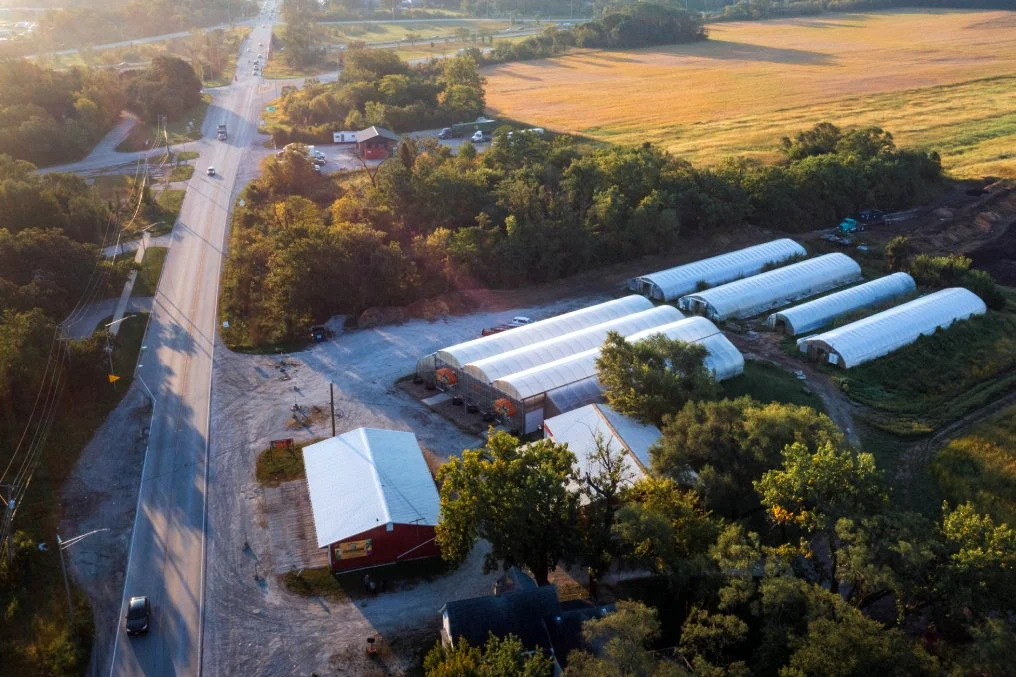
The permanent protection of Z-Farm on Chicago’s South Side marks a significant victory in the ongoing battle to preserve agricultural land and bolster local food systems across the United States. On October 13, 2026, The Conservation Fund officially transferred ownership of the working farm to the Urban Growers Collective, a non-profit organization that has cultivated the land since 2024. This landmark agreement ensures that the 30-acre property will remain productive farmland in perpetuity, safeguarding a crucial source of fresh produce and community engagement against the relentless pressures of urban development. The initiative, spearheaded by The Conservation Fund’s Chicago Farms Fund program, exemplifies a replicable model designed to address the alarming rate of farmland loss nationwide, providing a stable foundation for aspiring farmers and enhancing food security for metropolitan populations.
The Looming Crisis: Farmland Disappearing at an Alarming Rate
The fragility of local farming is a well-documented national concern, posing a profound threat to the nation’s agricultural capacity and food independence. Experts estimate that the United States loses approximately 40 acres of farmland every hour, a staggering rate that translates to the disappearance of over a million acres annually. Recent data from the American Farm Bureau Federation further underscores this crisis, revealing that more than 140,000 farms vanished between 2017 and 2022. This exodus translated into a net loss of over 20 million acres of agricultural land during the same period—an area roughly equivalent to the entire state of Maine. This dramatic decline is not merely a statistical anomaly; it represents a systemic challenge rooted in a confluence of economic, demographic, and environmental factors.
One of the primary drivers of this land loss is the relentless march of urban sprawl and suburban development. High-quality farmland, often located on the periphery of growing cities, becomes prime real estate for commercial and residential projects, offering developers lucrative returns that farmers struggling with narrow margins often cannot match. The Chicago metropolitan area, a vibrant economic hub, has experienced this pressure acutely. Between 1995 and the mid-2010s, the region saw a devastating 58 percent reduction in the farmland that once fed its communities, according to the Chicago Metropolitan Agency for Planning. Projections for Illinois paint an even bleaker picture, with over 360,000 acres of farmland anticipated to be lost by 2040 if current trends persist. Such substantive land loss jeopardizes not only the livelihoods of farmers but also the resilience of America’s food systems, diminishing opportunities for new generations to cultivate businesses that provide fresh, local, and healthy food. In a country where one in seven households grapples with food insecurity, the erosion of local food production capacity has direct and severe consequences for public health and societal well-being.
Challenges Facing Small and Beginning Farmers
Beyond the direct threat of development, small and medium-sized farms face an array of compounding challenges. An aging farmer population, coupled with a lack of clear succession planning, means that many farms cease operations when their owners retire or pass away. According to a USDA report, the average age of a U.S. farmer is approaching 60, highlighting the urgent need for new entrants. Younger generations, though often eager to enter the profession, encounter significant barriers to entry, particularly the exorbitant cost of land and limited access to capital. Many aspiring farmers start on small, often temporarily leased plots, only to find their growth stymied by the inability to secure additional, affordable acreage. Operating on a patchwork of short-term leases prevents farmers from making long-term investments in infrastructure, soil health, or business planning, undermining their ability to build sustainable, multi-generational enterprises.

Furthermore, recent cuts to federal programs that traditionally offer vital support for farmers have exacerbated these problems, limiting access to crucial resources needed for land acquisition, operational improvements, and market development. These combined stressors, from market volatility and climate change impacts to labor shortages and infrastructure gaps, can create a pervasive sense that local farming is on an irreversible decline. The struggle to maintain economically viable operations, coupled with the allure of alternative land uses, makes the preservation of existing farmland an increasingly complex and critical endeavor.
Z-Farm: A Model of Permanent Protection in Chicago
The story of Z-Farm on Chicago’s South Side stands as a powerful counter-narrative to this grim outlook. For two years prior to its permanent protection, Z-Farm, under the stewardship of Urban Growers Collective, had been instrumental in revitalizing local food access within its community. The 30-acre property, originally part of a larger family farm dating back to the 1930s, had recently come onto the market, making it vulnerable to the same development pressures that have consumed countless other agricultural sites around the country. Had it not been for the intervention of The Conservation Fund, Z-Farm could easily have been transformed into another commercial complex or residential subdivision, forever severing its connection to food production and community service.
Instead, through a meticulously orchestrated conservation effort, the land now belongs to Urban Growers Collective, securing its future as a vibrant agricultural hub. This permanent ownership empowers Urban Growers Collective to expand its mission, which includes cultivating nutritious, affordable food for communities across Chicago, providing invaluable agricultural job training, and fostering local economic development. The farm grows a diverse array of organic produce, from leafy greens and root vegetables to specialty crops, distributed through farmers markets, CSA programs, and partnerships with local institutions.
"This permanent ownership is a game-changer for us and for the communities we serve," stated Erika Allen, co-founder and CEO of Urban Growers Collective. "It allows us to deepen our roots, invest in long-term infrastructure, and provide consistent access to healthy food, knowing that this land will always be dedicated to agriculture. It’s a testament to what’s possible when conservation meets community needs, creating not just food, but jobs, education, and hope." The preservation of Z-Farm underscores the critical role that urban farms play in enhancing food sovereignty, creating vital green spaces, and fostering economic opportunity within metropolitan environments, particularly in underserved neighborhoods.
The Conservation Fund’s "Farms Fund" Model: A Blueprint for Success
The success of Z-Farm is not an isolated incident but rather a testament to a strategic and replicable approach pioneered by The Conservation Fund. Their "Farms Fund" program, which originated in Atlanta in 2022 and has since expanded to three other major cities, operates on a distinctive "buy-support-protect-sell" model designed to tackle the systemic challenges faced by small and medium-sized farms.

Chronology and Mechanism of the Farms Fund:
- 2022: The Farms Fund program is established in Atlanta, Georgia. This initial phase focuses on developing and refining the core model, recognizing the urgent need for farmland preservation in rapidly urbanizing areas while simultaneously fostering new farm businesses.
- Expansion (2023-2025): The program quickly demonstrates its efficacy, leading to strategic expansion into other critical regions facing similar pressures, including Chicago, Northwest Arkansas, and Charlotte, North Carolina. Each regional program is staffed by on-the-ground experts who possess intimate knowledge of local agricultural needs, market dynamics, and community priorities, allowing for tailored interventions.
- Identify and Buy: The process begins with The Conservation Fund identifying and acquiring at-risk, high-quality farmland that is particularly vulnerable to non-agricultural development. This initial purchase removes the land from immediate speculative pressures and development threats, ensuring its availability for agricultural use.
- Match and Support: Crucially, the program then matches a carefully selected small or medium-sized farm business with the acquired land. This matching process is often accompanied by ongoing, tailored support, which can range from market development assistance and business planning guidance to specialized agricultural training, ensuring the farmer has the resources and knowledge to thrive.
- Patient Pathway to Ownership: Recognizing the significant financial hurdles new farmers face, The Conservation Fund offers a patient pathway to ownership, typically spanning a three-to-five-year period. This allows farmers to build their businesses and financial capacity while cultivating the land, transitioning from a lease to eventual ownership without immediate overwhelming debt.
- Protect with Easement: A cornerstone of the model is the placement of an agricultural conservation easement on the property. This legally binding agreement permanently restricts future non-agricultural development on the land, guaranteeing that it will remain farmland forever, irrespective of future ownership changes. This protection is vital for insulating the farm from future market fluctuations and development pressures.
- Affordable Sale: Because the development rights have been extinguished by the easement, the land’s market value is significantly reduced, enabling The Conservation Fund to sell the property to the farmer at a much lower, more affordable rate. This makes the dream of owning a "forever farm" an attainable reality for farmers who would otherwise be priced out of the market.
Replicable Successes Across the Nation
The efficacy of this model is evidenced by a growing portfolio of successes beyond Z-Farm, particularly highlighted by achievements in 2026. In Northwest Arkansas, a farmer who had contemplated abandoning vegetable production due to land insecurity now has a clear pathway to ownership of a 100-acre farm, securing their future and enhancing local food supply for a growing regional market. In Georgia, a 48-acre farm was permanently protected, ensuring its capacity to feed a burgeoning metro area with fresh, sustainably grown produce. And in Charlotte, a mid-sized farm gained access to permanently protected land, enabling it to continue growing essential vegetables for the surrounding region, bolstering local food security and economic activity.
Collectively, since its inception in 2022, the Farms Fund program has successfully matched two dozen farms with land, protecting over 1,800 acres from development. The tangible impact of these efforts is substantial: farmers supported by the program reported collectively growing an estimated 1.5 million pounds of food in 2025. Using Feeding America’s widely accepted ratio of 1.2 pounds of food per meal, this translates to approximately 1.25 million meals provided to communities. This impressive output, achieved in less than five years, underscores the profound potential for scaling this work across the country. If such initiatives continue to replicate and expand, the number of thriving farm businesses and the communities benefiting from fresh, local food in the next decade could be truly transformative, contributing significantly to national food resilience.
Broader Implications: Economic, Social, and Environmental Returns
The impact of farmland conservation extends far beyond the immediate benefit of a protected farm. It represents a multifaceted investment with significant economic, social, and environmental returns. In a country where consumer desire for fresh, locally grown food is strong and a growing number of Americans are curious about the origins of their food, supporting local farms directly addresses market demand. Research from The Packer and Feedstuffs consistently shows that buying local factors significantly into consumer purchasing decisions, indicating a robust and underserved market for the produce grown on these protected farms. This demand creates local jobs, stimulates related businesses in processing and distribution, and keeps economic activity within the community.
Moreover, the argument that economic development and conservation are inherently opposing forces is increasingly being debunked. When national parks are expanded, they often catalyze local tourist economies and create jobs in hospitality and recreation. When wetlands are protected, they provide critical natural infrastructure, filtering water, supporting biodiversity, and shielding homes and businesses from the devastating impacts of flooding and storm surges. Similarly, when farmland is conserved, it simultaneously preserves economic opportunities for farmers, stimulates local economies through job creation and ancillary businesses, and supports resilient local food systems that empower communities to thrive. Kelly Larsen, who leads The Conservation Fund’s Chicago Farms Fund program, highlights this synergy: "In growing cities like Chicago, the balance between economic development and conservation is often framed as a zero-sum game. But our work demonstrates that conserving farmland isn’t just about protecting green space; it’s about fostering economic vitality, addressing food insecurity, and building a more resilient future for everyone."

The survival of small and mid-sized farms is crucial to meet the demands of a changing world, particularly in the face of climate change, increasing population, and supply chain vulnerabilities. These farms often employ more sustainable agricultural practices, contributing to healthier soils, reduced chemical use, and enhanced biodiversity. When federal and state resources prove insufficient to ensure the success of these vital enterprises, innovative programs like the Farms Fund become indispensable. They not only provide critical access to land and resources but also foster a new generation of agricultural entrepreneurs who are committed to sustainable practices and community engagement.
A Path Forward: Investing in a Resilient Food Future
The narrative of Z-Farm’s protection and the broader success of The Conservation Fund’s Farms Fund program offers a compelling vision for the future of American agriculture. It demonstrates that with strategic intervention and dedicated resources, the tide of farmland loss can be stemmed, and local food systems can be revitalized. This model, focusing on permanent land protection combined with robust farmer support and a patient pathway to ownership, provides a tangible and scalable pathway for aspiring farmers to access affordable land and build sustainable businesses.
As urban populations continue to grow and the demand for fresh, healthy, and locally sourced food intensifies, the role of conservation becomes ever more critical. It is an investment in community health, economic resilience, and environmental stewardship. The challenges facing local farming are complex and deeply entrenched, from market pressures and development to an aging workforce and policy gaps. However, initiatives like the Farms Fund offer a powerful testament to the impact of targeted, innovative solutions. In the face of a persistent farming crisis and pervasive food insecurity, a concerted effort to invest in programs that support farmers, protect agricultural land, and secure the future of local food production is not merely beneficial—it is an imperative. The blueprint for a more secure and sustainable food future is being laid, acre by protected acre, in cities like Chicago and across the nation, paving the way for a healthier, more equitable, and resilient food system for all.








