
 admin
admin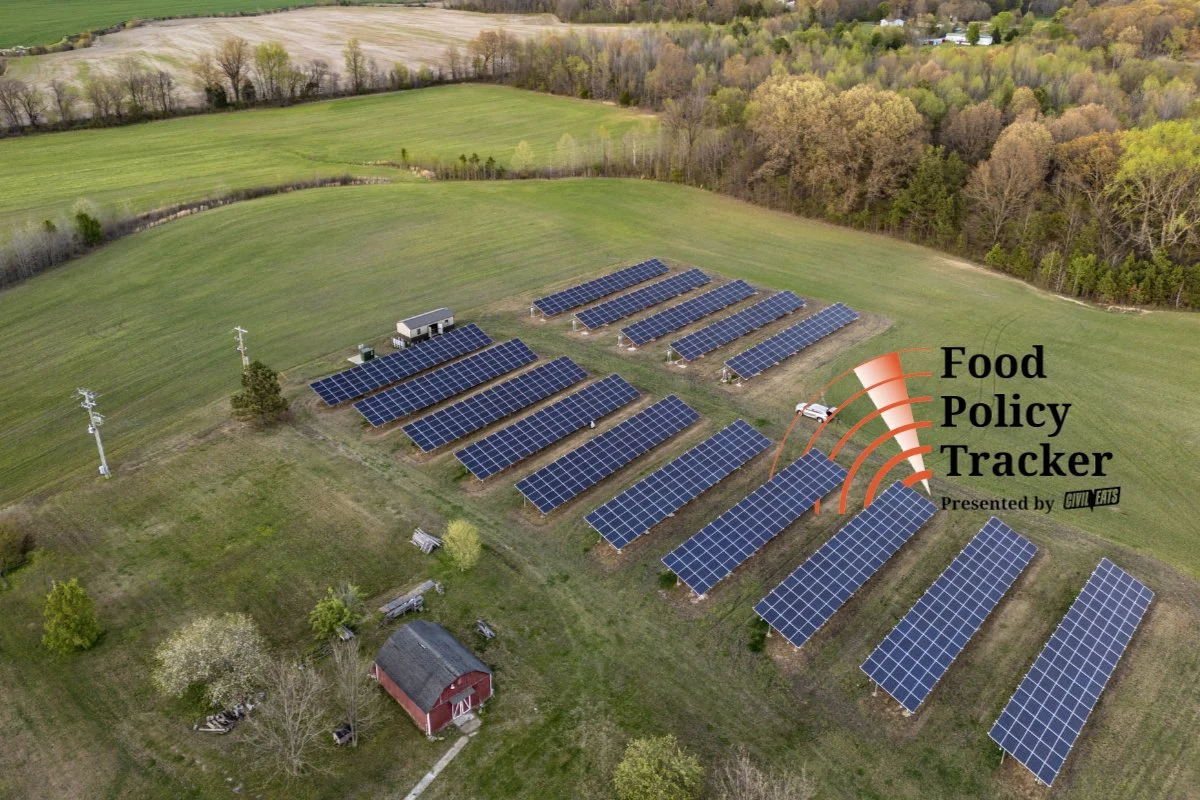
Just days after a coalition of farm and environmental groups filed a federal lawsuit challenging the U.S. Department of Agriculture’s (USDA) dramatic overhaul of the Rural Energy for America Program (REAP), the agency last week published a final rule that will impose even stricter limitations, making it significantly more difficult for agricultural producers and rural small businesses to access funding for renewable energy systems like solar arrays and wind turbines. The rule, officially titled “Unleashing American Energy and Economic Prosperity: Rural Energy for America Program (REAP),” codifies several controversial changes that critics argue undermine congressional intent and threaten the viability of clean energy projects in rural America.
New Regulations Threaten Renewable Energy Development
The final rule, published in the Federal Register on October 1, 2026, introduces a series of stringent conditions and prohibitions that mark a stark departure from REAP’s previous operational framework. Among the most impactful changes is a direct prohibition on ground-mount solar installations on certified cropland. This particular restriction directly targets agrivoltaics, a nascent but growing practice that combines solar power generation with agriculture on the same land, often allowing for continued crop production or grazing beneath elevated panels. Proponents of agrivoltaics highlight its potential to maximize land use efficiency, generate additional farm income, and even improve crop yields in some climates by providing shade and reducing water evaporation.
Another significant restriction is the prohibition on systems that utilize materials manufactured in China. This move aligns with broader administration efforts to reduce reliance on foreign supply chains, particularly from geopolitical rivals. However, the practical implication for the renewable energy sector is substantial, as China currently dominates the global manufacturing landscape for solar panels, producing the vast majority of the world’s supply. This ban could drastically increase the cost and complexity of sourcing components for REAP-eligible projects, potentially rendering many financially unfeasible for farmers and small businesses.
Perhaps the most challenging change for applicants is the revised structure for REAP grants. Under the new rule, farmers and other applicants will not be able to apply for funding until 12 months after a project is fully built and operational. This dramatic shift means that applicants would be required to undertake the entire financial burden of constructing renewable energy systems without any upfront guarantee of federal reimbursement. This "build first, apply later" model introduces an unprecedented level of financial risk for farmers, many of whom operate on tight margins and rely on secured funding to initiate large capital investments. The previous system allowed for applications and approvals prior to construction, providing critical financial certainty and enabling access to private financing.

Agriculture Secretary Brooke Rollins, in a press release accompanying the rule’s publication, asserted that "The final rule from USDA will restore integrity and stability to the Rural Energy for America Program. For too long many applicants have prioritized unreliable energy sources and have not fully delivered on their stated goals." This statement underscores the administration’s narrative that previous REAP iterations were mismanaged or supported projects deemed inconsistent with its energy policy objectives.
A Program’s Evolution: From Bipartisan Support to Political Battleground
The Rural Energy for America Program has a long and bipartisan history, tracing its origins back to the 2002 Farm Bill and subsequently expanded in the 2008 and 2014 Farm Bills. Its core mission was explicitly defined by Congress: to promote energy efficiency and renewable energy development for agricultural producers and rural small businesses. Over the past decade, REAP has been a cornerstone of rural development, providing crucial loans and grants that have enabled tens of thousands of farms and rural enterprises to invest in energy-saving measures and clean energy generation.
Before these recent changes, REAP was widely regarded as a successful initiative. Data from the USDA’s own Economic Research Service (ERS) indicated that between 2012 and 2020, more than 40 percent of new solar and over half of new wind turbines were installed on former cropland. Crucially, the total land area impacted by such installations amounted to less than 0.05 percent of all U.S. farmland, refuting claims of widespread agricultural land displacement. These projects not only reduced operational costs for farmers, enhancing their economic resilience, but also contributed to national energy independence and reduced carbon emissions. The program supported a diverse array of projects, from small-scale solar installations on barns to larger wind turbines powering entire farm operations, reflecting its adaptability to various rural needs.
A Chronology of Disruption
The current regulatory shift by the Trump administration and USDA Secretary Rollins has unfolded over more than a year, signaling a concerted effort to redirect federal energy subsidies away from renewables and towards what the administration characterizes as more "reliable" domestic sources, often interpreted as fossil fuels.

- July 2025: The White House issues executive actions signaling a broader intent to roll back federal subsidies for renewable energy, framing them as "market-distorting" and tied to "unreliable foreign-controlled energy sources." This set the stage for agency-specific actions.
- August 20, 2025: Secretary Rollins begins the process of limiting REAP funding. She publicly characterizes solar development as a "threat to farmland," echoing a narrative that prioritizes traditional agricultural land use over renewable energy integration. This marked the formal initiation of the USDA’s policy shift regarding REAP.
- March 2026: The USDA takes the unprecedented step of pausing the processing of all REAP grant applications and disbursements. This immediate halt left many farmers and businesses in limbo, especially those who had already secured approval, made significant financial commitments, and even begun construction based on the expectation of REAP reimbursement. This administrative pause caused considerable financial strain and uncertainty across rural communities.
- September 28, 2026: A coalition of plaintiffs, including the Iowa Farmers Union, Earthjustice, and the Environmental Law and Policy Center (ELPC), files a lawsuit challenging the USDA’s actions. They argue that the agency’s actions clearly violate Congress’s explicit directive to "promote energy efficiency and renewable energy development for agricultural producers and rural small businesses."
- October 1, 2026: The USDA publishes the final rule in the Federal Register, codifying the restrictive changes previously announced and introducing new ones, such as the 12-month post-construction application requirement.
- October 5, 2026: The news of the final rule and the ongoing lawsuit garners widespread attention, highlighting the deepening conflict between the administration’s energy policy and the interests of rural communities and clean energy advocates.
- November 2, 2026: The deadline for public comments on the final rule is set, providing a narrow window for stakeholders to voice their concerns and opposition.
The Legal Challenge and Stakeholder Reactions
The lawsuit, spearheaded by Earthjustice and the Environmental Law and Policy Center on behalf of organizations like the Iowa Farmers Union and several solar developers, contends that the USDA has overstepped its authority and disregarded the clear legislative intent behind REAP. Jessica O’Donnell, a senior attorney at the Environmental Law and Policy Center, articulated the plaintiffs’ position in a press release: "Congress created REAP to help farmers put solar on their own land and cut their own energy costs. USDA now wants to dismantle a successful bipartisan program and slam the door on farmers who already spent significant sums of money relying on USDA’s own rules."
The plaintiffs specifically highlighted the USDA’s earlier decision to pause all applications and disbursements in March. This abrupt halt meant that some farmers who had already applied, received approval, and invested substantial capital into building solar on their farms were suddenly denied promised reimbursements. This situation has led to significant financial hardship for these agricultural producers, who now face the prospect of covering substantial, unexpected costs without the federal support they had planned on. "Farmers relied on the USDA’s word and now find themselves in precarious financial positions," stated a representative from the Iowa Farmers Union, emphasizing the breach of trust and the potential for bankruptcies among those most affected.
Beyond the immediate plaintiffs, the new rule has drawn condemnation from a broad spectrum of stakeholders. Environmental organizations warn that the restrictions will impede the transition to a clean energy economy and exacerbate the impacts of climate change on agricultural communities. Renewable energy industry associations project job losses and a significant slowdown in rural clean energy deployment, arguing that the "made in China" ban, coupled with the "build first" grant structure, creates an insurmountable barrier for many projects.
Conversely, Secretary Rollins and the USDA maintain that the changes are necessary to ensure the program’s "integrity and stability." While not explicitly detailing what constitutes "unreliable energy sources" or how previous applicants "have not fully delivered on their stated goals," the administration’s stance reflects a broader skepticism towards intermittent renewable energy and a desire to promote domestic manufacturing and what it deems as more secure energy supplies. This perspective aligns with an "America First" energy agenda that prioritizes certain domestic industries and supply chains, even if it comes at the expense of established clean energy programs.
Broader Implications for Rural America and the Energy Transition

The long-term implications of these REAP program changes extend far beyond individual farm operations. Economically, the new rules are expected to stifle rural economic development that has historically been spurred by renewable energy investments. The reduction in federal support could lead to fewer new projects, fewer jobs in installation and maintenance, and less investment flowing into rural areas. Farmers will face higher energy costs and reduced opportunities to diversify their income streams through energy generation, potentially diminishing their overall economic resilience in an increasingly volatile agricultural market.
Environmentally, the curtailment of REAP’s effectiveness represents a setback for climate action. Agriculture is both a contributor to and a victim of climate change, and renewable energy adoption on farms has been a key strategy for reducing the sector’s carbon footprint. The new restrictions will slow the pace of clean energy adoption, potentially leading to higher greenhouse gas emissions from rural areas and making it harder for the U.S. to meet its broader climate commitments. The ban on ground-mount solar on certified cropland, in particular, could impede the growth of agrivoltaics, a solution that offers a synergistic approach to food and energy production while addressing land use concerns.
From an energy security perspective, while the "made in China" ban aims to bolster domestic manufacturing, critics argue that it could inadvertently weaken U.S. energy independence by making renewable energy less accessible and more expensive. A diversified energy portfolio, including robust domestic renewable capacity, is often seen as a cornerstone of true energy security. Limiting access to cost-effective global supply chains in the short term, without sufficient domestic alternatives, could slow the overall energy transition.
The legal battle itself carries significant weight. Should the lawsuit succeed, it could set an important precedent regarding the extent to which executive agencies can reinterpret or override congressional mandates. The outcome will be closely watched by those concerned with legislative intent and the balance of power between different branches of government.
As the public comment period for the final rule continues until November 2, the USDA faces mounting pressure from a diverse array of stakeholders. The future of REAP, once a beacon of bipartisan cooperation and rural innovation, now hangs in the balance, entangled in a complex web of legal challenges, policy debates, and the pressing needs of American farmers and rural communities navigating an evolving energy landscape.








