admin
admin
As Pablo Picasso famously said: ‘Inspiration exists, but it has to find you working.’ This profound observation, linking creativity to relentless effort, resonates deeply within the prestigious wine region of Ribera del Duero. Here, in the heart of Spain’s Castilla y León, the pursuit of exceptional wine is a testament to this very principle, particularly as producers navigate the complex and evolving challenges presented by a changing global climate. The region’s celebrated wines, predominantly crafted from the local Tinto Fino (Tempranillo) grape, are not merely products of a unique terroir but also reflections of unwavering persistence and innovative labour, continually adapting to ensure their distinctive character endures.
The Crucible of Climate Change: New Realities for Ribera del Duero
Ribera del Duero, a Designation of Origin (DO) established in 1982, has rapidly ascended to global prominence, renowned for its powerful, elegant red wines. Situated on the high plateau of the northern Iberian Peninsula, the region experiences a harsh continental climate characterized by extreme temperatures – scorching summers, frigid winters, and significant diurnal shifts. These conditions, combined with high altitudes ranging from 700 to 1,000 meters above sea level and diverse soil compositions of limestone, marl, clay, and sand, create a distinctive terroir that imparts intensity, structure, and aromatic complexity to its wines. The Duero River, which carves its path through the region, is not only a geographical landmark but also a vital moderator, influencing the microclimates of many vineyards.
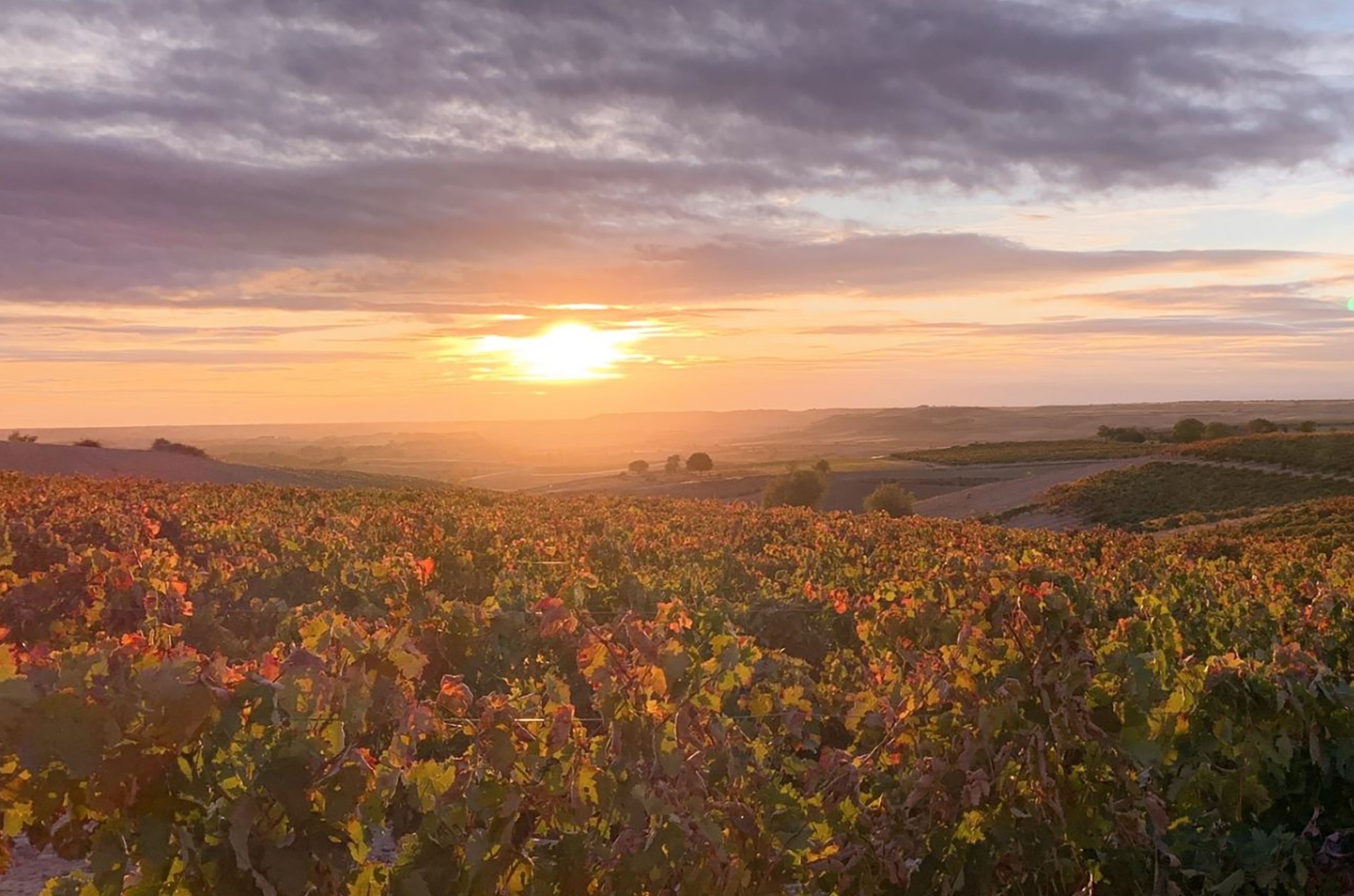
However, this delicate balance is increasingly threatened by the accelerating pace of climate change. Winemakers across Ribera del Duero report earlier bud break, shorter growing seasons, more frequent heatwaves, and altered rainfall patterns. Vintages are becoming more unpredictable, with potential issues ranging from excessive heat leading to over-ripeness and reduced acidity, to sudden hailstorms devastating entire parcels, and spring frosts endangering early shoots. These environmental shifts demand an unprecedented level of vigilance and adaptive strategies from viticulturists and oenologists. The Picasso quote serves as a poignant reminder that in the face of these formidable natural forces, inspiration is not a passive gift but an active quest, requiring constant work, experimentation, and resilience.
A History Forged in Extremes: The Background of Ribera del Duero’s Rise
The winemaking tradition in Ribera del Duero dates back millennia, with archaeological evidence suggesting viticulture during Roman times. Monasteries played a crucial role in preserving and developing winemaking techniques through the Middle Ages. However, it was only in the latter half of the 20th century that Ribera del Duero began to carve out its modern identity as a premium wine region. Before its DO status, much of the wine produced was sold in bulk or consumed locally. The establishment of the DO in 1982 provided a regulatory framework that spurred investment, promoted quality control, and brought international recognition. Key varietal regulations mandate that red wines must be at least 75% Tinto Fino, with Cabernet Sauvignon, Merlot, and Malbec permitted up to 25%, and Garnacha and Albillo Mayor also allowed. Rosé wines typically use Tinto Fino, Garnacha, and Albillo Mayor.
The region’s rapid ascent was largely driven by pioneering wineries that championed quality, oak ageing, and the unique expression of Tempranillo in this terroir. This history of overcoming natural adversity – the extreme climate itself – has instilled a deep-seated ethos of hard work and innovation that now proves invaluable in tackling contemporary environmental challenges.
Vintner Resilience: Adapting to a Changing Viticultural Landscape
To counter the adverse effects of climate change, winemakers in Ribera del Duero are implementing a multi-faceted approach, demonstrating remarkable ingenuity and commitment. These strategies span vineyard management, grape selection, and cellar techniques:
- Vineyard Management:
- Canopy Management: Adjusting leaf removal and shoot positioning to protect grapes from excessive sun exposure and heat stress while ensuring adequate ventilation to prevent fungal diseases.
- Irrigation: While traditionally limited, strategic, controlled irrigation is becoming more common, especially for younger vines or during severe drought periods, to prevent water stress and ensure physiological ripening.
- Site Selection: Exploring and planting vineyards at higher altitudes, where cooler temperatures and greater diurnal shifts can preserve acidity and aromatic complexity, even in warmer years. This also includes selecting north-facing slopes to mitigate direct sun exposure.
- Soil Management: Enhancing soil organic matter through cover crops and reduced tillage helps improve water retention and soil health, making vines more resilient to drought.
- Grape Varietals and Clones:
- Clone Selection: Focusing on Tinto Fino clones that are better adapted to heat and drought, or those that ripen later, allowing for a longer hang time and more balanced phenolic maturity.
- Indigenous Varieties: Re-evaluating and potentially increasing the use of other indigenous varieties like Albillo Mayor (for white and rosé wines), which might offer greater resilience or unique characteristics under new climate conditions.
- Winemaking Techniques:
- Harvest Timing: Carefully monitoring ripeness levels to pick grapes at optimal balance, often earlier than in previous decades, to retain freshness and acidity.
- Fermentation Control: Utilizing advanced temperature control during fermentation to preserve delicate aromas and prevent over-extraction in highly ripe fruit.
- Oak Management: Adapting oak ageing regimes, potentially reducing the duration or using larger, less impactful barrels, to ensure the oak complements rather than overpowers the fruit character, which can be more pronounced in warmer vintages.
- Blending: Employing blending of different vineyard parcels or even different vintages (as seen in some innovative white wines) to achieve desired balance and complexity.
These proactive measures reflect the spirit of Picasso’s maxim – that true inspiration in winemaking is born from the hard work of observation, adaptation, and continuous improvement. The DO’s regulatory body, the Consejo Regulador, also plays a role in supporting these adaptations, by, for example, adjusting permissible irrigation practices or promoting research into sustainable viticulture.
A Glimpse into Excellence: Featured Ribera del Duero Wines
The enduring quality of Ribera del Duero wines, despite these challenges, is best exemplified by the diverse range of offerings from its dedicated producers. The selection of wines highlighted by Decanter underscores the region’s commitment to crafting expressive, nuanced, and age-worthy bottles. While specific scores remain exclusive to Premium members, the detailed tasting notes offer a window into the distinct character and quality present across the region.
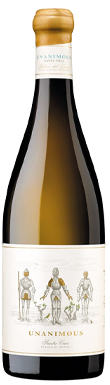
- TresPiedras Fuentecen, Unanimous, Ribera del Duero, Castilla y León, Spain 2022: Described as "expressive, poised" with a "flinty, ‘Burgundian’ edge," this wine showcases notes of toasted almond, pear peel, yellow apple, and crunchy quince. The mention of a "Burgundian" character suggests a focus on elegance, minerality, and finesse, perhaps a deliberate stylistic choice to achieve balance in a potentially warm vintage like 2022.
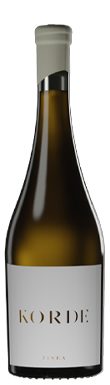
- Pinea, Korde Blanc, Ribera del Duero, Castilla y León, Spain NV: This "vivid, textural and expressive" multi-vintage blend, featuring a "balsamic lining of pine needles and eucalyptus oil," represents an innovative approach. Blending across vintages can be a strategy to maintain consistency and complexity, mitigating vintage variation caused by climate fluctuations, and showcasing the producer’s skill in creating a house style.
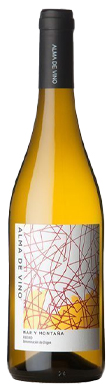
- Virtus, Alma, Ribera del Duero, Castilla y León, Spain 2020: With "gentle smokiness and toastiness" framing "lemon, yellow apple and crunchy pear fruit," this wine demonstrates a successful integration of oak with fresh fruit, indicating careful winemaking to achieve balance and longevity. The 2020 vintage generally presented its own set of challenges, making this poised expression noteworthy.
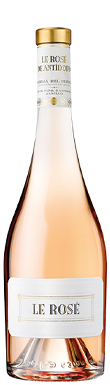
- Antídoto, Le Rosé, Ribera del Duero, Castilla y León, Spain 2024: A "beautiful nose with an alluring, fino-like touch of almond and green olive brine" alongside "Camomile, linden and hay" and "crunchy yellow apple," signals a rosé of significant complexity and freshness, moving beyond simple fruitiness towards a more gastronomic profile. This highlights the evolving diversity of styles within the DO.
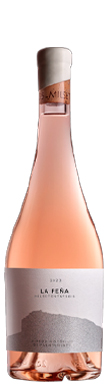
- Hoyada de los Lobos, Milsetentayseis La Peña, Ribera del Duero, Castilla y León, Spain 2023: A "subdued nose, nuanced and filigree" with a "precise and focused palate" of "crisp cranberry, yellow apple and red apple peel, drenched in rhubarb and pomegranate," speaks to a wine of delicate balance and high acidity, crucial elements in warm climates to maintain freshness.
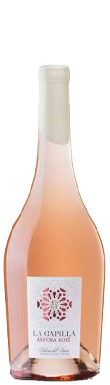
- Finca La Capilla, Anfora Rosé, Ribera del Duero, Castilla y León, Spain 2024: An "elegant rosado into which wood is successfully woven to bring definition and complexity to the white and orange orchard fruit," suggesting a sophisticated rosé, where oak is used judiciously to enhance structure and aroma, rather than overpower the fruit.
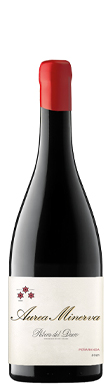
- Bela, Aurea Minerva, Ribera del Duero, Castilla y León, Spain 2023: This wine is "very concentrated on the nose," offering "plenty of ripe dark fruit – especially cherry, blueberry compote and blackberry – as well as ganache and dark chocolate." This profile indicates a rich, opulent style, expertly managed to avoid heaviness.
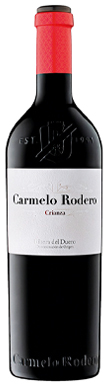
- Carmelo Rodero, Crianza, Ribera del Duero, Castilla y León, Spain 2023: An "intense, fragrant, aromatic, deep wine" with "ripe red and black fruit, spices, pepper, vanilla, toasted notes, menthol and cocoa," showcases a classic Ribera del Duero Crianza profile, emphasizing complexity from fruit and oak integration.
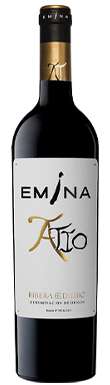
- Emina, Atio, Ribera del Duero, Castilla y León, Spain 2022: Described as "very complex and complete on the nose," blending "blackberry and blueberry" with "cocoa, spices and exotic woods," and a "wide, succulent and balanced" palate, this wine highlights a harmonious and well-integrated expression.
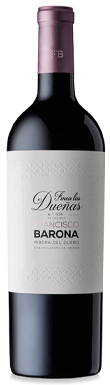
- Francisco Barona, Finca las Dueñas Reserva, Ribera del Duero, Castilla y León, Spain 2022: A "superb," "intense, pure and nuanced" wine with "beautiful integration of alcohol and wood," "smoky but also delightfully peppery tannins," and a "vegetal twist," suggests a wine of profound complexity and structure, promising excellent ageing potential.
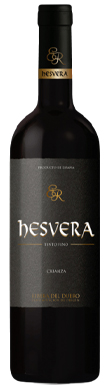
- Hesvera, Crianza, Ribera del Duero, Castilla y León, Spain 2023: "Luscious, with notes of sweet baked goods, biscuit and vanilla-cinnamon spice," alongside "ripe black fruit – prune, blackberry, dark cherry – along with notes of chocolate," presents a rich, dessert-like aromatic profile, balanced with fruit intensity.
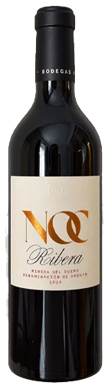
- NOC, Ribera, Ribera del Duero, Castilla y León, Spain 2023: A "deep, intense wine, both mineral and fruity," with "complex layers of violet, ripe dark fruit (blueberry, blackberry, plum), Mediterranean herbs, chocolate and cinnamon," and a "juicy, fruity" palate, illustrates a wine with both intensity and freshness.
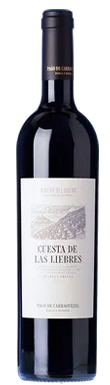
- Pago de Carraovejas, Cuesta de las Liebres, Ribera del Duero, Castilla y León, Spain 2021: A "deep, enveloping nose of plum jam, cherry pie, red apple peel and pink peach," with "extraordinarily fine, mineral tannins" and a "gossamer yet vibrant lining," signifies a wine of exceptional elegance, textural refinement, and depth.
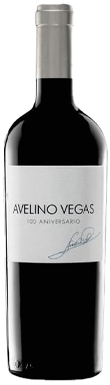
- Avelino Vegas, 100 Aniversario, Ribera del Duero, Castilla y León, Spain 2019: "Intense, complex and deep; very mineral and ripe," with "prune, blackberry and Picota cherry" over "spices, leather and varnish," and a "tense and juicy" palate, marks a wine of great power and concentration, indicative of a mature, well-aged style.
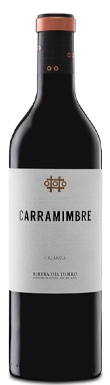
- Carramimbre, Crianza, Ribera del Duero, Castilla y León, Spain 2023: An "intense, aromatic nose" with "good concentration of ripe black fruit, along with notes of cocoa, spices, minerals, fine oak, coffee and toffee," followed by a balanced palate, exemplifies a Crianza with classic complexity and depth.
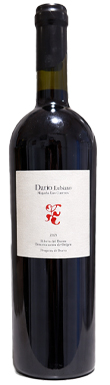
- Darío Lubiano, Majuelo Los Cuernos, Ribera del Duero, Castilla y León, Spain 2023: "Fragrant, intense and complex," with "cherry, blackberry and blueberry compote," "violet, cocoa powder, chocolate truffle, spices," this wine demonstrates a rich, layered aromatic profile with vibrant fruit.
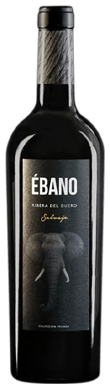
- Ebano, Salvaje Crianza, Ribera del Duero, Castilla y León, Spain 2021: An "intense nose featuring ripe black fruit, wild flowers, violet, fine wood notes, spices and cocoa," and a "very juicy and fruity on the palate, with good acidity," highlights a Crianza that balances ripeness with essential freshness.
- Emilio Moro, Malleolus, Ribera del Duero, Castilla y León, Spain, 2023: A "beautiful nose, marrying earthy freshness and floral detail: petrichor, wet soil, wet leaves, parma violet and crushed rose petals," followed by a palate with "incredible detail," suggests a wine of exceptional aromatic complexity and terroir expression, leaning towards elegance and subtlety.
- La Luz del Duero, Peñafiel Edición Limitada, Ribera del Duero, Castilla y León, Spain 2021: "Deep, intense, complex nose, with loads of nuance," featuring "ripe black fruit, chocolate, coffee, exotic wood and sweet spice," and a "very balanced and fresh" palate, indicates a limited edition wine of significant depth and harmony.
- Marta Maté, Ribera del Duero, Castilla y León, Spain 2023: "Intense, deep and mineral, with ripe fruit, especially blueberry, mulberry and cherry," layered with "violet, cocoa, mountain herbs, vanilla and toast," and a "juicy and succulent" palate, showcases a powerful yet refined expression of the region.
These selections collectively illustrate that Ribera del Duero’s winemakers are not only maintaining but elevating the region’s profile, even as environmental conditions shift. Each wine, in its unique expression, embodies the diligent work and creative spirit necessary to succeed in modern viticulture.
The Role of Expertise: Decanter’s Ines Salpico’s Perspective
The expert evaluations of wines from regions like Ribera del Duero are crucial for both producers and consumers. Ines Salpico, Decanter’s regional editor for Spain, Portugal, and South America, brings a wealth of experience and a discerning palate to this task. Her background, rooted in growing up amidst vines in Ribatejo, Portugal, and later transitioning from architecture to a sommelier role in Michelin-starred restaurants, culminating in her WSET Diploma, provides a comprehensive understanding of wine from vineyard to glass.
Her role at Decanter, particularly as a regional editor, involves deep engagement with the viticultural and oenological developments in these areas. Her assessments, therefore, are not merely tasting notes but informed analyses that consider the broader context of production, including the impact of climate change and the innovative efforts of winemakers. Such expert commentary helps to identify and celebrate the wines that truly stand out for their quality, character, and the hard work that defines them. In a dynamic region like Ribera del Duero, Ines Salpico’s insights are invaluable in guiding enthusiasts and professionals towards wines that authentically represent the region’s dedication to excellence in the face of evolving challenges.
Broader Implications and the Future Outlook
The situation in Ribera del Duero is emblematic of a broader trend affecting wine regions worldwide. The strategies employed here — from meticulous vineyard management to innovative winemaking — offer a blueprint for sustainable viticulture in a warming world. The success of Ribera del Duero in maintaining its quality and distinct identity speaks volumes about the adaptability and foresight of its producers.
For the Spanish wine industry as a whole, Ribera del Duero serves as a beacon of quality and resilience. It reinforces Spain’s position as a producer of world-class wines, capable of delivering complexity and finesse alongside power. As consumers increasingly prioritize sustainability and provenance, the narratives of adaptation and persistent effort become even more compelling. The future of Ribera del Duero wines will undoubtedly continue to be shaped by this ongoing dialogue between nature and human ingenuity. The region’s commitment to quality, underpinned by the relentless work ethic of its vintners, ensures that its wines will continue to inspire and delight, proving that even in the face of new challenges, the spirit of excellence can thrive.