admin
admin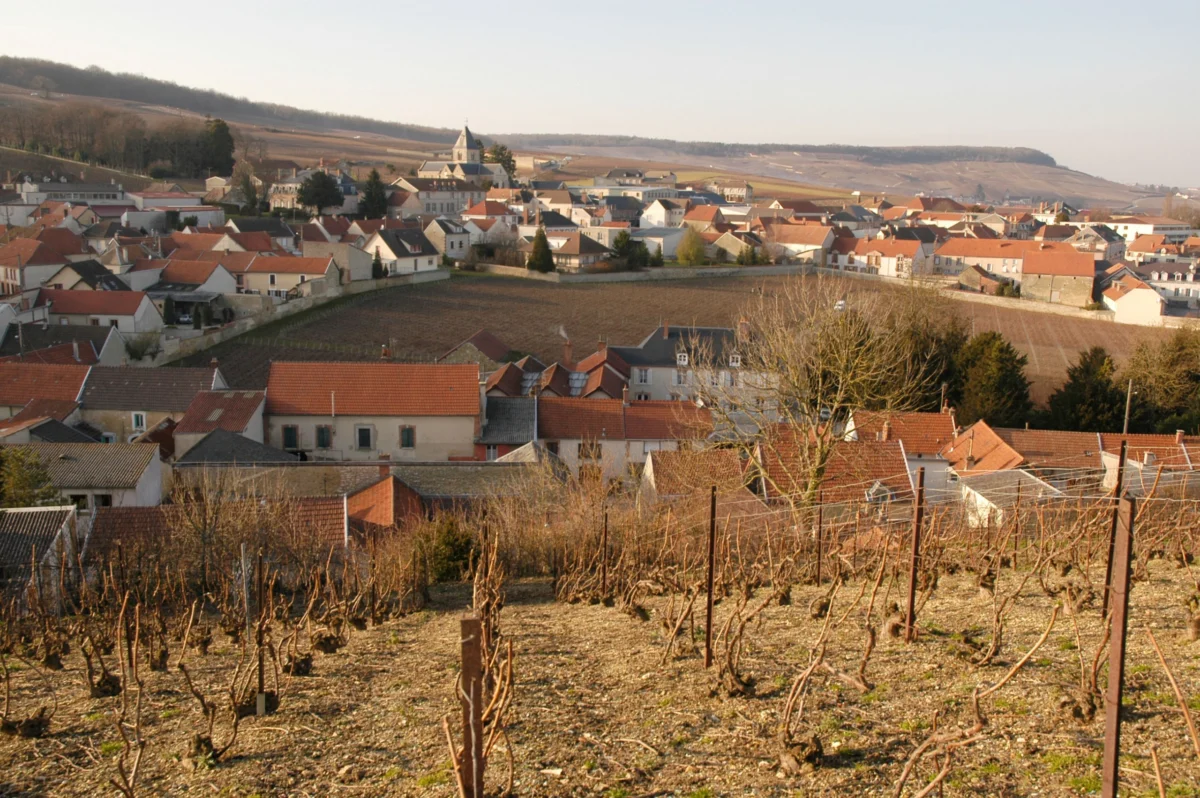
In a period marked by discernible shifts and mounting pressures within the global wine market, particularly for the venerable Champagne region, the house of Louis Roederer stands as a testament to resilience, strategic foresight, and an unwavering commitment to quality. As the esteemed Champagne producer commemorates its remarkable 250th anniversary, it simultaneously toasts to the 150th milestone of its universally recognized prestige cuvée, Cristal. These dual celebrations arrive at a critical juncture for the broader Champagne industry, which is navigating a complex landscape of slowing sales, evolving consumer preferences, and escalating financial headwinds.
A Legacy Forged in Time: The Founding and Evolution of Louis Roederer
The narrative of Louis Roederer begins in 1776, when it was established as Dubois Père & Fils in Reims. The house truly began to chart its distinctive course in 1833, when Louis Roederer inherited the business from his uncle, transforming it into the iconic maison known today. From its inception, Roederer harbored a vision distinct from many of its contemporaries. While others primarily purchased grapes from various growers, Louis Roederer embarked on an ambitious program of acquiring Grand Cru vineyards, a strategy that was revolutionary for its time. This foundational decision underpinned the house’s philosophy of unparalleled control over its grape supply, enabling it to dictate the quality and character of its wines from the very source.
This vineyard-centric approach allowed Roederer to ensure a consistent supply of exceptional fruit, insulating it from the fluctuating grape market and solidifying its reputation for quality. The house quickly gained prominence, particularly appealing to discerning European aristocrats and, notably, the Russian Imperial Court. This era of expansion saw Roederer cement its status as a producer of distinction, laying the groundwork for its future innovations and enduring success. Throughout generations, the Roederer family has maintained independent ownership, a rarity among major Champagne houses, which has allowed for a long-term vision unburdened by external corporate pressures. This independence has been crucial in fostering a culture of patience, investment, and uncompromising quality.
The Genesis of Cristal: A Royal Request, an Enduring Icon
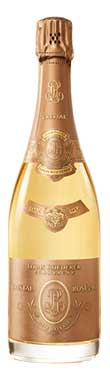
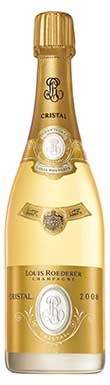
The year 1876 marked another pivotal moment in the house’s history with the creation of Cristal, a Champagne born out of a specific request from Tsar Alexander II of Russia. The Tsar, a devoted admirer of Louis Roederer’s wines, desired a special cuvée that reflected both purity and security. His fear of assassination led him to request a clear, flat-bottomed bottle, supposedly to prevent hidden explosives, and a wine of such exceptional quality that it stood apart from all others. The clear glass, often adorned with a gold label, allowed the Tsar to appreciate the wine’s golden hue and effervescence, while the flat base eliminated the punt, a common indentation at the bottom of Champagne bottles.
Cristal was, in essence, the world’s first prestige cuvée. Crafted exclusively from the finest grapes sourced from Louis Roederer’s most esteemed Grand Cru vineyards, primarily Pinot Noir from Verzenay, Verzy, and Ay, and Chardonnay from Avize and Le Mesnil-sur-Oger, its composition is a testament to meticulous selection and blending. The wine is aged for an extended period on its lees, developing unparalleled complexity, finesse, and a signature crystalline purity. Its immediate success with the Imperial Court established its legendary status, and even after the Russian Revolution, Cristal retained its mystique and desirability, becoming a symbol of luxury and celebration worldwide. The wine’s consistent quality and distinctive presentation have maintained its allure for 150 years, making it one of the most recognizable and coveted Champagnes on the planet.
Navigating a Challenging Champagne Market
The dual anniversaries of Louis Roederer and Cristal serve as a powerful counter-narrative to the current challenges facing the Champagne appellation. Following a post-pandemic surge in demand in 2021 and 2022, which saw record sales, the market has begun to cool. The Comité Champagne (CIVC), the region’s trade association, reported a decrease in overall shipments in 2023, with volumes falling by approximately 8.2% compared to the previous year, totaling 298.7 million bottles. This decline is attributed to a confluence of factors: persistent inflation impacting consumer purchasing power, rising interest rates, geopolitical uncertainties, and a general economic slowdown across key markets.
While overall volumes have dipped, the value segment, particularly for prestige cuvées and established luxury brands, has demonstrated greater resilience. This bifurcation of the market suggests that while mainstream Champagne sales might be under pressure, the demand for ultra-premium offerings like Cristal remains robust, driven by affluent consumers and a continued appreciation for heritage and quality. However, even for high-end producers, the environment necessitates strategic adaptation. Rising production costs, including energy, raw materials, and labor, coupled with the imperative for sustainable viticulture in the face of climate change, add layers of complexity. The Champagne region, historically vulnerable to unpredictable weather patterns, is increasingly investing in research and practices to mitigate the effects of global warming, such as earlier harvests and grape variety adaptations.
Roederer’s Pillars of Resilience and Innovation
Louis Roederer’s ability to thrive through centuries, including tumultuous periods, can be attributed to several core tenets that continue to define its operations:
-
Unrivaled Vineyard Ownership and Terroir Focus: Roederer remains one of the largest vineyard owners in Champagne, possessing approximately 240 hectares of meticulously managed vines. This extensive ownership, covering nearly 70% of its grape needs, grants the house an extraordinary degree of control over the quality, consistency, and unique expression of its terroir. This self-sufficiency is a significant competitive advantage, especially in vintages where grape supply might be constrained or prices volatile. The focus on individual plots and their distinct characteristics allows Cellar Master Jean-Baptiste Lécaillon to craft wines that are true reflections of the land.
-
Commitment to Organic and Biodynamic Viticulture: Under the visionary leadership of Cellar Master Jean-Baptiste Lécaillon, Louis Roederer has pioneered sustainable viticulture in Champagne. Lécaillon, who joined the house in 1989 and became Cellar Master in 1999, has been instrumental in transitioning the vineyards towards organic and biodynamic practices. Today, a significant portion of Roederer’s vineyards, including those dedicated to Cristal, are farmed biodynamically. This holistic approach, which treats the vineyard as a living ecosystem, aims to enhance soil health, biodiversity, and the natural resistance of the vines, ultimately leading to more vibrant, expressive grapes and wines. This commitment aligns with growing consumer demand for environmentally responsible luxury goods.
-
Long-Term Vision and Generational Stewardship: As a family-owned enterprise, Louis Roederer is not beholden to short-term market fluctuations or shareholder demands. This independence fosters a long-term strategic outlook, allowing for significant investments in vineyards, cellars, and research without immediate pressure for quarterly returns. Decisions are made with future generations in mind, ensuring the preservation of quality and heritage. This patient approach is vital in an industry where the finest products require years, sometimes decades, of aging before release.
-
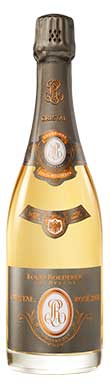
Innovation within Tradition: While deeply rooted in tradition, Roederer has also embraced innovation. A notable example is the introduction of its "Collection" multi-vintage Champagne, which replaced the Brut Premier. This new cuvée allows Lécaillon greater flexibility to adapt to the nuances of each harvest, incorporating a larger proportion of reserve wines aged in oak, and drawing from a perpetual reserve. This reflects a forward-thinking approach to blending and managing climatic variations while maintaining the house style. The "Late Release" and "Vinothèque" programs for Cristal, offering extended lees aging, further demonstrate a commitment to exploring the full potential and evolution of their prestige cuvée.
The Visionary Leadership of Jean-Baptiste Lécaillon
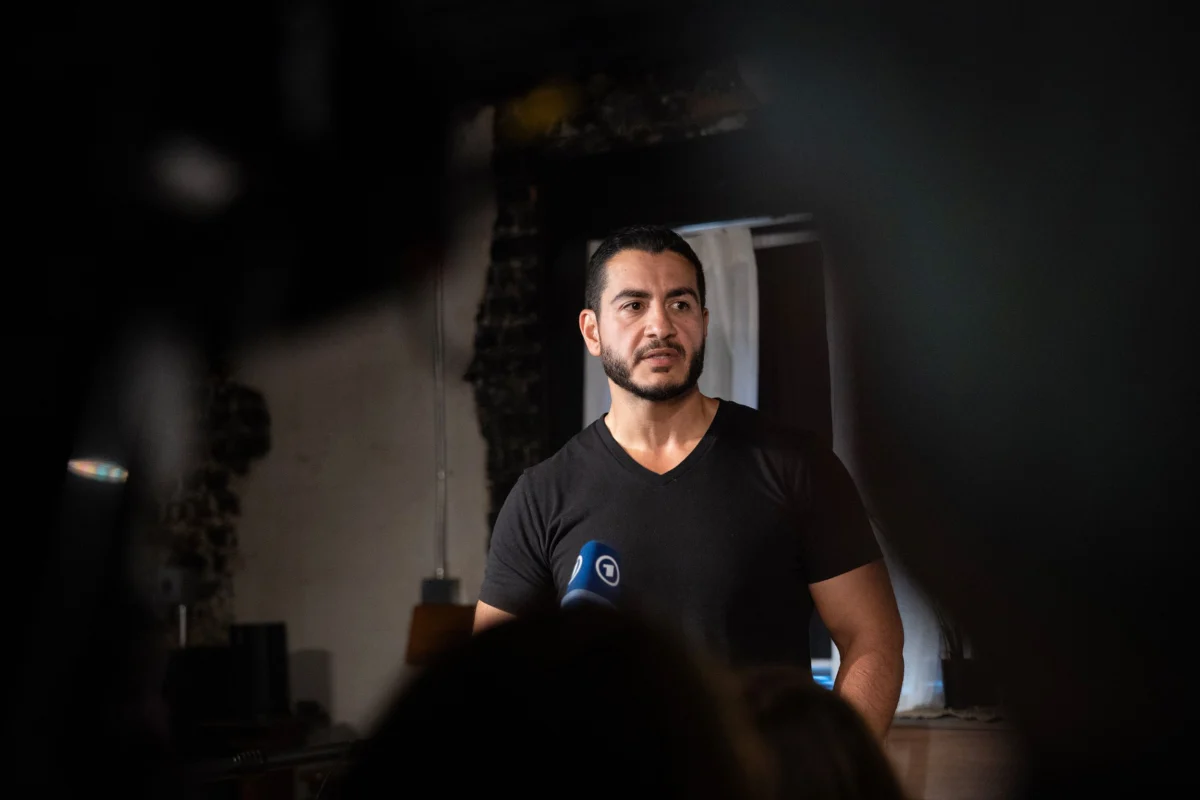
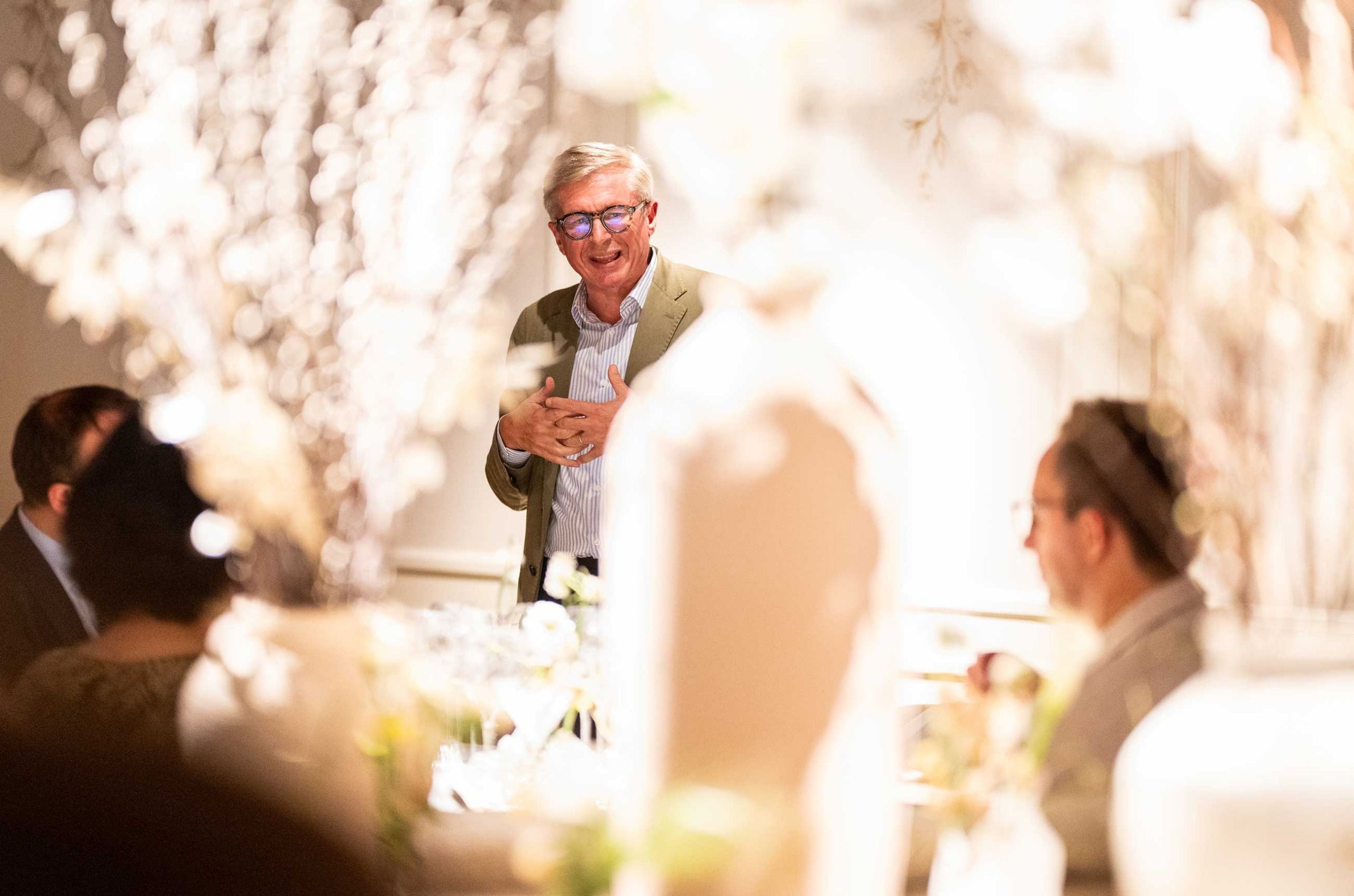
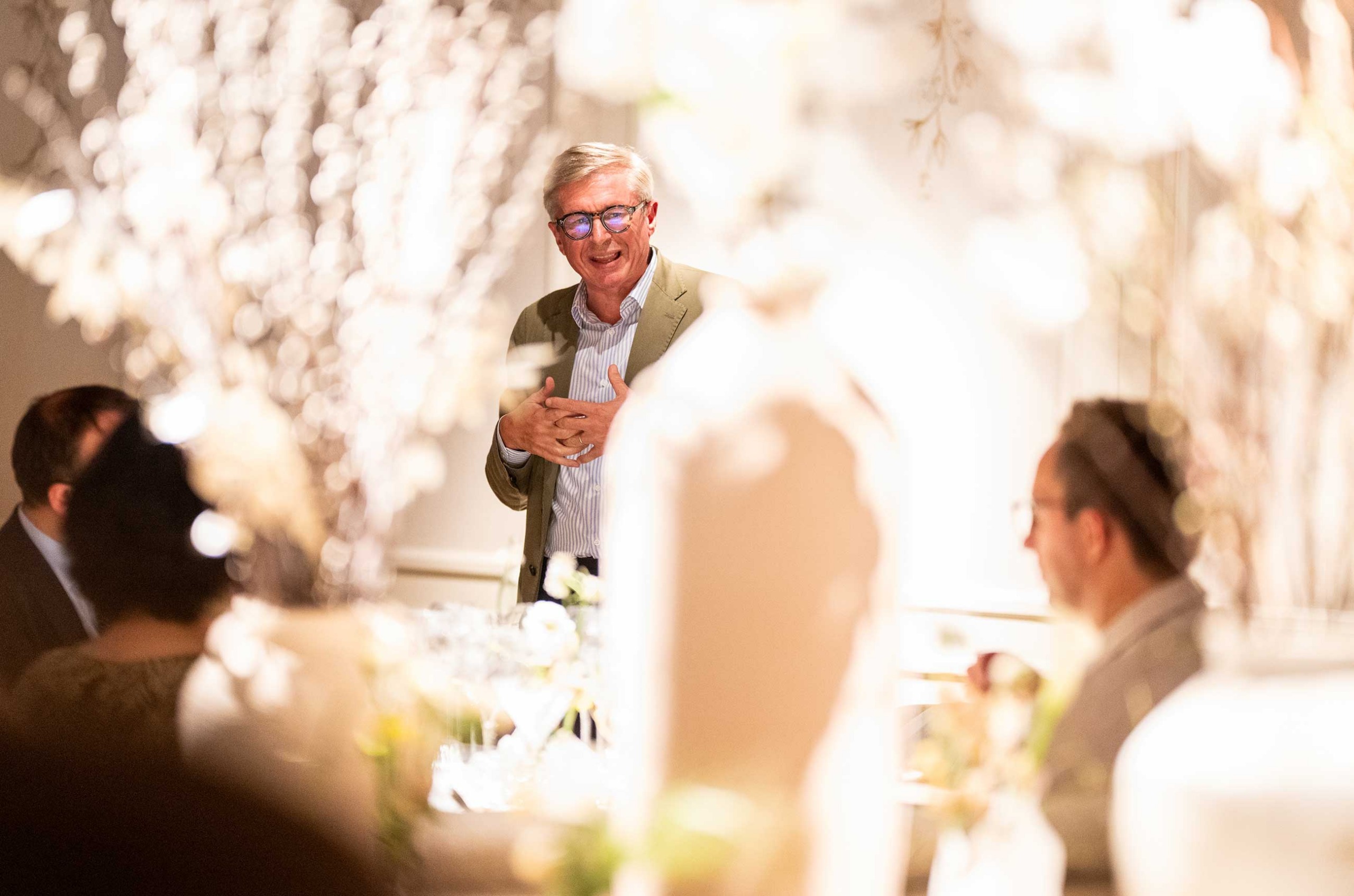
The image of Cellar Master Jean-Baptiste Lécaillon, prominently featured in the article’s accompanying media, underscores his pivotal role in Louis Roederer’s contemporary success and future direction. Lécaillon is widely regarded as one of Champagne’s most influential figures, known for his deep understanding of terroir, his advocacy for biodynamic farming, and his unwavering pursuit of purity and precision in winemaking.
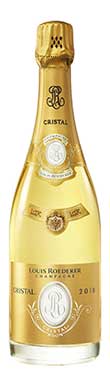
His philosophy centers on allowing the vineyards to express themselves with minimal intervention in the cellar. He meticulously studies each parcel, understanding its unique characteristics and how it contributes to the final blend. For Cristal, his approach involves a relentless search for concentration and purity in the selected plots, particularly evident in vintages like 2018, which was characterized by its generous ripeness. Lécaillon’s influence extends to every aspect of production, from vineyard management and grape selection to fermentation techniques and aging protocols. His commitment to extended lees aging, as seen in the Cristal Late Release and Vinothèque programs, is designed to imbue the wines with additional savory notes, textural depth, and an enhanced capacity for evolution, pushing the boundaries of what Champagne can achieve.
The Significance of Anniversaries and Future Implications
The celebration of 250 years for Louis Roederer and 150 years for Cristal is more than a nostalgic look back; it is a powerful affirmation of enduring relevance and a strategic opportunity to reinforce brand values. These milestones highlight the continuity of a house that has consistently prioritized quality, innovation, and a deep respect for its vineyards.
For the Champagne region, Roederer’s sustained success offers a compelling blueprint. In an era where consumers are increasingly seeking authenticity, provenance, and sustainable practices, Roederer’s long-standing commitment to vineyard ownership, biodynamics, and a long-term vision positions it exceptionally well. The resilience demonstrated by prestige brands like Cristal, even as the broader market faces headwinds, underscores the importance of strong brand equity, uncompromising quality, and a clear differentiation strategy.
The future of Champagne will undoubtedly involve navigating the dual challenges of climate change and evolving market dynamics. Roederer’s proactive embrace of sustainable viticulture and its innovative approaches to winemaking provide a model for how tradition can harmoniously coexist with progress. The house’s commitment to releasing exceptional wines across multiple vintages, including rare late releases and Vinothèque editions, not only celebrates its history but also continuously enriches its legacy, offering consumers unique opportunities to experience the depth and complexity of its craftsmanship.
In conclusion, as Louis Roederer celebrates these monumental anniversaries, it does so not just as a venerable institution but as a dynamic leader within the Champagne industry. Its journey, marked by independence, visionary leadership, and an unwavering dedication to its vineyards and wines, serves as a powerful reminder that true excellence, meticulously cultivated over centuries, possesses an intrinsic resilience capable of weathering any storm the market may bring.