admin
admin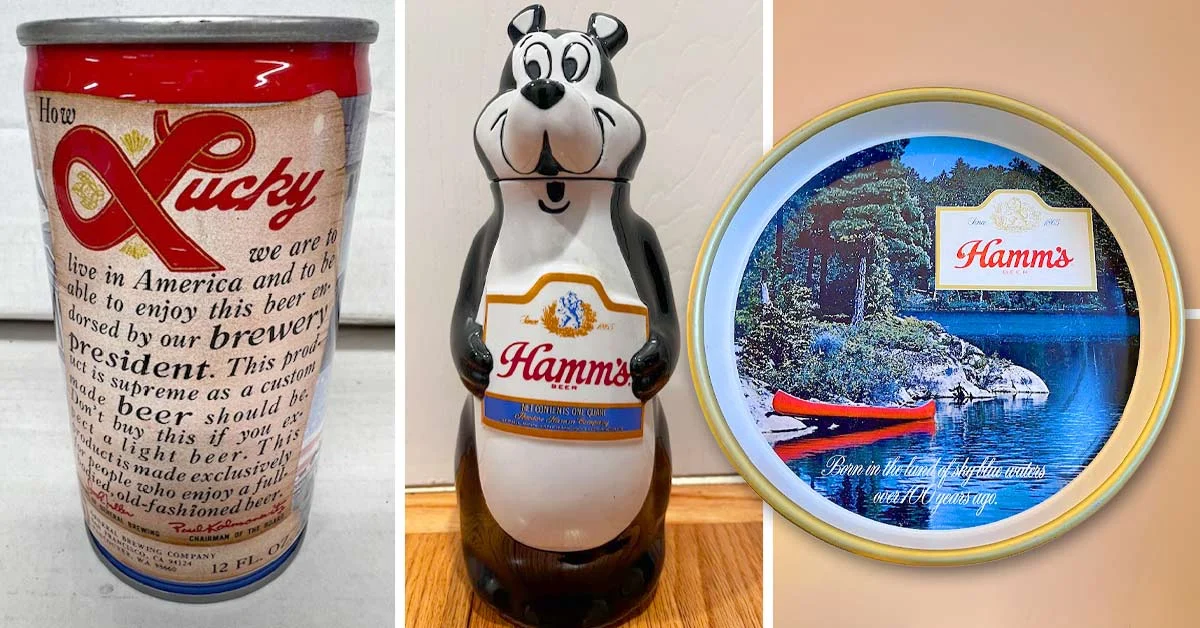
While the history of American immigration is often centered on the Ellis Island experience and the bustling tenements of New York City, the West Coast offered a distinct narrative of industrial growth and cultural integration. For the Slovene-American community in San Francisco, the path to the American Dream was paved not with gold from the Sierra Nevada foothills, but with the steady wages and union protections found on the factory floors of the city’s mid-century brewing empires. This industrial heritage, spanning from the post-Gold Rush era to the rise of modern craft brewing, reflects a broader story of ethnic resilience, labor evolution, and the transformation of the San Francisco landscape.
The Genesis of San Francisco Brewing: From Gold to Grain
The origins of San Francisco’s brewing industry are inextricably linked to the rapid urbanization triggered by the 1848 Gold Rush. As noted by Richard Henry Dana in his 1858 essay "Twenty-Four Years After," the quiet village of Yerba Buena transformed into a bustling metropolis in less than a generation. Dana observed that while few prospectors found literal fortunes in the mines, many redirected their efforts toward commerce and manufacturing.
Beer became a staple of this new economy. Historical records indicate that the first significant shipment of bottled beer arrived in San Francisco in 1843 via the firm of Benjamin T. Reed. However, the lack of consistent refrigeration and the high cost of importing ice led to the development of a unique local style: "steam beer." This process involved cooling the wort in large, shallow pans on rooftops, utilizing the city’s natural fog and cool breezes to facilitate fermentation with lager yeast at higher temperatures. This technique gave birth to the Anchor Brewing Company, which would eventually become a cornerstone of American brewing history.
By the early 20th century, the city’s beer culture was thriving, as documented in Frank Norris’s 1899 novel McTeague. However, the industry faced a series of existential threats: the 1906 Great Earthquake, the enactment of Prohibition in 1920, and the anti-German sentiment that followed World War I. Despite these challenges, several "pioneer" breweries survived or emerged in the post-Prohibition era, including Lucky Lager, Acme Brewing, and Milwaukee Brewing—the latter of which would eventually become the San Francisco Brewing Corp. and, later, the iconic Burgermeister.
The Slovene-American Migration and Post-War Opportunity
The Slovenian presence in San Francisco grew significantly following World War II, though the community’s roots in the United States stretched back decades. According to 1920 census estimates, there were approximately 228,000 Slovene-Americans and their children residing in the country, primarily clustered in the industrial hubs of the Midwest and the mining towns of the West, such as those in Idaho, Montana, and Colorado.
For many Slovene families, the journey to San Francisco was a secondary migration. Veterans returning from the European theater, including those who served in General Patton’s Third Army, found the Bay Area to be a land of renewed promise. The post-war industrial boom initially saw these men working in heavy manufacturing, such as Soule Steel, which produced landing craft and barges for the war effort. However, as defense contracts waned in the late 1940s, the brewing industry emerged as a stable alternative for manual laborers.
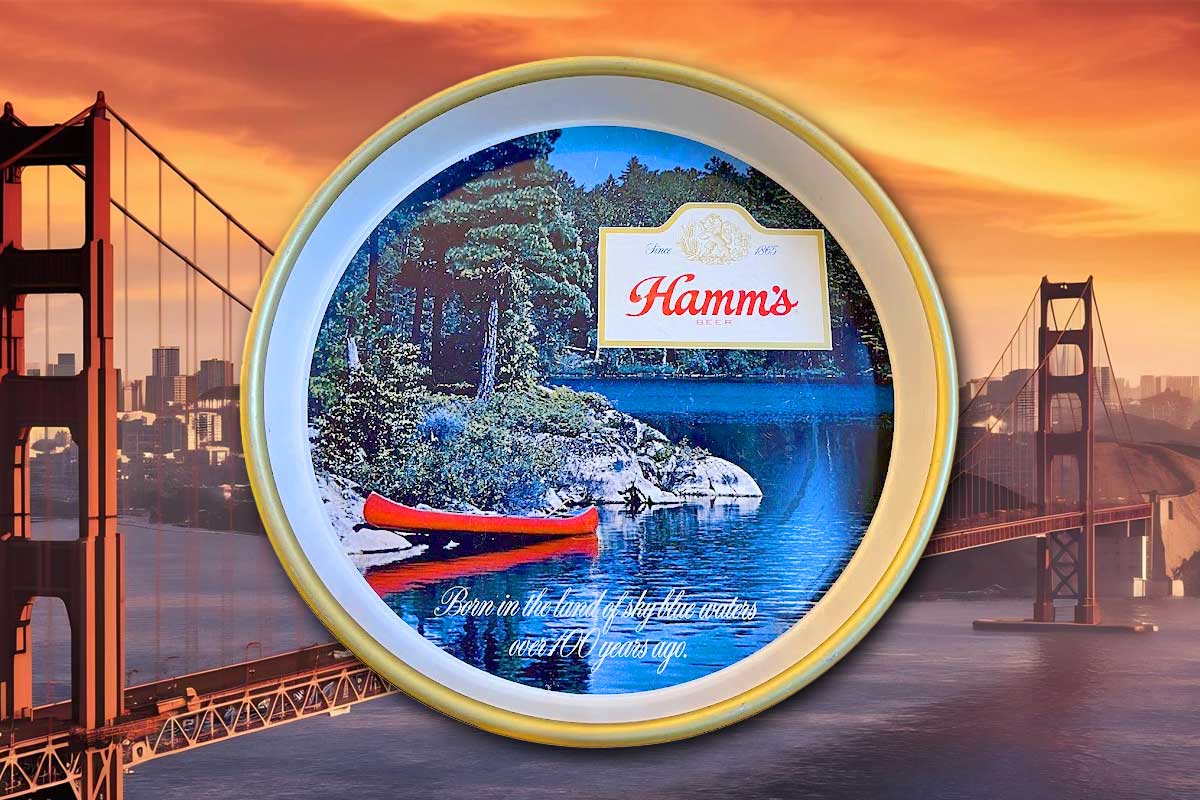
The transition was often facilitated by family networks. Joseph Klemens, an early employee of Burgermeister, helped pave the way for other Slovene immigrants. By the 1950s, more than a dozen Slovene-American men were employed at the Burgermeister plant alone. This trend was mirrored across other major facilities in the city, including Hamms, Schlitz, and Regal Pale.
The Factory Floor: A Melting Pot of Labor and Resilience
The 1950s and 1960s represented the "Golden Age" of industrial brewing in San Francisco. The factory floors were characterized by a rigorous work environment that served as a socio-economic equalizer. Despite prevalent local discrimination—evidenced by signs in business windows stating "No Bohunks Need Apply" (a derogatory term for Czechs, Slovenes, and Slovaks)—the breweries were relatively progressive in their hiring practices.
Management at these facilities often consisted of immigrants themselves, who recognized the work ethic of the Slovene community. On the brew floors, Slovenes worked alongside Irish, French, Italian, and Scottish immigrants. By the 1970s, the workforce began to diversify further with the inclusion of African American workers.
The labor was physically demanding and divided into specialized roles:
- Warehouse Operations: Moving heavy kegs with forklifts and packing glass bottles into crates.
- Production Lines: Operating fillers, labeling machines, and sealing caps on high-speed conveyors.
- Quality Control: Monitoring pH levels and testing product consistency to ensure large-scale uniformity.
- Seasonal Overtime: During the summer months, production surged to meet national demand, leading to double shifts and "graveyard" schedules that provided significant financial windfalls for immigrant families.
Unionization and the Path to Upward Mobility
One of the most critical factors in the success of Slovene-American brewery workers was the strength of the labor unions, particularly the Teamsters. Unlike the precarious nature of mining or agricultural work, brewery jobs offered a path to the middle class through competitive wages and, most importantly, guaranteed pensions.
The solidarity of these workers was demonstrated during the 1973 nationwide boycott of the Coors plant. San Francisco’s brewery workers supported the boycott in protest of union-busting tactics and discriminatory employment practices. For the Slovene community, the union was not merely a bargaining unit but a protector of the "American Dream" they had worked decades to achieve.
The economic stability provided by these roles allowed the next generation—the children of the original immigrants—to pursue higher education. It was common for the sons of brewery workers to join the union during summer breaks to fund their college tuition, a cycle of upward mobility that gradually shifted the community from blue-collar labor to professional careers.
The Vietnam War: A Connection to Home
The cultural impact of the breweries extended beyond the city limits, reaching as far as the battlefields of Southeast Asia. During the Vietnam War, many brewery workers had sons serving overseas. In a gesture of community support, workers would often line pallets of beer destined for military shipments with local newspapers, magazines, and letters.
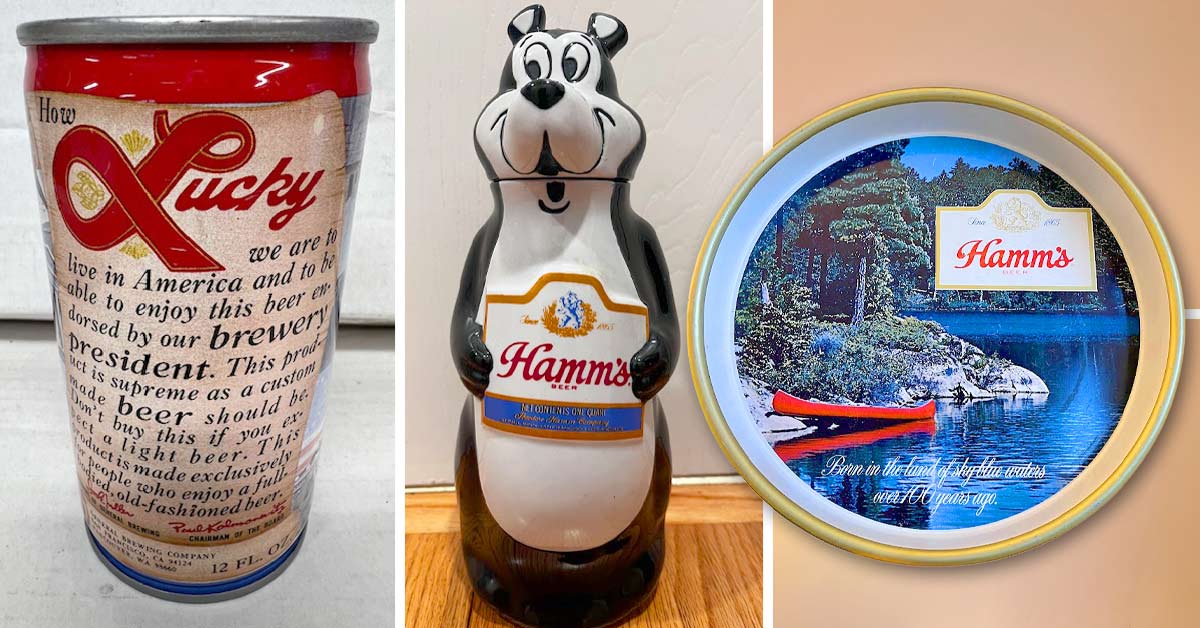
For servicemen stationed in Vietnam, receiving a shipment of "Burgie" or Lucky Lager was more than just a luxury; it was a tangible connection to their neighborhoods and families. This practice underscored the deep-seated patriotism and communal ties that defined the San Francisco Slovene experience during a period of national upheaval.
Technological Transformation and the Rise of Craft Beer
The decline of the large-scale industrial brewery in San Francisco was precipitated by two primary factors: automation and a shift in consumer preference. By the late 1970s, many of the tasks performed by the original Slovene workforce were being replaced by high-speed machinery and streamlined computer systems. As the older generation reached retirement, many of the city’s massive plants began to shutter or relocate to areas with lower operating costs, such as the Busch plant in Fairfield.
Simultaneously, a revolution was brewing in the shadows of the industrial giants. In 1965, Fritz Maytag acquired a struggling Anchor Brewing Company. By focusing on traditional methods and higher-quality ingredients, Maytag sparked what would become the craft beer movement. This shift prioritized flavor and local identity over the mass-production model that had sustained the mid-century workforce.
Today, the physical remnants of the industrial era have largely vanished. The former Burgermeister factory, once a hub of Slovene labor, now serves as a Costco. However, the legacy persists through events like SF Beer Week, which celebrates the region’s status as a global brewing capital.
Conclusion: The Lasting Impact of the Slovene Legacy
The story of the Slovene-American brewery workers is a vital chapter in the history of San Francisco. It illustrates how a specific immigrant group utilized the city’s industrial infrastructure to build a foundation for future generations. While the massive bottling lines have gone silent, the upward mobility and community stability they provided left an indelible mark on the city’s social fabric.
The "Golden Door" mentioned in Emma Lazarus’s poem was, for these immigrants, the entrance to a brewery floor. Through manual labor, union solidarity, and a commitment to family, the Slovene community transformed "worlds not realized" into a tangible reality. As the modern craft beer industry continues to thrive in Northern California, it does so on the shoulders of the immigrant workers who first made San Francisco a city of beer.