admin
admin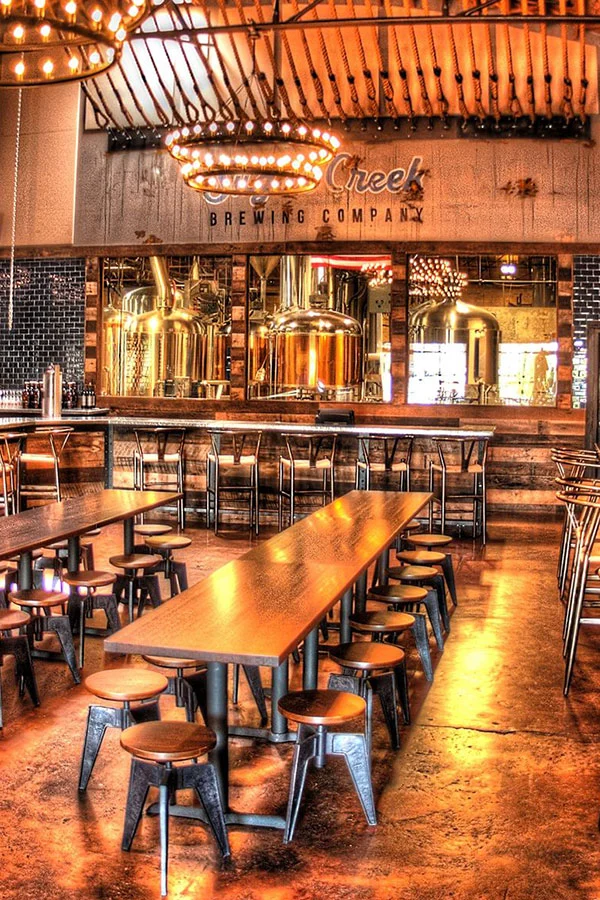
Artificial intelligence has rapidly transitioned from a niche technological curiosity to a cornerstone of modern industrial strategy, influencing sectors as diverse as autonomous transportation, defense logistics, and academic research. Within the food and beverage sector, the craft beer industry—long celebrated for its emphasis on human intuition, manual labor, and traditional methods—is now becoming an unexpected laboratory for high-level machine learning applications. From the precision-driven monitoring of packaging lines to the radical disruption of recipe formulation, brewers are increasingly turning to generative models and predictive analytics to solve age-old problems of consistency and creativity. This integration represents a broader trend of "Industry 4.0" technologies penetrating small-scale manufacturing, offering independent breweries the tools to compete with global conglomerates through enhanced efficiency and data-driven innovation.
The Evolution of Quality Assurance through Machine Learning
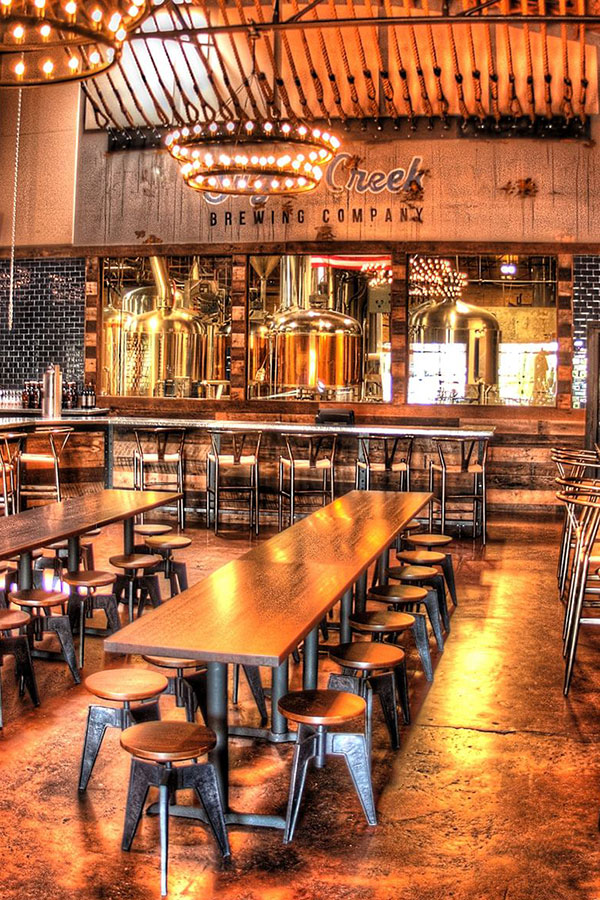
One of the most immediate and impactful applications of artificial intelligence in brewing is found in quality control and operational efficiency. While the romanticized image of craft brewing often involves a head brewer tasting from a fermentation tank, the reality of modern commercial success depends on rigorous consistency and the elimination of waste. Sugar Creek Brewing Company, located in Charlotte, North Carolina, has emerged as a pioneer in this space by integrating an AI-driven network of sensors to monitor the final stages of the production cycle.
In partnership with technology providers, Sugar Creek utilizes a sophisticated system of Internet of Things (IoT) devices that track variables such as temperature, fill levels, and foam stability during the bottling and canning process. Traditionally, excessive foaming during packaging—a phenomenon known as "fobbing"—resulted in significant product loss and shortened shelf life due to oxygen ingress. By applying machine learning algorithms to real-time data streams, the brewery can identify the precise conditions that lead to waste. This predictive capability allows for immediate mechanical adjustments, saving the company thousands of dollars in lost revenue and ensuring that every unit meets the same high-quality standard. This shift from reactive troubleshooting to proactive, AI-informed management marks a significant milestone in the professionalization of the craft sector.
A Chronology of Generative Brewing: From ChatGPT to the Taproom
The timeline of AI integration in craft beer accelerated significantly following the public release of large language models (LLMs) like OpenAI’s ChatGPT in late 2022. While initial experiments were often viewed as marketing gimmicks, the results quickly demonstrated the functional utility of generative tech.
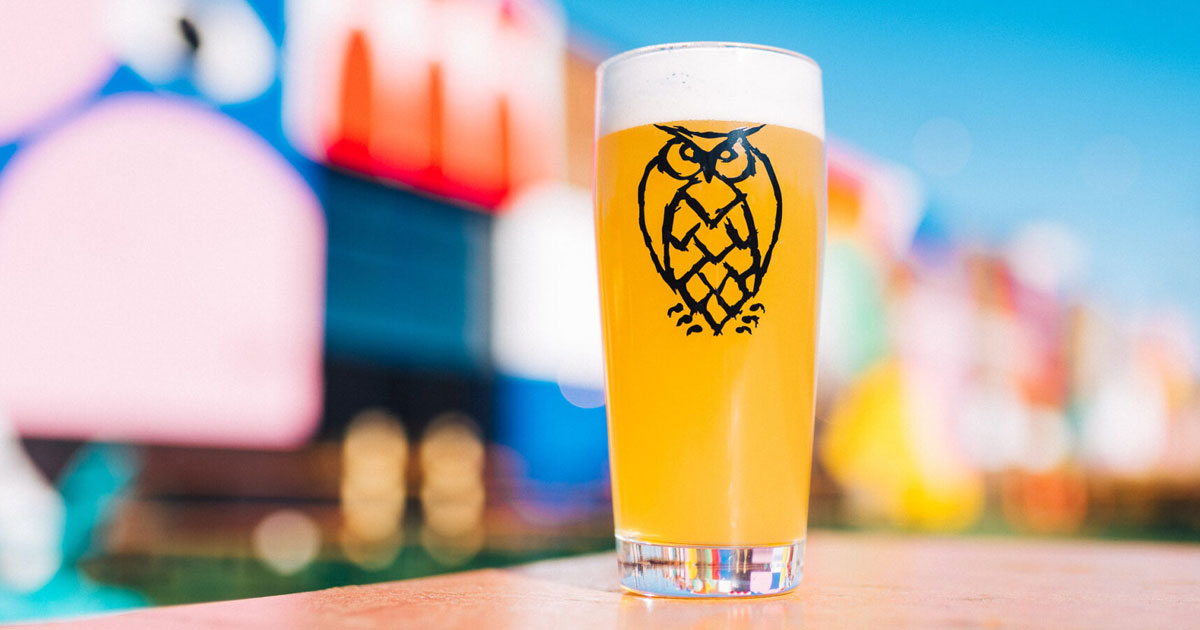
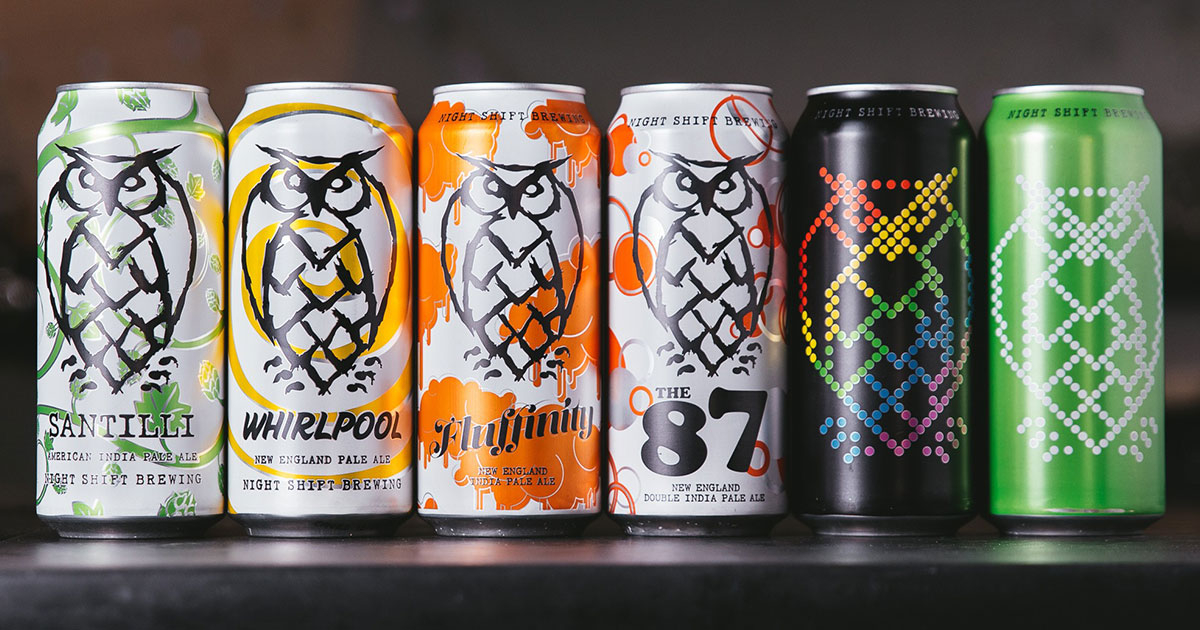
In early 2023, Night Shift Brewing in Boston, Massachusetts, began experimenting with ChatGPT to develop a new hazy IPA. Co-founder Michael Oxton noted that the model was not only capable of suggesting a grain bill and hop schedule but could also calculate a complex water profile—a task that typically requires hours of manual research and chemical balancing. The resulting "AI-PA" featured a profile of mango, watermelon, and citrus, proving that the model could synthesize decades of brewing data into a commercially viable product.
Simultaneously, other regional breweries launched similar initiatives. Asbury Park Brewery in New Jersey and Atwater Brewing in Detroit both released AI-generated IPAs, while Urban Forest Craft Brewing in Rockford, Illinois, introduced "Put the AI in sAIson," a play on the traditional Belgian farmhouse style. These releases served as a collective proof-of-concept, suggesting that AI could act as a "creative co-pilot" for brewers looking to break away from their own established habits.
Technical Synthesis: Species X and the Custom Model Approach
While many breweries have utilized general-purpose LLMs, the Species X Beer Project represented a more specialized, technical approach to AI brewing. Founded by Beau Warren, an industry professional with a background in both beer microbiology and data analytics, Species X operated on a dual-track philosophy: the "Carbon Species" (human-designed recipes) and the "Silicon Species" (AI-designed recipes).
Warren’s methodology went beyond simple text prompts. He developed seven distinct AI models using a combination of regression analysis and neural networks. These models were trained on proprietary data sets, including water chemistry reports, yeast performance metrics, and historical flavor profiles. Crucially, Warren integrated customer feedback and internal review data into the training loop, essentially teaching the AI to recognize the parameters of a "highly rated" beer.
The results often defied traditional brewing logic. One notable creation was an amber lager brewed with 100% Maris Otter malt—a choice that most human brewers would avoid for the style due to the malt’s intense bready and toasted characteristics. However, the AI’s calculation of enzyme activity and mash temperature resulted in a balanced, popular lager. In another instance, the "Beh3moth" model—designed with fewer "guardrails"—produced an imperial pastry Baltic porter featuring 12 different malts, coffee, vanilla, marshmallows, and a dry-hopping schedule usually reserved for New England IPAs. Despite the chaotic ingredient list, the resulting beer was praised for its balance and novelty.
Microbiological Optimization: The Role of Propagate Lab
The influence of AI extends into the microscopic foundations of beer: yeast management. Propagate Lab, a yeast propagation facility based in Colorado, introduced "Yeast Buddy," an AI-driven chatbot designed to help brewers navigate the complexities of fermentation. With over 120 yeast strains in their database, selecting the optimal organism for a specific flavor profile can be a daunting task for even experienced brewers.
Yeast Buddy functions as a sophisticated filter, allowing brewers to input desired esters, phenols, and attenuation rates. The AI then suggests strains that may have been overlooked, encouraging brewers to move beyond industry-standard yeasts like "Chico" or London Ale III. Matthew Peetz, founder of Propagate Lab, emphasizes that this tool prevents brewers from being "pigeonholed" by their past successes, fostering a more adventurous approach to recipe design by lowering the research barrier to entry.
Market Analysis and Economic Realities
The adoption of AI comes at a critical time for the craft beer industry. According to data from the Brewers Association, the craft segment has faced slowing growth rates and increased competition from spirits and non-alcoholic alternatives. In this climate, the efficiency gains provided by AI are not just a luxury but a survival mechanism. Reducing "shrink" (product loss) by 1-2% through better monitoring or shortening the R&D cycle for new releases can have a substantial impact on the bottom line of a small business.
However, technology is not a panacea for broader economic headwinds. In a poignant example of the industry’s volatility, the Species X Beer Project announced its permanent closure in late 2024, despite its technological prowess. The closure underscores the fact that even the most advanced AI-generated product requires a stable economic environment, effective distribution, and sustained consumer foot traffic to survive. The failure of a tech-forward brewery like Species X suggests that while AI can optimize the product, it cannot yet solve the complex macroeconomic challenges facing the hospitality sector.
The Human-in-the-Loop Philosophy
A consistent theme among all brewers using AI is the necessity of human oversight. The consensus is that AI serves as an "assistant" or a "calculator" rather than a replacement for the brewer. At Night Shift Brewing, the original AI-generated recipe required manual adjustments to account for the specific inventory of hops on hand and the mechanical limitations of their brewhouse. Similarly, labels for these beers often require human designers to correct the "hallucinations" or errors common in AI-generated art.
Beau Warren noted that humans are required to set "guardrails" to ensure the AI does not suggest recipes that are physically impossible to brew or that would damage equipment. Furthermore, the "training data" for these models must be constantly refreshed by human experience. Without the introduction of new, human-led experiments, AI models risk becoming stagnant, endlessly recycling the same patterns of the past.
Future Implications and Industry Outlook
The future of AI in brewing likely lies in its democratization. As custom models become more affordable and LLMs more specialized, the gap between "high-tech" breweries and traditional taprooms will narrow. We can expect to see AI integrated into:
- Predictive Maintenance: Using vibration and heat sensors on brewing equipment to predict failures before they occur.
- Hyper-Localized Marketing: Using AI to analyze local consumer trends and suggest specific styles that are likely to perform well in a particular neighborhood.
- Sustainable Brewing: Optimizing energy and water usage through real-time AI adjustments to heating and cooling systems.
While the "taproom takeover" by robots remains a distant and unlikely prospect, the "augmented brewer" is already a reality. By removing the tedious aspects of data analysis and providing a springboard for creative experimentation, AI is allowing brewers to focus on the sensory and social aspects of their craft. As the industry continues to evolve, the most successful breweries will likely be those that find the perfect balance between the precision of the "Silicon Species" and the soul of the "Carbon Species." The integration of artificial intelligence does not signal the end of the craft beer tradition; rather, it marks the beginning of its most technologically sophisticated chapter.