admin
admin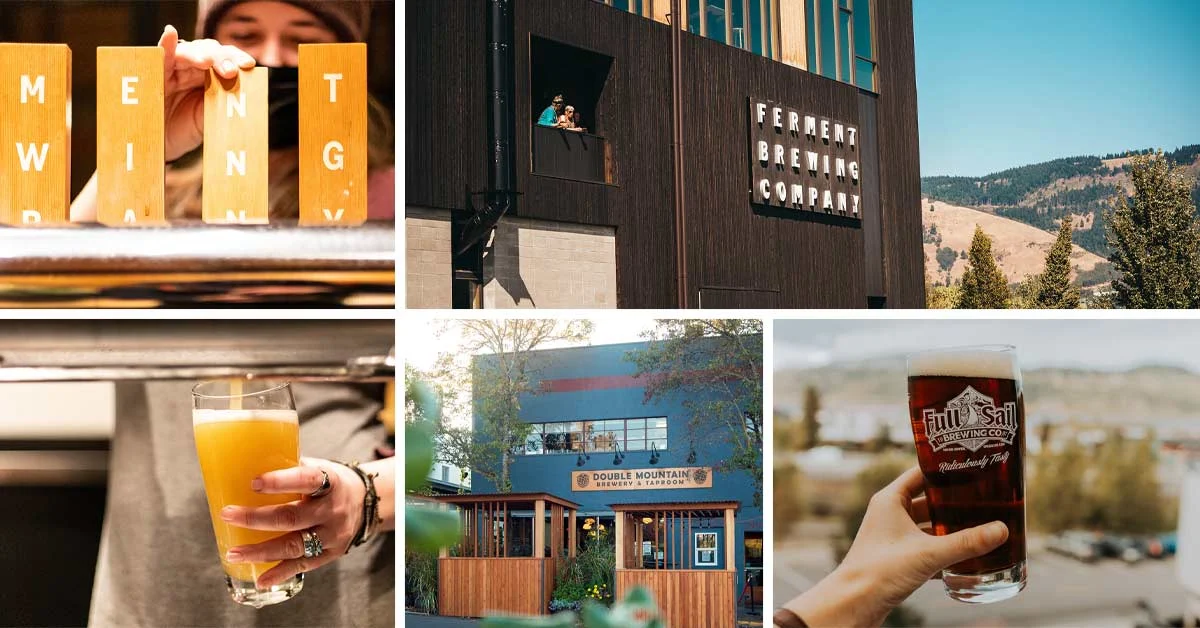
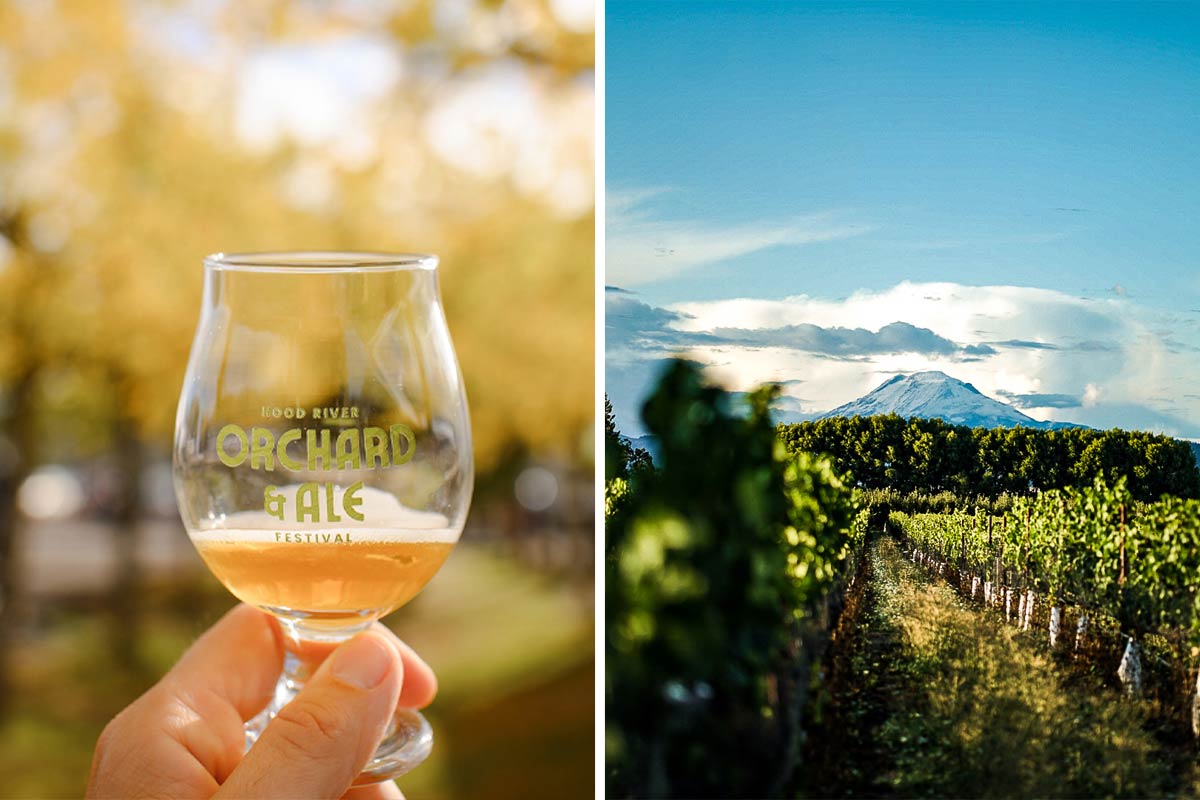
The inaugural Hood River Orchard and Ale Festival recently concluded on the banks of the Columbia River, marking a significant milestone for the region’s burgeoning craft beverage industry and solidifying the city’s reputation as a global leader in beer production per capita. Set against the dramatic backdrop of the Columbia River Gorge, the event showcased the unique intersection of Oregon’s agricultural heritage and its modern brewing prowess. Despite the characteristic high-velocity winds that define the Gorge—gusts that frequently drew kiteboarders and windsurfers to the water during the festivities—the event drew significant crowds to the waterfront to sample the diverse output of one of the most concentrated brewing communities in North America.
The Geographical Foundations of Hood River Brewing
The success of the Hood River brewing scene is fundamentally tied to the unique geology and hydrology of the Columbia River Gorge. While the festival took place adjacent to the Columbia River, the breweries of Hood River do not utilize the river’s water for production. Instead, the local industry relies on the Hood River watershed, which is fed by snowmelt from the 14,000-foot peaks of the Cascade Mountains, most notably Mount Hood. This water undergoes a natural filtration process through layers of volcanic basalt rock, resulting in a water profile that is remarkably soft and clean.
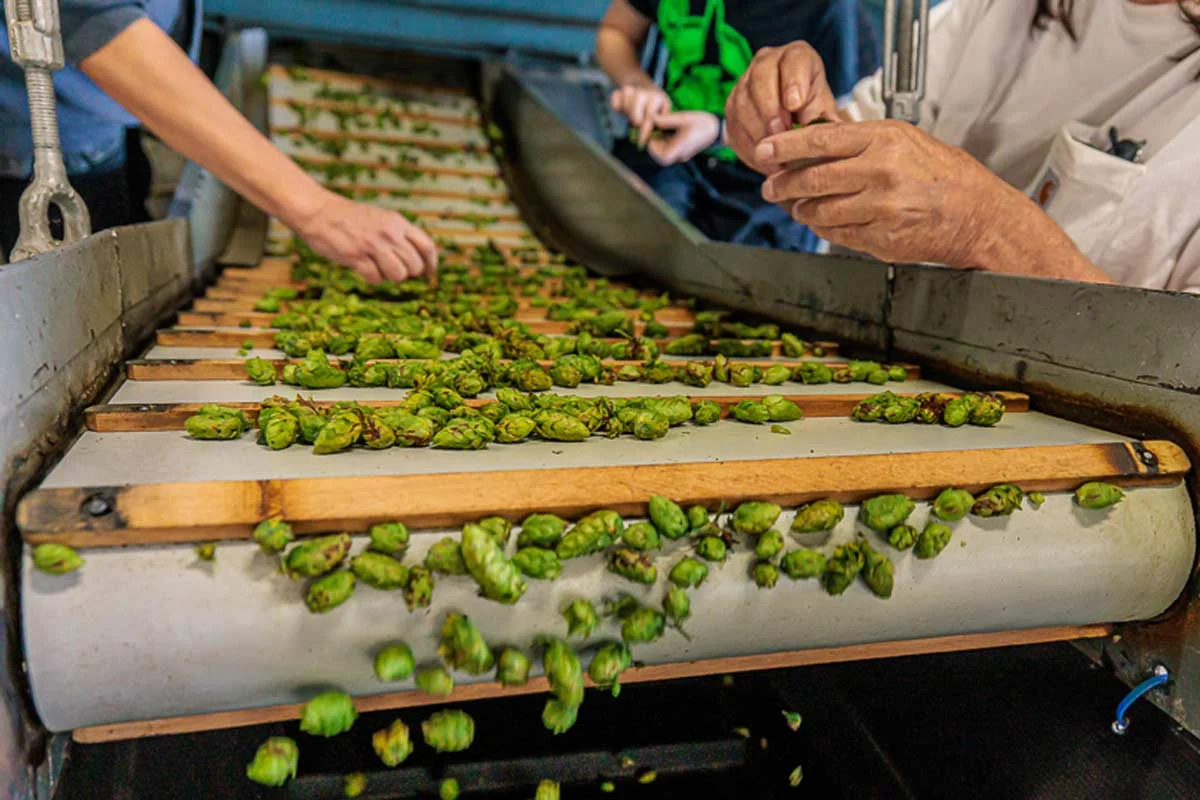
From a technical brewing perspective, this mineral-rich, soft water provides an ideal canvas for a variety of styles, particularly delicate lagers and pilsners that require a neutral base to highlight hop and malt profiles. This natural resource is complemented by the region’s proximity to the Willamette Valley, which serves as one of the world’s most productive hop-growing regions. The ability of Hood River brewers to source fresh hops within hours of harvest allows for the production of "fresh-hop" beers, a seasonal specialty that has become a cornerstone of the Oregon craft beer identity.
A Chronology of Industry Evolution
The development of Hood River’s beer culture has occurred in distinct waves, beginning in the late 1980s and continuing through the mid-2020s. Understanding this timeline provides context for the diverse range of offerings available at the recent festival.
The Pioneer Era: Full Sail Brewing Co.
The foundation of the local industry was laid in 1987 with the establishment of Full Sail Brewing Co. As one of the "original" craft breweries in the United States, Full Sail was instrumental in transitioning the regional economy from a reliance on timber and fruit packing toward a tourism and craft-based model. Their flagship Amber Ale, characterized by a balanced malt-and-spice profile, remains a staple of the region. Over the decades, Full Sail has adapted to market shifts, expanding its portfolio to include modern West Coast and hazy IPAs, maintaining its position as an anchor institution in the downtown bluff area.
The Institutional Expansion: Double Mountain Brewery
In 2007, the opening of Double Mountain Brewery marked a new era of growth. Founded by industry veterans, Double Mountain focused on unfiltered, long-aged beers and popularized the use of heavy, reusable glass bottles. Their presence in the downtown core helped establish Hood River as a "walkable" beer destination, encouraging a cluster of hospitality businesses to form around the brewery’s location.
The Waterfront Renaissance: pFriem and Ferment
A major shift occurred in 2012 with the emergence of pFriem Family Brewers. Located on the developed waterfront, pFriem introduced a European-influenced philosophy, focusing on Belgian-style ales and meticulous German-style lagers. Their success spurred further development along the river, leading to the 2018 opening of Ferment Brewing Company. Ferment brought a modern, scientific approach to the scene, utilizing farmhouse techniques and local flora to capture the "terroir" of the Gorge. Their use of local ingredients, such as Oregon strawberries in their "Lost in Fragaria" sour ale, exemplifies the integration of local agriculture into the fermentation process.
Current Market Dynamics and Recent Additions
The Hood River brewing industry has shown remarkable resilience and growth even in the post-2020 economic landscape. The population of Hood River remains just over 8,000 residents, yet the city supports a density of high-quality breweries that rivals major metropolitan areas. This is sustained by a robust tourism economy, with the Gorge attracting millions of visitors annually for outdoor recreation.
In 2023, the scene expanded with the opening of Hood River Brewing Company, which has focused on an eclectic range of styles, including Mexican-style lagers that cater to a broad demographic of locals and tourists. Following this, in early 2025, Kings & Daughters Brewery launched its public house, The Walled Garden. This addition highlights a trend toward "elegant" taproom experiences, focusing on refined hazy IPAs and light lagers in a sophisticated setting.
Further up the hill, Working Hands Fermentation has carved out a niche by specializing in bottom-fermented beers. Their focus on styles like the Schwarzbier—a dark, light-bodied lager with subtle smoke notes—reflects a broader industry shift toward "brewer’s beers," which emphasize technical precision and drinkability over high alcohol content or extreme bitterness.
Economic and Agricultural Implications
The Hood River Orchard and Ale Festival serves as more than a social gathering; it is a critical marketing vehicle for the region’s dual economic drivers: agriculture and fermentation. The "Orchard" component of the festival’s name acknowledges the vital role of the Hood River Valley’s fruit growers. The valley is one of the world’s leading producers of winter pears and also maintains extensive apple and cherry orchards.
The synergy between these sectors is evident in the increasing number of collaboration brews and the use of local fruit in sour ales and ciders. This circular economy ensures that a significant portion of the revenue generated by the craft beer tourism sector remains within the local community, supporting both the farmers and the brewers.
Data Points: The Hood River Brewing Economy
- Brewery Density: Approximately one brewery for every 1,000 residents.
- Water Source: 100% sourced from the Hood River watershed (Mount Hood snowmelt).
- Agricultural Proximity: Located within 100 miles of the Willamette Valley, responsible for approximately 15-20% of global hop production.
- Tourism Impact: The Columbia River Gorge National Scenic Area sees an estimated 2 million to 5 million visitors per year, with craft beer being a primary secondary draw for outdoor enthusiasts.
Industry Reactions and Future Outlook
Industry analysts suggest that the success of the inaugural Orchard and Ale Festival indicates a maturing market that is moving toward specialized, event-driven tourism. By creating a dedicated festival, Hood River is positioning itself to compete with other major beer hubs like Asheville, North Carolina, or Bend, Oregon.
Local stakeholders have noted that the "wind tunnel" effect of the Gorge, while a challenge for event logistics, is also part of the brand’s authenticity. The environmental conditions that make the area a world-class destination for wind sports are the same conditions that create the unique climate for the nearby orchards and the pristine water for the breweries.
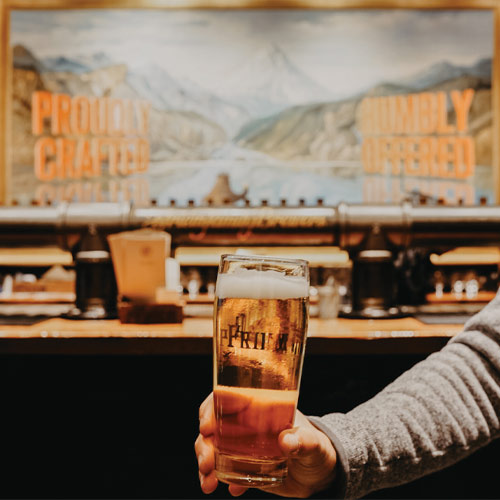
Observers of the festival noted that the preference for glassware over plastic—a detail that emerged due to the high winds—reflects a broader trend in the craft beer community toward sustainability and a "premiumized" tasting experience. As the festival becomes an annual fixture, it is expected to drive further investment in the waterfront infrastructure and encourage more "farm-to-glass" collaborations.
Conclusion
The Hood River Orchard and Ale Festival has successfully highlighted the unique competitive advantages of the Columbia River Gorge’s brewing industry. Through a combination of geological fortune, historical pioneering, and a modern commitment to quality and variety, Hood River has established a model for craft-based economic development. The city’s ability to sustain a high concentration of world-class breweries within a small population base serves as a testament to the power of regional branding and the importance of natural resources in the manufacturing of craft beverages. As the industry moves forward, the integration of local agriculture and the preservation of the watershed will remain the primary factors in maintaining Hood River’s status as a premier global destination for beer enthusiasts.