admin
admin
The intersection of traditional brewing science and modern culinary experimentation has reached a peculiar flashpoint in the American craft beer industry, centered on an ingredient once considered a regulatory outlier: the banana. While the fruit has long been a foundational element of German brewing through yeast-driven esters, a new wave of American brewers is pushing the boundaries of how banana flavor is extracted, processed, and perceived by the consumer. From the frantic "baby food scooping parties" of Ohio to the high-stakes importation of wild Thai bananas for $50 per pound, the fruit has moved from a byproduct of fermentation to a centerpiece of the modern "pastry stout" and "hazy IPA" movements. This shift reflects broader changes in federal alcohol regulations, global agricultural history, and the evolving palate of the American beer drinker.
The 2020 Catalyst and the Evolution of Brewing Techniques
The logistical challenges of brewing with bananas were perhaps best illustrated in February 2020, just before the global pandemic altered the industry landscape. Josh and Heather Lange, founders of Newark, Ohio-based DankHouse Brewing, faced a critical quality control dilemma days before the Juicy Brews IPA Festival in Pittsburgh. Their signature hazy IPA, Banana Peel’d, lacked the aromatic intensity required to compete in a field of high-profile national brands. When traditional aseptic purées could not be sourced in time, and experiments with dried chips and store-bought fruit resulted in unappetizing oxidation, the Langes discovered that the flavor profile of their preferred commercial purée was nearly identical to Gerber banana baby food.
The subsequent "scooping party," which involved clearing out grocery store shelves across central Ohio, highlights the lengths to which small-scale brewers must go to achieve consistency. At the festival, DankHouse found itself pouring alongside industry titans like The Alchemist, creators of the legendary Heady Topper. The juxtaposition—a world-class IPA versus a baby-food-infused experiment—underscored a growing reality: the modern craft beer consumer is increasingly seeking "dynamic" and "experiential" flavors over traditional adherence to the Reinheitsgebot (the German Beer Purity Law).
The Chemistry of Aroma: Isoamyl Acetate and the Gros Michel Legacy
To understand why brewers are so focused on the banana, one must look at the chemistry of the fruit and the history of its cultivation. The primary aromatic compound responsible for banana flavor is isoamyl acetate, a fruity ester produced during the fermentation process. Interestingly, the "banana" flavor familiar to many Americans through candies like Runts or Laffy Taffy often tastes "artificial" because it is based on the Gros Michel banana, a variety that dominated the global market until the mid-20th century.
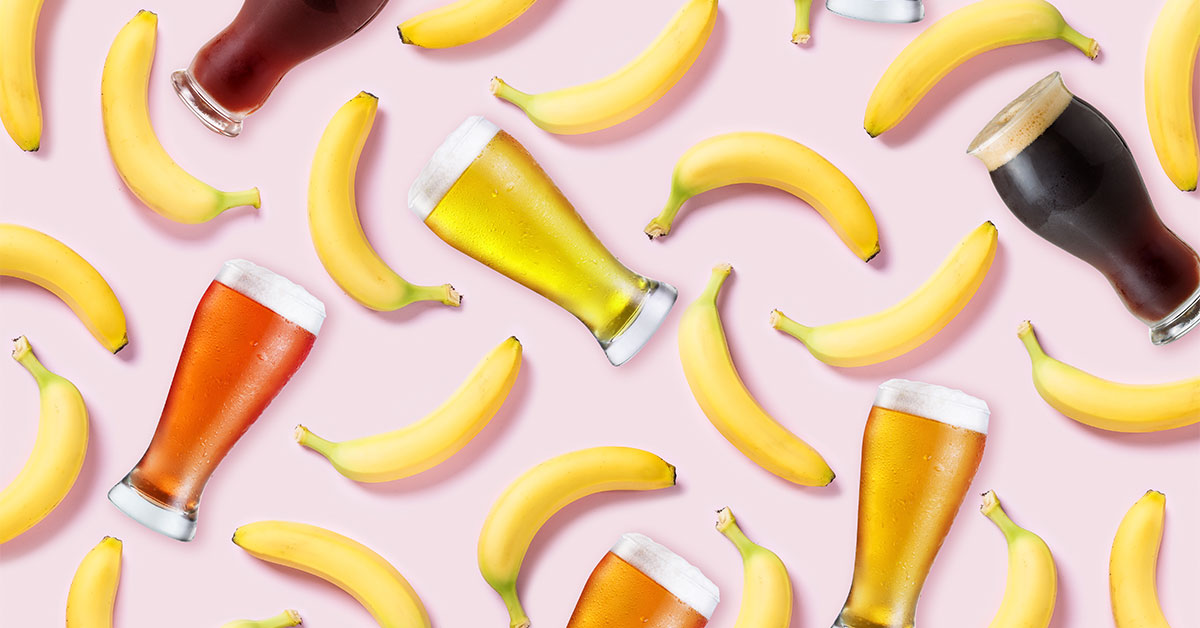
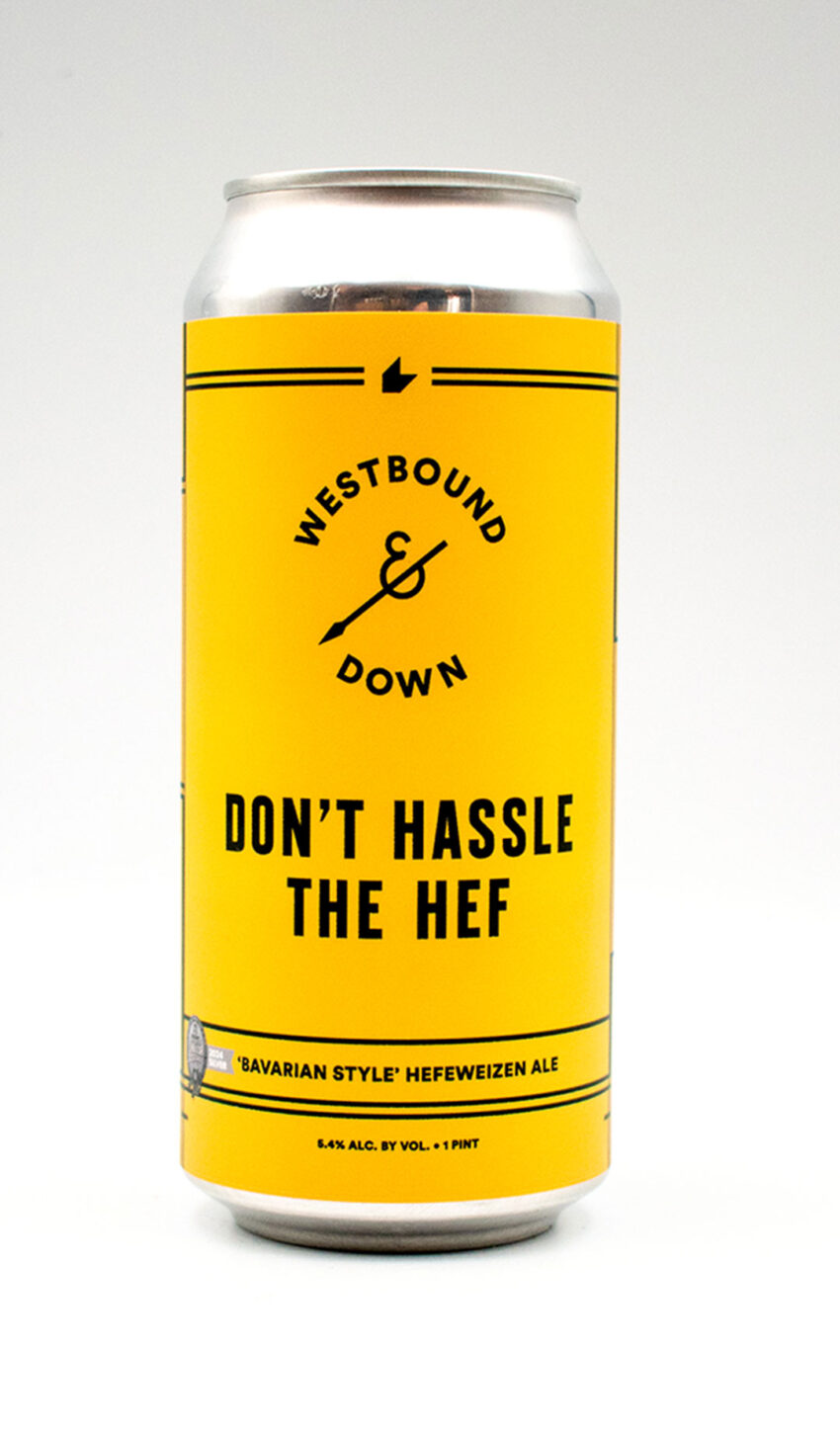
The Gros Michel, known as "Big Mike," contained significantly higher levels of isoamyl acetate than the Cavendish variety found in modern grocery stores. In the 1950s, a fungal outbreak known as Panama disease decimated Gros Michel plantations, leading to the adoption of the Cavendish. Because the Cavendish has a more subtle, less ester-heavy profile, there is a distinct sensory disconnect for consumers. When a brewer like Derek Goodman of Westbound & Down Brewing in Colorado seeks to create a gold-medal-winning hefeweizen, he is essentially trying to replicate the pungent, candy-like aroma of the extinct Gros Michel using yeast stress rather than the fruit itself.
Regulatory Shifts: The TTB and the "Traditional" Ingredient Debate
Until recently, the use of bananas in commercial brewing was hampered by significant federal red tape. The Alcohol and Tobacco Tax and Trade Bureau (TTB) historically maintained a list of "traditional" brewing ingredients—such as malts, hops, and water—that did not require a formula exemption. Because bananas were not on this list, breweries were required to submit lengthy paperwork and wait for federal approval before they could legally sell a banana-infused beer.
This changed in late 2023 when the TTB expanded its list of exempt ingredients, effectively deregulating the use of several fruits, including bananas, in the production of beer. This regulatory pivot has lowered the barrier to entry for small breweries, allowing for more rapid experimentation and seasonal releases. The change acknowledges the reality of the 21st-century craft market, where fruit-forward profiles have become a staple of the industry rather than a niche outlier.
The Rise of the Thai Banana: A High-Stakes Import Market
While some brewers rely on purées or yeast stress, a high-end segment of the industry has turned to the "Grand Cru" of the fruit: the wild Thai banana. Rodrick Markus, CEO of Rare Tea Cellar in Chicago, has become a pivotal figure in this supply chain. Originally imported for culinary use in syrups and spirits, these fructose-rich, dried bananas became a sensation among "pastry stout" brewers around 2019.
The appeal of the wild Thai banana lies in its concentration. Unlike fresh fruit, which contains high water content that can dilute a beer’s body, or purées, which can introduce fermentation flaws and excess sulfur, dried Thai bananas provide a deep, caramelized flavor without altering the beer’s texture. However, this quality comes at a steep price. Matt Tarpey, co-founder of The Veil Brewing in Richmond, Virginia, notes that achieving the desired "crazy banana character" requires upwards of 10 pounds of fruit per barrel.
Economic factors have further complicated this supply chain. With current tariffs on Thai imports reaching 35%, the cost of these bananas has skyrocketed. For a brewery producing a barrel-aged imperial stout like Sky Summoner—which also utilizes expensive ingredients like vanilla beans and toasted coconut—the profit margins are razor-thin. Tarpey describes these projects as a "labor of love," where the goal is brand prestige and artistic expression rather than high-volume profitability.
Technical Challenges: The "Cheetos Dilemma" of Yeast
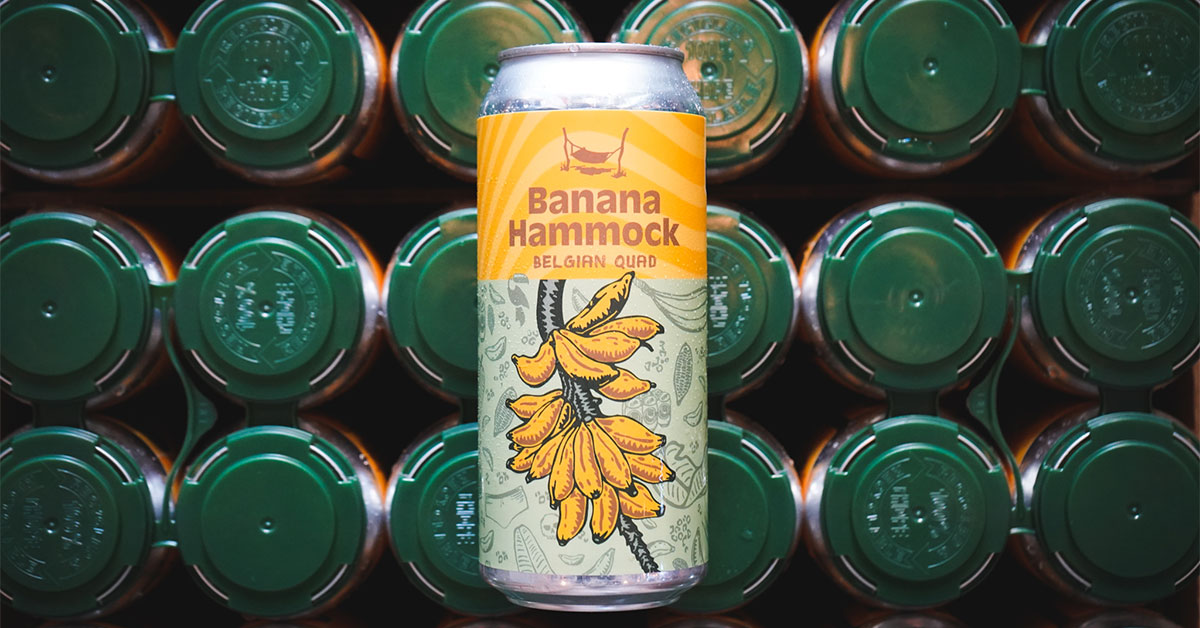
Incorporating high-sugar fruits like bananas into the brewing process presents unique biological challenges. Larry Horwitz, director of brewing operations at Crooked Hammock Brewery, uses a metaphor he calls the "Cheetos dilemma" to explain yeast behavior. When yeast is presented with the simple sugars found in banana purée during primary fermentation, it may become "lazy," opting for the easily digestible fruit sugars over the more complex maltose from the grain.
"Yeast shut down when they get tons of simple sugar," Horwitz explains. To mitigate this, brewers often add banana products post-fermentation. This technique preserves the fruit’s delicate aromatics, which would otherwise be "scrubbed" out by the carbon dioxide produced during active fermentation. At HOMES Brewery in Michigan, president Nick Panchamé utilizes banana purée post-fermentation in both beers and "hard smoothies" to boost residual sweetness and body, though he acknowledges that the resulting thick texture can be divisive among traditionalists.
Market Trends and the Hefeweizen Revival
Data from yeast suppliers suggests that the banana trend is not limited to experimental stouts or fruited sours. Jeff Mello, founder of Bootleg Biology and Spot Yeast in Nashville, reports that hefeweizen yeast has become the second best-selling strain in his catalog, trailing only the ubiquitous hazy IPA yeast. This indicates a resurgence of interest in classic German styles, albeit often filtered through a modern lens that emphasizes the banana-ester profile.
The popularity of events like "Banana Brunch" at Nashville’s Fait La Force Brewing—where hefeweizens are paired with banana-based ice cream—suggests that the consumer "banana moment" is part of a larger trend toward nostalgia-driven flavors. As the craft beer market matures, the ability to successfully bridge the gap between technical brewing excellence and accessible, dessert-like flavors has become a key differentiator for successful brands.
Broader Implications and Industry Outlook
The "banana-fication" of craft beer serves as a case study for the industry’s current trajectory. It demonstrates a move away from the "bitterness wars" of the early 2000s toward a more complex, culinary-focused approach to recipe development. The willingness of brewers to navigate 35% tariffs, "scooping parties," and complex yeast biology suggests that the demand for bold, fruit-forward profiles remains a dominant force in the market.
Furthermore, the TTB’s recent deregulation of fruit-based formulas suggests that the federal government is finally catching up to the innovation of the private sector. As more breweries incorporate bananas into their year-round lineups, the industry will likely see further refinements in processing technology, perhaps leading to more cost-effective ways to capture the elusive "Gros Michel" aroma without the "Grand Cru" price tag.
For now, the banana remains one of the most versatile and challenging tools in a brewer’s arsenal. Whether it is used to add body to a smoothie sour, provide an aromatic top-note to a traditional German wheat beer, or add layers of complexity to a 15% ABV imperial stout, the fruit has firmly established its place in the American pint glass. As Larry Horwitz of Crooked Hammock aptly puts it, despite the availability of high-tech purées and expensive imports, there is still a primal satisfaction in the craft: "It just feels right to peel a banana and throw it in there."