admin
admin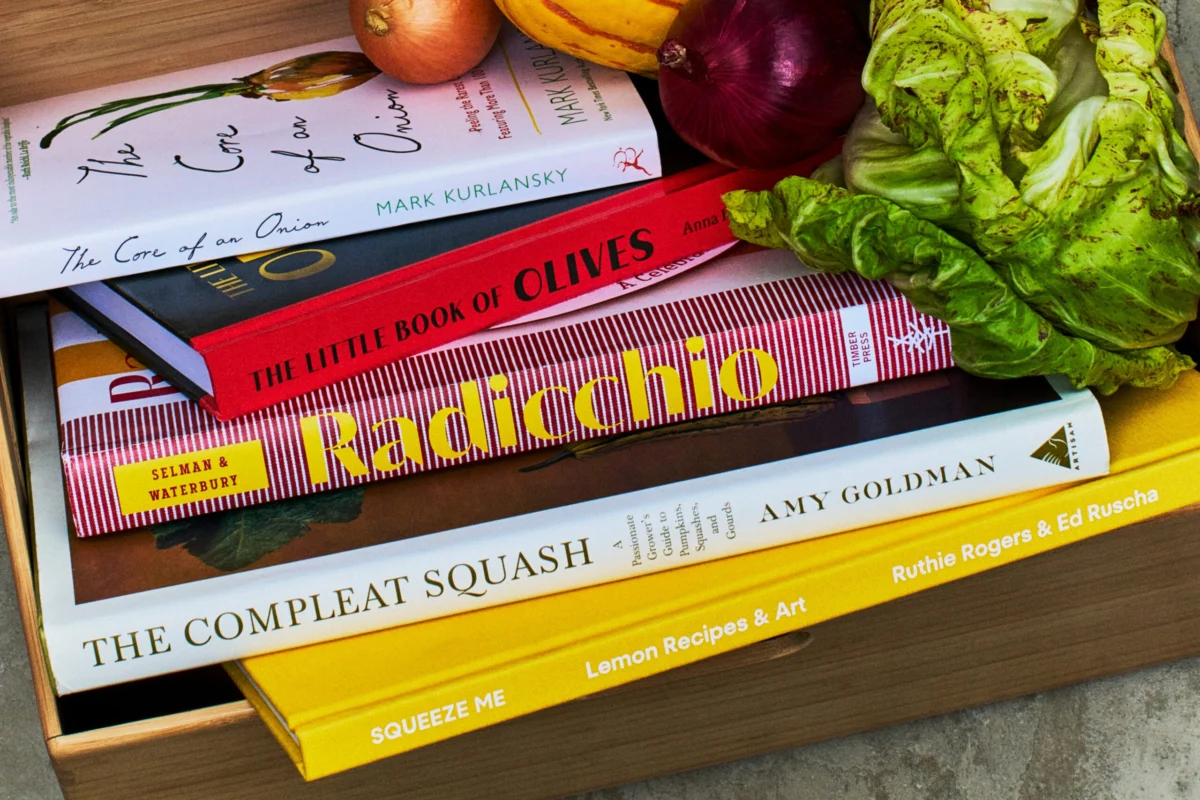
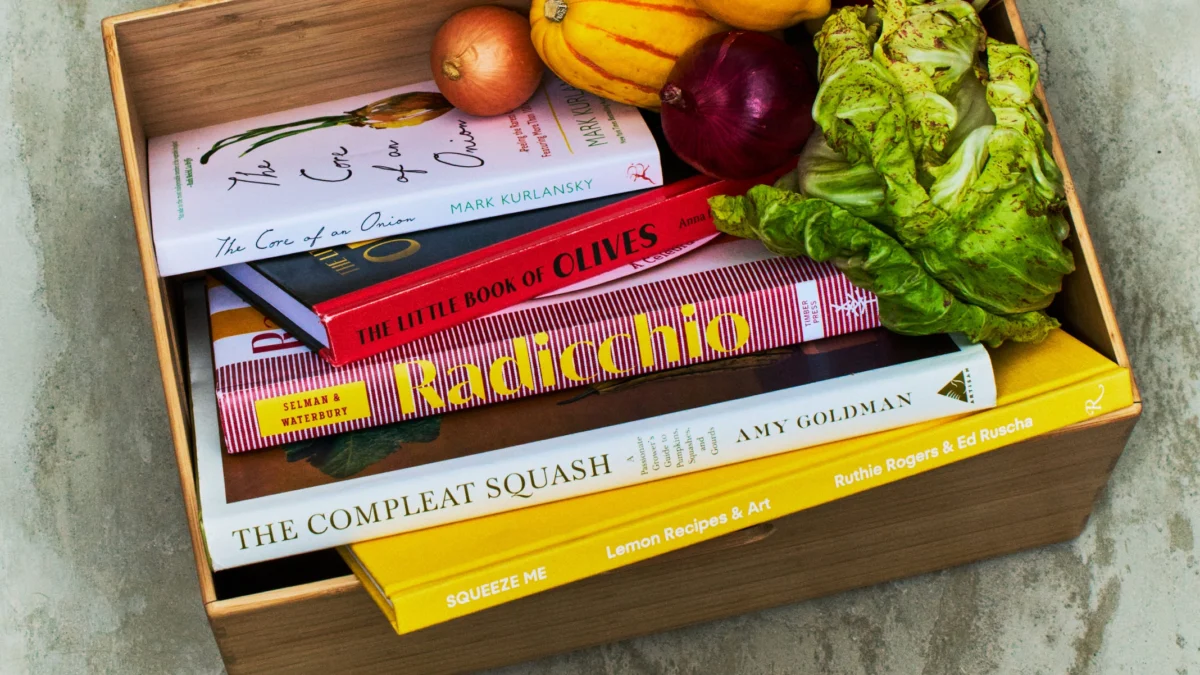
The allure of a perfectly formed pumpkin or a robust stalk of Brussels sprouts can capture the imagination, hinting at the profound depth that can be explored within a single fruit or vegetable. This fascination is precisely what fuels the genre of single-subject cookbooks, where authors, often driven by an intense passion, delve deeply into the world of a chosen ingredient. While these books might not always be extensive in page count, their value lies in their exhaustive exploration, offering readers a comprehensive and often revelatory perspective on familiar, yet frequently underestimated, produce.
Unpacking the Humble Onion: A Culinary Expedition
One such captivating example is Mark Kurlansky’s The Core of an Onion: Peeling the Rarest Common Food. Published in 2023, this concise 200-page volume, despite its slim profile, is packed with erudition and a characteristic dose of irreverence. Kurlansky, an author with a distinguished track record of dedicating books to ingredients like oysters, salt, and cod, brings his signature authoritative yet accessible style to the seemingly mundane onion. He posits that "Onions have a way of taking on unexpected significance," a notion he meticulously proves throughout the book.
The initial section of The Core of an Onion traces the historical trajectory and profound cultural impact of this ubiquitous allium. Kurlansky reveals fascinating historical anecdotes, such as the ancient Egyptians’ use of onions tied to the feet of mummies as a preservative, highlighting the ingredient’s ancient and multifaceted role in human civilization. This historical context is crucial for understanding the onion’s enduring presence in diets worldwide. The book then transitions into a series of loosely structured recipes, showcasing the versatility of the onion in breads, sauces, and a myriad of other dishes, demonstrating that the humble bulb is far more than a mere flavor enhancer. The author’s exploration is not merely academic; it’s an invitation to re-evaluate a staple ingredient that has been integral to culinary traditions for millennia, often overlooked in its fundamental importance.
The Cultivated Charm of Squash and Gourds
The principle of elevating an often-overlooked ingredient is a cornerstone of single-subject cookbookery. Amy Goldman Fowler’s The Compleat Squash: A Passionate Grower’s Guide to Pumpkins, Squash, and Gourds, a seminal work published in 2004, exemplifies this ethos. This book is a devoted ode to the Cucurbitaceae family, and master gardener Goldman Fowler’s profound passion is palpable on every page. Her statement, "Sometimes I don’t know where pumpkins begin and I end," perfectly encapsulates her deep connection to these plants.
Goldman Fowler presents a stunning array of squash and gourd portraits, each specimen more visually striking than the last, showcasing the incredible diversity within the family. Beyond these captivating visuals, the book offers a treasure trove of information. Readers are treated to recipes that celebrate the unique flavors and textures of various squashes and gourds. Furthermore, the book provides in-depth breed spotlights, essential resources for seed acquisition, and practical advice for cultivating one’s own patch of these remarkable vegetables. The comprehensive nature of The Compleat Squash positions it not just as a cookbook, but as a horticultural guide and an artistic appreciation of the cucurbit family, reflecting a growing interest in heirloom varieties and home gardening. The book’s publication in 2004 predated the widespread surge in interest in farm-to-table movements and heirloom produce, marking it as a prescient and enduring contribution to the culinary literature.
Embracing the Bitter Allure of Radicchio
While some single-subject cookbooks focus on ingredients that are already well-loved, others aim to introduce readers to the nuanced joys of less ubiquitous produce. Lane Selman and Margarett Waterbury’s Radicchio: A Celebration of the Beloved Italian Vegetable falls into this latter category. This book delves into the "human and natural history" of the famously bitter chicory, providing readers with both the knowledge to appreciate its complexity and the practical guidance to grow and cook with it.
Selman, the founder of the Culinary Breeding Network—an initiative dedicated to fostering collaboration between scientists, farmers, and chefs to explore novel produce varieties—brings a unique perspective to this exploration. The book embraces the "weirdness in the best way possible," featuring profiles of Italian growers who are deeply connected to their land and its produce. The recipes are equally adventurous, ranging from innovative radicchio pesto gnocchi to a radicchio and prosciutto gratin, and even a daring chocolate-radicchio cake, challenging conventional notions of ingredient pairings.
The collaborative spirit behind Radicchio is intentional. Selman explains that her inspiration stemmed from a noticeable lack of written material on this distinctive vegetable. "All of these people that we’ve met on our way down the rabbit hole needed to be included," she states, emphasizing that the book is a testament to the collective knowledge and passion of the individuals involved. "They’re the ones who have given us all this information. Sometimes it takes a village." This sentiment underscores a broader trend in food writing, where community and shared expertise are increasingly valued, particularly for ingredients that require a deeper understanding to be fully appreciated. The book’s release in a period of growing interest in regional Italian cuisine and unique vegetables further solidifies its relevance.
Pantry Staples Reimagined: The Humble Olive
Other single-subject cookbooks focus on elevating pantry staples that often reside in the background of culinary endeavors. Anna Hezel’s Little Book of Olives: A Guide to Cooking, Eating, and Drinking for the Brine-Inclined is a prime example. This book presents a surprising array of recipes that place olives at the forefront, moving them beyond their traditional role as a garnish or a pizza topping. Readers will discover creative dishes such as cantaloupe and crushed-olive panzanella, Castelvetrano and pistachio pesto, and an entire chapter dedicated to olive desserts.
The book also provides practical advice, including shopping tips and a comprehensive breakdown of different olive varieties, empowering consumers to make informed choices. The book’s retro aesthetic is not merely a stylistic choice; it lends a sense of gravitas to an ingredient that is often relegated to a secondary status. By showcasing the versatility and depth of flavor that olives offer, Hezel’s work encourages a re-evaluation of this fundamental ingredient, proving its potential for culinary innovation. The book’s publication reflects a growing appreciation for ingredients that are accessible yet possess complex flavor profiles, appealing to both novice cooks and seasoned gourmands.
The Zesty Intersection of Art and Culinary Delights: The Lemon
Finally, some single-subject books transcend purely informational or instructional aims, existing instead to dazzle and inspire. The 2025 release, Squeeze Me: Lemon Recipes & Art, by pop artist Ed Ruscha and River Café chef Ruthie Rogers, is a prime example of this category. This high-gloss publication is described as a love letter to the lemon, artfully blending culinary artistry with visual expression.
The book features pop art-inspired photography, complemented by witty captions, and a curated collection of minimalist recipes. Dishes like lemon-mascarpone tart and limoncello demonstrate the simple elegance that can be achieved with this bright citrus. The combination of sophisticated design and approachable recipes makes Squeeze Me equally at home on a coffee table as it is on a kitchen shelf, appealing to a broad audience interested in both aesthetics and gastronomy. This fusion of art and food highlights the enduring appeal of the lemon, a fruit that embodies freshness, versatility, and a touch of sophistication. The collaboration between a renowned artist and a celebrated chef suggests a deliberate effort to position the lemon not just as a food item, but as a muse for creative expression.
The Enduring Appeal of Focused Exploration
While the styles and formats of these single-subject cookbooks vary considerably—from the academic depth of Kurlansky to the artistic flair of Ruscha and Rogers—they share a common and powerful objective: to illuminate the often surprising and profound pleasures found within a single fruit or vegetable. By dedicating an entire volume to one ingredient, authors are able to foster a deeper understanding and appreciation, revealing layers of history, culture, science, and culinary potential that might otherwise remain hidden.
The success of these books is a testament to the fact that, in the realm of culinary exploration, focusing on a singular subject can lead to a richer, more rewarding experience. This approach allows for an in-depth exploration that can transform the way we perceive and interact with the food on our plates. It demonstrates that, sometimes, the most delightful discoveries are made by looking closely at what we already know, and finding the extraordinary within the ordinary. The enduring appeal of such focused narratives lies in their ability to transform a commonplace ingredient into a subject of fascination, proving that a deep dive into a single element can, indeed, yield a wealth of knowledge and inspiration, reinforcing the idea that working with less can truly lead to more. The growing body of literature dedicated to individual ingredients signals a maturing food culture, one that values nuance, origin, and the intricate stories embedded within our food systems.