admin
admin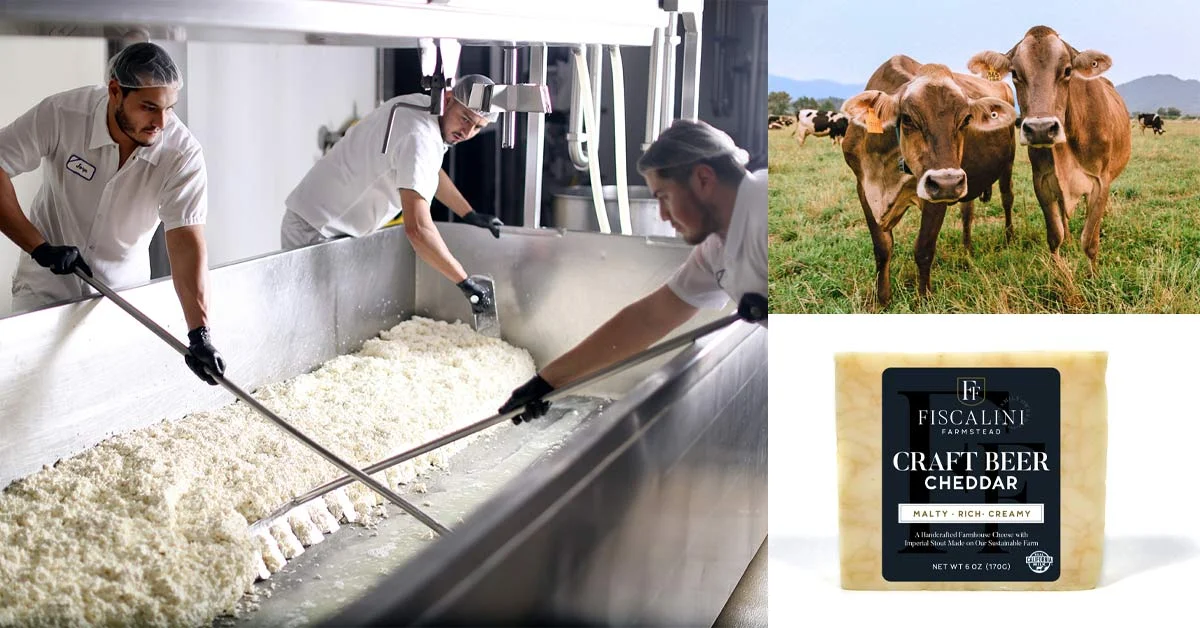
The landscape of American specialty food is currently witnessing a significant transformation in the conceptualization and production of beer cheese, moving away from its origins as a regional tavern spread toward a sophisticated category of farmstead excellence. While the tradition of combining fermented grain and cultured dairy has deep roots in European history, the specific American iteration known as "beer cheese" is undergoing a renaissance fueled by the craft brewing movement and a renewed focus on agricultural traceability. This shift represents more than a change in flavor profiles; it signifies a maturing relationship between two of the nation’s most vibrant artisanal sectors: independent brewing and small-batch cheesemaking.
The Kentucky Genesis and the Traditional Paradigm
The historical trajectory of beer cheese in the United States is widely attributed to the riverfront regions of Clark County, Kentucky. Historical records and local lore suggest the product was first served in the 1940s at a restaurant owned by Johnny Allman. Originally conceived as a "snappy" appetizer designed to encourage beverage consumption, the traditional recipe relied on a base of sharp cheddar cheese, garlic, cayenne pepper, and other proprietary spices.
In 2006, the legacy of this original style was revitalized when Kathy Gorman Archer, president of Howard’s Creek Authentic Beer Cheese, decided to revive the brand. Archer noted that the original production model was rooted in sustainability and waste reduction, utilizing leftover sharp cheddar and remaining beer to create a spreadable product. This "upcycling" approach defined the category for over half a century, cementing beer cheese as a tangy, spicy, and often orange-hued snack served primarily with crackers or vegetables. However, the modern era has introduced a new paradigm where the beer is not an afterthought or a leftover ingredient, but a foundational element of the cheesemaking process itself.
The Pacific Northwest and the Rise of Infused Cheddars
In the Pacific Northwest, the intersection of dairy and brewing has reached a high level of technical integration. Rogue Creamery, an Oregon-based producer famous for its world-class blue cheeses, has been at the forefront of this movement. Despite sharing a name, Rogue Creamery and Rogue Ales are separate entities, though they maintained a close collaborative relationship for decades. The creamery’s foray into the beer cheese category moved beyond simple spreads to create structural infusions.
One of the most notable examples is the Chocolate Stout Cheddar, produced in collaboration with Portland’s Hopworks Brewery. Unlike traditional beer cheese, where the liquid is mixed into a finished cheese product, Rogue Creamery adds the beer during the actual cheesemaking process. As the whey begins to separate from the curd, the stout is introduced, allowing the milk and curd to absorb the malty characteristics of the brew. This results in a marbled aesthetic and a flavor profile that emphasizes sweetness and maltiness rather than the sharp bitterness of the hops.
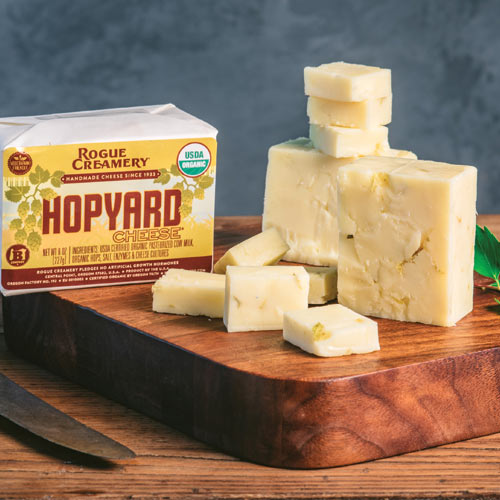
Furthermore, the creamery has experimented with direct botanical infusions, such as their Hopyard Cheddar. In this instance, fresh, local Northwest-grown hops are mixed directly with the curds. This technique bypasses the liquid beer entirely, focusing instead on the floral and citrus aromatic qualities of the hop flower, creating a product that mirrors the flavor profile of a West Coast IPA.
Farmstead Integrity and Local Traceability in California
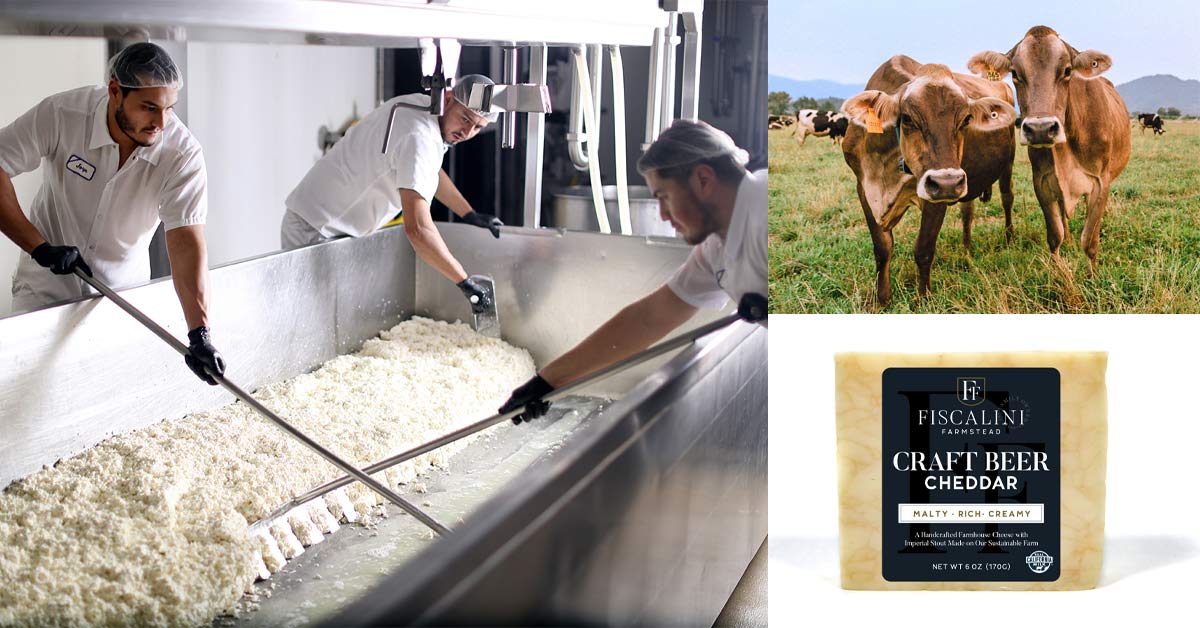
In California’s Central Valley, Fiscalini Farmstead has operated as a dairy farm in Modesto since 1914. Their approach to beer cheese emphasizes the "farmstead" designation, meaning the cheese is made exclusively with milk from cows raised on their own property. This level of vertical integration allows for a high degree of quality control and traceability.
Fiscalini’s Craft Beer Cheddar is the result of a hyper-local partnership with Dust Bowl Brewing, located just 20 minutes away in Turlock. By using the brewery’s Black Blizzard Imperial Stout, Fiscalini creates a cheese that carries distinct notes of coffee and roasted chocolate. According to fourth-generation owner Laura Genasci, the process involves mixing the beer with the curds before they are formed into 40-pound blocks. The subsequent overnight pressing ensures that the beer flavor permeates every bite, creating a mottled pattern that has become a hallmark of high-end beer-infused cheddars.
Cheesemaker Alex Borgo describes this process as a "culinary collaboration" where the enzymatic actions of brewing and cheesemaking mirror one another. Just as brewers use malted barley and heat to activate enzymes, cheesemakers select specific starter cultures to manage the separation of curds and whey. The aging process further matures these flavors; while the beer cheddar is typically aged for three months, extended aging in "reserve" batches can result in a more robust, pungent profile similar to a cellared high-gravity ale.
The Economic Impact of Regional Collaborations in Pennsylvania
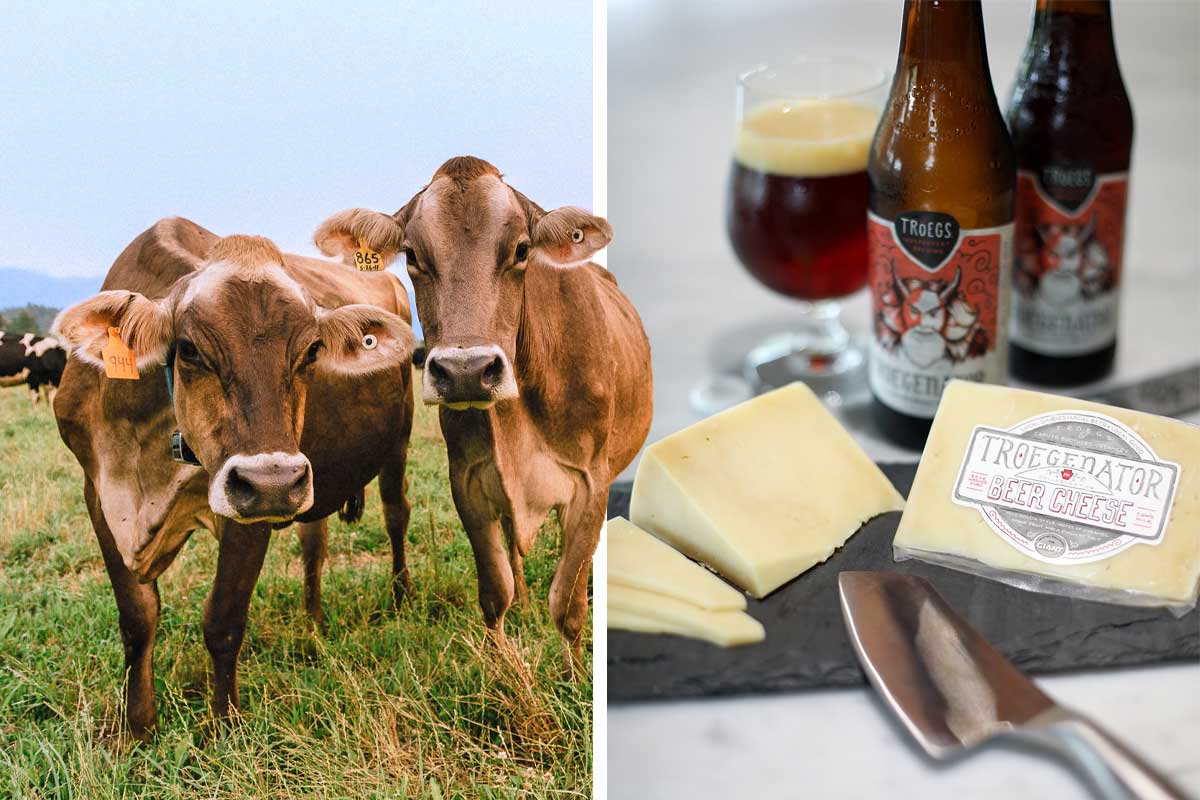
In the Eastern United States, the collaboration between Caputo Brothers Creamery and Tröegs Independent Brewing illustrates the economic and social potential of these partnerships. Based in Spring Grove, Pennsylvania, Caputo Brothers originally focused exclusively on Italian-style cheeses. However, a proposition from Giant Food Stores, a major regional grocery chain, led to a strategic pivot toward beer cheese.
The resulting collaboration utilized Tröegs’ flagship beers, such as the Troegenator Double Bock, to create a beer-infused Gouda. The success of this product was immediate, largely due to the existing "cult following" of the brewery. The partnership expanded to include Perpetual IPA and Mad Elf, an 11% ABV Belgian holiday ale. For the Mad Elf variety, the process involves marinating the curd in the beer and then rubbing the rind with a mixture of cocoa, cinnamon, espresso, and more beer, resulting in a cheese that aesthetically resembles a slice of chocolate cake.
Rynn Caputo, co-founder of the creamery, emphasizes that these projects are vital for the local dairy industry. By creating a high-demand, value-added product, these collaborations provide a stable market for Pennsylvania dairy farms. The technical precision required for these cheeses is significant; Caputo notes that managing pH levels is the most critical factor. If the pH is too high, curds will not bind; if it is too low, the texture becomes rubbery. This scientific approach has led to the creation of "Custom Cheesemakers," a subsidiary that assists breweries nationwide in developing their own branded cheeses.
Technical Variations: Rind-Washing vs. Curd Infusion
While many producers choose to infuse the beer directly into the curd, others utilize the "washed-rind" technique. Tulip Tree Creamery in Indianapolis, Indiana, employs this traditional European method to impart beer characteristics to their cheeses. Rather than mixing beer into the curds, they wash the rinds of the cheese wheels with a solution of bacteria cultures, beer, water, and salt.
This method allows the essence of the beer to permeate the cheese through the rind, affecting both the aroma and the texture. Tulip Tree has collaborated with several local breweries, including Sun King and 3 Floyds. Co-owner Laura Davenport notes that for this style, lower-bitterness beers like pilsners are often preferable to high-IBU (International Bitterness Units) IPAs, as excessive bitterness can become unpleasant when concentrated on a cheese rind. This approach results in a creamier, often more pungent cheese compared to the harder, aged cheddars produced via infusion.
Urban Creameries and the Fresh Cheese Model
The evolution of beer cheese also includes the rise of urban creameries, such as Urban Stead in downtown Cincinnati, Ohio. Operating in a city with deep German roots, Urban Stead sought to honor local heritage by producing "Quark," a fresh Eastern European-style farmer’s cheese.
Urban Stead’s foray into beer cheese took inspiration from the Kentucky style but applied it to their fresh cheese base. By using Braxton Brewing’s Storm Golden Cream Ale, they created a spreadable product with a texture somewhere between ricotta and cream cheese. From a business perspective, fresh beer cheese offers a significant advantage: cash flow. While aged cheddars and Goudas may require 20 months of cellaring, a fresh beer cheese can be produced and sold within days. This allows the creamery to balance the long-term investment of aged wheels with the immediate returns of fresh products, all while maintaining a strong connection to the local craft beer scene.
Broad Implications for the Specialty Food Market
The shift toward sophisticated beer-cheese integration reflects broader trends in the American food industry. Consumers are increasingly seeking products that offer a sense of place (terroir) and stories of collaboration. The success of these products suggests that the "beer cheese" category is no longer confined to the appetizer section of a casual dining menu but has earned a place on artisanal cheese boards and in gourmet kitchens.
Data from the specialty food industry indicates that "collaborative" products—those that bridge two distinct craft categories—often see higher engagement on social media and stronger brand loyalty. For small and independent breweries, these partnerships offer a way to extend their brand into the grocery aisle. For creameries, they provide a way to differentiate their products in a crowded market.
As the science of infusion and rind-washing continues to advance, the boundary between the brewery and the creamery will likely continue to blur. The result is a more diverse and technically accomplished array of products that honor the historical roots of beer cheese while pushing the boundaries of what is possible when the art of the brewer and the skill of the cheesemaker collide. This evolution ensures that beer cheese remains a vital, living part of American culinary culture, evolving from a simple tavern snack into a complex, world-class delicacy.