admin
admin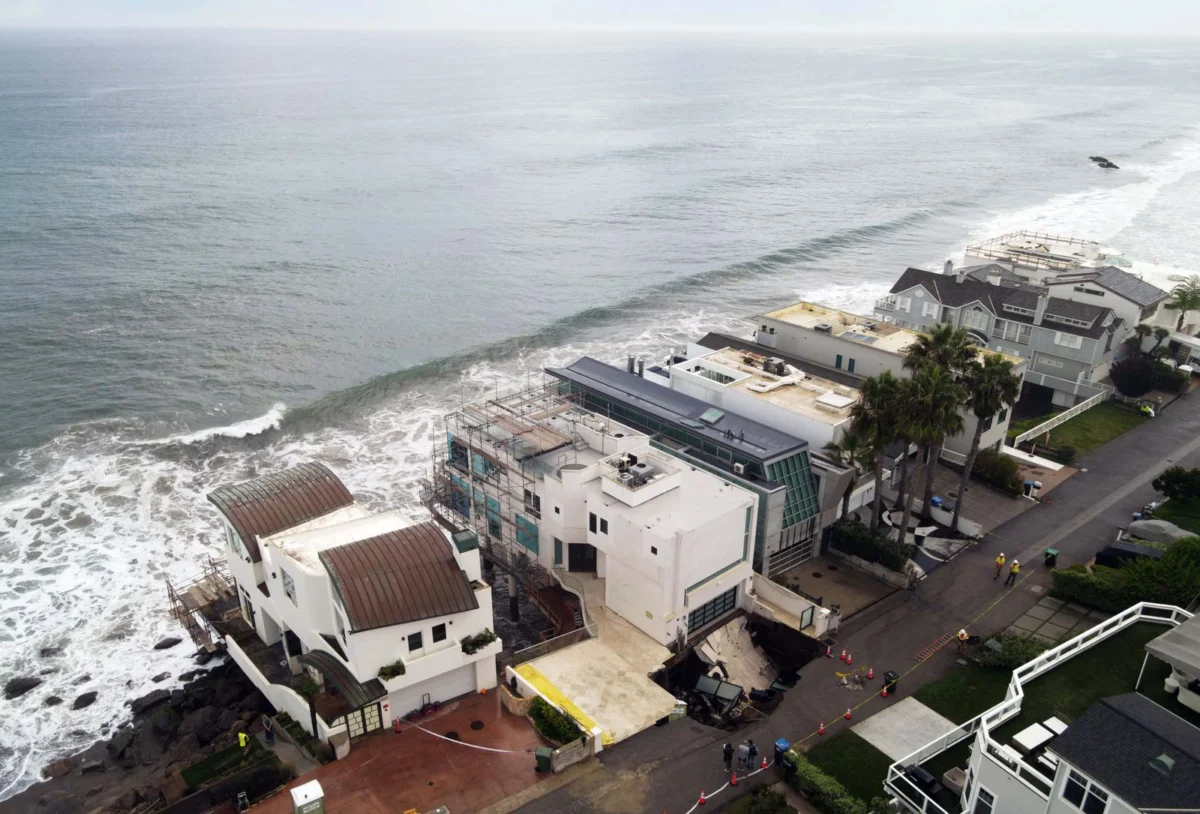
A private luxury property on the French Mediterranean island of Corsica was the target of an alleged attack in the early hours of September 9, 2026, igniting renewed concerns over escalating tensions related to land development and nationalist sentiment on the island. The incident, which involved an explosive device, caused significant structural damage to the newly constructed villa, located in the highly sought-after coastal region near Porto-Vecchio. No injuries were reported as the property was unoccupied at the time of the explosion. Authorities have launched a full investigation, treating the event as a deliberate act of sabotage, with initial suspicions pointing towards a resurgence of nationalist or anti-speculation groups.
The blast occurred shortly after 2:00 AM local time, shattering windows, compromising a section of the roof, and leaving a crater in the immediate vicinity of the structure. Local residents reported hearing a loud explosion that reverberated across the quiet bay. Gendarmerie and forensic teams were quickly dispatched to the scene, cordoning off the area for evidence collection. Initial assessments suggest a relatively sophisticated explosive device was used, indicating a level of planning beyond simple vandalism. The property, identified as "Villa Serena," is a high-end residence nearing completion, reportedly owned by a mainland French investor. This profile aligns with historical targets of groups protesting against what they perceive as uncontrolled real estate speculation and the "Francisation" of Corsican land.
Chronology of an Unsettling Incident
The events leading up to and immediately following the alleged attack unfolded rapidly, casting a shadow over the island’s typically serene late-summer atmosphere.
- September 8, 2026, Evening: The area surrounding Villa Serena, like much of Corsica’s coastline, was experiencing typical late-season tourist activity. No unusual movements or suspicious activities were reported to local authorities in the hours preceding the incident.
- September 9, 2026, 2:07 AM: A powerful explosion rocks the coastal community near Porto-Vecchio. Multiple emergency calls are placed to local gendarmerie and fire services, reporting a loud blast and visible damage to a property.
- September 9, 2026, 2:30 AM: First responders arrive on the scene. Gendarmerie establish a security perimeter, and fire services ensure there is no immediate fire risk. The extent of structural damage to Villa Serena becomes apparent.
- September 9, 2026, Morning: Forensic experts from the National Gendarmerie’s technical and scientific investigation unit are deployed from Bastia to begin meticulous evidence collection. Preliminary findings confirm the use of an explosive device.
- September 9, 2026, Afternoon: The public prosecutor’s office in Ajaccio opens an investigation into "criminal damage by explosive device" and "association of wrongdoers." The regional prefect issues a statement condemning the act and vowing full resources to identify and apprehend those responsible.
- September 10, 2026: Local political leaders, including members of the Corsican Assembly, issue statements. While condemning violence, some also reiterate calls for greater local control over land use and development policies, hinting at the underlying grievances that often fuel such actions.
- September 11, 2026: News of the alleged attack is widely reported across national and international media, drawing attention back to Corsica’s complex socio-political landscape. The incident sparks renewed debate about security and the future of sustainable development on the island.
Background: A History of Nationalist Grievances and Land Tensions
Corsica has a long and often turbulent history marked by a strong sense of unique identity and a persistent struggle for greater autonomy from mainland France. Nationalist movements, most notably the Front de Libération Nationale Corse (FLNC), emerged prominently in the 1970s, employing violence, including bombings and arson, to advance their political agenda. While the FLNC announced an end to its armed struggle in 2014, and subsequent calls for disarmament and dialogue have largely been heeded, sporadic acts of violence attributed to splinter groups or new factions have continued to surface. These acts are frequently symbolic, targeting properties, administrative buildings, or businesses perceived as representing French state authority, unchecked tourism development, or speculative land acquisitions by non-Corsicans.
A central pillar of Corsican nationalist grievances has always been the issue of land. The island’s breathtaking natural beauty and Mediterranean climate make it a prime target for real estate investment, particularly for luxury villas and large-scale tourist resorts. This influx of capital and construction has led to soaring property prices, making homeownership increasingly unattainable for many Corsicans. Data from the French National Institute of Statistics and Economic Studies (INSEE) indicates that average property prices in coastal Corsica have risen by approximately 22% over the last decade, significantly outpacing wage growth. This economic pressure is often framed by nationalist groups as a form of "colonization" or "spoliation" of Corsican heritage, driving a wedge between economic development and social equity.

Furthermore, environmental concerns play a significant role. Uncontrolled development is often seen as a threat to Corsica’s pristine landscapes and fragile ecosystems, which are a cornerstone of its appeal and cultural identity. Groups advocating for environmental protection often align with nationalist sentiments, arguing for stricter planning regulations and local control over development decisions to preserve the island’s unique character. The debate often centers on balancing the economic benefits of tourism, which accounts for an estimated 30-35% of the island’s GDP and supports tens of thousands of jobs, with the imperative to protect its natural and cultural patrimony.
Official Responses and Political Fallout
The alleged attack has drawn swift condemnation from both French and Corsican authorities. The French Minister of Interior, Gérald Darmanin, issued a statement from Paris reiterating the government’s "unwavering commitment to maintaining order and security in Corsica" and promising "the full force of the law" against those responsible. He emphasized that such acts undermine the democratic process and the ongoing dialogue between Paris and Ajaccio regarding Corsica’s future institutional framework.
Gilles Simeoni, President of the Executive Council of Corsica, while condemning the violence unequivocally, also used the opportunity to underscore the deep-seated issues facing the island. In a televised address, Mr. Simeoni stated, "While we reject and denounce all forms of violence, which serves no legitimate cause, this incident is a stark reminder of the urgent need to address the structural problems that fuel these tensions, particularly concerning land policy and the protection of our cultural identity." He reiterated calls for specific legislative tools, including a reinforced "resident status" to regulate property acquisition, and enhanced powers for the Corsican Assembly over urban planning and environmental protection. These measures are currently under discussion as part of broader negotiations for increased autonomy for Corsica.
Local tourism associations have expressed profound concern. The President of the Corsican Hotel and Tourism Industry Union (UMIH-Corse) voiced fears that such incidents could deter tourists and investors, damaging the island’s reputation as a safe and welcoming destination. "Our economy relies heavily on a stable and secure environment," he stated, "and acts of this nature create an atmosphere of uncertainty that directly threatens the livelihoods of thousands of Corsicans."
Broader Impact and Implications
The alleged attack on Villa Serena carries significant implications for Corsica’s immediate future and its long-term relationship with mainland France.
- Security Posture: The incident will likely trigger an increased security presence, particularly in coastal areas prone to development. This could include enhanced gendarmerie patrols and intelligence gathering, potentially creating a more tense atmosphere for both residents and visitors.
- Investment Climate: While individual acts of violence have not historically halted the flow of investment into Corsica entirely, repeated incidents could make investors more cautious, particularly in the luxury real estate sector. This could impact job creation and economic growth, exacerbating existing social inequalities.
- Political Dialogue: The timing of the attack is particularly sensitive, occurring amidst delicate negotiations between the French government and Corsican political leaders on the island’s institutional evolution. Hardliners on both sides might interpret the event as justification for their respective stances – either for a tougher crackdown on dissent or for more radical demands for autonomy. It risks complicating efforts to find a peaceful and consensual path forward.
- Land Policy Debate: The incident will undoubtedly intensify the debate surrounding land speculation and sustainable development. Pressure will mount on both local and national authorities to implement more robust regulations, potentially including stricter zoning laws, environmental impact assessments, and mechanisms to prioritize local residents in property acquisition. The concept of "Corsican Resident Status" – which would give priority to those living on the island for a certain period when buying property – is likely to gain renewed traction in political discussions, despite facing legal challenges under French and European Union law concerning freedom of establishment.
- Public Opinion: The attack could polarize public opinion within Corsica itself. While the vast majority of Corsicans unequivocally reject violence, there is a strong underlying current of frustration regarding perceived external control and economic disparities. The incident might deepen divisions between those who prioritize economic development at all costs and those who advocate for greater protection of Corsican identity and environment, even if it means slower growth.
As investigations continue, the identity of those responsible for the attack on Villa Serena remains unknown. However, the reverberations of this single incident extend far beyond the damaged walls of a luxury property. It serves as a potent reminder of the complex interplay between historical grievances, economic pressures, environmental concerns, and the ongoing quest for identity and autonomy that defines modern Corsica. The challenge for authorities and political leaders will be to address these deep-seated issues through dialogue and policy, ensuring that the island’s future is built on stability and shared prosperity, rather than further conflict.