admin
admin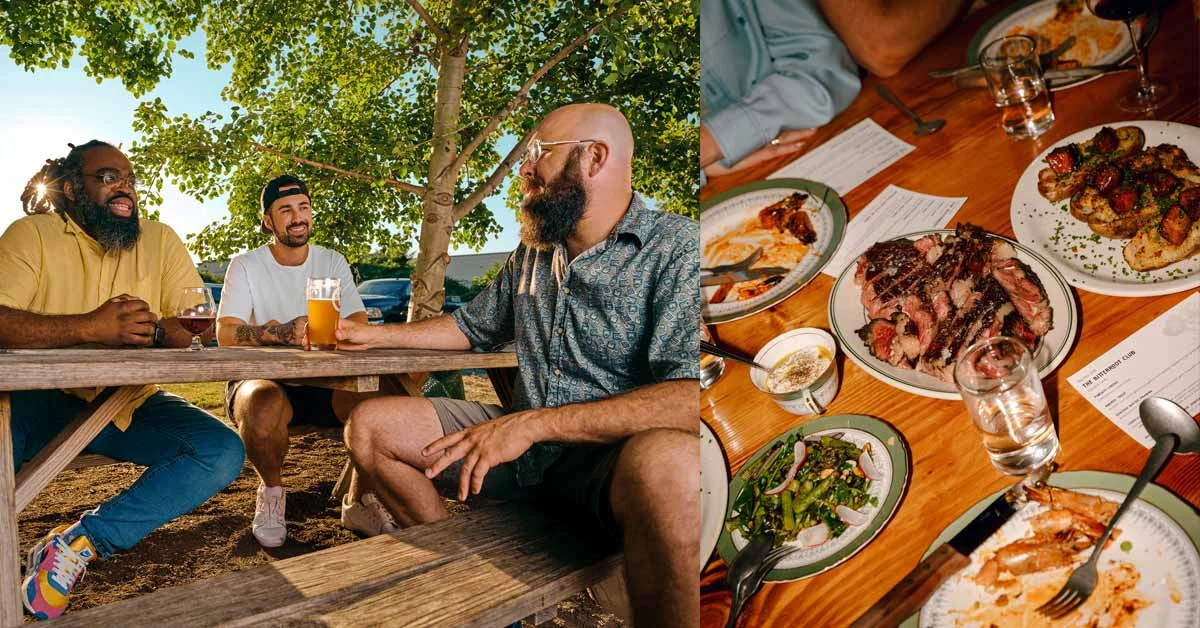
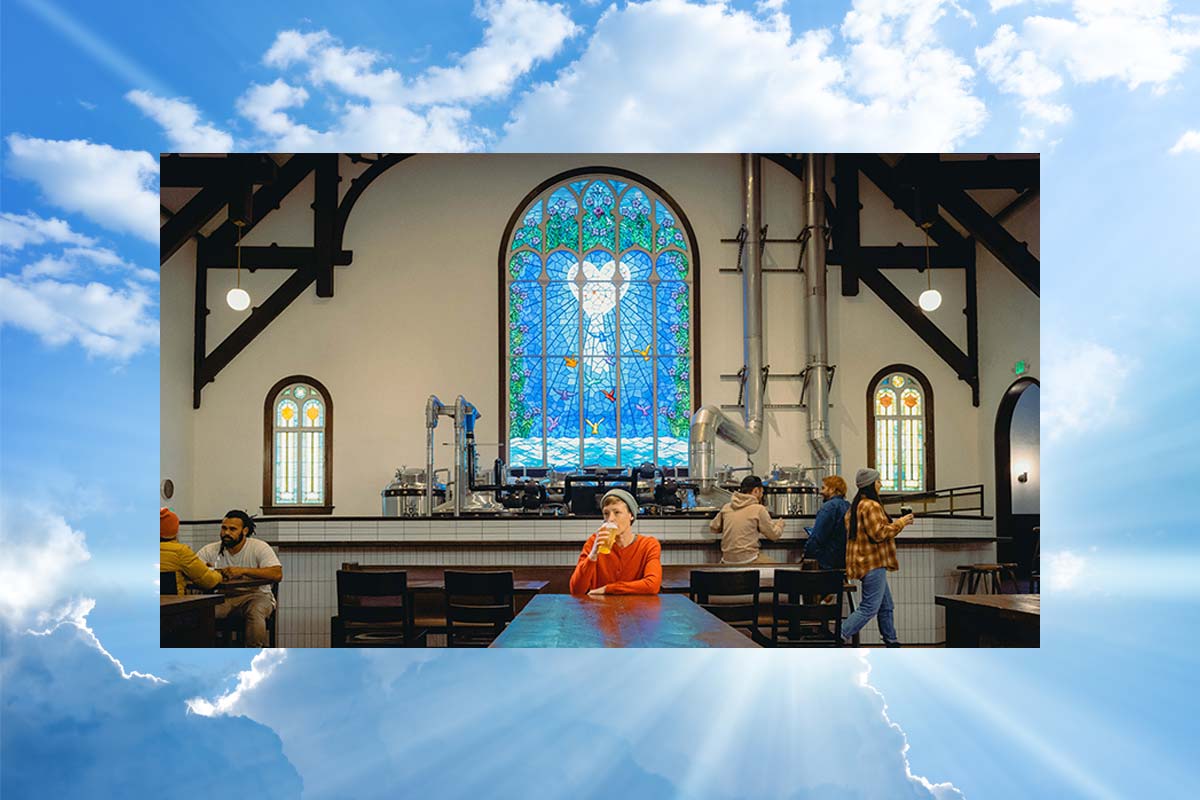
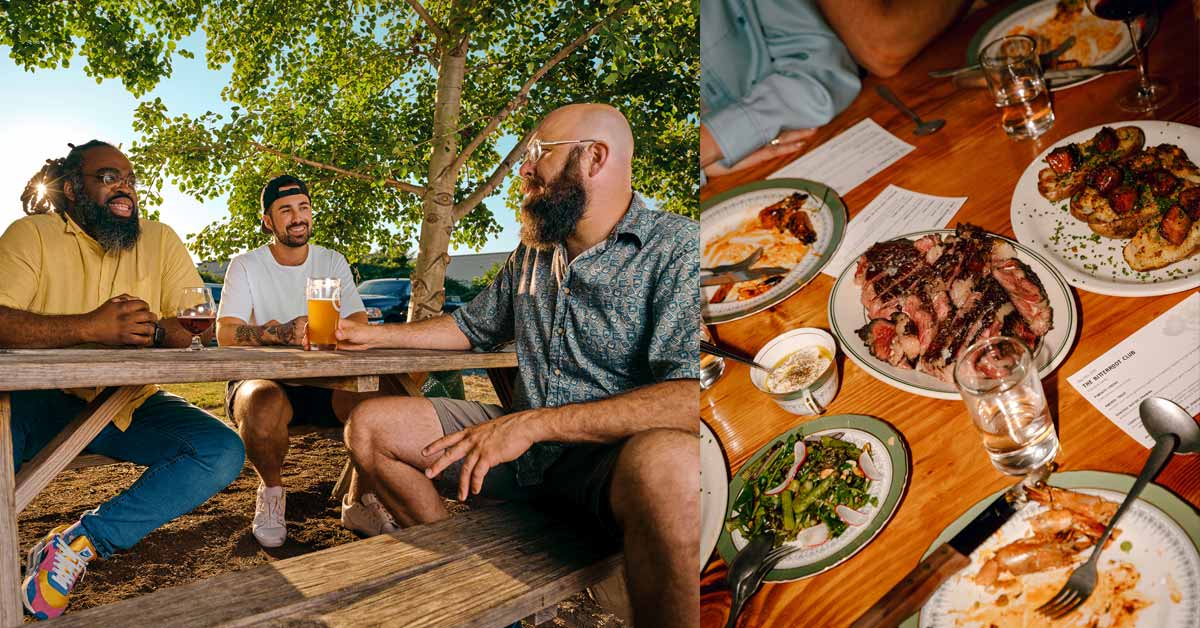
The craft beer landscape in Portland, Oregon, is undergoing a sophisticated transformation as local breweries pivot toward "elevated" culinary experiences and hyper-specialized production to maintain their status in an increasingly competitive market. At the forefront of this shift is Grand Fir Brewing, located in the historic Buckman neighborhood of Southeast Portland. While the brewery’s main taproom reflects the rustic, wood-and-steel aesthetic common to the region’s hip-meets-historic vibe, its weekly "Bitterroot Club" represents a new frontier for the industry. This exclusive supper club, led by co-owner and Top Chef finalist Doug Adams, pairs seasonal, locally sourced multi-course meals with beers crafted by his wife and co-owner, Whitney Adams. The $135-per-person prix fixe reservation serves as a bellwether for the "Beervana" of the 2020s: an environment where world-class brewing is no longer the sole requirement for success, but rather the baseline for a more complex consumer offering.
The Intersection of High-End Gastronomy and Craft Brewing
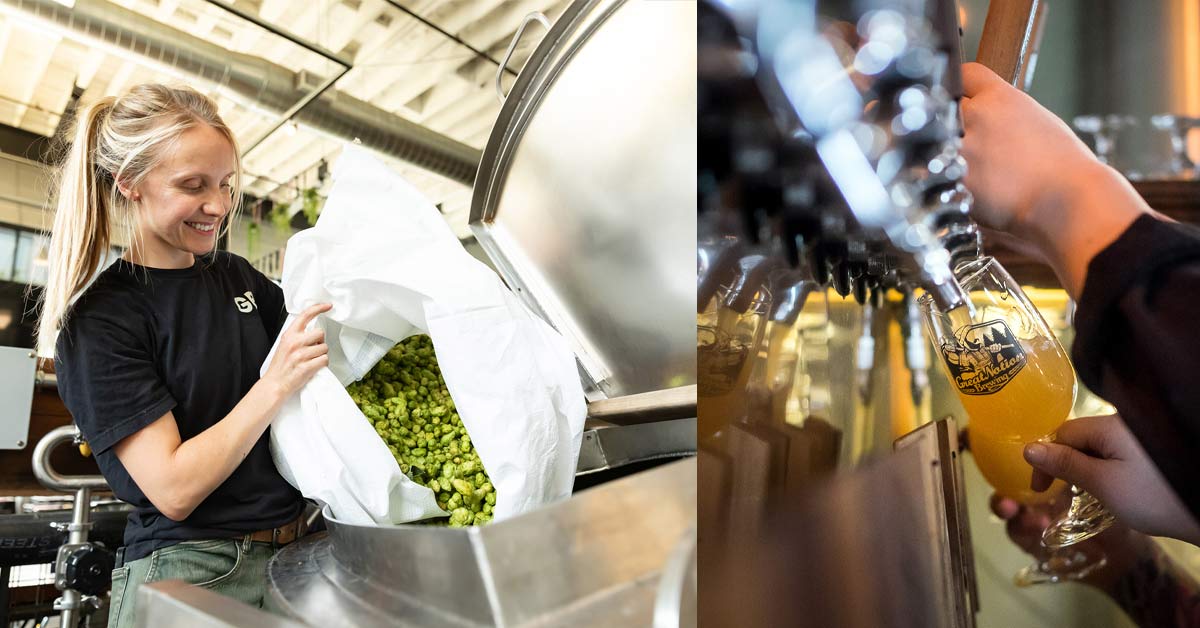
The Bitterroot Club functions as an extension of the Adamses’ professional pedigrees. Whitney Adams, a veteran of the Northwestern beer scene, brought experience from seminal institutions such as Upright Brewing, Elysian, and 10 Barrel Brewing Company to the launch of Grand Fir in November 2022. Her technical proficiency—demonstrated in offerings like the bready Tamarack Fest festbier and the crisp Bandit Run Mosaic American IPA—is matched by Doug Adams’ culinary background as a James Beard Rising Star semifinalist.
The menu at Grand Fir exemplifies the "elevated" brewpub model. While the standard menu features artistic interpretations of pub staples—such as shrimp rolls with jalapeño Old Bay tartar and fried chicken sandwiches with garlic buffalo sauce—the Bitterroot Club allows for deeper experimentation. Recent pairings have included Columbia king salmon with lemon, fig, and basil paired with malty lagers, and charcoal-grilled pork chops with Nardello peppers and hazelnuts complemented by dry-finished IPAs. According to Whitney Adams, this integration is a strategic necessity. "I felt that if I were to just open up a brewery, I honestly don’t think it would make it," she noted, highlighting the need for a specific "angle" in a marketplace where consumer expectations have reached an all-time high.
Historical Context: The Roots of Beervana
The term "Beervana" was first popularized in 1994 by the local alternative weekly Willamette Week to describe Portland’s burgeoning beer culture. However, the foundations of this identity were laid in the 1980s and early 1990s. Unlike many other American metropolitan areas, Portland was historically isolated from the direct influence of major national conglomerates like Miller and Anheuser-Busch. Van Havig, master brewer and co-founder of Gigantic Brewing, notes that this geographic isolation allowed local distributors and brewpubs to dominate the market early on.
In the early 2000s, Portland’s craft market was already considered the most developed in the United States. The city’s culture was defined by a specific set of "omnipresent" labels that educated the local palate: Widmer Brothers’ Hefeweizen, Deschutes’ Mirror Pond Pale Ale and Black Butte Porter, Full Sail Brewing’s Amber Ale, and the iconic BridgePort India Pale Ale. The latter, introduced in 1996, utilized five local hop varieties to create a template for the "Northwest-style IPA," a style characterized by aggressive notes of citrus, pine, and floral bitterness that initially shocked drinkers from outside the region.
Economic Data and the Oregon Brewing Industry
The significance of the brewing industry to the Oregon economy is substantial. According to data from the Brewers Association and the Oregon Brewers Guild, the state is home to more than 300 breweries, with the Portland metropolitan area boasting one of the highest concentrations of breweries per capita in the world. As of 2023, the brewing industry contributes approximately $2.4 billion to Oregon’s annual economy and supports roughly 50,000 jobs.
This economic engine is fueled by the state’s agricultural proximity. The Willamette Valley, located just south of Portland, is one of the premier hop-growing regions globally, second only to the Yakima Valley in Washington. This access to fresh raw materials has allowed Portland brewers to lead the nation in "Fresh Hop" seasonal releases and experimental breeding programs. Furthermore, the industry has shown resilience through diversification; for example, Deschutes Brewery has recently invested heavily in non-alcoholic (NA) versions of its flagship beers, reflecting a national trend toward health-conscious consumption without sacrificing the craft flavor profile.
A Chronology of Innovation and Market Shifting
The evolution of the Portland scene can be categorized into three distinct waves:
- The Foundation (1980s–1990s): The rise of the traditional brewpub and the establishment of flagship styles like the Northwest IPA and American Hefeweizen.
- The Expansion (2010s): A surge in specialized production. This era saw the rise of "growler stations" in gas stations and grocery stores, providing a massive increase in draft real estate for small producers. It also marked the birth of experimental houses like Gigantic Brewing (2012) and Breakside Brewing (2010), which pushed the boundaries of barrel-aging and wild ales.
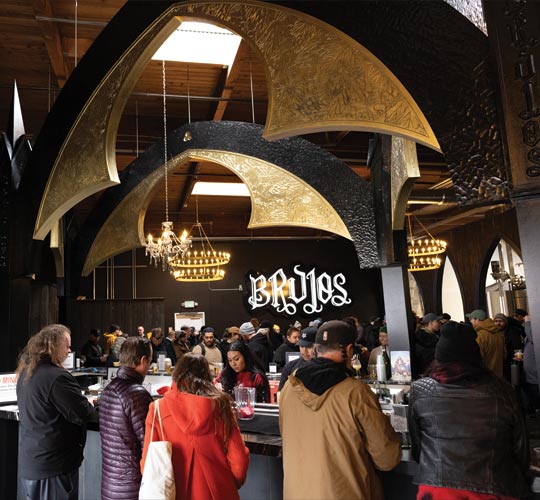
- The Refinement (2020–Present): A post-pandemic era defined by "destination" breweries. Facing skyrocketing real estate prices and a saturated retail market, breweries are now focusing on on-premises experiences. This includes the "Cold IPA" movement popularized by Wayfinder Beer, the heavy-metal-themed hazy IPAs of Brujos Brewing, and the "pastry sour" innovations of Great Notion.
Professional Perspectives on a Discerning Consumer Base
Industry leaders suggest that Portland’s market is unique not because of a lack of competition, but because of the sophistication of its drinkers. Ben Edmunds, brewmaster at Breakside Brewing, argues that the "consumer expectations" in Oregon are higher than anywhere else in the country. "People feel like they can find good beer everywhere here," Edmunds stated, suggesting that quality is no longer a differentiator but a prerequisite.
This sentiment is echoed by Van Havig, who observed that in Portland, the distinction between "craft beer" and "beer" has largely vanished. "No one uses the term ‘craft beer’ or ‘microbrew’ in Portland," Havig said. "Here, it’s just beer." This normalization indicates that the craft movement has achieved total market penetration, forcing new entrants to innovate through culinary partnerships, specialized atmosphere, or technical excellence in niche styles like lagers or experimental hybrids.
Challenges and Future Implications
Despite its status as a global beer capital, Portland faces significant headwinds. The industry is currently grappling with:
- Real Estate Volatility: Rising costs for industrial and commercial spaces in neighborhoods like Buckman and the Pearl District have made it difficult for new breweries to secure long-term leases.
- Market Saturation: With hundreds of options available on grocery shelves and tap walls, small breweries must fight for "draft real estate" that was once easily accessible.
- Shifting Demographics: As younger generations explore spirits, canned cocktails, and non-alcoholic options, breweries are forced to broaden their portfolios.
However, the resilience of the Portland scene remains a point of pride for its participants. The "brewing family tree" has become more robust as veteran brewers from established firms branch out to start their own ventures, such as Living Häus Beer Company and Grand Fir. This influx of experienced "new blood" ensures that even as the market tightens, the quality of the product remains world-class.
Conclusion: The Persistence of Beervana
The current state of Portland’s brewing industry suggests that the city has moved beyond the "microbrew" fad into a mature, permanent cultural fixture. The success of "elevated" concepts like Grand Fir Brewing’s Bitterroot Club demonstrates that while the marketplace is "slippery," there is still a deep-seated demand for high-quality, authentic experiences.
As the industry looks toward the mid-2020s, the focus remains on the "special relationship" between the producer and the patron. In a city where a dive bar is as likely to serve a world-class local IPA as a standard lager, the definition of success has evolved. Portland remains a place where craft beer didn’t just survive the commercial shifts of the last 40 years—it won. The ongoing innovation in styles, the integration of high-end culinary arts, and the steadfast support of a savvy local population ensure that Portland’s title as Beervana remains secure, even as the definition of that paradise continues to change.