admin
admin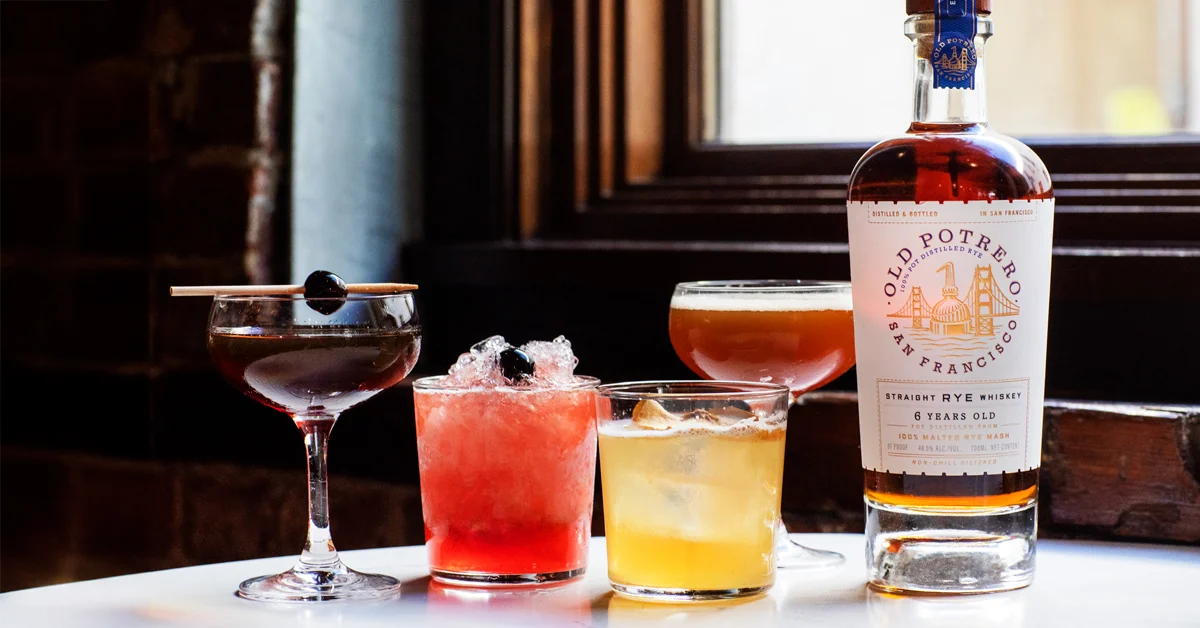
The landscape of the American craft beer industry is undergoing a fundamental transformation as the era of "freshie" culture—defined by enthusiasts waiting in hours-long queues for limited-edition canned releases—fades into the rearview mirror. According to data released by the Brewers Association, the industry is entering a precarious new chapter marked by cooling demand and shifting demographic preferences. In 2024 alone, 399 breweries across the United States shuttered their doors, while overall production volume saw a 2% decline. This contraction is fueled by a confluence of factors, including the maturation of the market, rising operational costs, and a pivot among Gen Z consumers toward non-alcoholic options, ready-to-drink (RTD) cocktails, and THC-infused beverages. In response to these headwinds, a growing number of the nation’s most prominent independent breweries are diversifying their portfolios by venturing into the world of craft distilling.
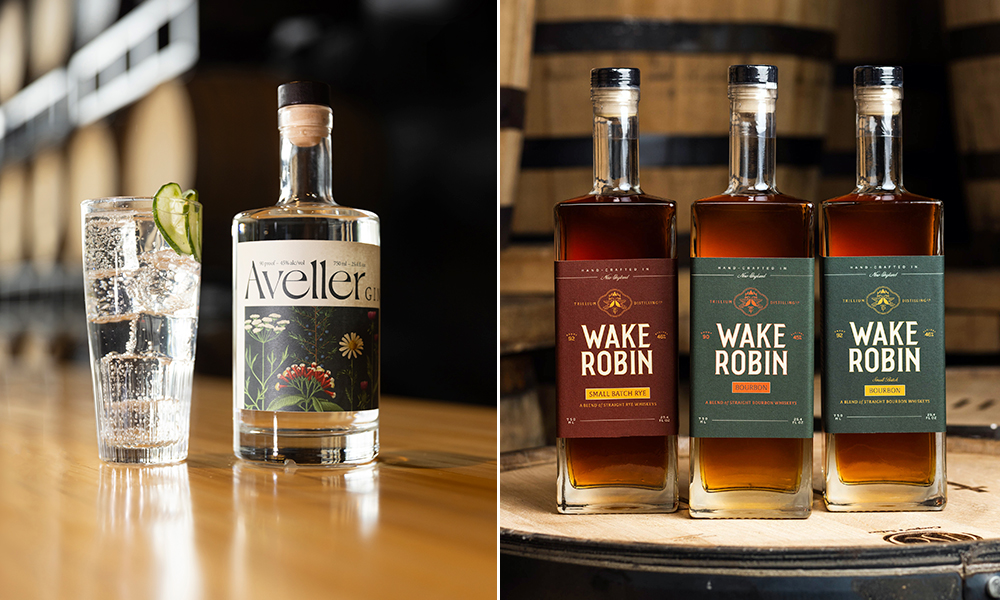
This strategic shift is not merely a reactive measure to declining sales but a logical evolution of the brewing process itself. JC Tetreault, co-founder of Boston-based Trillium Brewing, noted that the realization to expand into spirits came early in the company’s history. Established in 2013 in Boston’s Fort Point neighborhood, Trillium rose to fame during the nascent days of the New England IPA craze. Tetreault recalls observing that the brewery was already performing approximately 90% of the labor required for whiskey distillation. The foundational stage of whiskey production involves creating a "mash"—a fermented liquid derived from grains that is essentially beer without the addition of hops. By distilling this base and aging it in wooden casks, a brewery can transform its core competency into a high-margin spirit.
The Technical Synergy Between Brewing and Distilling
The transition from brewer to distiller is facilitated by a shared technical foundation. Both disciplines require expertise in grain selection, enzymatic conversion of starches to fermentable sugars, and yeast management. However, the path to a finished bottle of spirits involves significant regulatory and logistical hurdles. For Trillium, which operates four locations and a farm, the expansion required entirely separate distilling facilities and distinct licensing. Under Massachusetts law, the "Farmer-Brewery" and "Farmer-Distillery" licenses are separate entities, requiring meticulous record-keeping and physical separation of production areas.
Despite these complexities, the move allows breweries to capture a broader share of the "total beverage" market. Tetreault emphasizes that Trillium’s vision was always one of breadth rather than a narrow focus on a single style. By producing whiskey, gin, vodka, rum, and various liqueurs, the company can insulate itself against the volatility of beer trends. Furthermore, the ability to produce spirits in-house has allowed Trillium to evolve its hospitality model. The second floor of its Fort Point location now houses the Headroom Hi-Fi Cocktail Lounge, a space designed to attract a demographic that may have outgrown the traditional taproom environment or never had an interest in craft beer to begin with.
A Chronology of the Craft Hybrid Model
While the current wave of brewery-distilleries feels like a response to modern market pressures, the "hybrid" model has deep roots in the American craft movement. The chronology of this trend reveals that some of the industry’s most respected pioneers recognized the potential of spirits decades ago.
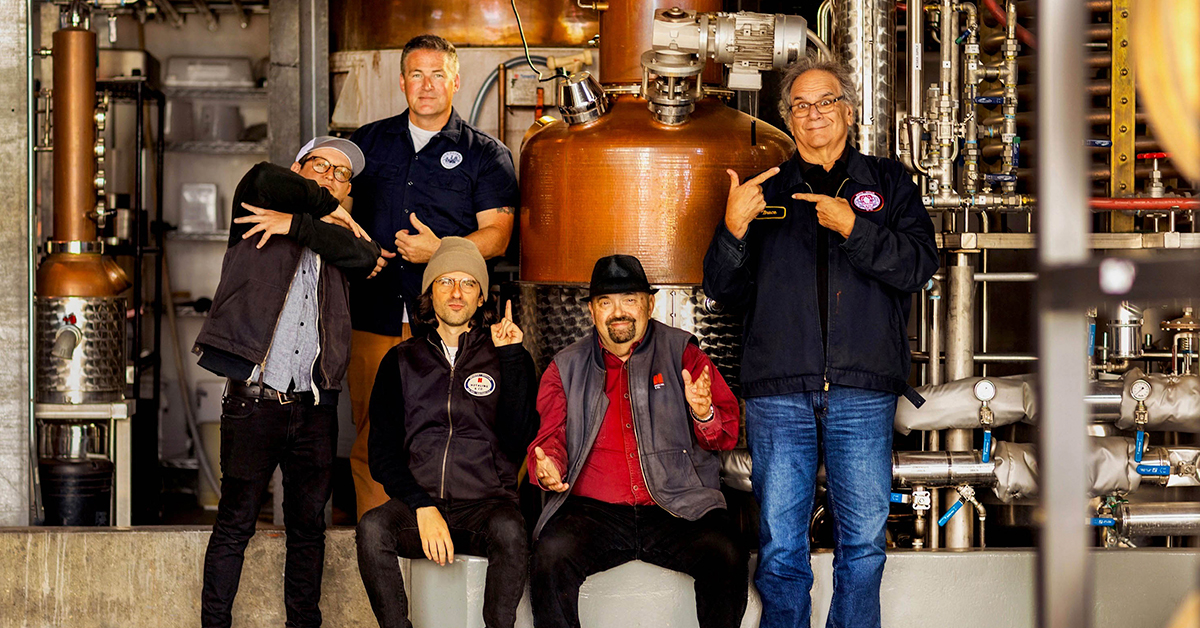
1993: Anchor Brewing Company, often cited as the progenitor of the modern craft beer movement, launched Anchor Distilling (now Hotaling & Co.). Under the leadership of Fritz Maytag, the company released Old Potrero, a single malt rye whiskey that predated the current American rye revival. Master distiller Bruce Joseph, who spent 45 years at Anchor, noted that the skills acquired as a brewer provided the essential framework for whiskey production, with the still being the only major piece of new equipment required.
2003: Oregon-based Rogue Ales & Spirits expanded into distilling, eventually becoming one of the few operations in the country to maintain its own cooperage, allowing for total control over the barrel-aging process.
2005–2006: Michigan’s New Holland Brewing and San Diego’s Ballast Point followed suit. Ballast Point’s spirits division eventually rebranded as Cutwater Spirits. The financial viability of this model was validated in 2019 when Anheuser-Busch InBev acquired Cutwater Spirits, highlighting the massive growth potential of the craft spirits and RTD sectors.
2017–Present: A new generation of "hype" breweries, including 3 Floyds in Indiana, Finback in New York, and Tree House in Massachusetts, have integrated distilling into their core identities. These brands leverage their existing cult followings to launch spirits that often mirror the flavor profiles or branding of their most famous beers.
Case Study: Tree House Brewing and the "Grain to Glass" Philosophy
Tree House Brewing Company, widely considered one of the most successful craft breweries in the world, has aggressively pursued a "grain to glass" distilling program since 2021. Headquartered in Charlton, Massachusetts, the company has utilized its massive scale to create an artful spirits portfolio. John Britton, who leads the distilling program at Tree House, brought experience from renowned operations such as St. George Spirits and Ann Arbor Distilling. Britton argues that the world’s best breweries already possess the infrastructure and talent to produce superior spirit bases.
Tree House’s approach focuses on regionality, with its Old Growth Bourbon and Rye distilled exclusively from New England grains. This commitment to local sourcing aligns with the brand’s broader identity as an agricultural and artisanal entity. Chris Conroy, Tree House’s spirits category sales manager, points out that the company has also utilized its existing canning infrastructure to enter the RTD market. By producing canned cocktails such as the Tom Collins and Paloma—using house-distilled agave spirits—Tree House is able to bridge the price and accessibility gap for consumers who might otherwise choose a competitor’s product.
Economic Implications and Market Analysis
The pivot toward spirits is supported by compelling market data. While beer production has plateaued or declined, the distilled spirits category has seen consistent growth. According to the Distilled Spirits Council of the United States (DISCUS), spirits have gained market share for 14 consecutive years, recently overtaking beer in total revenue share for the first time in history.
For a brewery, the economics of distilling offer several advantages:
- Shelf Life: Unlike hop-forward IPAs, which degrade within months, spirits are shelf-stable and often increase in value as they age.
- Premium Pricing: Spirits typically command higher price points per ounce compared to beer, offering better margins once the initial capital expenditure for stills and aging warehouses is recouped.
- Versatility in Hospitality: A brewery that produces its own spirits can offer a full cocktail menu. In many states, a brewery taproom is legally restricted to serving only what it produces on-site. By distilling, they can transform a taproom into a full-service bar, increasing the "average check" per customer.
Analysis of consumer trends suggests that the "sober-curious" movement and the rise of "lifestyle" drinking have also played a role. Younger drinkers are less loyal to specific categories; they may drink a non-alcoholic beer on a Tuesday, a THC seltzer on a Friday, and a premium gin cocktail on a Saturday. By diversifying, breweries ensure they remain relevant regardless of the specific liquid the consumer chooses.
Future Outlook for the Industry
The integration of brewing and distilling represents a maturation of the craft beverage industry. As the market for traditional beer reaches saturation, the "brewery-distillery" is becoming a new standard for sustainable growth. This model allows businesses to leverage their existing brand equity while mitigating the risks associated with a single product category.
However, the transition is not without risk. Distilling requires a different set of safety protocols—specifically regarding the handling of flammable ethanol vapors—and a significant amount of "dead capital" as whiskey sits in barrels for years before it can be sold. Nevertheless, for established players like Trillium, Tree House, and Finback, the move into spirits is an investment in longevity.
As JC Tetreault observed, the most rewarding aspect of this diversification is the ability to introduce new people to the brand. When customers visit a space like the Headroom Hi-Fi Cocktail Lounge and discover it is part of a brewery they had previously overlooked, it proves that the boundaries between beverage categories are increasingly fluid. The future of craft may not be defined by what is in the mash tun, but by how creatively that mash can be utilized across the entire spectrum of the glass.