admin
admin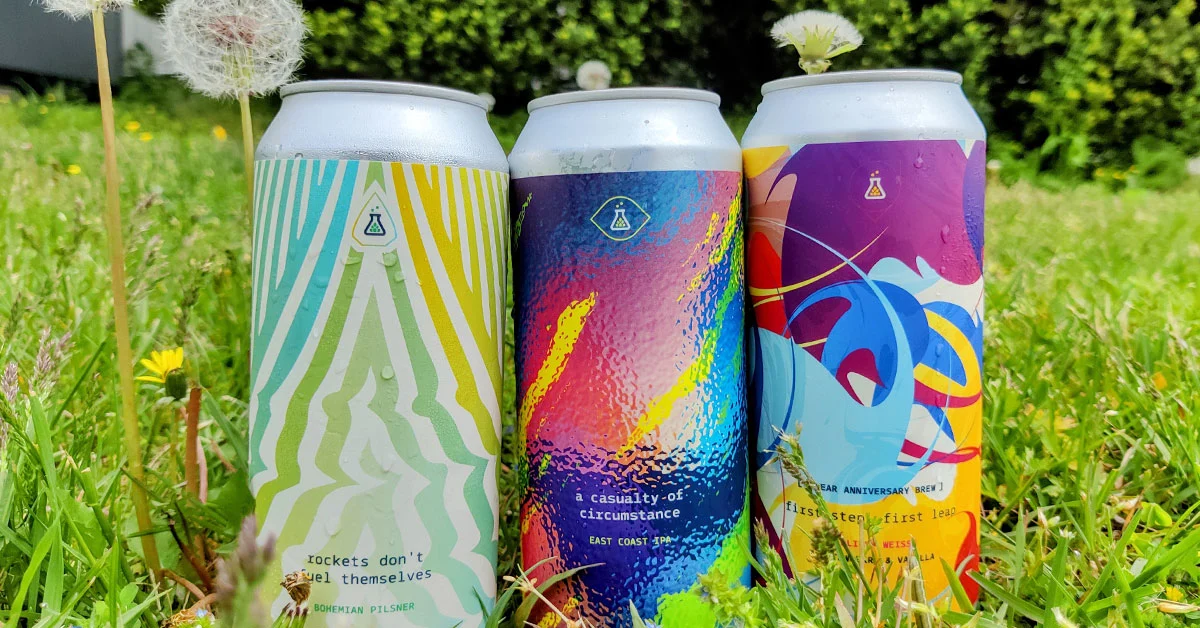
The North Fork of Long Island has long been celebrated as the Napa Valley of the East, a bucolic stretch of coastal farmland that has served as a premier destination for viticulture for over half a century. Known for its sprawling vineyards and maritime-influenced wines, the region traditionally lures thousands of New Yorkers and tourists during the summer and autumn harvest seasons. However, a significant shift in the local beverage landscape is underway. While cabernet franc and pinot blanc remain staples of the area, the eastern edge of Long Island is rapidly earning a new reputation as a hub for craft brewing, offering a sophisticated array of IPAs, pilsners, sours, and stouts that rival the prestige of the local wine industry.
This evolution is not merely a trend but a robust expansion of the region’s agricultural identity. What began as a niche market has blossomed into a primary driver of agrotourism, with craft breweries now standing as essential pillars of the North Fork’s "alcohol trail." By integrating local ingredients, scientific precision, and a collaborative spirit with the existing wine community, these breweries are redefining the North Fork as a comprehensive craft beverage destination.
The Chronological Rise of North Fork Brewing
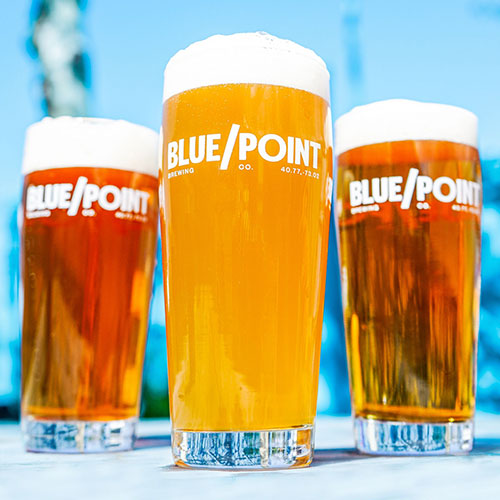
The roots of the Long Island craft beer movement can be traced back to 1998 with the founding of Blue Point Brewing Company in Patchogue. While located west of the North Fork, Blue Point served as the regional vanguard, proving that Long Island had the palate and the market for independent brewing. For nearly a decade, the craft beer scene remained quiet as the wine industry solidified its dominance.
The modern era of North Fork brewing began in earnest in 2009 with the opening of Greenport Harbor Brewing Company. Founded in a small, renovated firehouse in the village of Greenport, the brewery initially focused on small-batch production that reflected the maritime culture of the area. Its success signaled a turning point, demonstrating that tourists visiting for wine were equally interested in high-quality local suds.
Over the past decade, this growth has accelerated exponentially. The timeline of development saw the emergence of several key players:
- 2014: Twin Fork Beer Co. began its operations, bringing a musical and rhythmic approach to beer naming and branding.
- 2018: North Fork Brewing Company was established in a former firehouse in Riverhead, emphasizing a "farm-to-glass" philosophy.
- 2021: Übergeek Brewing officially opened its taproom in Riverhead, taking over the space previously occupied by Moustache Brewing, which had been a staple of the scene since 2014.
Today, the region boasts a dense network of award-winning establishments, including Jamesport Brewery, Eastern Front Brewing, and others, creating a diverse ecosystem that caters to a wide demographic of visitors.
The Pioneering Influence of Greenport Harbor
Sean Galligan, the head brewer at Greenport Harbor Brewing, has witnessed the transformation of the region firsthand. Under his leadership, the brewery has expanded from its modest beginnings to include a massive secondary location in Peconic. This second site, situated on several acres along the Main Road, features a state-of-the-art kitchen, extensive outdoor seating, and a community-focused atmosphere complete with live music and lawn games.
Galligan’s brewing philosophy is deeply rooted in the use of New York State-grown materials. His flagship offerings illustrate the versatility of the region’s ingredients:
- Harbor Ale: A citrusy American-style ale that serves as an accessible entry point for visitors.
- Otherside IPA: A West Coast-style beer characterized by its aggressive hop profile.
- Lucha Lager: An innovative brew utilizing New York State-grown wheat, enhanced with sea salt and key limes.
- Black Duck Porter: A rich, toasty dark beer that appeals to the colder-season palate.
A hallmark of the Greenport Harbor operation is its seasonal "fresh hop" program. In late August and early September, Galligan utilizes Cascade and Willamette hops harvested from Orient Point. These hops are picked in the early morning and integrated into the brew that same day, capturing the volatile oils and fresh aromatics that are lost in the traditional drying and pelletizing process.
Scientific Innovation and Existential Brewing at Übergeek
While tradition and agriculture drive much of the scene, Rob Raffa, the owner and brewmaster of Übergeek Brewing, brings a different perspective to the craft. A former student of physics and astrophysics, Raffa transitioned into brewing after years of amateur experimentation and a tenure at the now-defunct Moustache Brewing.
Raffa’s approach is characterized by rapid scaling and a unique branding strategy. Since opening his taproom in 2021, Übergeek has expanded from four fermenters to 16, with plans to double the brewhouse size to meet rising demand. The brewery’s tasting room, located in a converted warehouse, has become a cultural hub, hosting monthly concerts and various food trucks.
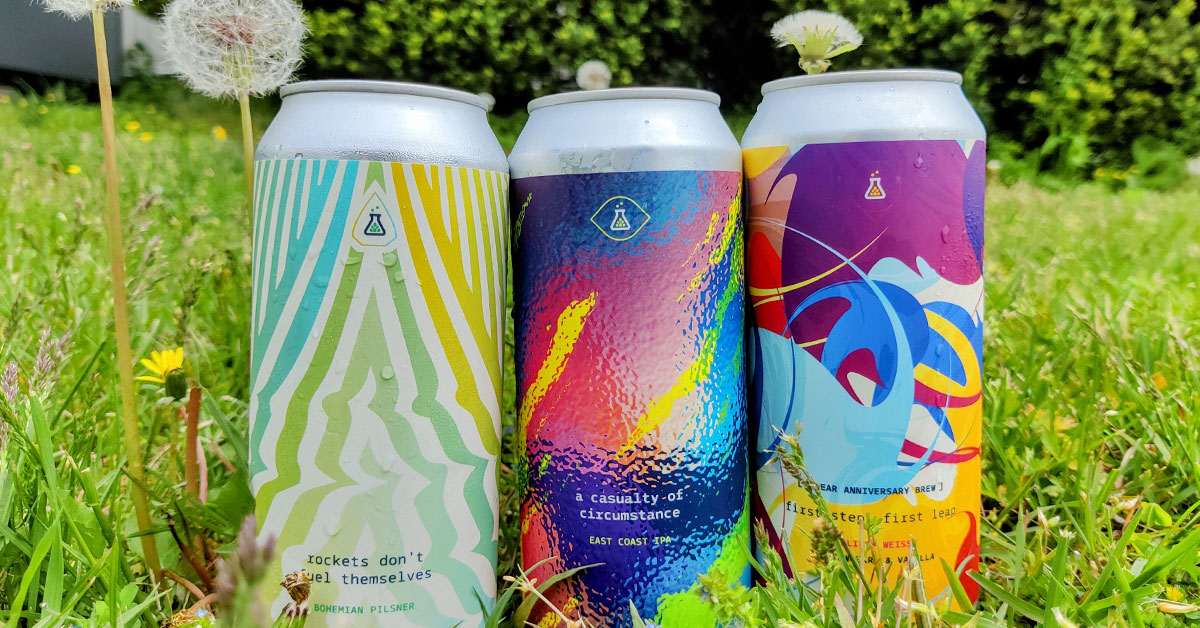
The beers at Übergeek are often named after Raffa’s "middle-of-the-night musings" and existential reflections. Notable examples include:
- A Casualty of Circumstance: A hazy East Coast IPA.
- Space Age Times, Stone Age Minds: A double IPA featuring notes of mango and pineapple.
- Flirting with Madness Has Its Benefits: A high-alcohol (8.7% ABV) hazy double IPA.
- I Thought You Liked a Challenge: A bright, juice-forward IPA that serves as the brewery’s flagship summer offering.
Raffa notes that while the North Fork is synonymous with wine, the diversification of the "alcohol trail" ensures that there is "something for everyone," making the region more attractive to large groups and diverse parties.
Symbiosis Between the Vine and the Grain
A defining characteristic of the North Fork craft beer scene is its lack of animosity toward the established wine industry. Rather than competing for the same consumer dollar, brewers and vintners have developed a symbiotic relationship. Peter Chekijian, co-founder of Twin Fork Beer Co., acknowledges that the brewing industry is "riding the coattails of the wine business," benefiting from the infrastructure and tourism patterns established by the vineyards.
This cooperation is often literal. Many local wineries now carry craft beers in their tasting rooms to accommodate guests who prefer beer over wine. Furthermore, formal collaborations have begun to bridge the gap between the two disciplines. Greenport Harbor recently collaborated with Osprey’s Dominion vineyard to create "Collaborations," a beer conditioned on Carménère grapes and fermented with wild yeast strains. The project was a critical success, winning a silver medal in the Fruit & Vegetable Beer (Sour) category at the 2024 New York State Craft Beer Competition.
The Agricultural Foundation: A Taste of Terroir
The North Fork’s success as a brewing destination is inextricably linked to its rich agricultural heritage. Peter Barraud of North Fork Brewing Company emphasizes the importance of "terroir"—the characteristic taste and flavor imparted to a product by the environment in which it is produced.
Barraud’s operation utilizes an extensive list of local partners, including:
- Peconic River Herb Farm
- Herricks Lane Farm
- CJ Van Bourgondien Greenhouses
- Lewin Farms
By sourcing niche ingredients such as ancho chiles, herbs, and local fruits, North Fork Brewing produces approximately 80 rotating varieties per year. This summer, the brewery highlighted the local harvest with a peach Golden Sour, a passion fruit-infused IPA, and a strawberry ale. This commitment to local sourcing not only supports the regional economy but also provides a distinct flavor profile that cannot be replicated by industrial breweries.
Supporting Data and Economic Impact
The growth of craft beer on the North Fork reflects a broader trend within New York State. According to data from the Brewers Association and the New York State Brewers Association, the number of craft breweries in the state has grown from under 100 in 2011 to over 500 today.
Key factors contributing to this growth include:
- The 2012 Farm Brewery Act: This legislation provided significant tax incentives and reduced licensing fees for brewers who use a specific percentage of New York-grown ingredients. This law has been instrumental in the North Fork’s ability to integrate with local farms.
- Economic Contribution: Craft brewing in New York State contributes an estimated $5.4 billion to the state’s economy annually. On the North Fork, this translates to job creation in production, hospitality, and agriculture.
- Tourism Synergy: Surveys of North Fork visitors indicate that the availability of multiple types of craft beverages (wine, beer, and spirits) increases the length of stay and the average spend per visitor.
Implications for the Future of the North Fork
The rise of the craft beer industry on the North Fork signals a permanent shift in the region’s identity. By moving away from a mono-cultural reliance on wine, the North Fork has made itself more resilient to market fluctuations and changing consumer preferences. The "alcohol trail" now offers a comprehensive experience that appeals to a younger, more varied demographic while maintaining the high standards of quality and craft that the region is known for.
As breweries like Übergeek and Greenport Harbor continue to expand their production facilities, the North Fork is poised to become a major exporter of craft beer, further elevating the profile of Long Island agriculture on a national scale. The "brewing oasis" described by Sean Galligan is no longer a hidden gem; it is a central feature of the New York craft beverage landscape, proving that grapes and grains can coexist to the benefit of the land, the economy, and the consumer.