admin
admin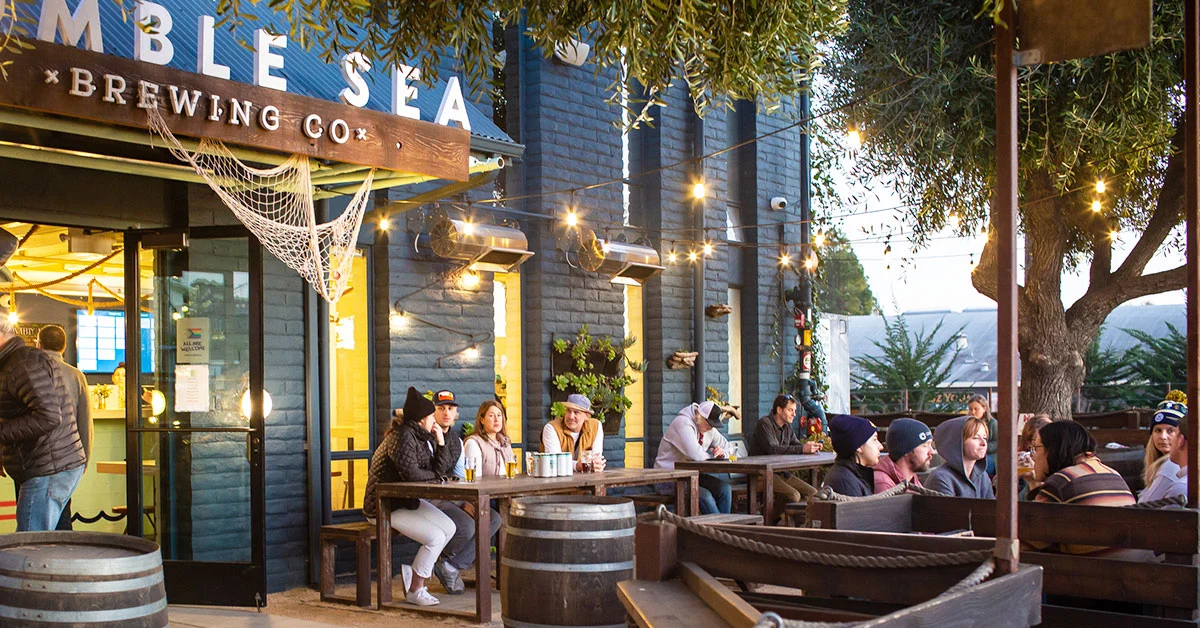
The craft brewing industry, once defined by a relentless pursuit of the "new," is currently undergoing a significant strategic recalibration as breweries attempt to balance the demands of a novelty-seeking public with the economic stability of core, flagship brands. This shift comes at a time when the American craft beer market has reached a state of maturity, with over 9,900 breweries operating across the United States, according to the Brewers Association. For established players like Sunriver Brewing in Oregon and Humble Sea Brewing in California, the journey from their founding visions to their current market positions illustrates the complex evolution of consumer preferences and the necessity of operational flexibility in an increasingly crowded marketplace.
The Evolution of Brewery Identity: From Local Pubs to Regional Powerhouses
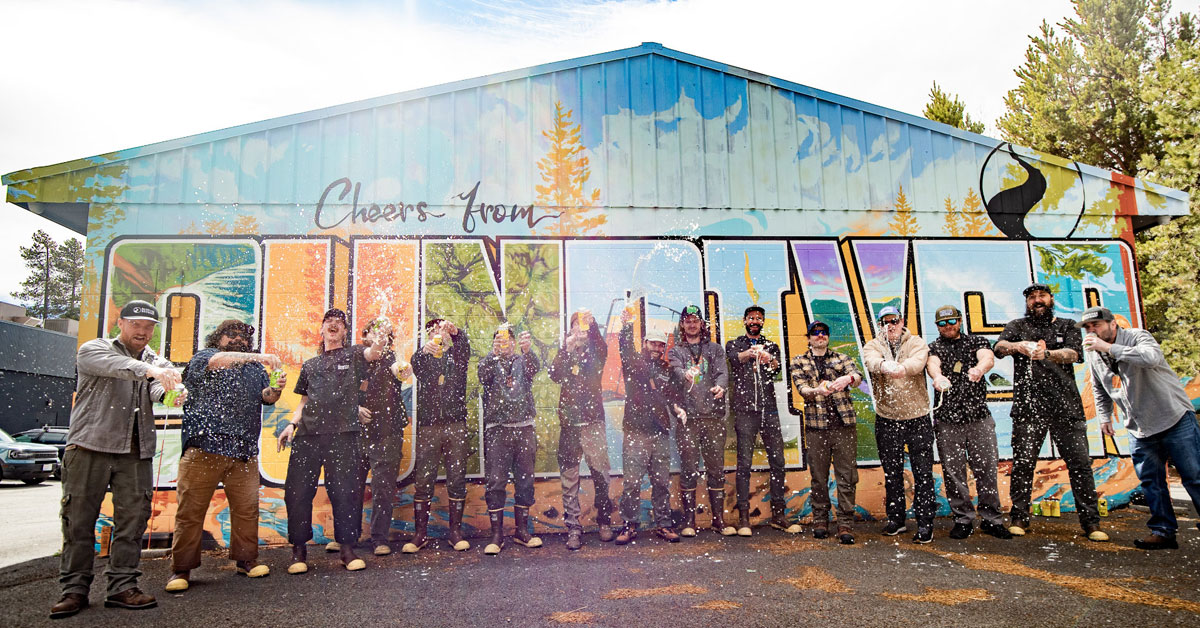
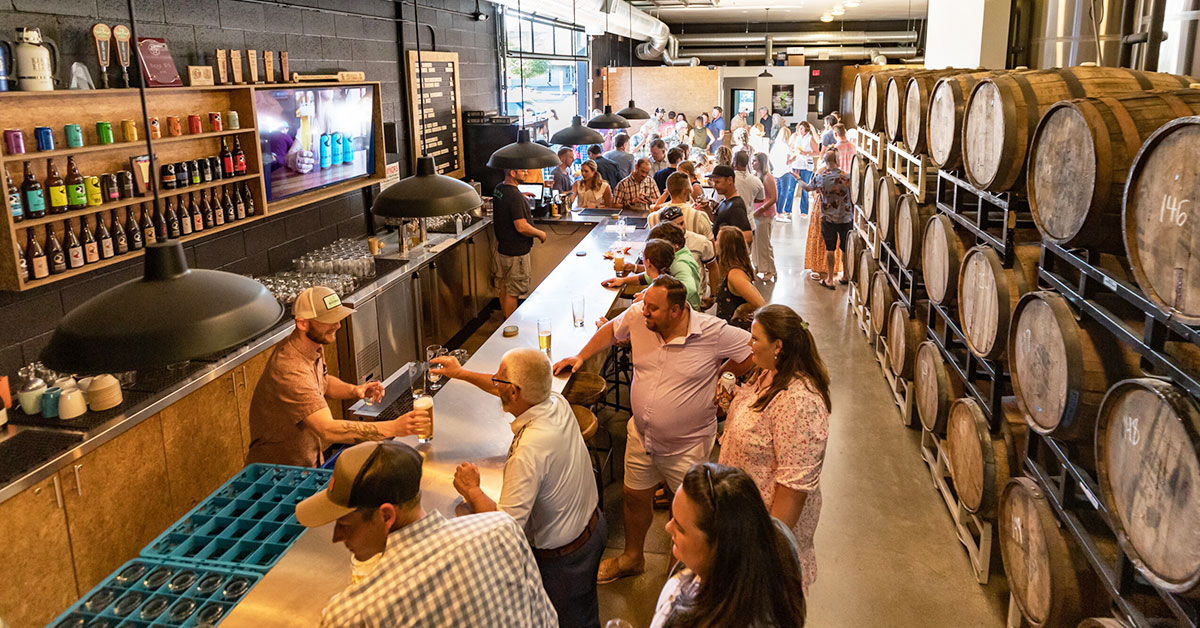
When Sunriver Brewing launched in Central Oregon in 2014, its initial mission was defined by its immediate geography. Head brewer Brett Thomas notes that the brewery’s early output was designed specifically for its primary point of sale: the brewery’s own restaurant. Located in a resort community where a permanent population of 2,000 residents can swell to 15,000 during peak tourism weekends, the brewery focused on "transient" demographics. The initial lineup reflected this, prioritizing accessible, "basic" craft styles—blonde ales, pale ales, amber ales, and stouts—that appealed to a broad, rotating audience of vacationers.
However, as the brewery matured and expanded into the wholesale market, opening additional taprooms and pubs, the "pub-oriented" model became insufficient. The brewery faced the classic "sweet but challenging spot" of craft brewing: the need to produce cutting-edge, experimental beers that satisfy "beer nerds" while maintaining a foundation of approachable styles that the general public recognizes and trusts.
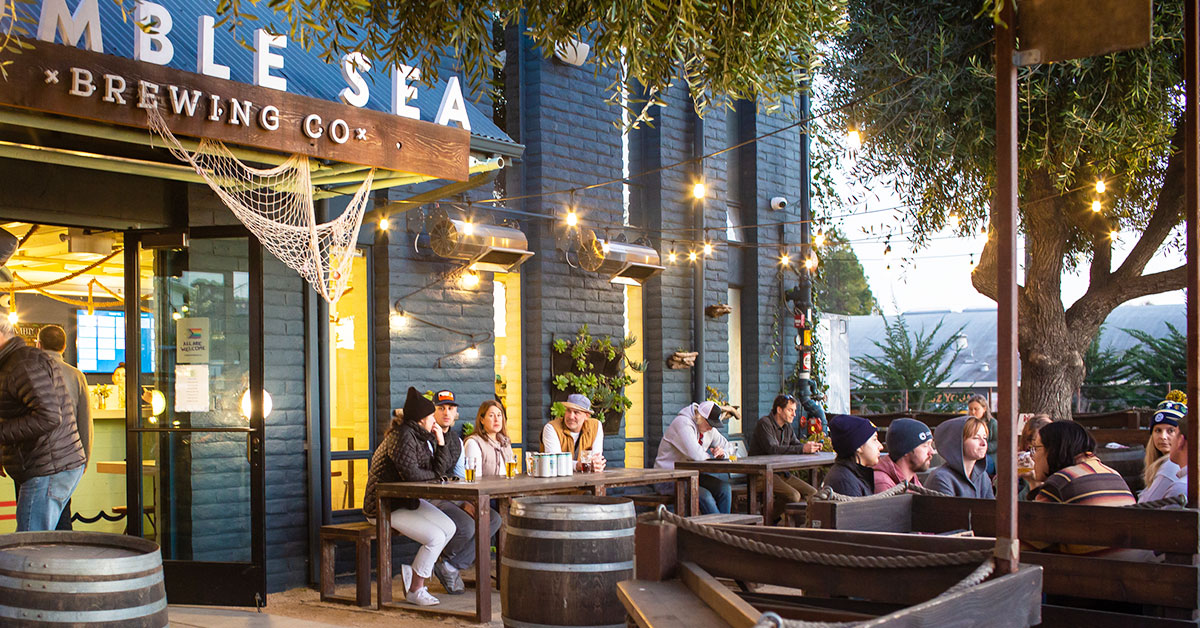
This trajectory is mirrored in the experience of Humble Sea Brewing, founded in Santa Cruz, California, in 2015. Unlike Sunriver, which began with accessible styles, Humble Sea co-founder Frank Scott Krueger admits the brewery initially intended to be a "lager-first" operation. However, the market in 2015 was not yet ready for a craft lager revolution. To ensure financial survival—or, as Krueger puts it, to "keep the lights on"—the brewery pivoted sharply into the "haze craze," leaning into hop-forward "foggy" IPAs. This strategic shift put Humble Sea on the map, with nearly 95% of their early production dedicated to the hoppy spectrum.
Strategic Pivots and the Role of Regional Demographics
The success of a modern brewery often depends on its ability to tailor its offerings to specific micro-markets. Humble Sea’s expansion has revealed distinct regional preferences that dictate production schedules. In Pacifica, West Coast IPAs remain the dominant preference. In Santa Cruz, the consumer base leans heavily toward pilsners and lagers. Meanwhile, in Alameda, the brewery caters to a "hardcore" demographic that seeks out high-gravity triple and quadruple IPAs.
This regional variance highlights a broader industry trend: the move away from a "one size fits all" portfolio. Sunriver Brewing has adopted a similar "everything for everyone" philosophy. This includes the production of craft seltzers—a category many traditional brewers once vowed to avoid—to ensure that every member of a social group finds a suitable beverage at their taprooms. Sunriver’s "Coolwater" American light lager serves the "OG" tourist demographic, while their barrel-aged and wild ale series target high-end connoisseurs.
Despite this diversification, both breweries acknowledge the continued dominance of the IPA. Brett Thomas observes that the "IPA culture" remains the bedrock of the industry, often accounting for half of the tap handles in any given venue. For a brewery to remain commercially viable, it must maintain a strong presence in the IPA category, even as it explores niche styles or alternative beverages.
The Financial Realities of Distribution and Wholesaling
The path to growth for a craft brewery is rarely linear and is often complicated by the logistical realities of distribution. Selling beer through multiple channels—direct-to-consumer taprooms, independent retailers, and large-scale wholesalers—creates what Thomas describes as "competing agendas."
Wholesalers often prioritize brand building and high-volume consistency. They seek out "hero" products that they can scale across their territory. For Sunriver, this hero product was "Vicious Mosquito," an IPA that transitioned from a standard taproom offering to a flagship brand because wholesalers recognized its marketability. Conversely, taproom operators may prioritize variety and exclusivity to drive foot traffic, while brewery owners must balance these demands against the cost of production and the desire to experiment with new recipes.
The COVID-19 pandemic served as a catalyst for many breweries to re-evaluate their distribution models. Those who relied too heavily on on-premise sales (taprooms and restaurants) faced existential threats when lockdowns occurred. Conversely, those focused solely on wholesale were vulnerable to the consolidation of the distribution tier, where a single merger or acquisition could result in a brewery’s portfolio being sidelined by a new partner.
The Return of the Flagship: Combating Innovation Fatigue
Perhaps the most significant shift in the industry over the last three years is the resurgence of the "flagship" beer. For much of the 2010s, the craft beer market was driven by novelty. Consumers frequently sought out the newest release, often checking into apps like Untappd to log a beer once and never return to it. This "release fatigue" has begun to take a toll on both brewers and drinkers.
Industry analyst and writer Jeff Alworth has noted that the power of nostalgia and the desire for reliability are bringing consumers back to mainstay brands. Earlier generations of craft breweries, such as Sierra Nevada with its Celebration Ale or Guinness with its iconic stout, have maintained relevance through their flagships. Newer breweries are now realizing that a steady, recognizable product is essential for long-term brand health.
For Humble Sea, this realization came through their "Socks & Sandals" Foggy IPA. While they never set out to be a "core beer" brewery, the consumer demand for a reliable, familiar product forced their hand. Today, having established trust with their audience through their hoppy offerings, Humble Sea has been able to return to its original passion: lagers now account for 30% of their production, a significant increase from their early days.
Sunriver’s experience with "Vicious Mosquito" reinforces this. Thomas notes that many consumers may not know the brewery’s full range, but they know and love that specific IPA. "It’s really the beer that built our brand, and we treat it as such," he says. This acknowledgment marks a departure from the "constant innovation" model toward a more sustainable "anchor" model.
Supporting Data and Market Implications
The data supports this shift toward a more balanced portfolio. According to market research from Circana (formerly IRI), while total craft beer volume has seen fluctuations, the "Easy-Drinking" category—which includes lagers, pilsners, and blonde ales—has shown resilience. Furthermore, the IPA category, while still the largest by volume, has seen a fragmentation where "Sub-IPAs" (session IPAs and cold IPAs) are gaining ground as consumers seek lower-alcohol, more repeatable options.
The economic implications of this shift are profound. Producing a constant stream of new, small-batch releases is significantly more expensive than brewing large, consistent batches of a flagship. Each new beer requires unique label design, TTB (Tax and Trade Bureau) approval, raw material sourcing, and marketing efforts. In an era of rising aluminum, grain, and energy costs, the efficiency of a flagship brand provides a necessary financial cushion that allows for experimental "passion projects" to exist.
Broader Impact and Future Outlook
The stories of Sunriver and Humble Sea are representative of a "coming of age" for the second and third waves of American craft brewing. The industry is moving away from the chaotic experimentation of its youth toward a more mature, disciplined approach to business.
This evolution does not signify the death of innovation. Rather, it indicates a more strategic application of it. Modern breweries must now operate on two tracks: maintaining a "reliable" track for the casual consumer and the wholesale market, and an "exploratory" track for the dedicated enthusiast.
The broader impact on the consumer is a market that offers the best of both worlds: the comfort of a consistent flagship and the excitement of a seasonal release. For breweries, the lesson of the last decade is clear: while "the next new thing" might put a brewery on the map, it is the "reliable old thing" that keeps the lights on and allows the brand to endure. As the industry continues to navigate a post-pandemic economy and shifting consumer tastes, the ability to find and maintain this equilibrium will be the primary differentiator between those who survive and those who fade away.