admin
admin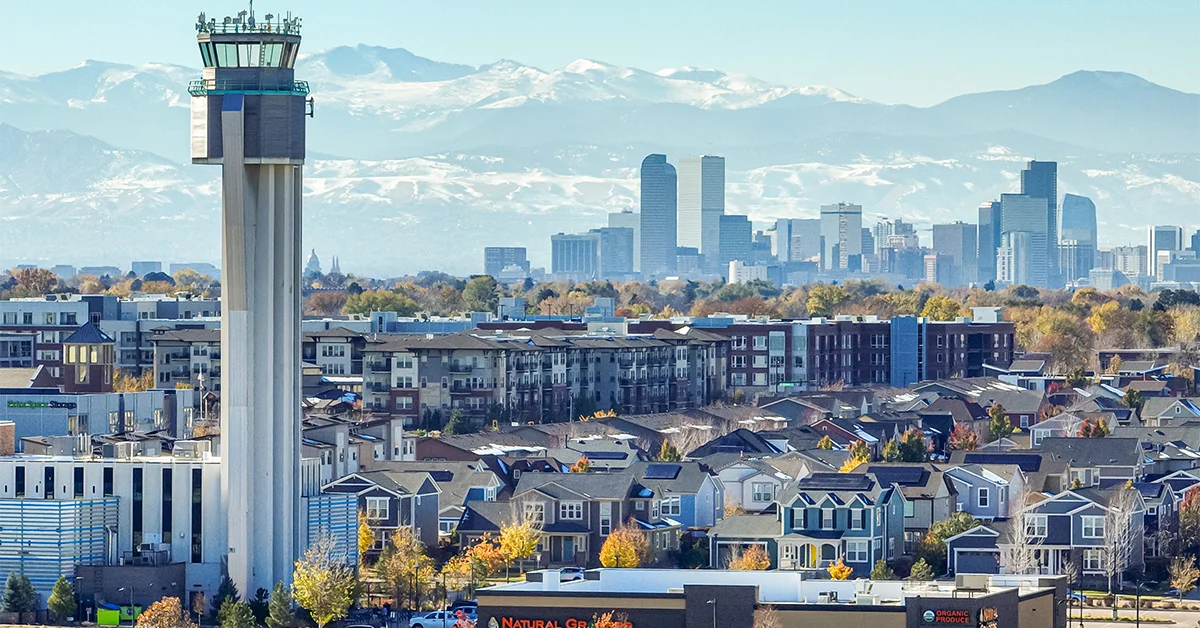
The logistics of seasonal craft brewing often rely on refrigerated freight and precise supply chain management, but for Denver-based FlyteCo Tower, the process involves a four-seater RV-10 aircraft and a high-stakes flight path over the Rocky Mountains. At 6:32 a.m. on a late August morning, Eric Serani, co-founder and president of FlyteCo, issued a status update that underscored the volatility of this annual tradition: “Ugh, looks like the clouds aren’t going away.” This communication, sent from Erie Municipal Airport, signaled a delay in what has become one of Colorado’s most unique agricultural and aeronautical collaborations: the fresh hop flight to Billy Goat Hop Farm in Montrose.
Since its inception in 2019, FlyteCo has conducted this annual pilgrimage to harvest "wet hops"—unprocessed hop cones that must be added to the brewing kettle within 24 to 48 hours of being picked. While most breweries rely on overnight shipping or local truck transport, FlyteCo utilizes its founders’ aviation expertise to bridge the 175-nautical-mile gap between the Western Slope’s hop fields and the Denver brewhouse. However, the 2025 season has proven to be the most challenging in the company’s history, highlighting the delicate balance between meteorological conditions, agricultural cycles, and the uncompromising demands of the brewing process.
The Technical Challenges of Fresh Hop Aviation
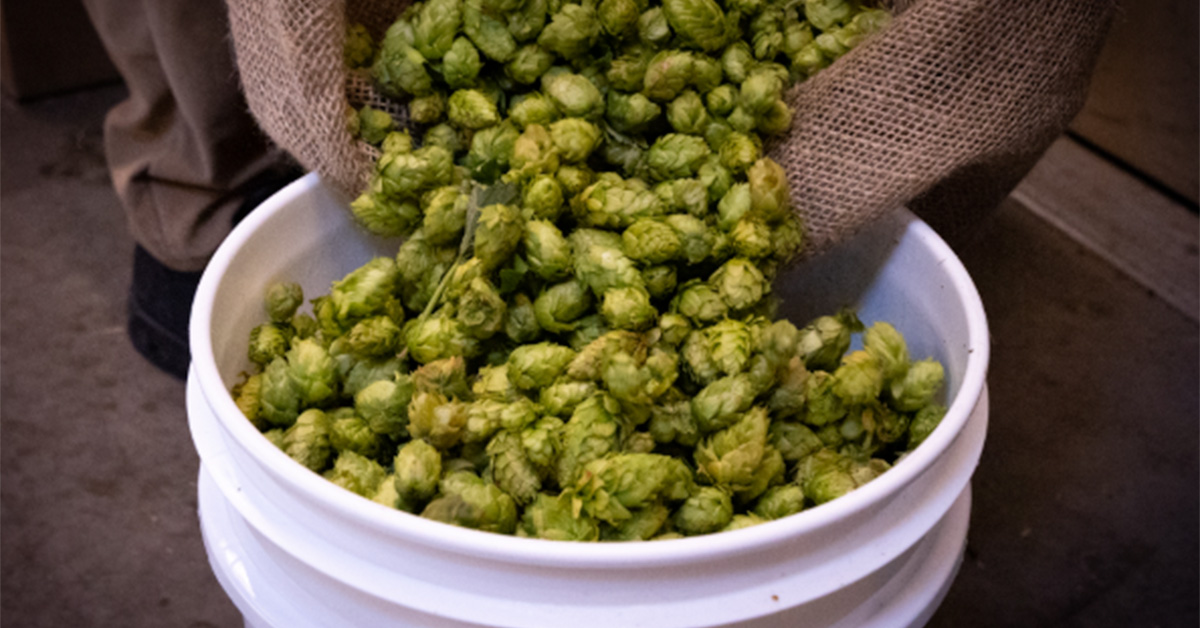
The production of fresh hop ale, specifically FlyteCo’s "Hop Is My Co-Pilot" IPA, is an exercise in extreme timing. Unlike pelletized hops, which are dried and stabilized for year-round use, fresh hops are 80% water and begin to degrade immediately upon harvest. To capture the vibrant, resinous, and grassy aromatics unique to this style, the transit time must be minimized.
Serani, a certified flight instructor who earned his pilot’s license at age 17, navigates a Van’s Aircraft RV-10 for the mission. The flight requires crossing the Continental Divide at altitudes ranging from 11,000 to 13,000 feet. The journey from Erie to Montrose takes approximately 90 minutes, a fraction of the five- to six-hour drive required by ground transport. Despite the speed advantage, the mission is entirely dependent on Visual Flight Rules (VFR) conditions. In 2025, persistent cloud cover and shifting harvest windows forced multiple postponements, from Monday to Wednesday and eventually beyond the viable harvest window.
“The harvest—they don’t know when that’s going to be until a few weeks ahead of time,” Serani noted. “The weather for the flight, we don’t know for sure until the day of.” When the flight is a go, the coordination is military in its precision. As the plane touches down in Montrose, the brewing team in Denver begins the mash-in process. By the time the aircraft returns to the Front Range with 20 to 100 pounds of Chinook, Cascade, or Nugget hops, the wort is ready for the kettle.
A Legacy of Flight: From Stapleton to FlyteCo Tower
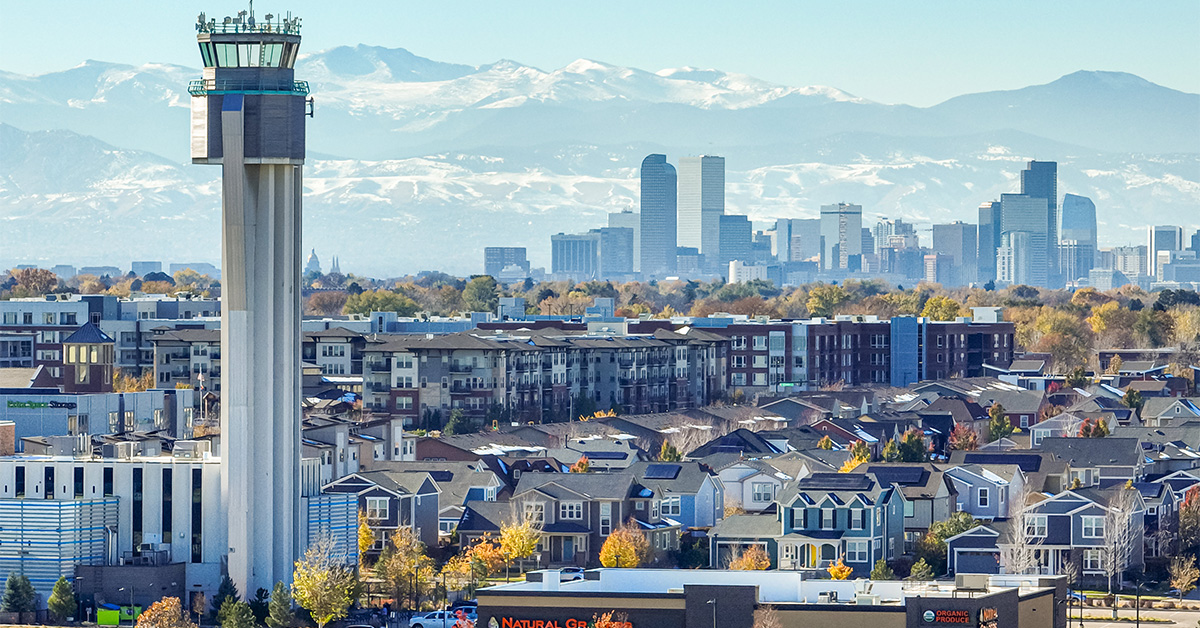
The brewery’s commitment to aviation is not merely a marketing aesthetic; it is rooted in the history of its location and the personal backgrounds of its founders. FlyteCo Tower operates out of the former air traffic control tower of Stapleton International Airport, which served as Denver’s primary aviation hub from 1929 until its closure in 1995.
At its peak, Stapleton was the world’s sixth-busiest airport, a vital link for United Airlines and Continental Airlines. When operations transitioned to Denver International Airport (DIA) in 1995, the Stapleton site underwent a massive urban redevelopment, becoming the Central Park neighborhood. The iconic 11-story control tower remained a vacant landmark until it was repurposed as an entertainment complex, with FlyteCo Tower taking occupancy in 2022.
The founders, Serani and Jason Slingsby, met while studying at the University of Colorado Boulder. Serani brought a background in aerospace engineering and a tenure at Boeing, while Slingsby specialized in chemical engineering. This combination of disciplines allowed them to approach brewing with a focus on technical precision. After finding success at their original Tennyson Street location, which opened in 2019, the opportunity to move into the Stapleton tower represented a full-circle moment for the team.
Preservation and Education: The Tower as a Living Museum
Under the stewardship of FlyteCo, the air traffic control tower has evolved into a site of historical preservation. The company employs an in-house historian, Sean Henson, who conducts tours that detail Colorado’s contributions to flight. These tours serve as a chronological journey through aviation milestones, including:
- 1910: Louis Paulhan’s historic flight in Denver, which proved that aviation was possible at high altitudes, defying contemporary skepticism.
- 1954: The establishment of the Stanley Aviation Manufacturing Plant in Aurora, where Bob Stanley pioneered the development of airline ejection seats.
- Civil Rights in Flight: The legacy of Marlon Green, the African American pilot whose landmark Supreme Court case in 1963 paved the way for minority pilots in commercial aviation.
- Gender Milestones: The career of Emily Howell Warner, a Denver local who became the first woman to be hired as a pilot by a major U.S. commercial airline (Frontier) in 1973.
The brewery’s interior serves as a repository for aviation memorabilia, much of it donated by the local community. This connection to the past informs the brewery’s philanthropic efforts; FlyteCo donates 10% of its profits to aviation-themed initiatives, including the Experimental Aircraft Association’s (EAA) Young Eagles program, which provides youth with their first flight experiences to encourage careers in STEM and aeronautics.
Economic and Operational Shifts in Craft Brewing
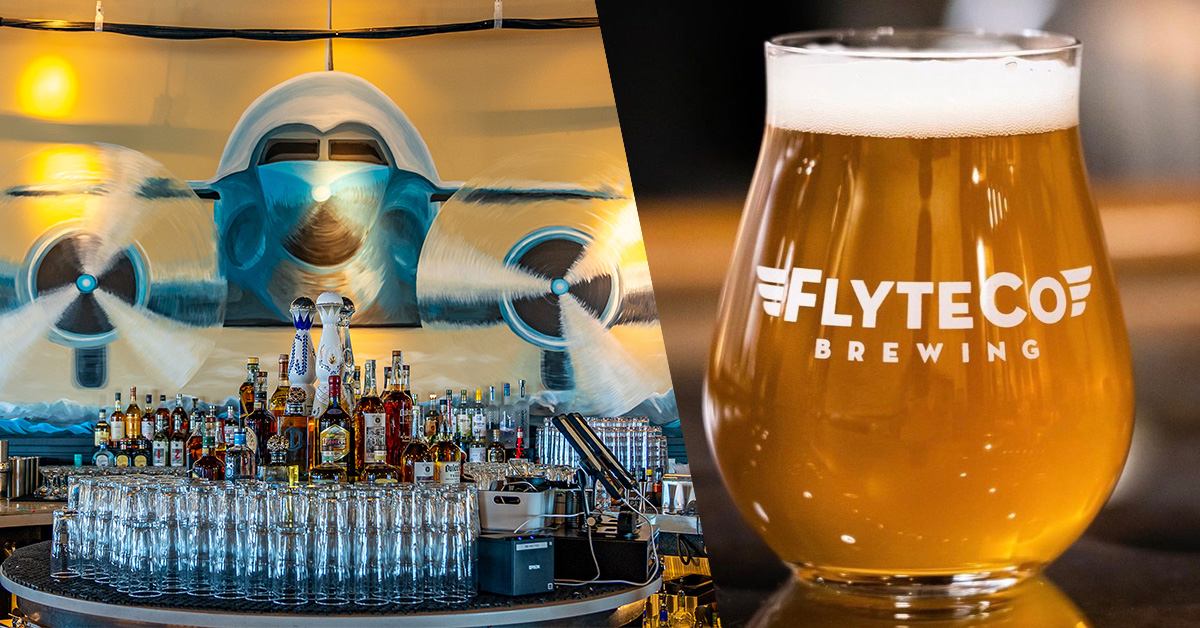
The story of the "Hop Is My Co-Pilot" IPA also reflects broader trends in the craft beer industry. In 2025, FlyteCo closed its original Tennyson Street location to consolidate operations at the Tower. To maintain its flagship production, the company entered into a partnership with Copper Kettle Brewing Company to handle large-scale brewing of its core brands. This allows the 2.5-barrel system at the Tower to function as a "pilot house" for experimental batches and highly seasonal offerings like the fresh hop IPA.
The decision to maintain the hop flight, despite it being economically inefficient, is a strategic choice focused on brand identity. Morgan O’Sullivan, a co-founder of FlyteCo, admitted that the fuel costs often exceed the market value of the hops themselves. "There’s no practicality to the event whatsoever," O’Sullivan stated. "We do it because we’re passionate about it."
This "passion project" approach is increasingly common in an industry where breweries must differentiate themselves through experiential offerings. The FlyteCo Tower has transitioned into a comprehensive "eatertainment" venue, featuring bowling alleys, arcade games, mini-golf, and axe throwing. This diversification helps insulate the business from the volatility of the craft beer market while providing a platform to share their aviation mission with a wider audience.
The 2025 Grounding and Future Outlook
For the first time in six years, the 2025 fresh hop flight was officially grounded. The convergence of unfavorable weather patterns and the conclusion of the harvest window meant that the hops had to be shipped via traditional overnight methods rather than delivered by the brewery’s own aircraft. While the beer will still be produced, the "miracle" of the airborne delivery was absent this season.
The inability to fly in 2025 serves as a reminder of the limitations of human endeavor against natural forces—a theme often discussed in aviation training. For Serani and his team, the setback is a minor course correction in a long-term flight plan. The focus remains on 2026 and the continued effort to inspire the public through the lens of aviation history.
As the craft beer industry continues to mature, the survival of independent breweries often depends on their ability to create a community-centric narrative. FlyteCo Tower’s integration of local history, technical engineering, and agricultural tradition provides a blueprint for how modern taprooms can serve as more than just points of consumption. They are becoming cultural hubs that preserve the past while investing in the future of the industries—both brewing and aviation—that define them.
The absence of a 2025 flight does not diminish the brewery’s standing; rather, it reinforces the authenticity of the endeavor. In aviation, as in brewing, the most valuable lessons are often learned when conditions are less than ideal. As the team at FlyteCo Tower looks toward the next harvest, they remain committed to the idea that the journey—whether by air or by pint—is as significant as the destination.