admin
admin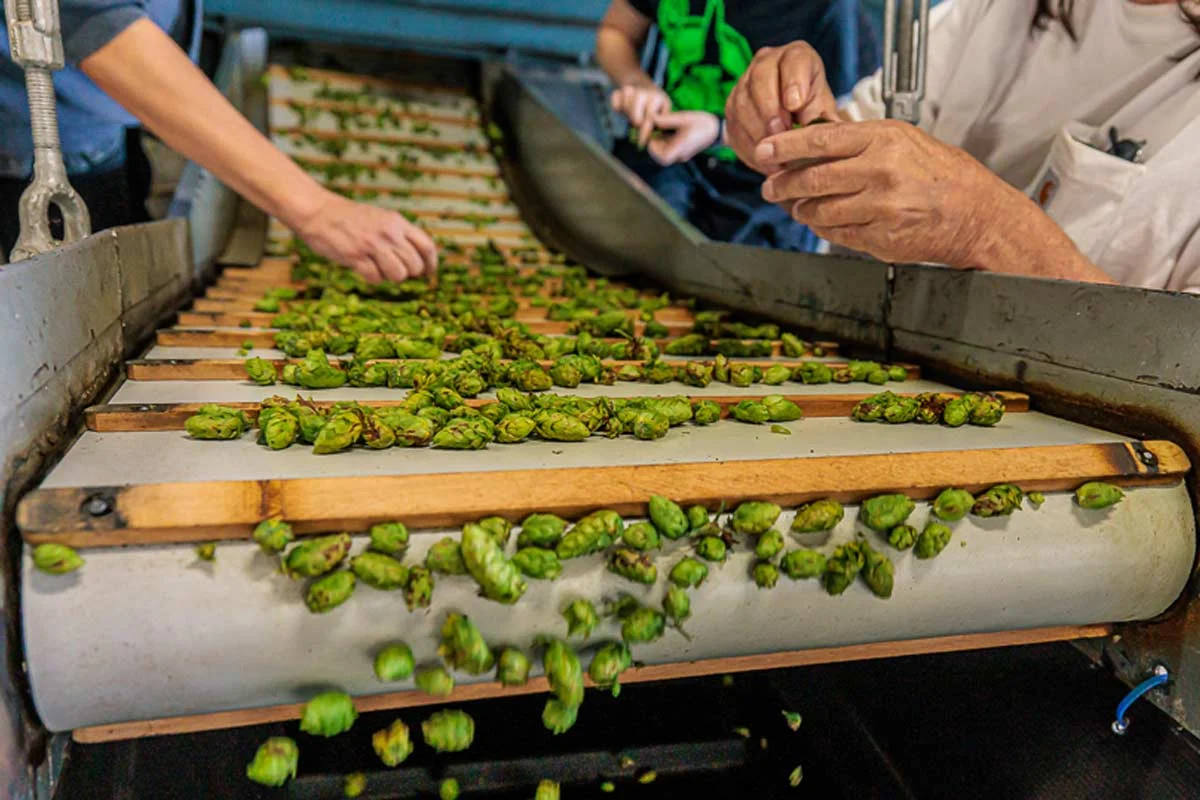
Michigan currently stands as the undisputed leader of hop production in the Great Lakes region and holds the fourth-highest ranking for total hop acreage in the United States, trailing only the Pacific Northwest giants of Washington, Oregon, and Idaho. While the industry is often publicly defined by its expansive trellises and the prominent breweries that consume the harvest, a significant portion of its foundational success is driven by women. From greenhouse propagation and integrated pest management to harvest orchestration and land stewardship, women are the primary architects of Michigan’s hop resurgence, though their contributions have historically remained behind the scenes.
The state’s ascent in the hop industry is not accidental; it is the result of a unique intersection of geography, glacial history, and specialized expertise. As the craft brewing industry continues to evolve, the roles played by women in Michigan are becoming increasingly visible, challenging traditional industry perceptions and establishing a distinct identity for Michigan-grown hops on the global stage.
The Geography of the 45th Parallel and Glacial Legacy
The cultivation of Humulus lupulus, or the hop plant, requires a specific set of environmental conditions that are rarely found in perfect balance. Hops are photoperiod-sensitive, meaning they require long, sunny days to produce the resinous cones used in brewing. The ideal "sweet spot" for these conditions is located along the 45th parallel north, a line of latitude that cuts directly through the heart of Michigan’s prime agricultural land.
Beyond daylight, the hop plant is notoriously selective regarding its "feet." While the plants require significant hydration, they are highly susceptible to root rot in oversaturated conditions. Michigan’s unique pedology, shaped by the retreat of glaciers during the last Ice Age, provided the solution. The resulting well-drained, sandy-loam soils offer the drainage necessary for hop roots to thrive without becoming waterlogged. Furthermore, the state’s harsh winters provide the necessary period of vernalization, or cold-induced dormancy, which allows the plants to reset for the following growing season.
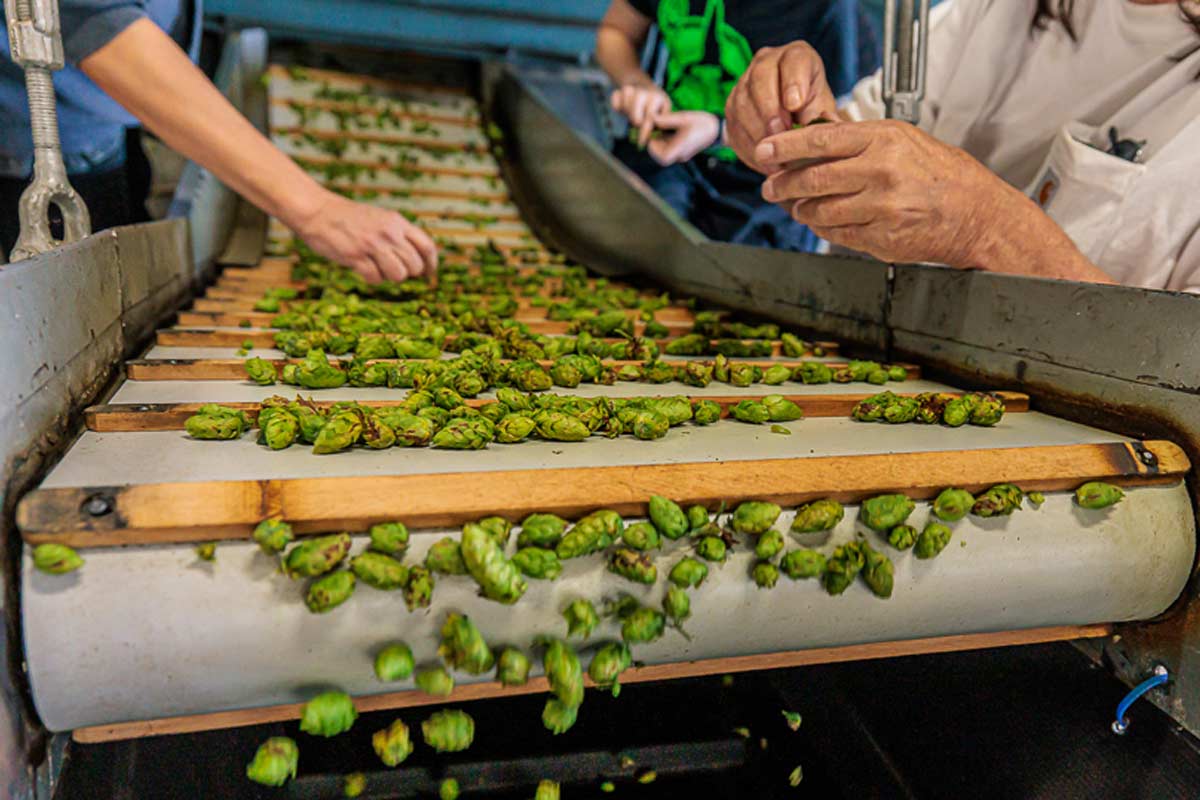
Unlike grapes, which grow on vines using tendrils for support, hops grow on bines. Bines utilize stiff, downward-pointing hairs along their stems to wrap clockwise around twine. In a single Michigan summer, these bines can rise more than 20 feet, growing several inches in a single day during the peak of the solstice. This rapid growth requires constant monitoring and physical intervention, a task that demands both strength and technical precision.
Institutional Support and Integrated Pest Management
The revitalization of the Michigan hop industry, which had largely disappeared after the early 20th century due to disease and Prohibition, would not have been possible without the scientific framework provided by Michigan State University (MSU). Central to this effort is Erin Lizotte, MSU’s integrated pest management (IPM) coordinator and senior statewide educator.
Lizotte’s work is critical to the economic viability of Michigan farms. Because Michigan’s climate is more humid than that of the Yakima Valley in Washington, growers face unique pressures from downy mildew, powdery mildew, and various pests such as potato leafhoppers and two-spotted spider mites. Lizotte provides the research-backed data necessary for growers to navigate chemical approvals, diagnose emerging diseases, and adapt to shifting climate patterns. Her collaboration with the MSU Plant and Pest Diagnostics lab ensures that farmers are not making "blind" decisions, but are instead utilizing precise, lab-verified strategies to protect their yields.
The Foundation of Growth: Greenhouse Propagation
Before a hop bine ever reaches a trellis, it begins its life in a controlled environment. Julie Kane of Sandy Ridge Farms in Zeeland, Michigan, has become one of the state’s most vital propagators. With over two decades of experience in the greenhouse industry, Kane transitioned into specialized hop propagation in 2008 as the craft beer boom began to take hold.
Kane’s work centers on the "Clean Plant" protocol. Starting with virus-free mother plants sourced from the National Clean Plant Network, she maintains a rigorous sanitation environment to prevent the spread of hop latent viroid and other pathogens that can devastate an entire industry. Her expertise has become a safeguard for the state’s agricultural investment.
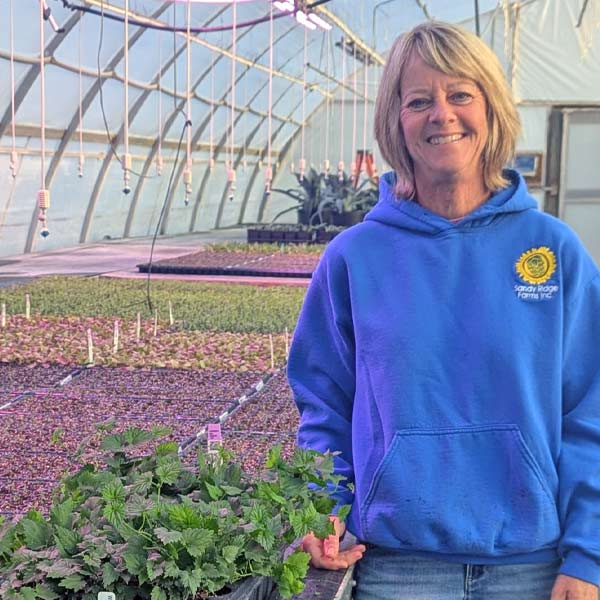
The challenges Kane faces are increasingly tied to climate volatility. During recent summer heatwaves, greenhouse temperatures have soared above 100 degrees Fahrenheit, requiring advanced cooling techniques, increased fungicide applications, and precise irrigation management to prevent crop failure. Kane’s success in maintaining quality starter stock under these conditions has earned her a reputation that has broken through the initial gender barriers of the male-dominated agricultural sector.
Stewardship and the Sensory Science of the Harvest
At the commercial brewing level, the integration of hop farming and beer production is exemplified by the team at Bell’s Brewery in Comstock. Bonnie Steinman, a veteran horticulturist and pest management professional, serves as the brewery’s land steward. Alongside her colleague Elizabeth Mullins, Steinman oversees a two-and-a-half-acre hop yard that serves as both a production site and a center for agricultural education.
Steinman’s approach to hop farming is rooted in sensory analysis. Under the mentorship of industry veterans like John Mallett, she developed a methodology that prioritizes the "rub and smell" technique over purely mechanical data. By monitoring the transition of aromas—from grassy and vegetative to fruity, and finally to the resinous, "sticky" stage—Steinman determines the precise window for harvest.
This stewardship extends to the "Hideaway," a lush gathering space within the Bell’s hop yard designed to immerse visitors and industry professionals in the sensory experience of the bines at their peak. This initiative, inspired by Oregon’s TopWire Hop Project, aims to bridge the gap between the raw agricultural product and the final consumer. Steinman and Mullins also actively mentor members of the Pink Boots Society, ensuring that the next generation of women in the beverage industry has direct access to the agricultural side of the business.
Engineering and Quality Control in the Yard
The transition from a small-scale farm to a high-yield commercial operation requires a level of logistical precision often found in manufacturing. Mel Trowbridge of Top Hops Farm in Goodrich brought her 40-year career as an automotive engineer and quality control specialist to the field.
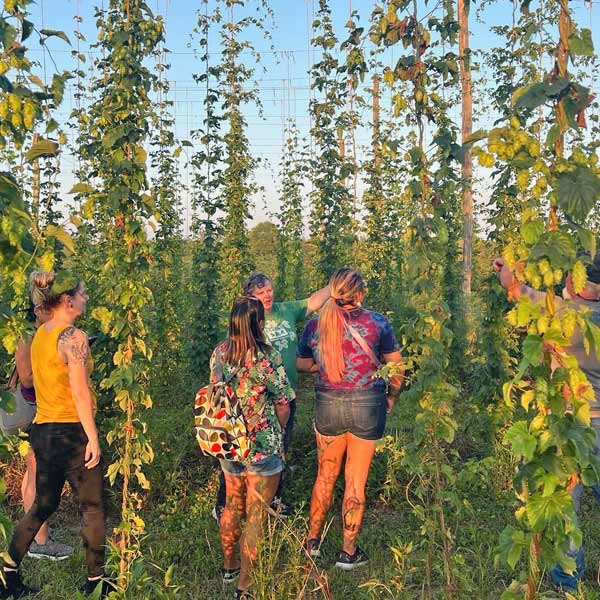
Trowbridge has implemented a process-driven structure at Top Hops, where every workday ends with a team debrief to analyze operational successes and failures. During the harvest—a period Trowbridge describes as "wrestling a jungle"—her role is that of an orchestrator. She manages the delicate balance of labor scheduling, machinery maintenance, and timing, ensuring that the bines are processed at the moment of peak lupulin maturity. Her application of "lean manufacturing" principles to agriculture has resulted in a highly efficient, quality-focused operation that serves as a model for independent growers.
Defining the Michigan Chinook Identity
A central goal for Michigan’s female hop leaders is the establishment of a unique regional brand. Rose Stahl, co-owner of Mr. Wizard’s Hops in Monroe, has been instrumental in this effort through her work with the "Chinook Cup." This annual competition, hosted by the Hop Growers of Michigan, evaluates the best Chinook harvests in the state.
While the Chinook variety is grown extensively in the Pacific Northwest, the Michigan-grown version has developed a distinct "terroir." Michigan Chinooks are frequently noted for their notes of pineapple and citrus, with a cleaner finish and less of the aggressive pine and resin characteristics found in Western crops. This flavor profile has made Michigan Chinook a sought-after ingredient for brewers looking to create nuanced, fruit-forward IPAs.
Stahl’s journey into the industry was born of necessity; after a catastrophic flood destroyed their corn crop, she and her husband John pivoted to hops on the suggestion of their son, who worked at Short’s Brewing. A decade later, Stahl remains a pillar of the community, helping to organize trade shows and advocacy events that keep Michigan hops competitive in a contracting global market.
Economic Realities and the Invisible Labor
Despite the successes, the industry faces significant headwinds. Market contraction, labor shortages, and the high cost of specialized harvesting equipment have forced many small growers to scale back or exit the market. Amy Tennis of the Michigan Hop Alliance highlights that on many family farms, women handle the "double shift"—working full-time jobs off-farm while managing the administrative, financial, and manual labor requirements of the hop yard in the evenings.
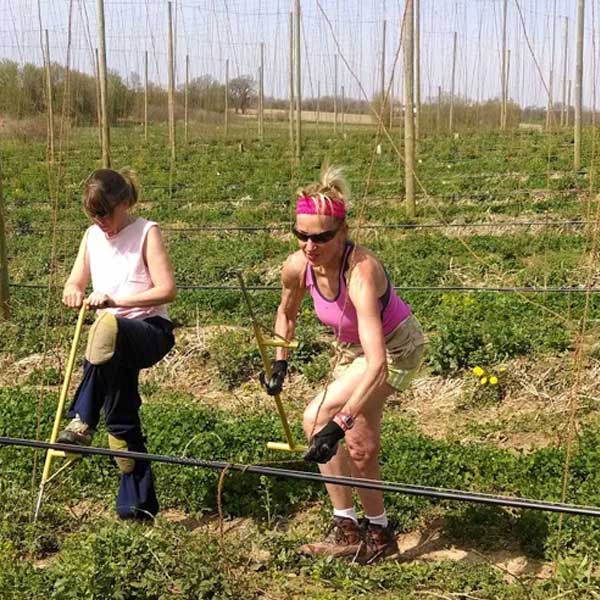
Tennis emphasizes that women are often the ones handling the books, applying for agricultural grants, managing irrigation schedules, and organizing the fundraisers that keep the industry afloat. This "unseen" labor is the glue that holds many independent operations together during lean years.
Analysis of Implications and Future Outlook
The rise of women in Michigan’s hop industry represents more than a shift in demographics; it signifies a move toward a more holistic and scientifically rigorous approach to agriculture. The integration of engineering, greenhouse science, and sensory stewardship has allowed Michigan to carve out a high-value niche in a market often dominated by sheer volume.
As climate change continues to alter traditional growing zones, Michigan’s position on the 45th parallel, supported by the research of experts like Erin Lizotte and the propagation skills of leaders like Julie Kane, places the state in a resilient position. The future of the industry likely depends on the continued visibility of these women, whose work ensures that when a consumer sees "Michigan Hops" on a label, it serves as a mark of quality, sustainability, and regional pride.
By moving from the background to the forefront, the women of Michigan’s hop farms are not only driving the state’s agricultural economy but are also redefining what it means to be a farmer in the 21st century. The Michigan hop story is still being written, but its most important chapters are currently being authored by those who have mastered the art and science of the bine.