admin
admin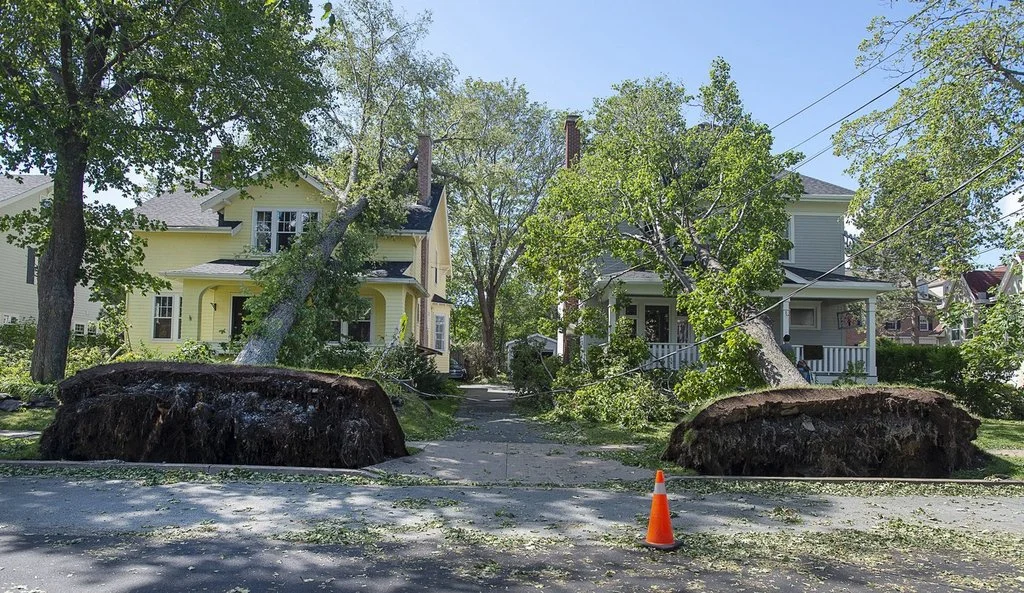
The Maritimes region is experiencing a hurricane season unlike any in recent memory, characterized by an unusual absence of tropical cyclone activity in the Atlantic basin. This remarkable quietude persists despite the passing of September 10, the climatological peak of the Atlantic hurricane season, and is largely attributed to the profound influence of a burgeoning "super El Niño" event in the Pacific. While the lack of direct hurricane threats offers a temporary reprieve for residents and emergency services, experts caution that the broader context of climate change continues to elevate risks from other extreme weather phenomena, as recently evidenced by severe flooding in Cape Breton.
The Unfolding Anomaly in the Atlantic
As of recent assessments, no hurricane has yet formed in the Atlantic basin, marking a historical dry spell for tropical cyclone development. Ian Hubbard, a meteorologist with the Canadian Hurricane Centre, highlighted the extraordinary nature of this season, stating, "Right now, we’re going the longest we’ve gone in about 75 years without a hurricane forming yet. It was 1941, the last time we went this amount of time in the Atlantic hurricane season without a storm actually becoming a hurricane… and that is due, in part, to effects of El Niño." This comparison underscores the rarity of the current situation, pushing the region into a meteorological epoch not seen in generations.
The Atlantic hurricane season officially spans from June 1 to November 30. Typically, an average season witnesses approximately 14 named storms, with about seven reaching hurricane strength. However, the current season has seen only five named storms to date, a stark deviation from these historical averages. This dramatic reduction in activity is a direct consequence of atmospheric conditions fostered by the powerful El Niño phenomenon.
Understanding the Super El Niño Phenomenon
The term "El Niño" refers to a climate pattern characterized by the unusual warming of surface waters in the central and eastern tropical Pacific Ocean. It is one phase of the El Niño-Southern Oscillation (ENSO), a recurring climate pattern involving changes in the temperature of waters in the central and eastern tropical Pacific Ocean and the corresponding atmospheric response. ENSO has three phases: El Niño, La Niña (cooling of these waters), and Neutral.

To formally declare an El Niño, ocean temperatures in a specific region of the tropical Pacific (known as Niño 3.4) must consistently exceed 0.5 degrees Celsius above the long-term average. The current event has escalated beyond this threshold, officially reaching "super status" according to data from the National Oceanic and Atmospheric Administration (NOAA). The informal threshold for a "super El Niño" is defined by sea surface temperatures in the Niño 3.4 region soaring two degrees Celsius above the average. Such an intense El Niño significantly alters global weather patterns, and its effects are far-reaching.
One of the primary mechanisms through which a strong El Niño suppresses Atlantic hurricane activity is by increasing vertical wind shear. Wind shear refers to the difference in wind speed and direction over a relatively short distance in the atmosphere. In the context of tropical cyclones, high vertical wind shear acts as a disruptive force. As Hubbard explained, "That actually is not a very good thing for tropical storms when they’re trying to form. So it tends to really rip them apart at the higher levels." This shearing effect prevents nascent storms from organizing and strengthening into coherent, powerful systems, essentially decapitating them before they can fully develop into hurricanes. The increased atmospheric stability and dry air associated with El Niño also play a role, further hindering tropical cyclogenesis in the Atlantic.
Historical Context and Climatological Shifts
The last time the Atlantic experienced such a prolonged period without a hurricane forming was in 1941. That year, a moderate El Niño was also present, contributing to a below-average hurricane season with only six named storms and four hurricanes. This historical parallel underscores the potent influence El Niño can exert on Atlantic hurricane dynamics. In contrast, La Niña years typically see an increase in Atlantic hurricane activity due to reduced wind shear and warmer Atlantic sea surface temperatures.
While the current quiet season is a direct result of El Niño, it occurs against a backdrop of long-term global warming. The first paragraph of the original article mentions "warming waters down south," which can be interpreted in two ways:
- The general trend of warming ocean temperatures due to climate change, which could otherwise fuel stronger hurricanes if conditions were favorable.
- The specific warming in the Pacific that defines El Niño, which then indirectly impacts the Atlantic through atmospheric teleconnections.
In this specific season, the suppressive effects of El Niño’s wind shear are clearly dominating over any potential enhancement from generally warmer Atlantic waters, leading to the observed quietude. This highlights the complex interplay of natural climate variability (like ENSO) and anthropogenic climate change.

The Maritimes: A Region Accustomed to Vigilance
The Maritimes—comprising Nova Scotia, New Brunswick, and Prince Edward Island—are no strangers to the threats posed by tropical cyclones. Positioned at the northeastern edge of the typical hurricane track, the region often experiences the remnants of these powerful systems as they transition into post-tropical storms. While cooler Atlantic waters typically cause hurricanes to weaken before making direct landfall in the Maritimes, these post-tropical systems can still unleash destructive winds, torrential rainfall, and significant storm surges, leading to widespread power outages, flooding, and infrastructure damage. Notable past events, such as Hurricane Juan in 2003, Hurricane Dorian in 2019, and Post-Tropical Cyclone Fiona in 2022, serve as stark reminders of the region’s vulnerability and the critical importance of preparedness.
Given this history, Maritimers typically brace themselves for an active hurricane season each year, meticulously preparing emergency kits, securing properties, and staying informed of weather advisories. The current hiatus in active storm development therefore represents a significant departure from the norm, offering a rare period of reduced immediate threat from direct hurricane impacts.
Emergency Preparedness Amidst Shifting Risks
Despite the calm in the Atlantic, the Canadian Red Cross, a key player in hurricane preparations and relief efforts across the region, remains on high alert. Ancel Langille, the Canadian Red Cross’s emergency management director, emphasized that the organization’s commitment to preparedness is unwavering. "It is a different feeling, I guess, compared to previous years. But that doesn’t stop the work that our organization does to be prepared to respond to natural disasters of any kind," Langille stated.
Indeed, while direct hurricane threats have diminished, other forms of extreme weather have underscored the persistent need for vigilance. Just a week and a half prior to these statements, the Canadian Red Cross was actively responding in Cape Breton, where an "extreme amount of rainfall" led to severe flooding. This event, tragically claiming the life of a 46-year-old woman in Richmond County, serves as a sobering reminder that a quiet hurricane season does not equate to a quiet weather season overall. It highlights the shifting landscape of climate risks, where localized, intense precipitation events are becoming more frequent and severe.
Broader Implications and Future Outlook
The paradoxical situation of a quiet hurricane season coinciding with other extreme weather events aligns with broader climate change projections. Environment and Climate Change Canada (ECCC) had forecast earlier in the year that "will likely be among the hottest years on record." This overarching warming trend, amplified by the global effects of a super El Niño, can exacerbate conditions such as drought, heavy rainfall, and flooding, and contribute to warmer-than-usual winters in many regions.

For the Maritimes, this means that while the specific threat from hurricanes may be temporarily subdued by El Niño, the vulnerability to other climate-related hazards remains high. The recent Cape Breton floods are a prime example of how intense, localized weather phenomena can cause significant devastation, even in the absence of a named tropical storm.
The Nova Scotia Department of Emergency Management (DEM) echoed this sentiment in a statement, acknowledging that a quieter hurricane season is "certainly welcome news for Nova Scotians," but stressing that "it doesn’t reduce the potential impact of a single storm." The department underscored the importance of continuous preparedness: "It only takes one hurricane or post-tropical storm affecting our province to cause significant damage, disrupt essential services, and impact communities. Hurricanes are also not the only risk Nova Scotia faces in terms of emergencies; the recent flooding in Cape Breton is a prime example of the devastation any type of storm can cause."
Meteorologist Ian Hubbard reiterated the importance of public awareness and preparedness, even as the season draws to a close. "Even though it’s been quiet and we’re expecting it to remain below normal this season, we still have a month and a half of what we consider to be the busiest time of year," he cautioned, reminding everyone that the official end of the hurricane season is November 30. While the climatological peak has passed, late-season storms are not unprecedented and can still pose significant threats.
In conclusion, the current Atlantic hurricane season stands out as an anomaly, largely shaped by the powerful suppressive forces of a super El Niño. While Maritimers enjoy a rare respite from direct hurricane threats, the underlying climate narrative remains one of heightened risk from other forms of extreme weather. The recent flooding in Cape Breton serves as a poignant reminder that emergency preparedness is not a seasonal endeavor tied solely to hurricanes but an ongoing necessity in an era of dynamic and evolving climate challenges. The call for vigilance, even in times of apparent calm, remains paramount for the safety and resilience of communities across the region.