admin
admin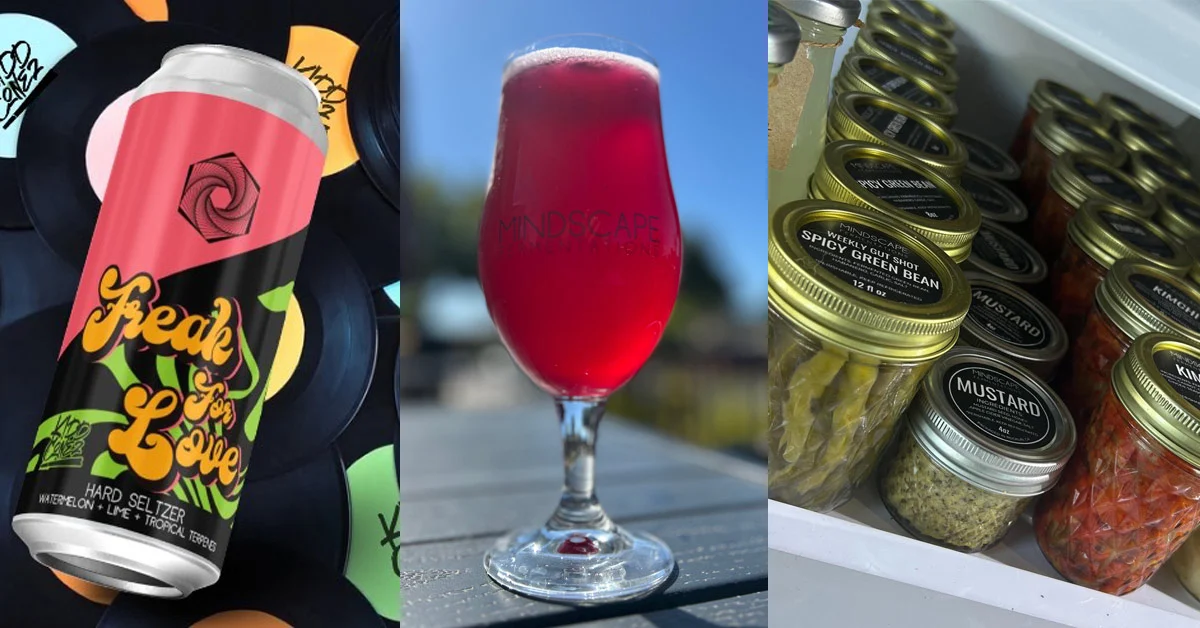
The global craft brewing industry, once defined by a decade of explosive growth and the ubiquity of industrial-chic taprooms, has entered a period of profound transformation. As the market reaches a point of saturation and economic headwinds—ranging from rising raw material costs to shifting consumer preferences—put pressure on traditional business models, a new generation of brewers is looking beyond the standard production-and-pour facility. These innovators are redefining the brewery not merely as a site for manufacturing beer, but as a "third place" anchored in communal shared resources and a broader, more inclusive definition of fermentation.
This evolution represents a departure from the "brewery-as-destination" trend of the mid-2010s, which saw the addition of workspaces, boutique lodging, and RV-friendly outdoor areas. Today’s shift is more fundamental, altering the operational DNA of the business to emphasize collective resilience and artisanal diversity. From the communal stables of rural France to high-tech cooperative brewhouses in Brussels and experimental "fermenteriums" in California, the industry is witnessing a structural pivot toward sustainability and community integration.
The Rise of the Tiers-Lieu: Collective Resilience in Rural France
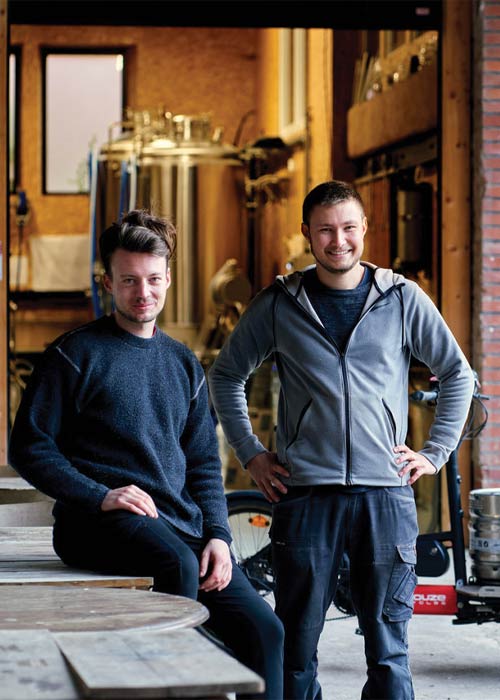
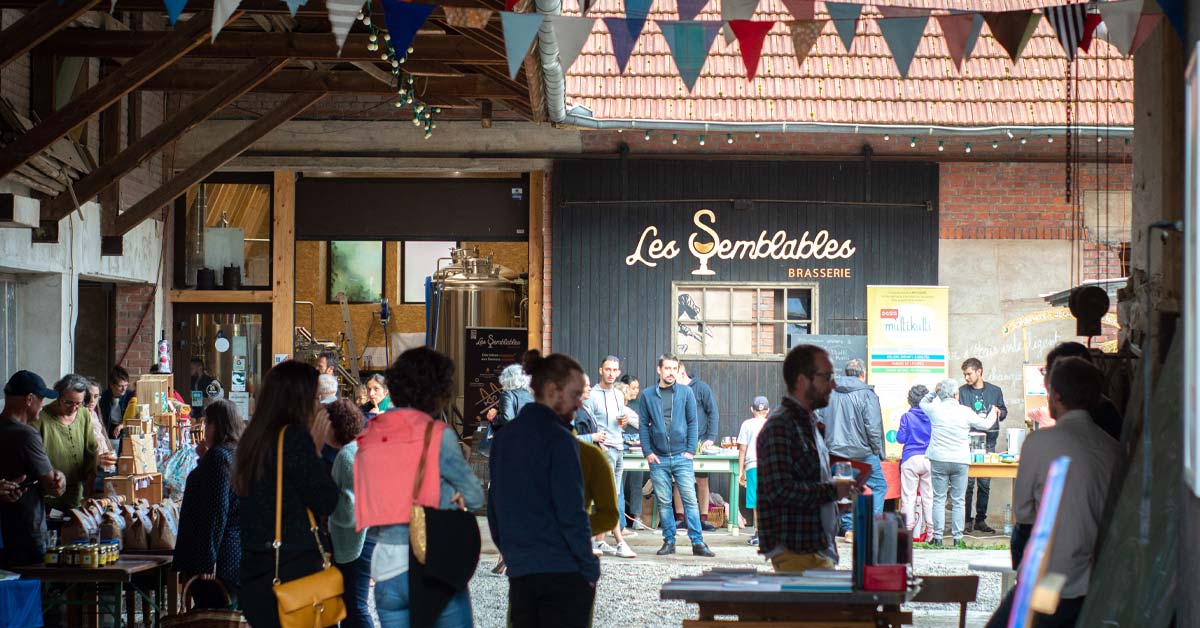
In the Alsace region of France, near the German border, Brasserie Les Semblables serves as a primary case study for the integration of brewing into the tiers-lieu (third place) movement. Founded by Eliott Pernelle and Etienne Voinson, the brewery was established not in an isolated industrial park, but within the existing ecosystem of Oasis Multikulti. Located on a repurposed farm in the village of Mietesheim, Oasis Multikulti is a community-run collective that hosts a variety of cultural and sustainable initiatives, including pottery classes, community gardens, and farmers’ markets.
The decision to settle in a communal space was driven by a desire to avoid the social isolation often associated with small-scale production. By installing their equipment in former stables, Pernelle and Voinson bypassed the traditional challenges of building a brand from scratch in a vacuum. Instead, they tapped into an existing flow of visitors who frequent the site for educational or agricultural purposes.
However, this model requires a departure from traditional capitalist autonomy. To maintain their place within the collective, the brewers act as volunteers, contributing to the administrative and promotional needs of the entire site. Pernelle, for instance, manages the social media presence for the tiers-lieu. This symbiotic relationship suggests that the future of small-scale brewing may rely on a "give-and-take" social contract where the brewery supports the community as much as the community supports the brewery.
Historical Roots and the Modern Cooperative: The CoHop Model
The concept of communal brewing is not a modern invention but a revival of deep-seated European traditions. In Bavaria, the Zoiglbier tradition has persisted for centuries, involving non-professional brewers who share a communal brewhouse at the center of their village. Recognized by UNESCO in 2018 as part of Germany’s "intangible cultural heritage," the Zoigl tradition emphasizes that beer is a social lubricant and a shared public resource rather than just a commercial product.
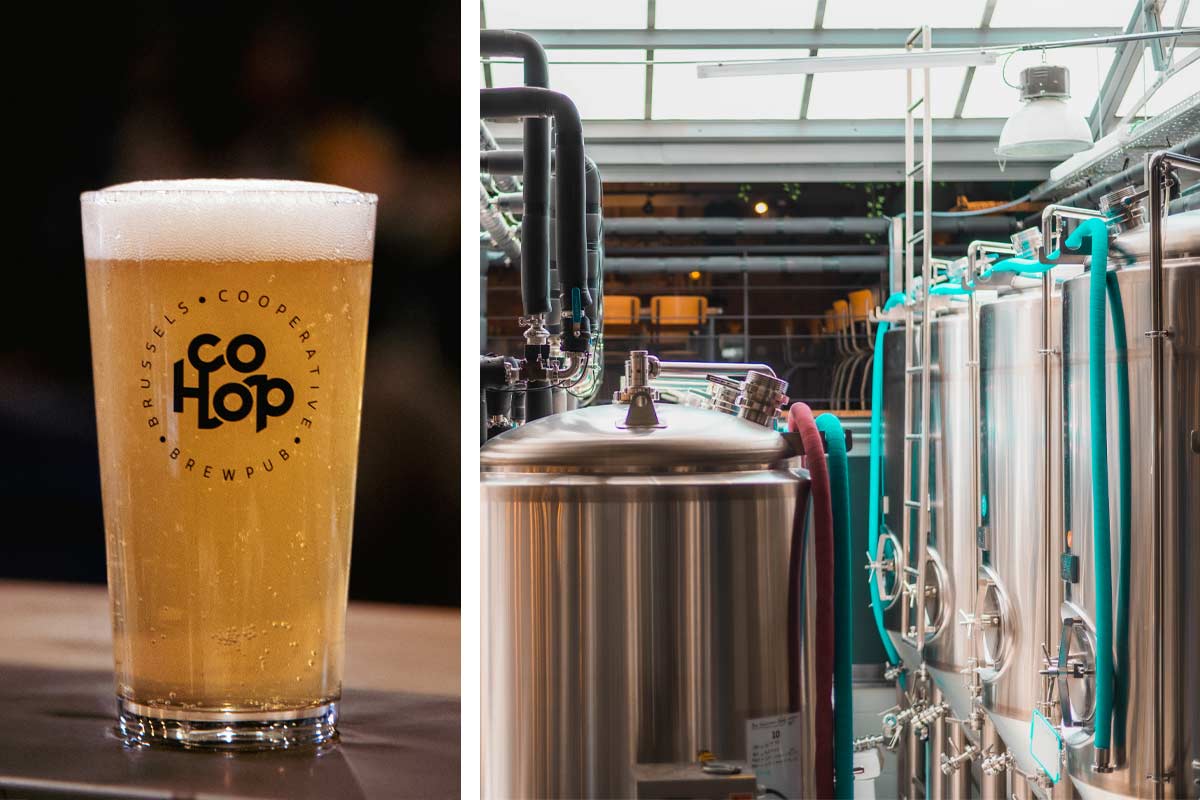
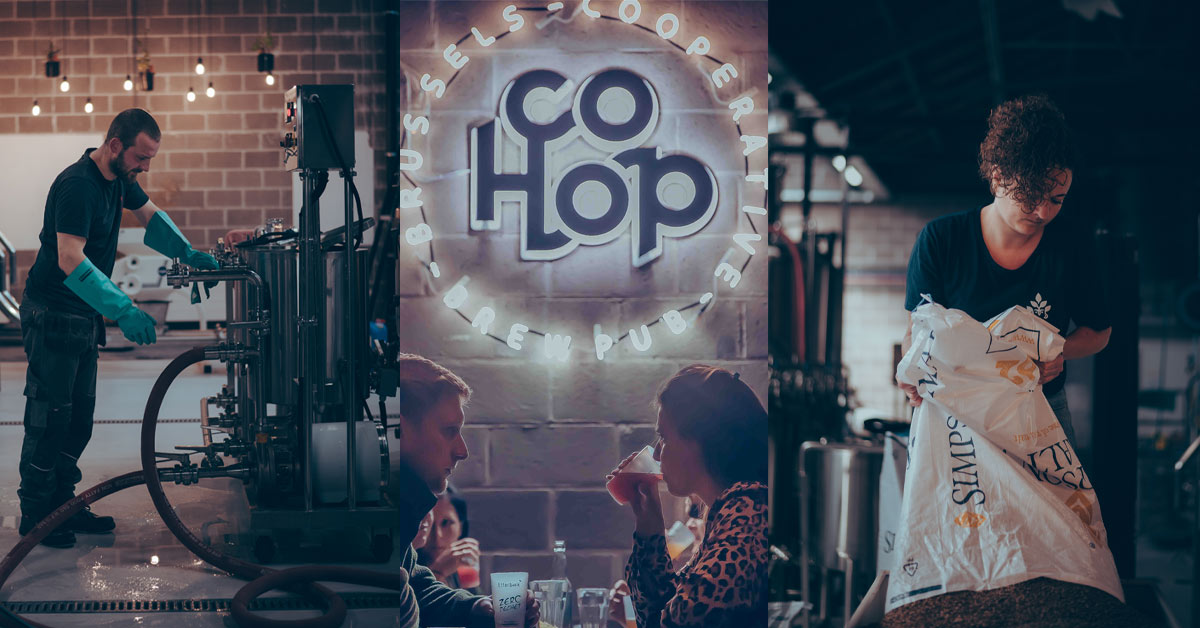
In Brussels, this historical precedent has been modernized through the creation of CoHop. Founded in 2021 by Thomas Detourbe of Brasserie Witloof, CoHop is a cooperative that allows multiple independent microbreweries—including La Bagarre, Janine, 1Bière 2Tartines, and most recently, La Flaque—to share a single, high-quality brewhouse and taproom.
The economic logic of the CoHop model is compelling. By pooling resources, the member breweries can access professional-grade equipment that would be financially out of reach for a single startup. This shared-equity model reduces individual capital expenditure (CAPEX) and operational costs (OPEX) while promoting environmental sustainability through the shared use of water, energy, and raw material shipments.
Organizationally, CoHop functions through a system of distributed responsibility. Each brewery takes the lead on a specific operational pillar, such as maintenance, raw material procurement, or brewing schedules. Despite sharing the hardware, each brand maintains its distinct identity and creative control over its recipes. This "co-opetition" allows small players to survive in a market increasingly dominated by large-scale consolidation and rising logistics costs.
Diversification Through Fermentation: Beyond the Hop
While some brewers are innovating through spatial and operational sharing, others are redefining the product itself. The traditional definition of a "brewery" is increasingly being replaced by the "fermenterium" or "fermentery"—a venue dedicated to the broader science of fermentation.
In the United States, this trend is gaining momentum as a response to the "sober-curious" movement and the growing demand for low-alcohol or functional beverages. Mindscape Fermentations in Rocklin, California, founded by Lauren Price and Lauren Houston, exemplifies this shift. By positioning themselves as a fermenterium, they offer a portfolio that includes traditional beer alongside kombucha, seltzers, and fermented foods.
This diversification serves two primary purposes:
- Economic Hedging: If the demand for craft beer plateaus or declines, the business remains viable through its other fermented offerings.
- Demographic Expansion: Traditional taprooms have historically skewed toward a male demographic. Mindscape Fermentations reports that their focus on health-conscious, diverse fermentation options has resulted in a customer base that is nearly 50% female, with a much broader age range than traditional craft breweries.
Similar experimental approaches are seen at Philadelphia’s Fermentery Form, which utilizes winemaking techniques like the Solera system—a process of fractional blending—to create complex, co-fermented beers. In Europe, Belgium’s l’Annexe and France’s Fermenterie des Champs Marmo are pushing boundaries by fermenting with flowers, apples, and alternative grains, effectively blurring the lines between brewery, cidery, and winery.
Data and Market Context: The "Why" Behind the Shift
The pivot toward these new models is not merely a creative choice; it is a strategic response to a tightening market. According to the Brewers Association, while the number of craft breweries in the U.S. reached an all-time high of over 9,500 in recent years, the rate of growth has slowed significantly. In 2023, for the first time in the modern era, craft beer volume growth remained largely flat, even as the cost of aluminum, CO2, and malt rose by double digits in some regions.
Furthermore, consumer behavior is shifting. Market research from groups like IWSR Drinks Market Analysis indicates a steady rise in "category blurring," where consumers no longer identify as exclusively "beer drinkers" or "wine drinkers." The rise of Ready-to-Drink (RTD) cocktails and non-alcoholic alternatives has forced brewers to compete for "share of throat" in a much more crowded field.
In this climate, the "alone in an industrial park" model is increasingly high-risk. Shared spaces like CoHop or community-integrated sites like Les Semblables offer a way to mitigate these risks through shared overhead and built-in foot traffic.
Implications for the Future of the Industry
The move toward collective and diversified brewing models suggests a more mature, resilient industry. By embracing the "Third Place" philosophy—a term coined by sociologist Ray Oldenburg to describe social surroundings separate from the two usual social environments of home and the workplace—breweries are solidifying their roles as essential community infrastructure.
The implications of this shift are manifold:
- Sustainability: Shared equipment and local distribution loops significantly reduce the carbon footprint of production.
- Inclusivity: By moving away from beer-centric branding, venues become more welcoming to non-drinkers and diverse demographics, ensuring long-term cultural relevance.
- Economic Stability: Cooperatives provide a safety net for small entrepreneurs, allowing for creative experimentation without the looming threat of total financial ruin.
As the industry moves toward 2025 and beyond, the traditional brewery may become a rarity. In its place will be the community hub—a space where the ancient art of fermentation is celebrated in all its forms, and where the act of "doing something together" is as important as the liquid in the glass. The success of pioneers like CoHop and Mindscape Fermentations suggests that while the "beer boom" may have ended, the era of the community-centric fermenterium is only just beginning.