admin
admin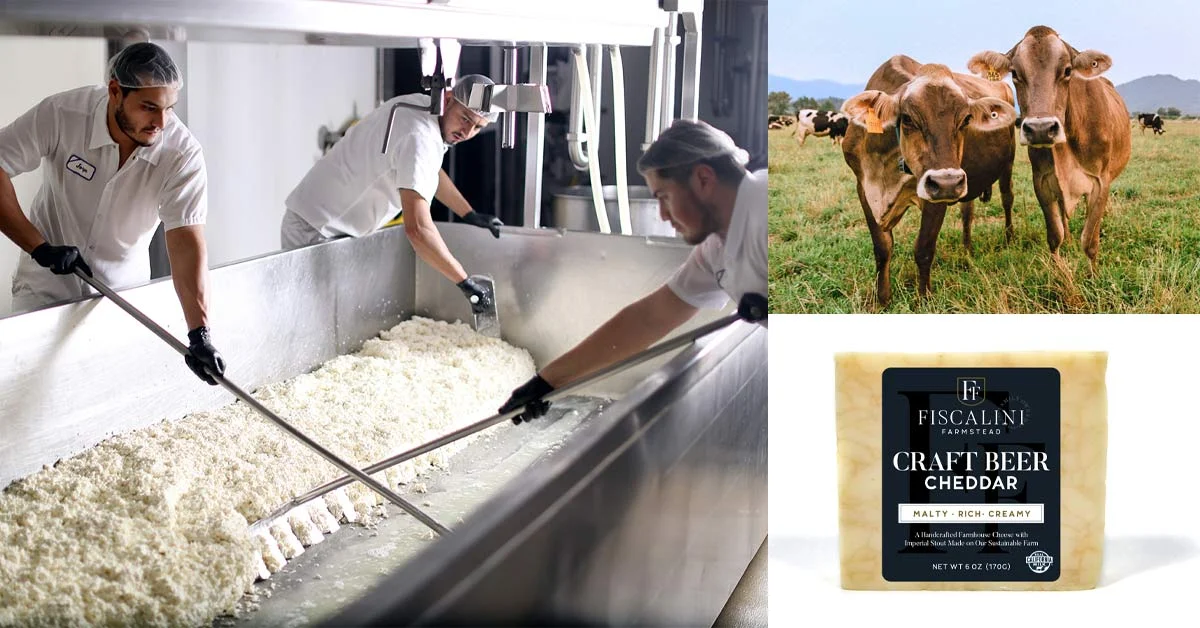
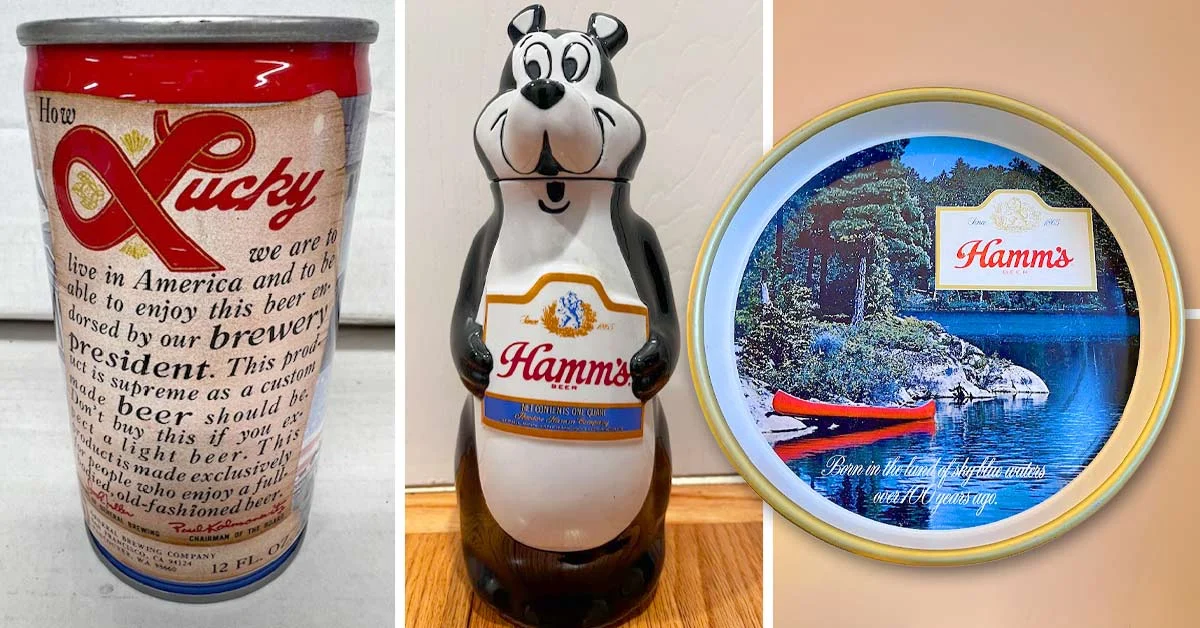
The history of beer cheese in the United States is a narrative of culinary evolution, transitioning from a localized tavern snack in the mid-20th century to a sophisticated category of artisan dairy products. While the product’s origins are often debated, the consensus points to the 1940s in Clark County, Kentucky. Johnny Allman’s restaurant, now known as Howard’s Creek, is widely credited with serving the first iteration of the golden-orange spread. In 2006, Kathy Gorman Archer, president of Howard’s Creek Authentic Beer Cheese, spearheaded a revival of the brand. Archer noted that the original recipe was born from a philosophy of sustainability, utilizing leftover sharp cheddar cheese and surplus beer to create a spreadable, shelf-stable product.
This traditional model—defined by a base of processed or aged cheddar mixed with cayenne pepper, garlic, and beer post-production—has dominated the American market for over eighty years. However, a new paradigm is emerging within the American farmstead cheesemaking community. Rather than treating beer as a secondary additive to a finished cheese, contemporary producers are integrating craft beer and hops directly into the cheesemaking process, creating a hybrid category that emphasizes terroir, microbial synergy, and regional collaboration.
The Technical Transition: From Additive to Ingredient
The primary distinction between traditional beer cheese and modern artisan beer-infused cheese lies in the timing of the integration. In the traditional Kentucky style, beer is blended into cold-packed cheese. In contrast, farmstead producers like Rogue Creamery and Fiscalini Farmstead are incorporating beer during the vat stage, where the chemical interaction between the dairy proteins and the fermented malt beverage can fundamentally alter the cheese’s texture and flavor profile.
This shift reflects a broader trend in the American specialty cheese industry, which has seen significant growth over the last two decades. According to data from the American Cheese Society, the number of artisan cheesemakers in the U.S. has increased by over 25% in the last ten years, with a growing emphasis on "value-added" products that feature local ingredients. By using craft beer, cheesemakers are able to tap into the "buy local" movement while experimenting with the complex sugars and yeast cultures found in high-quality brews.
Case Study: Rogue Creamery and the Science of Infusion
Oregon’s Rogue Creamery, a pioneer in the American blue cheese movement since 1953, has spent nearly a decade refining the integration of beer into cheddar. Their partnership with Hopworks Brewery in Portland exemplifies the move toward organic, certified collaborations. Marguerite Merritt, a certified sommelier and brand manager for Rogue Creamery, explains that their Chocolate Stout Cheddar is created by adding beer to the vat just as the whey begins to separate from the curd.
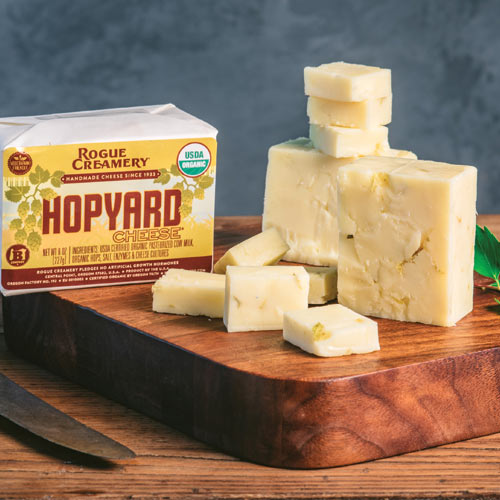
This timing is critical. By introducing the beer at this stage, the milk and curds are infused with a subtle maltiness without compromising the structural integrity of the cheese. The result is a marbled effect that provides a sweet, malty counterpoint to the sharpness of the cheddar. Rogue’s experimentation has extended into "Hopyard," a cheddar made with fresh, Northwest-grown hops rather than liquid beer. The hops are mixed with the curds during the setting process, imparting a floral bitterness that mirrors the profile of a West Coast IPA.
Fiscalini Farmstead: A Century of Dairy Heritage Meets Craft Brewing
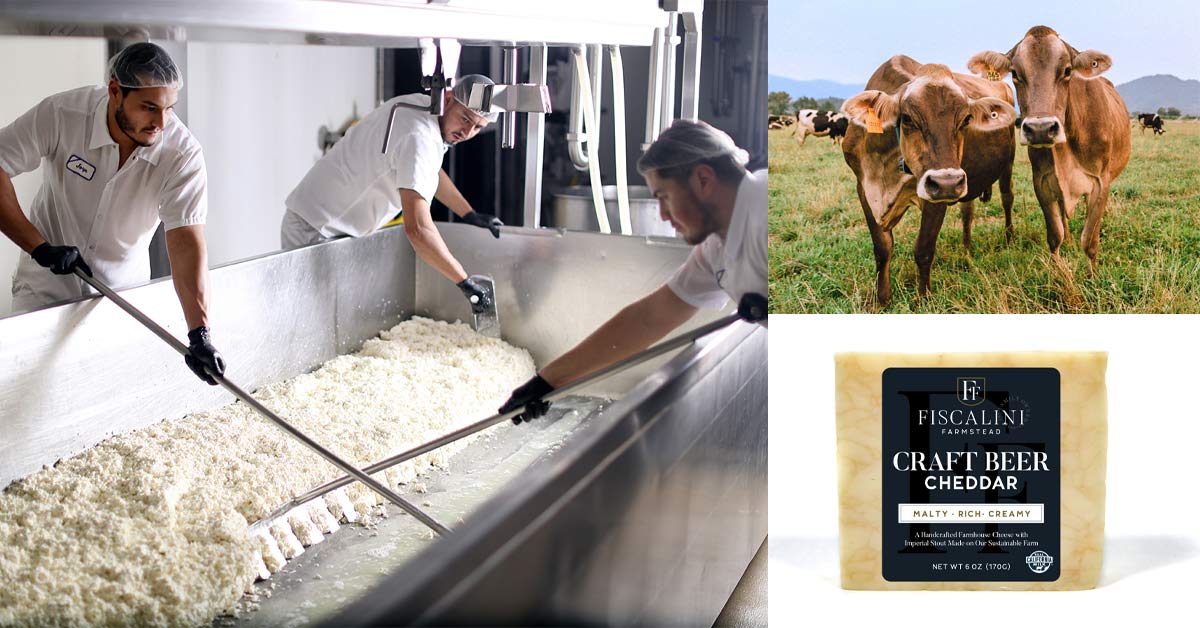
In Modesto, California, Fiscalini Farmstead has operated as a dairy farm since 1914. Under the leadership of fourth-generation owner Laura Genasci, the creamery has leveraged its estate-grown milk to create a "Craft Beer Cheddar" in collaboration with Dust Bowl Brewing. This partnership is deeply rooted in local geography; the brewery is located just 20 minutes from the dairy, and the owners share a background in the dairy industry.
The process at Fiscalini involves mixing Black Blizzard Imperial Stout—a beer known for its roasty coffee and chocolate notes—with the curds before they are formed into 40-pound blocks. The cheese is then pressed overnight, a step that forces the beer deeper into the protein matrix of the cheese. Alex Borgo, Fiscalini’s cheesemaker, notes that this creates a mottled pattern and ensures a consistent beer flavor throughout the product.
Borgo highlights the microbial parallels between brewing and cheesemaking. While brewers use heat to activate enzymes in malted barley, cheesemakers select specific starter cultures to trigger the separation of curds and whey. The aging process further matures these flavors; while the beer cheddar is typically aged for three months, extended aging (up to two years in some reserve batches) intensifies both the tangy cheddar notes and the robust malt characteristics.
Regional Economic Impact and the Pennsylvania Model
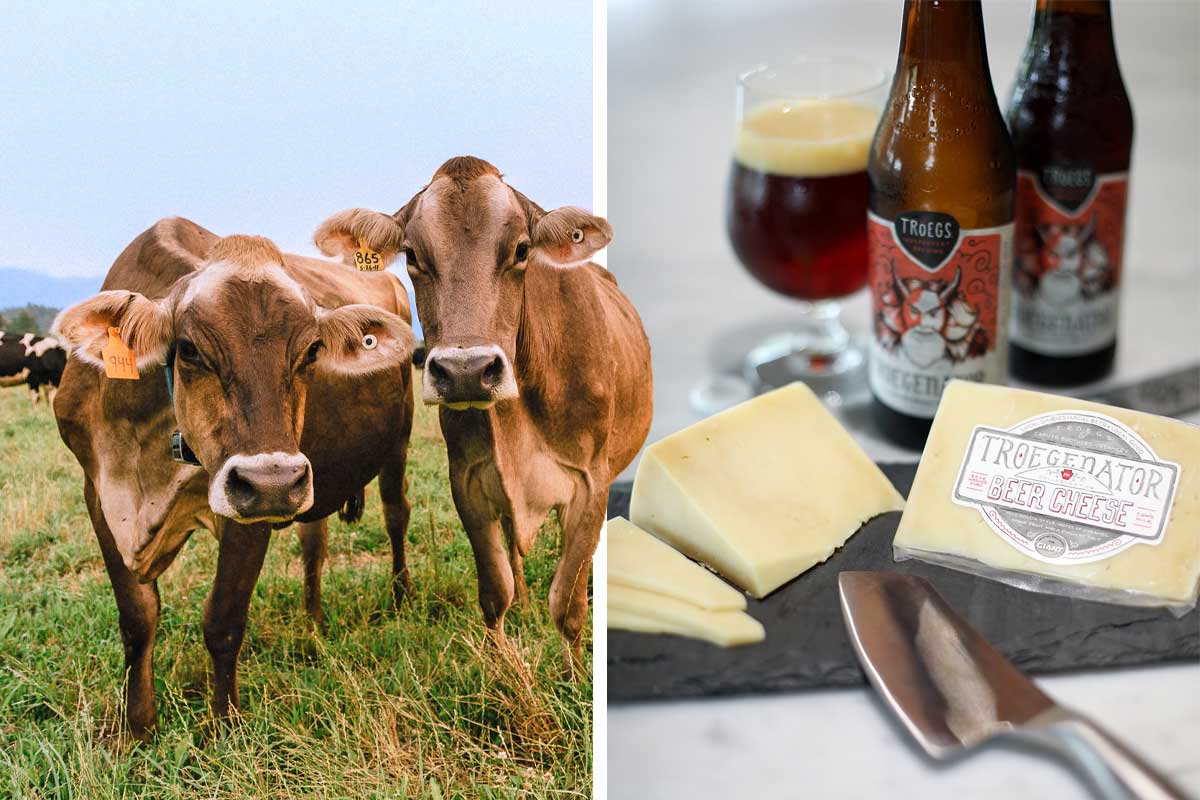
The rise of beer cheese also serves as a vehicle for regional economic development. In Pennsylvania, a collaboration between Caputo Brothers Creamery, Tröegs Independent Brewing, and Giant Food Stores demonstrates how large-scale retail can support local artisan production. Rynn Caputo, co-founder of Caputo Brothers, noted that the dairy farms supplying the milk for their beer cheeses are located geographically between the brewery and the grocery chain’s headquarters.
Caputo Brothers, which originally specialized in Italian-style cheeses, adapted their techniques to create a beer-infused Gouda using Tröegs’ "Troegenator" Double Bock. The success of this product led to further innovations, such as the "Perpetual Beer Cheese," which utilizes a "dry-hopping" technique. In this process, the milk is infused with Citra hops before the cheesemaking begins, resulting in a product that Caputo describes as "tasting like you’re eating a beer."
The technical challenge in these collaborations is managing pH levels. Milk typically has a pH between 6.4 and 6.8. If the acidity of the added beer drops the pH too low (below 4.0), the curds becomes rubbery; if it remains too high, the curds will fail to bind. Caputo has standardized this process to the extent that she launched "Custom Cheesemakers," a subsidiary that produces bespoke beer cheeses for breweries across the United States, effectively creating a new B2B service model within the dairy industry.
Innovative Rind-Washing Techniques: Tulip Tree Creamery
While some producers mix beer into the curd, others, like Indianapolis-based Tulip Tree Creamery, utilize the "washed-rind" method. Co-owner Laura Davenport explains that this technique involves washing the exterior of the cheese wheels with a solution of bacteria cultures, beer, water, and salt. This process permeates the cheese with the essence of the beer through the rind rather than the paste.
Working with local partners like Sun King and 3 Floyds, Tulip Tree produces double-cream styles that differ significantly from the harder cheddars of the West Coast. Davenport emphasizes that not all beer styles are suitable for cheesemaking; for instance, beers with an International Bitterness Unit (IBU) count in the 40 to 50 range can become overly bitter when concentrated on a cheese rind. Consequently, lower-IBU styles like pilsners or porters are often preferred to maintain a balanced flavor profile.
Urban Creameries and the German Heritage of the Midwest
The final frontier of the modern beer cheese movement is the urban creamery. Urban Stead, located in downtown Cincinnati, Ohio, seeks to honor the city’s German roots by producing fresh cheeses in an industrial setting. Co-founder Andrea Robbins noted that Cincinnati’s history is inextricably linked to the brewing industry, making beer cheese a natural fit for their portfolio.
Urban Stead produces a Kentucky-style spreadable cheese using Braxton Brewing’s "Storm" Golden Cream Ale. Unlike the aged cheddars of Pennsylvania or Oregon, this is a fresh cheese that can be brought to market within days of production. This model provides a vital cash-flow balance for creameries that also produce long-aged goudas or cheddars. The fresh cheese market is a growing segment of the U.S. dairy industry, as consumers increasingly seek out minimally processed, locally sourced products.
Broader Implications for the Craft Beverage and Dairy Sectors
The integration of craft beer into the artisan cheese sector represents more than just a culinary trend; it is a strategic response to shifting market dynamics. For the craft beer industry, which has seen a slowdown in growth following a decade of rapid expansion, collaborations with cheesemakers offer a way to diversify brand presence and reach new consumer demographics. For the dairy industry, these products provide a high-value outlet for milk, which is often subject to volatile commodity pricing.
Furthermore, the "beer cheese" category is helping to redefine American food identity. By moving away from the highly processed "pub spreads" of the past and toward technically sophisticated, farmstead-produced cheeses, American makers are proving that they can compete with European traditions of beer-washed cheeses (such as those found in Belgium and Northern France) while maintaining a uniquely American flavor profile.
As the industry continues to mature, the focus is expected to shift toward even more specialized fermentations. The use of wild ales, barrel-aged stouts, and estate-grown hops in cheesemaking suggests that the boundary between the brewhouse and the creamery will continue to blur. For the consumer, this evolution offers a more complex and transparent product, where the story of the grain and the grass are told in a single bite.