admin
admin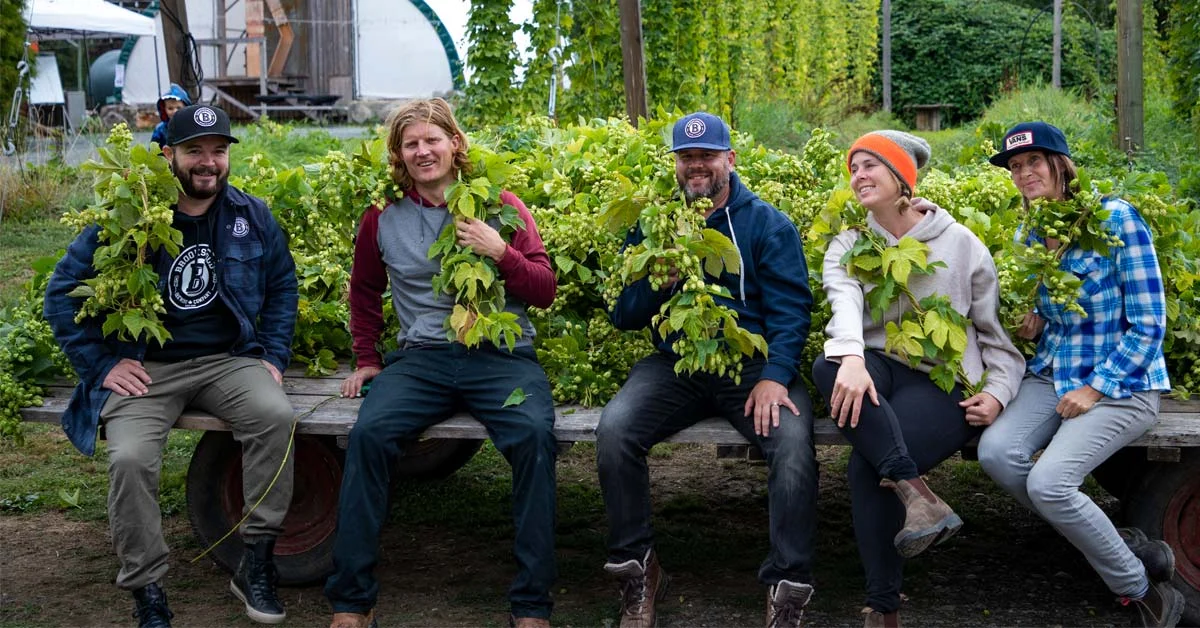
The Canadian craft beer landscape is undergoing a period of profound introspection as Indigenous entrepreneurs and brewers reclaim space in an industry from which they were historically and legally excluded. This movement, characterized by both significant commercial success and intense internal community debate, reached a pivotal moment in March 2021 with the launch of the “Celebrating Sisters” campaign. Spearheaded by the Indigenous Brew Crew (IBC), a trio of Indigenous brewers, the initiative sought to support Indigenous women through the sale of craft beer across Canada. While the campaign was initially met with enthusiasm, it quickly became a flashpoint for a much deeper conversation regarding the legacy of colonialism, the trauma of alcohol dependency, and the right to economic self-determination.
The controversy surrounding the IBC project highlights the duality of alcohol in the Indigenous experience. For some, the participation of Indigenous people in the alcohol industry is a sign of modern sovereignty and the dismantling of colonial-era restrictions. For others, it remains a painful reminder of the tools used to fracture families and communities. When Anishinaabe artist Chief Lady Bird designed a label for the campaign—depicting a blackbird against a woodland backdrop—the resulting online discourse reflected this divide. Critics pointed to the generational devastation alcohol has caused, while supporters viewed the project as a way to fund vital community services and showcase Indigenous talent. The IBC eventually dissolved in the months following the campaign, but the questions raised by its existence continue to shape the industry.
A Century of Legislative Exclusion: The Historical Context
To understand the current tension, one must examine the legislative framework that governed Indigenous lives for over a century. The Indian Act of 1876 was not merely a set of regulations; it was a comprehensive tool of social engineering designed to eliminate Indigenous identity. Under this Act and subsequent amendments, Canada’s First Nations were effectively prohibited from participating in the alcohol industry. Indigenous people were legally barred from purchasing, consuming, or voting on the sale of alcohol.
This prohibition created a peculiar and derogatory market for “Indian Beer”—low-alcohol or non-alcoholic substitutes—while settlers simultaneously used high-proof spirits as a coercive tool in trading systems. This historical manipulation contributed to a cycle of dependency that was exacerbated by the state-sponsored residential school system and the "Sixties Scoop," during which Indigenous children were forcibly removed from their families. The 2015 Truth and Reconciliation Commission (TRC) categorized these actions as "cultural genocide," noting that the resulting psychological wounds often led to alcohol being used as a coping mechanism for profound trauma.
Legislative changes between the 1950s and 1980s eventually repealed these discriminatory liquor laws, but the socio-economic damage remained. Today, the conversation has shifted from total prohibition to a nuanced debate over harm reduction versus self-determination. While some community leaders advocate for dry reserves to protect vulnerable members, a growing cohort of entrepreneurs argues that true sovereignty includes the right to participate in all sectors of the economy, including brewing.
The Rise of Indigenous-Owned Breweries
Despite the fraught history, Indigenous-led businesses are increasingly carving out a niche in the Canadian craft beer market. These owners often navigate a complex set of expectations, balancing their cultural identity with the demands of a competitive commercial industry.
In British Columbia, Melanie MacInnes, a Métis woman and co-owner of Locality Brewing in Langley, exemplifies this transition. MacInnes initially hesitated to define her business through her Indigenous heritage, citing the immense responsibility that comes with such a designation. However, after Locality won the 2022 BC Food & Beverage Award for Best Indigenous-Led Business, she embraced the role. Her brewery operates on family land and emphasizes the concept of the "gathering place," a traditional Indigenous value.

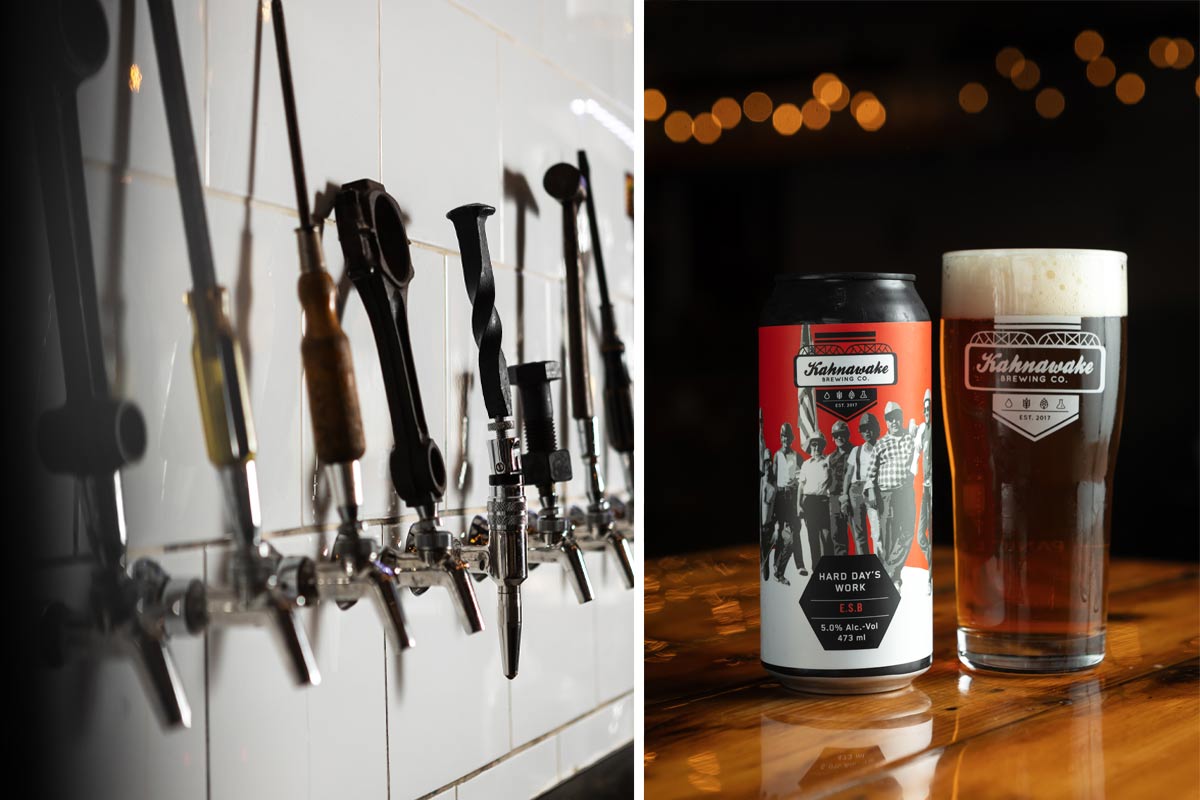
Similarly, Kahnawake Brewing Company & Black Bridge Taproom in Quebec holds the distinction of being the first openly Indigenous-owned craft brewery located on Indigenous land. Co-owned by Fred Leblanc, a former ironworker, the brewery draws direct inspiration from Mohawk history. The "black bridge" in its name refers to the Saint-Laurent Railway Bridge, built in 1900 by local Mohawk laborers. Since its inception, Kahnawake Brewing has achieved significant critical acclaim, securing multiple medals at the Canada Beer Cup in 2024 and 2025. This success serves as a tangible rebuttal to the idea that Indigenous identity and the alcohol industry are inherently incompatible.
Economic Data and the Infrastructure of Sovereignty
The growth of Indigenous entrepreneurship in the brewing sector is supported by a developing infrastructure of financial and social resources. Organizations such as the Manitoba Métis Federation and Farm Credit Canada have begun providing the capital and mentorship necessary for Indigenous people to overcome historical barriers to entry.
According to data from the National Aboriginal Economic Development Board, Indigenous businesses contribute billions to the Canadian GDP, with a growing percentage of that coming from the hospitality and manufacturing sectors. For entrepreneurs like Matthew Sabourin, co-owner of La Brasserie Nonsuch Brewing Co. in Winnipeg, the focus is on "quality over quantity." Nonsuch emphasizes the "Beer Bannock" experience, where customers learn about Indigenous history and the legacy of Louis Riel while sampling artisanal brews. This model shifts the focus from consumption to education and cultural exchange.
However, challenges remain. Sarabeth Holden, an Inuit brewer and co-owner of Red Tape Brewery in Toronto, has noted that Indigenous women often face a "double barrier" of race and gender in the industry. Holden, who is also a children’s book author, has reported instances of being dismissed by industry contractors or feeling out of place in retail environments that do not cater to Indigenous consumers. Despite this, she maintains that the support from her community—even from those who abstain from alcohol—has been a cornerstone of her success.

Defining the "Indigenous" in Craft Beer
A central question facing the industry is what constitutes an "Indigenous beer." For many in the field, it is not merely about ownership but about the integration of traditional knowledge and ingredients.
- Sourcing and Land Use: Brewers like Melanie MacInnes prioritize the ethical use of land and the sourcing of ingredients from Indigenous suppliers.
- Traditional Ingredients: Sarabeth Holden’s Red Tape Brewery incorporates elements tied to the Northern experience, such as orange pekoe tea (common in hunting camps) and Paunnat (dwarf fireweed) in her seasonal saisons.
- Narrative and Design: The now-defunct Another Beer Co. (ABC) produced the "Aski Oci" saison, which featured alfalfa and spruce tips. Its label, designed by a Métis artist, explicitly addressed the healing of the community’s relationship with alcohol, stating, "We will not allow the Indian Act to oppress us."
These efforts represent a form of "culinary sovereignty," where Indigenous people define their own products rather than adhering to settler-defined categories of what "Native" products should be.
Broader Impact and the Path to Reconciliation
The inclusion of Indigenous voices in the craft beer industry is seen by many as a vital component of the broader reconciliation process. Darnell Stager of Indigenous Tourism BC argues that the antagonism some feel toward Indigenous brewers is a lingering effect of colonial economic gatekeeping. He posits that true self-determination requires the removal of all barriers to industry participation.
This sentiment is echoed by Niigaan Sinclair, an Anishinaabe professor, who suggests that the relationship with alcohol must be re-evaluated through the lens of traditional teachings. Sinclair notes that while alcohol has been a "violent intrusion," it is ultimately derived from natural elements. He argues that the community must figure out a relationship with it that prioritizes responsibility and the avoidance of harm.

Industry experts suggest several steps for non-Indigenous breweries looking to foster genuine inclusion:
- Direct Engagement: Inez Cook, co-founder of the Indigenous restaurant Salmon n’ Bannock, suggests that businesses should personally introduce themselves to local tribal nations rather than relying on corporate outreach.
- Supply Chain Visibility: Jason Tremblay of Two Loons Brewing emphasizes the need for Indigenous representation throughout the entire supply chain, including malt houses and hop farms.
- Space for Difficult Conversations: Rather than avoiding the controversy of alcohol in Indigenous communities, the industry must provide space for these "hard conversations" to occur without judgment.
Conclusion: A Community in Transition
The Canadian craft beer industry stands at a crossroads. The dissolution of the Indigenous Brew Crew in 2021 was not an end, but a catalyst for a more mature and transparent dialogue about the role of Indigenous people in the sector. Today, a new generation of brewers is proving that it is possible to honor the past—acknowledging the pain and trauma of the Indian Act—while building a prosperous and sovereign future.
By prioritizing people over profits and respecting the land from which their ingredients spring, Indigenous brewers are not only enriching the diversity of Canadian beer but are also reclaiming a right that was denied to their ancestors for generations. As the industry continues to evolve, the success of these entrepreneurs suggests that the path to reconciliation may very well be paved with kindness, curiosity, and the courage to break the silence.