admin
admin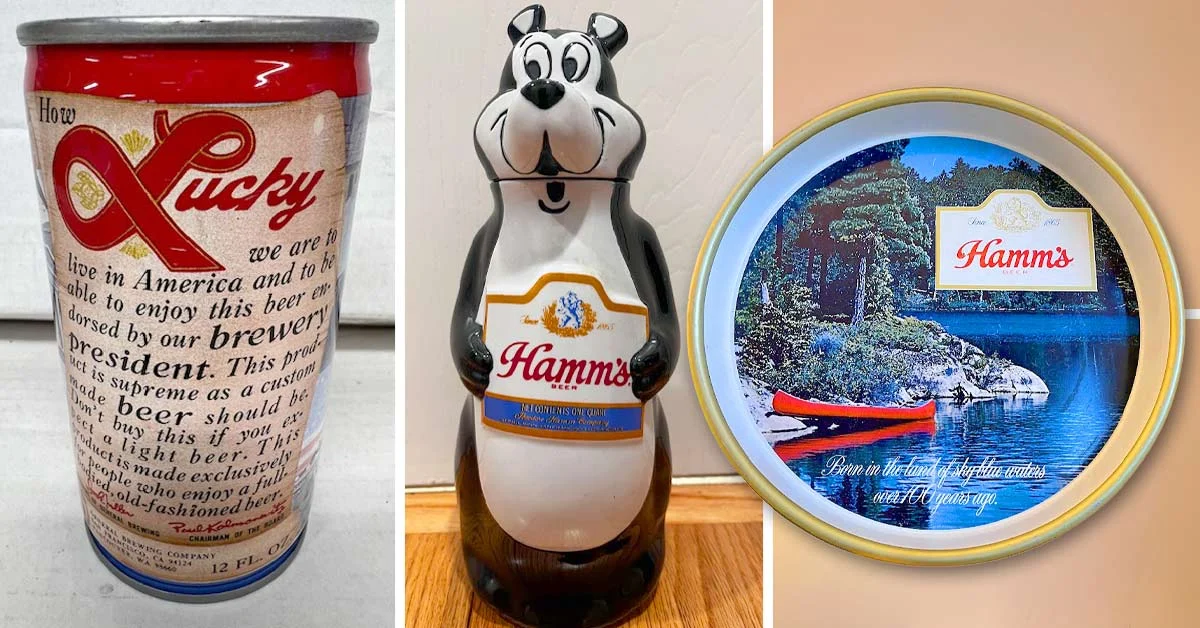
While the narrative of the American immigrant experience is frequently anchored in the tenements of New York City and the industrial hubs of the East Coast, a parallel and equally transformative history unfolded on the shores of the Pacific. For thousands of Eastern European migrants in the early to mid-20th century, San Francisco served as a different kind of "golden door." While the Statue of Liberty’s "New Colossus" welcomed the tired and poor to the Atlantic, the burgeoning beer industry of the West Coast provided the structural foundation for the Slovene-American community to achieve economic stability and social mobility. This industrial evolution, transitioning from the artisanal "steam beer" of the Gold Rush era to the massive automated plants of the 1950s, represents a critical chapter in the labor history of Northern California.
The Early Industrial Landscape of San Francisco
San Francisco’s identity has long been defined by rapid transformation and the pursuit of fortune. In 1834, Richard Henry Dana, a Harvard-educated sailor, documented the early settlement of Yerba Buena in his memoir Two Years Before the Mast. By the time Dana returned in 1858, the Gold Rush had converted a quiet village into a bustling metropolis. However, as Dana and other historians noted, the true wealth of the era was rarely found in the gold mines. Instead, it was found in the supporting industries—merchants, tradesmen, and brewers who catered to the growing population.
Beer production in California predates the 1849 Gold Rush. Historical records indicate that the first significant shipment of bottled beer arrived in San Francisco in 1843 via the merchant firm of Benjamin T. Reed. Due to the lack of ice and refrigeration in the mid-19th century, local brewers developed "steam beer," a unique California process where the heated wort was cooled in large, shallow pans on rooftops, utilizing the city’s natural fog and cool winds to trigger fermentation. This process, famously preserved by the Anchor Brewing Company, became the signature style of the region.
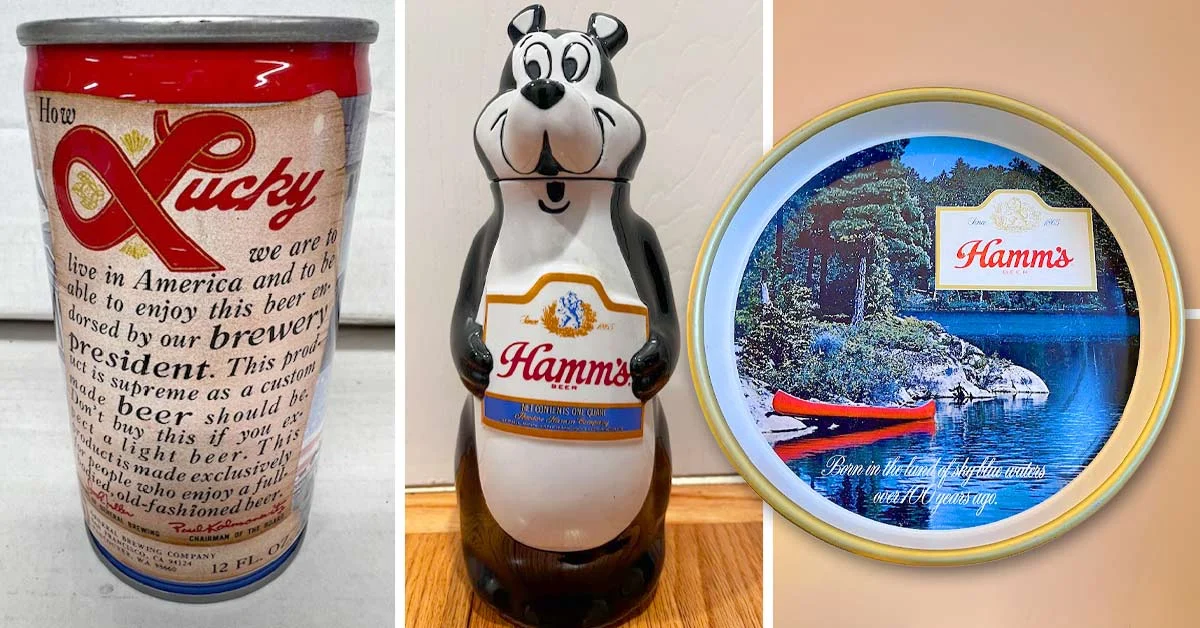
The early 1900s saw a proliferation of beer halls, which served as social hubs for the city’s diverse working class. However, the industry faced a series of existential threats in the first three decades of the century. The Great Earthquake of 1906 destroyed much of the city’s brewing infrastructure, and the subsequent implementation of Prohibition in 1920 forced many establishments to shutter or pivot to "near-beer" and soda production. Additionally, the anti-German sentiment following World War I marginalized many of the industry’s founding families. It was not until the repeal of the 18th Amendment in 1933 that the industry began its second great ascent, led by brands like Lucky Lager, Acme Brewing, and the Milwaukee Brewing Company.
The Slovene-American Migration and Post-War Opportunity
The Slovenian diaspora in the United States was historically concentrated in the industrial Midwest—specifically Ohio, Pennsylvania, and Illinois—where migrants found work in steel mills and coal mines. By 1920, census estimates suggested there were approximately 228,000 Slovene-Americans and their children living in the United States. However, a significant secondary migration occurred as families moved westward in search of agricultural and mining opportunities in Idaho, Montana, and Colorado.
For many Slovene families, the path to San Francisco was paved by the volatility of the Great Depression and the upheaval of World War II. Case studies of families from this era, such as that of Alois "Louis" Judnick, illustrate a common trajectory. Born in the U.S. but raised in the Kingdom of Yugoslavia during the interwar period, many young Slovene men returned to the United States as young adults to escape economic stagnation in Europe. After serving in the U.S. military—often in high-stakes theaters like the D-Day invasion—these veterans looked to San Francisco as a promising site for resettlement.
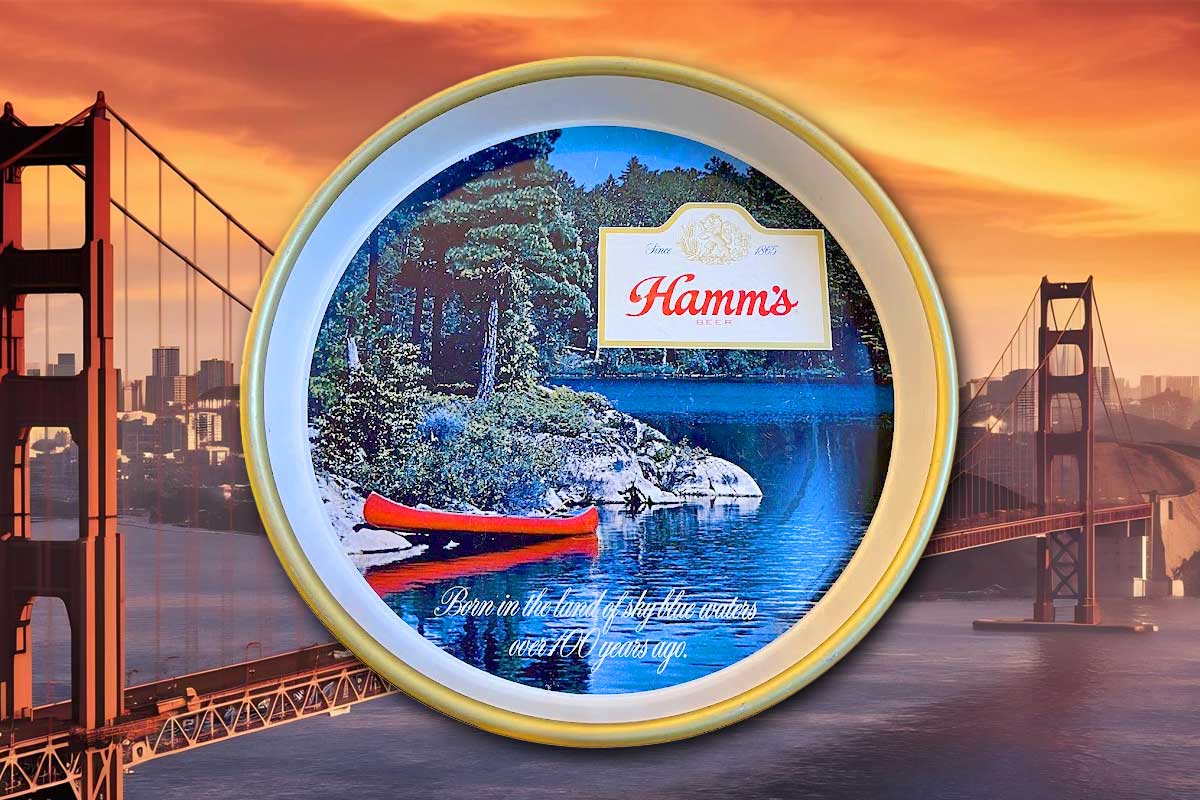
Post-war San Francisco was a hub of maritime and industrial production. Initial employment for these immigrants was often found in heavy industry, such as Soule Steel, which produced landing crafts and barges for the war effort. As these heavy manufacturing roles began to contract in the late 1940s, the brewing industry emerged as a primary employer for the Slovene community.
The "Burgie" Era: Labor and the Brew Floor Melting Pot
The 1950s marked the golden age of industrial brewing in San Francisco. Large-scale operations such as Hamms, Schlitz, Regal Pale, and Acme dominated the landscape. However, the San Francisco Brewing Corp., which rebranded as Burgermeister in 1956 (locally known as "Burgie"), became the focal point for Slovene-American labor.
The integration of Slovene workers into the beer factories was significant given the prevailing social climate. Despite San Francisco’s reputation for diversity, the mid-20th century was marked by "No Bohunks Need Apply" signage in various business districts, targeting Czech, Slovene, and Slovak immigrants. The brewing industry, however, often led by immigrant managers themselves, proved more meritocratic. The brew floors became a "melting pot" where Slovenes worked alongside Irish, Italian, French, and Scottish laborers. By the 1970s, these workforces began to integrate further, including African American workers, though the blue-collar core remained heavily European-immigrant based.
The work was physically demanding but highly sought after. Laborers were responsible for:
- Logistics: Operating forklifts to move massive pallets of cans and heavy kegs.
- Packaging: Manning the high-speed bottling and canning lines, ensuring labels were correctly applied and seals were airtight.
- Quality Control: Monitoring pH levels and testing product consistency to meet the rigorous standards of industrial production.
At the height of production, a single eight-hour shift with a crew of 40 workers could process upwards of half a million units. This high output allowed for substantial overtime during the summer months, which many families used to fund the higher education of the next generation.
Unionization and Economic Upward Mobility
The stability of the Slovene-American community in San Francisco was inextricably linked to the strength of labor unions. The International Brotherhood of Teamsters provided a framework that guaranteed fair wages, health benefits, and, perhaps most importantly, a pension. This security allowed immigrant families to transition from renters in crowded urban neighborhoods to homeowners in the city’s residential districts.
The commitment to union solidarity was absolute. During the 1973 national boycott of Coors Brewing Company—sparked by allegations of union-busting and discriminatory hiring practices—the Slovene workers in San Francisco remained in staunch support of the labor movement. This period solidified the role of the "beer worker" as a respectable, middle-class profession that offered a path out of the manual labor cycles of the mining and steel industries.
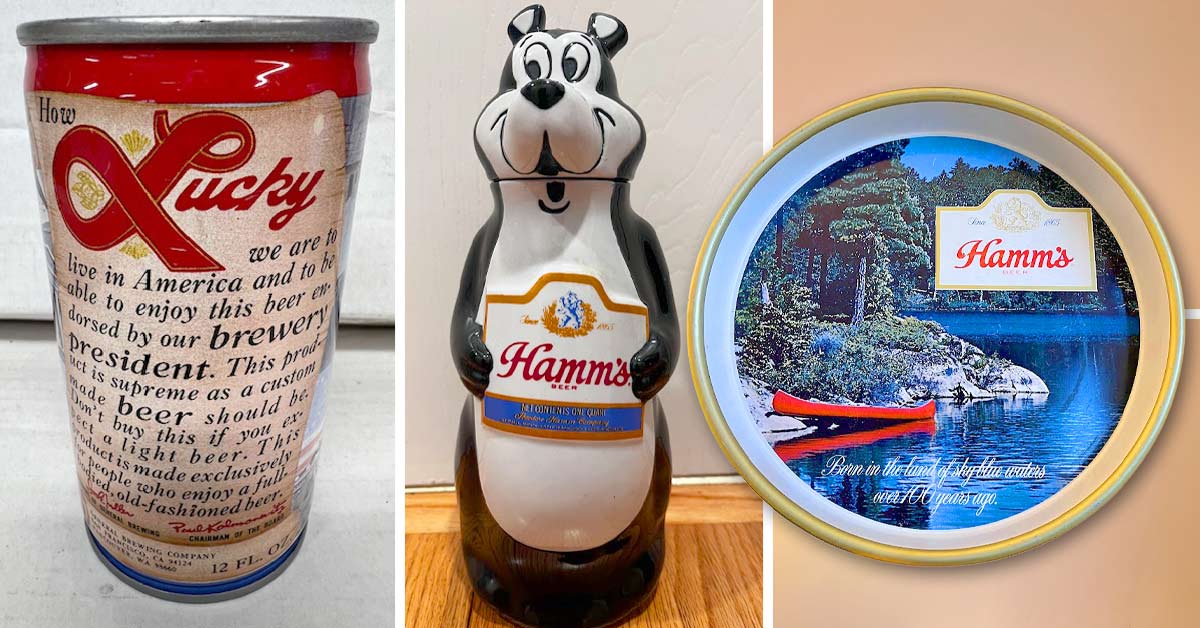
Furthermore, the breweries fostered a unique connection between the home front and the military. During the Vietnam War, many brewery workers, themselves veterans of WWII or Korea, utilized the supply chain to support servicemen overseas. When shipments were destined for Southeast Asia, workers would often line the pallets with local newspapers and magazines, providing a cultural lifeline to soldiers who were drinking the very beer their fathers and neighbors had bottled weeks prior.
Technological Transformation and the Modern Legacy
The decline of the large-scale industrial brewery in San Francisco was driven by two primary factors: automation and the rise of the craft beer movement. By the late 1970s, new machinery began to replace the manual labor required for packaging and quality control. Many of the original Slovene-American workers reached retirement age just as their roles were being phased out by high-speed, computer-integrated systems.
Simultaneously, the industry saw a shift toward artisanal production. In 1965, Fritz Maytag acquired a struggling Anchor Brewing Company, steering it away from mass production and toward the high-quality, small-batch model that would define the modern craft beer revolution. While this saved the "steam beer" tradition, it fundamentally changed the labor requirements of the industry, moving away from the massive workforces of the "Burgie" era.
Today, the physical remnants of San Francisco’s industrial brewing past have largely been repurposed. The former Burgermeister factory, once a cathedral of immigrant labor, now serves as a Costco wholesale warehouse. However, the legacy of the Slovene-American workers persists in the city’s cultural fabric. SF Beer Week, an annual 10-day festival, continues to celebrate Northern California’s brewing heritage, often featuring European imports that acknowledge the roots of the men who built the industry.
The story of the Slovene-American beer workers serves as a testament to the role of industrial labor in the American story. It was an era where the work of one’s hands could secure a family’s future, and where a cold glass of local lager represented more than just a beverage—it represented the successful navigation of the "golden door" into the American middle class. As the industry continues to evolve in the digital age, the history of these "brew floor melting pots" remains a vital reminder of the human element behind the machines.