admin
admin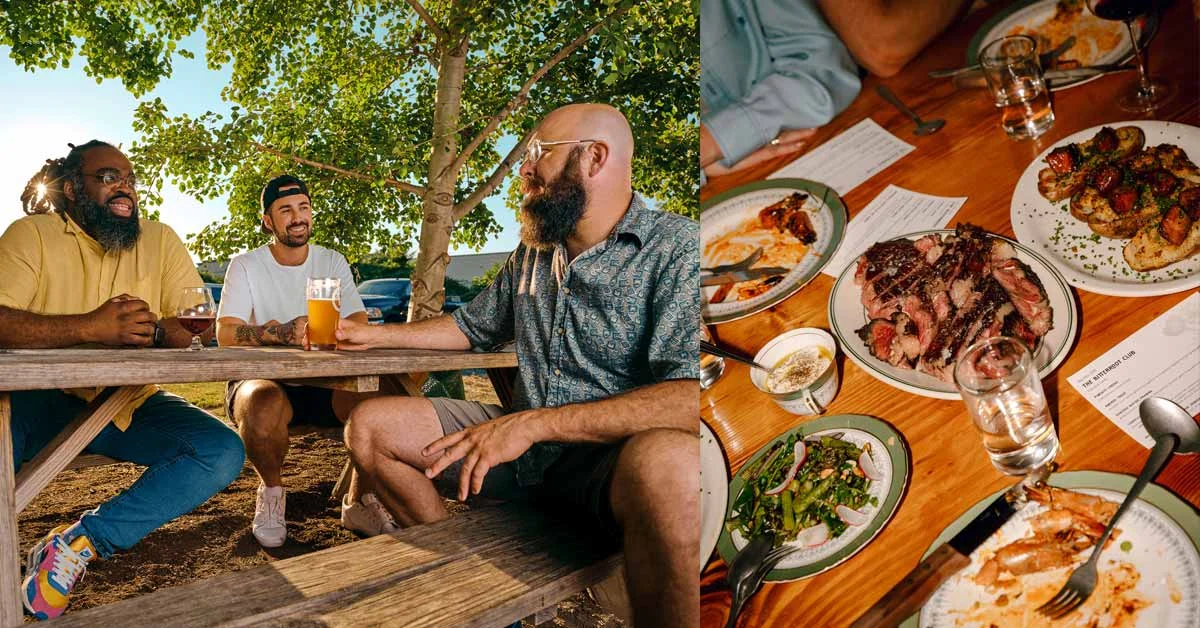
The landscape of American craft beer is undergoing a significant transformation, and nowhere is this evolution more evident than in Portland, Oregon, a city long colloquially known as Beervana. As the national marketplace for independent brewing becomes increasingly crowded and consumer habits shift toward more discerning preferences, established and emerging brewers are pivoting toward "elevated" experiences that merge high-end culinary arts with technical brewing mastery. At the forefront of this movement is Grand Fir Brewing, located in the historic Buckman neighborhood of Southeast Portland. Co-founded in November 2022 by the husband-and-wife team of Doug Adams and Whitney Burnside Adams, the establishment represents a strategic response to a maturing industry where a quality product alone is no longer a guarantee of commercial viability.
The Strategic Pivot to Elevated Brewpub Experiences
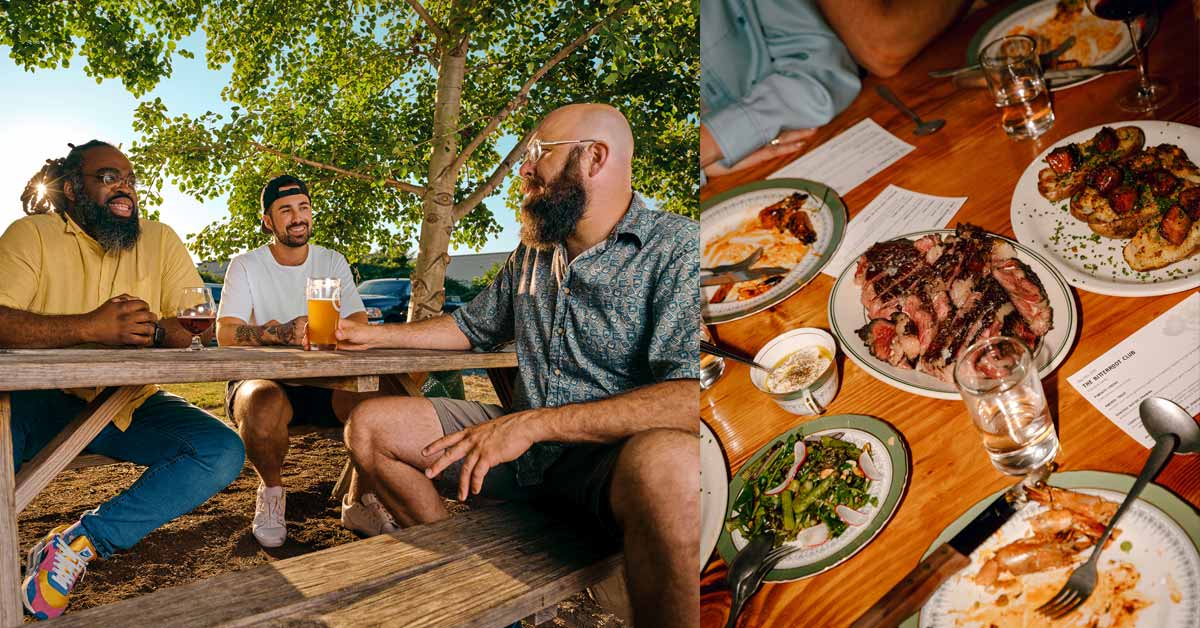
The traditional model of the American taproom—often characterized by industrial aesthetics, a rotating list of IPAs, and a limited food menu—is being challenged by a new wave of "supper club" integrations. Grand Fir Brewing’s The Bitterroot Club serves as a primary example of this shift. Doug Adams, a former Top Chef finalist and James Beard Rising Star Award semifinalist, utilizes a windowless, lodge-style room at the rear of the brewery to host weekly prix fixe dinners. These events, priced at $135 per person, feature seasonal, locally sourced ingredients paired specifically with beers crafted by Whitney Adams.
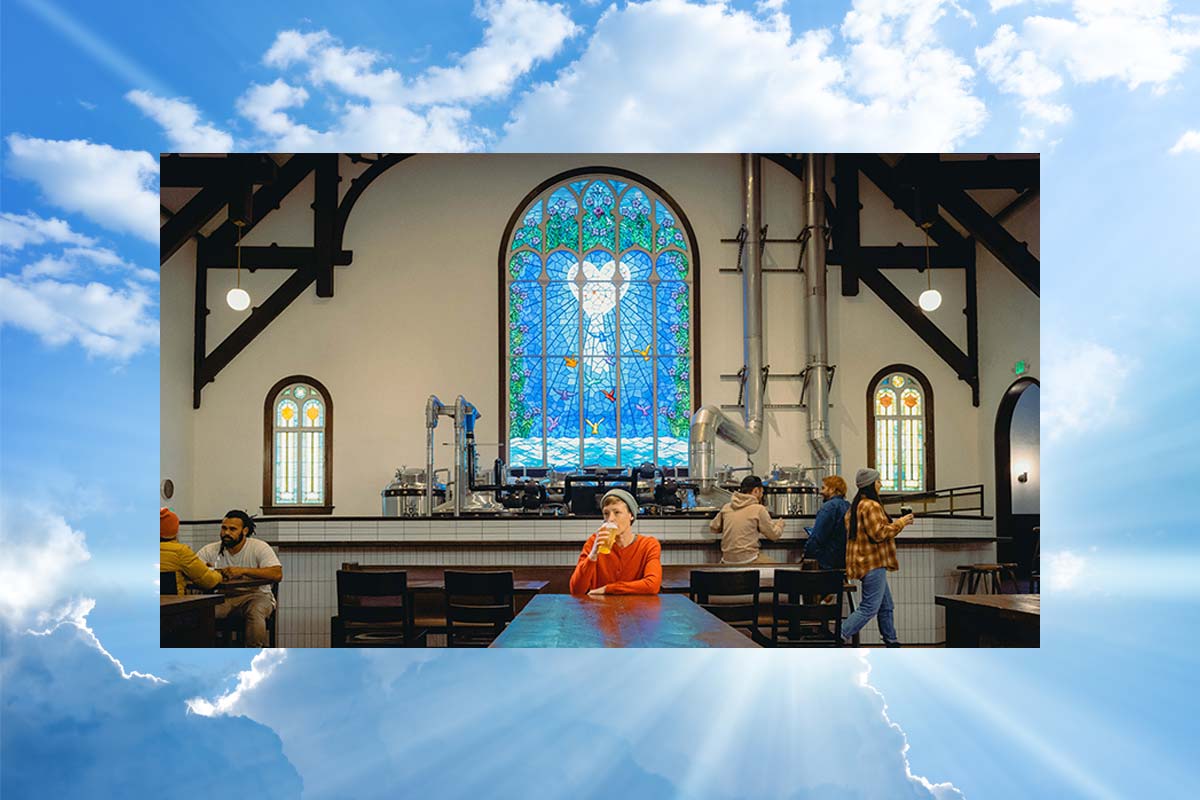
This "elevated" approach is not merely an aesthetic choice but a business necessity in a post-pandemic economy. Whitney Adams, a veteran of the Northwestern beer scene with experience at Upright Brewing, Elysian, and 10 Barrel Brewing Company, notes that the "certain angle" required for success in today’s market involves a synergy between food and drink. The menu at Grand Fir reflects this, offering artistic variations on standard pub fare, such as shrimp rolls with jalapeño Old Bay tartar and fried chicken sandwiches with garlic buffalo sauce. This strategy targets a consumer base that is increasingly looking for a "premium" destination rather than just a local watering hole.
The Historical Foundations of Portland’s Brewing Dominance
To understand why Portland has become a testing ground for these new business models, one must look at the city’s unique historical trajectory. Unlike many other major American metropolitan areas, Portland was historically isolated from the aggressive distribution networks of "Big Beer" conglomerates like Anheuser-Busch and MillerCoors. Van Havig, master brewer and co-founder of Gigantic Brewing, observes that because these national brands had a minor presence in the Pacific Northwest during the late 20th century, local distributors and brewpubs were allowed to dominate the market early on.
The term "Beervana" was first coined by the local alternative weekly Willamette Week in 1994, marking a period when the city was already recognized as a national leader in craft culture. By the early 2000s, Portland was arguably the most developed craft market in the United States. This development was bolstered by the city’s proximity to the Willamette Valley, one of the world’s premier hop-growing regions. The availability of fresh, local ingredients allowed Portland brewers to experiment with high-hop profiles long before the "IPA craze" swept the rest of the nation.
Chronology of Style and Innovation
The evolution of Portland’s palate can be traced through several distinct eras of brewing:
- The Foundation Era (1980s–1990s): Defined by the "six omnipresent labels," including Widmer Brothers’ Hefeweizen, Deschutes’ Black Butte Porter and Mirror Pond Pale Ale, and BridgePort Brewing’s India Pale Ale. BridgePort’s IPA, introduced in 1996, set the template for the Northwest-style IPA, characterized by citrus, floral, and pine notes.
- The Experimental Expansion (2000s–2012): As the market matured, brewers began pushing boundaries beyond standard ales. This era saw the rise of Belgian-style ales, smoked beers, and the first wave of barrel-aging programs.
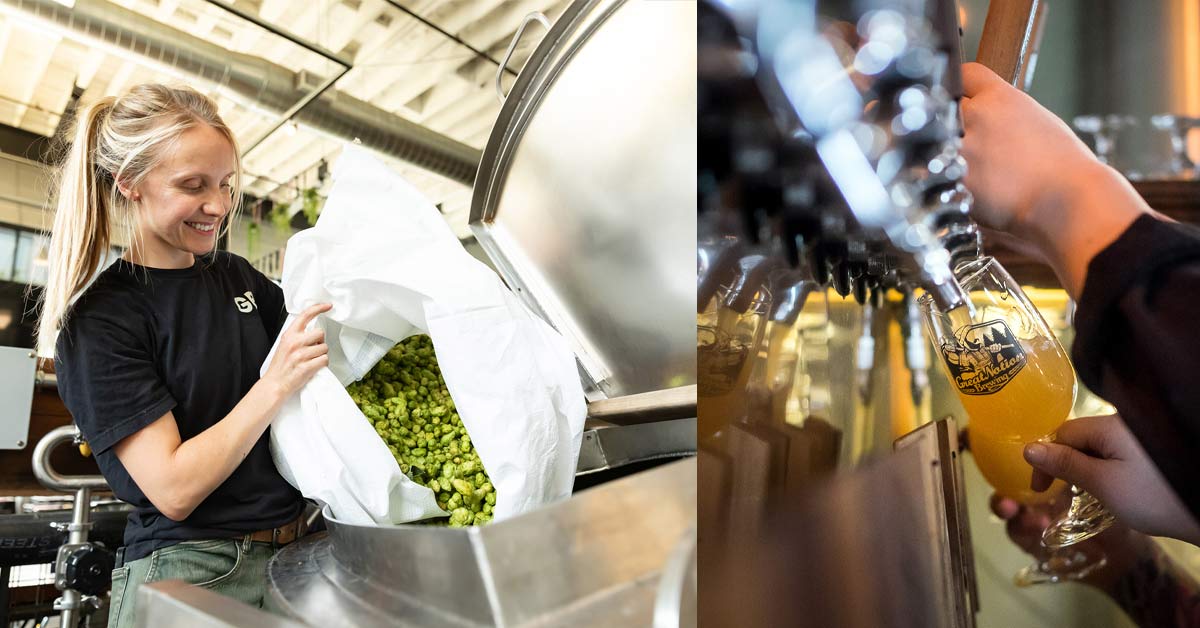
- The Diversification Wave (2012–Present): The opening of breweries like Gigantic and Breakside Brewing signaled a shift toward constant rotation and "one-off" releases. This period introduced the "growler phenomenon," where dedicated beer shops, gas stations, and grocery stores installed draft towers, providing unprecedented market access for small-scale producers.
Today, the scene is defined by specialization. Wayfinder Brewing has gained national acclaim for its "Cold IPAs" brewed with lager yeast, while Brujos Brewing caters to a niche "heavy metal" aesthetic with hazy IPAs. Meanwhile, established giants like Deschutes are investing heavily in the non-alcoholic (NA) sector, producing meticulous versions of their core beers to satisfy a growing demographic of health-conscious or "sober-curious" drinkers.
Supporting Data: The Economic Weight of Oregon Beer
The significance of the brewing industry to the regional economy cannot be overstated. According to data from the Oregon Brewers Guild and the Brewers Association, Oregon consistently ranks among the top states in the U.S. for breweries per capita. As of 2023, the state boasts over 300 craft breweries, contributing more than $2 billion to the state’s economy annually.
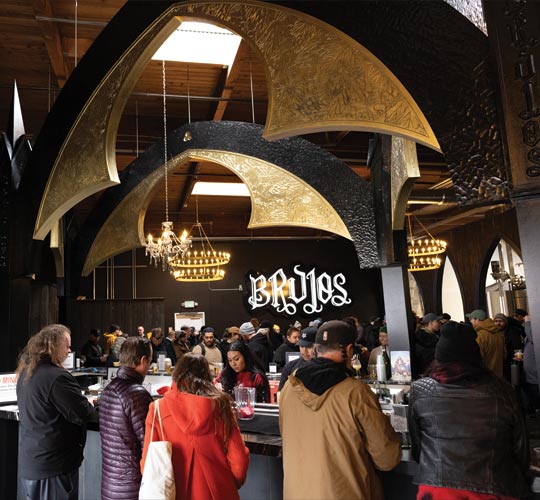
Portland specifically maintains a "savvier" group of beer drinkers than most other markets. Ben Edmunds, brewmaster at Breakside Brewing, suggests that the consumer expectation in Portland is that high-quality beer should be available everywhere, from high-end restaurants to "squalid-looking dive bars." This high baseline of quality forces new entrants to possess significant pedigrees. The current trend of "brewing family trees"—where experienced brewers from established pillars like 10 Barrel or Upright leave to start their own ventures—ensures that the market remains competitive and innovative.
Market Challenges and the "Slippery" Marketplace
Despite its status as a global beer capital, Portland is not immune to the economic headwinds facing the broader craft beer industry. Nationwide, the craft sector has seen a slowdown in growth as Gen Z consumers show more interest in spirits, canned cocktails, and non-alcoholic options. In Portland, these challenges are compounded by skyrocketing real estate prices and the lingering effects of the COVID-19 pandemic on urban foot traffic.
To maintain their foothold, brewers are transforming their spaces into multi-functional community hubs. While some regions are installing pickleball courts and dog parks, Portland’s response has been a doubling down on the "quality" aspect. The consensus among local industry leaders is that the issue in Portland is not a lack of drinkers, but a shift toward more discerning consumption. In a market where "craft beer" is simply referred to as "beer," the competition is no longer between microbreweries and macro-conglomerates, but between various high-quality independent producers.
Broader Implications and the Future of Beervana
The resilience of the Portland beer scene offers a blueprint for other mature markets. The success of establishments like Grand Fir Brewing suggests that the future of the industry lies in specialization and the integration of diverse culinary experiences. By moving away from the "production-only" model and toward an "experience-first" model, breweries can insulate themselves against the volatility of the wholesale distribution market.
Furthermore, the "brewing family tree" phenomenon suggests that the industry is entering a phase of professionalization. The new generation of owners are not amateurs or hobbyists, but experienced professionals with decades of collective knowledge. This ensures that even as the number of breweries might fluctuate due to economic pressure, the technical quality of the output remains at an elite level.
In conclusion, Portland’s "Beervana" is not a static relic of the 1990s microbrew boom but a dynamic, evolving ecosystem. The integration of world-class culinary talent with pedigreed brewing expertise represents the next frontier for the industry. As Van Havig of Gigantic Brewing summarizes, the reality in Portland is that "craft beer won." In this environment, the distinction between "craft" and "standard" has vanished, leaving only a market defined by the pursuit of excellence and a deeply ingrained cultural love for the craft. For the modern brewer in Portland, success is no longer about being the only option on the tap list—it is about being the most memorable destination in a city that expects nothing less than perfection.