admin
admin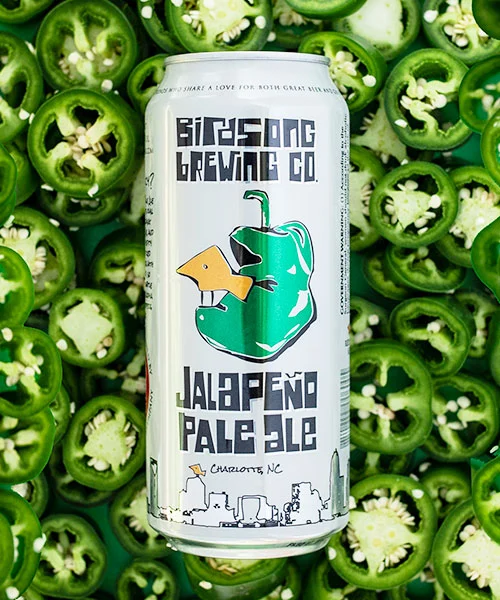
The contemporary craft brewing landscape is currently witnessing a sophisticated evolution as brewers move beyond the ubiquitous dominance of India Pale Ales (IPAs) and sours to explore the complex, often polarizing world of spicy beers. While the concept of "chile beer" might initially appear to be a contradiction in terms—given that beer is traditionally sought as a palate cleanser for spicy food—the category has matured from a niche novelty into a recognized discipline of technical brewing. This segment of the industry focuses on the deliberate infusion of capsaicin-heavy ingredients such as jalapeños, habaneros, and Hatch chiles into diverse base styles, ranging from crisp lagers to robust porters. The objective is rarely pure heat for the sake of sensation; rather, it is a pursuit of "maximalism," where the brewer seeks to balance the aggressive bite of the pepper with the cooling carbonation and residual sweetness of the malt.
The Technical Evolution of Chile Beers
Historically, the use of spice in brewing was confined to the "Herb and Spice Beer" category, which generally featured botanicals like coriander, orange peel, or black pepper—flavors associated with Belgian Witbiers or winter seasonals. However, the Brewers Association now distinguishes "Chili Beer" as its own competitive category, recognizing that the management of capsaicin requires a distinct set of skills compared to traditional brewing adjuncts.
The primary challenge for brewers is the solubility of capsaicin. Because the compound is more soluble in alcohol and fats than in water, the alcohol by volume (ABV) of a beer can significantly influence how the heat is perceived on the palate. A high-ABV imperial stout might amplify the burn of a habanero to an uncomfortable degree, whereas a low-ABV blonde ale provides a more manageable canvas. Furthermore, the timing of the addition—whether during the boil, the fermentation process, or "dry-pepping" in the secondary stage—dictates whether the beer adopts a vegetal, smoky, or purely fiery profile.
A Chronology of Innovation: From Kitchen Experiments to Production Scale
The rise of spicy beers can be traced through the growth of several key American breweries that transitioned from small-batch experimentation to regional distribution.
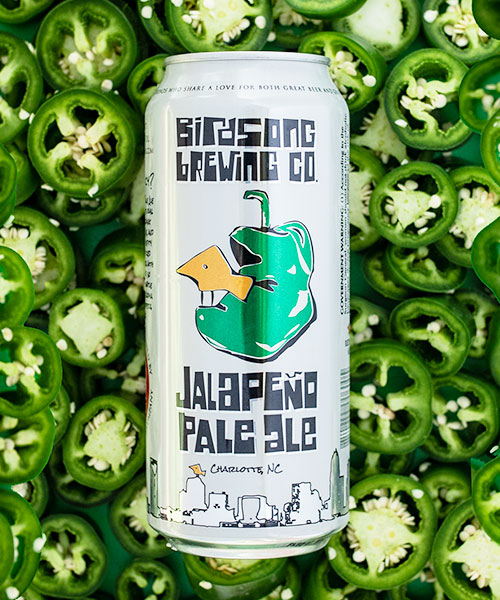
In 2010, the Charlotte, North Carolina-based Birdsong Brewing Co. began as a small-scale operation where founders Tara and Chris Goulet experimented with infusing fresh jalapeños into an American Pale Ale (APA). The decision to use an APA was strategic; the malty backbone of the style offered a more effective counterbalance to the heat than the hop-forward bitterness of an IPA. By 2024, the demand for their Jalapeño Pale Ale had scaled to the point where the brewery processed 400 pounds of locally grown North Carolina peppers annually. This growth mirrors a broader trend in the industry: the utilization of local agriculture to provide seasonal authenticity to "heat-forward" beverages.
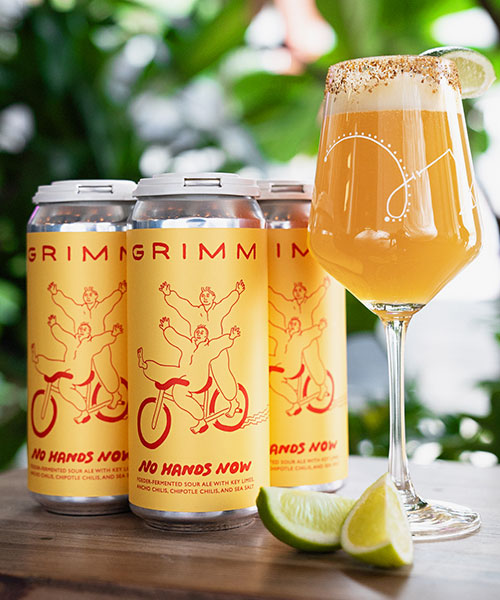
Similarly, Grimm Artisanal Ales in Brooklyn, New York, exemplifies the move toward "culinary-inspired" brewing. Founded in 2013 by Lauren and Joe Grimm, the brewery introduced "No Hands Now" in 2019. This low-ABV sour ale was designed to replicate the flavor profile of a Michelada, utilizing a sophisticated process that involves fermentation in oak foeders to develop tartness before steeping the liquid in ancho and chipotle chiles. This approach highlights the shift from simply adding heat to building layers of smokiness and acidity.
Regional Variations and the Importance of Terroir
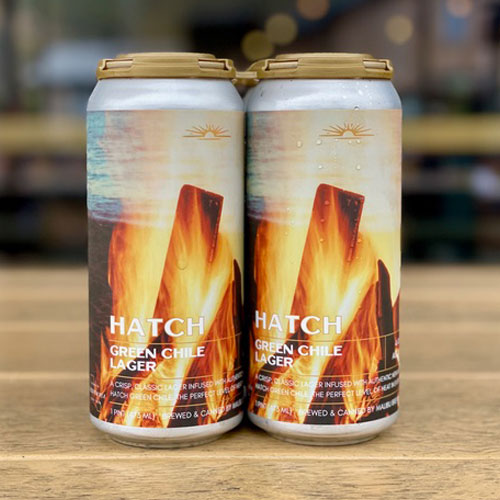
The geography of spicy beer often dictates the specific pepper varieties used, creating a sense of "terroir" within the category. In the Southwest and California, the Hatch green chile reigns supreme. Malibu Brewing’s Hatch Chile Lager, which earned a gold medal at the Brewers Cup of California, serves as a case study in regional branding. The beer utilizes freshly roasted and peeled Hatch chiles from New Mexico, integrated into a Mexican-style lager base.
The success of such beers is often tied to emotional and cultural resonance. For Malibu Brewing co-owner Ryan Ahrens, the beer was a nod to his New Mexican heritage. From a market perspective, these regional specialties allow breweries to capture a specific demographic of "chile-heads" who treat the annual Hatch harvest with religious fervor. The savory, vegetal notes of the Hatch pepper provide a different organoleptic experience than the bright, sharp sting of the jalapeño or the tropical fruitiness of the habanero.
Market Analysis: The "Antidote to Sweetness"
The diversification into spicy beers comes at a time when the craft beer market is facing saturation. For years, the industry was driven by the "haze craze" (Hazy IPAs) and the rise of "pastry stouts" laden with chocolate, vanilla, and lactose. Industry analysts suggest that the pivot toward spicy and savory beers represents a "rebuttal to predictability."
Spicy beers appeal to a specific consumer segment: the "adventurous drinker" who prioritizes sensory intensity. This is the same demographic that has fueled the explosive growth of the global hot sauce market, which is projected to reach several billion dollars in value by the end of the decade. By incorporating peppers, brewers are tapping into a broader cultural obsession with heat, popularized by media phenomena such as the "Hot Ones" interview series.
Case Study: The Scalability of Heat at Country Boy Brewing
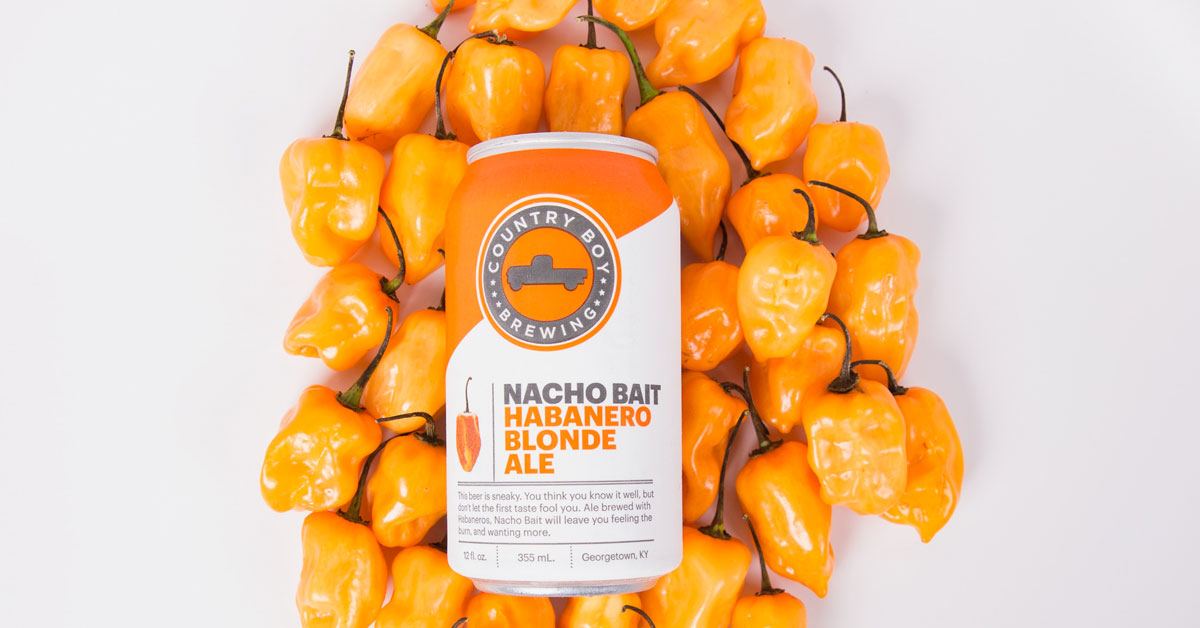
In Lexington, Kentucky, Country Boy Brewing has demonstrated how a spicy seasonal can become a cornerstone of a brewery’s identity. Their "Nacho Bait Habanero Blonde," first brewed in 2013, uses a base of their popular "Cougar Bait" blonde ale. The production of this beer involves a high degree of manual labor; at one point, the brewery was hand-chopping ten pounds of habaneros per barrel.
The brewery’s experience highlights the volatility of working with natural ingredients. According to marketing director Pete Weiss, the spice level of Nacho Bait fluctuates depending on the season. Homegrown summer peppers typically carry a higher Scoville rating than store-bought winter peppers, requiring the brewing team to adjust their recipes constantly to maintain a consistent product. This variability is a hallmark of craft production, distinguishing it from the standardized outputs of macro-breweries.
The Cultural Phenomenon of "Extreme" Brewing
While many breweries strive for balance, a subset of the industry has embraced "extreme brewing," creating beers that function more as endurance challenges than refreshing beverages.
- The Signal One Challenge: Hosted by Maltese Brewing Co. in Fredericksburg, Virginia, this challenge features a beer infused with the Carolina Reaper, currently one of the world’s hottest peppers.
- Deal With the Devil: Burning Barrel Brewing Co. in California offers a similar challenge, vying for the title of the world’s hottest beer.
These events serve as significant marketing drivers, drawing crowds to taprooms and generating viral social media content. However, they also raise questions about the limits of the style. Professional tasters often argue that when heat overwhelms the underlying beer, the product ceases to be a "beverage" and becomes a "novelty."
Culinary Integration and Pairing Strategies
One of the most significant implications of the spicy beer trend is its impact on the culinary world. Unlike traditional beers, which are often paired with food to contrast flavors, spicy beers are increasingly used to "amplify" the dining experience.
- Seafood and Citrus Heat: Michelada-inspired ales like Grimm’s "No Hands Now" are being positioned alongside ceviche and raw oysters, where the lime and salt components of the beer enhance the acidity of the dish.
- South Asian and Thai Cuisine: Fruit-forward spicy beers, such as Bell’s Brewery’s Mango Habanero Oberon, complement the "amchur" (mango powder) and coconut milk found in Thai and Indian curries. The habanero powder in the beer provides a secondary layer of heat that lingers after the food’s spice has dissipated.
- Classic American Fare: Hatch chiles and jalapeño pilsners are frequently paired with "fatty" foods like smashburgers, grilled cheese, and beer cheese pretzels. The capsaicin helps cut through the richness of the fats, while the carbonation cleanses the palate.
Official Responses and Industry Outlook
The Brewers Association continues to monitor the "Chili Beer" category as it grows in popularity. While it remains a fraction of the total craft beer volume compared to IPAs, its steady presence at the Great American Beer Festival (GABF) and other major competitions suggests it has moved past the "fad" stage.
The future of the category likely lies in the refinement of pepper-processing techniques. Some breweries are moving toward using concentrated pepper extracts to ensure Scoville consistency, while others remain committed to the "fresh-is-best" philosophy, despite the labor-intensive nature of processing hundreds of pounds of peppers.
As consumer palates continue to seek out "maximalist" flavors, the spicy beer category is poised for further diversification. Whether it is a "whisper of wasabi" in a lager or a "slow burn" habanero blonde, these brews offer a radical alternative to the sweetness and bitterness that have long defined the industry. For the independent American brewer, the spicy beer is more than just a "beer that bites back"—it is a testament to the technical restraint required to tame the flame.